

Avignon
Capital of the Vaucluse and the Côtes du Rhône, seat of the popes and city of art and culture, theatre, cinema, museums, big stores and little shops, Avignon is a small city that has everything a big one has, and then some...
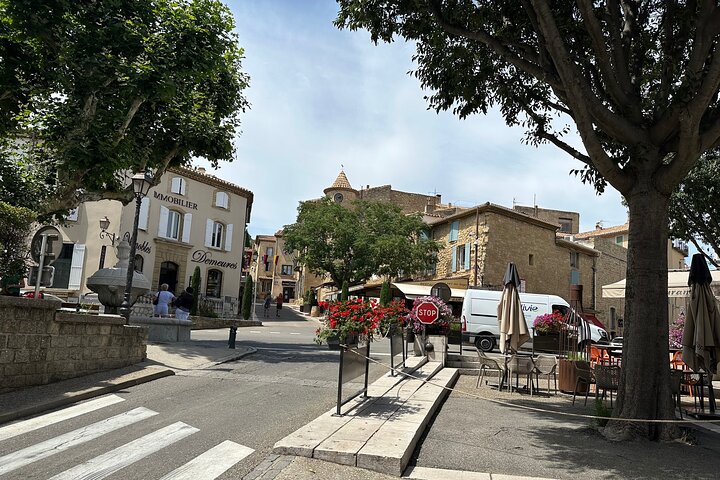
From medieval streets and houses to private mansions from the Renaissance, passing through all its old and enticing squares, some no bigger than a tiny lane... And the diverse dining opportunities, ranging from family-run restaurants, good and inexpensive to some of the greatest Michelin-starred chefs.
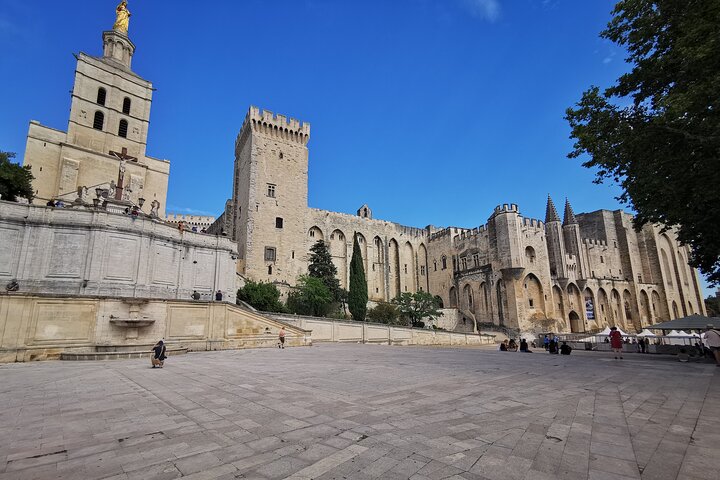
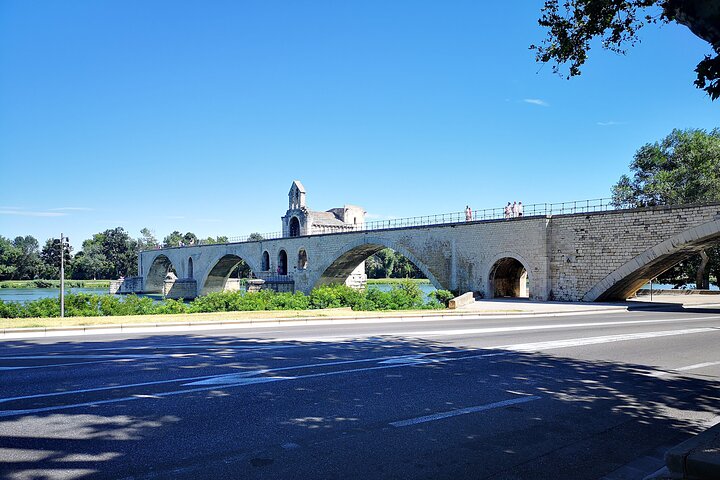
Avignon invites you for a stay beyond all imagination.The historic city centre, the Popes' Palace, all the episcopal buildings and the Saint Bénézet Bridge are listed as world heritage sites by UNESCO.
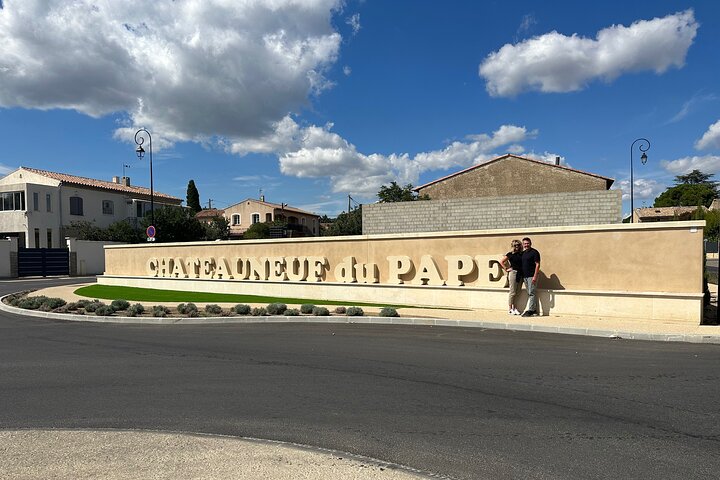
Chateauneuf des papes
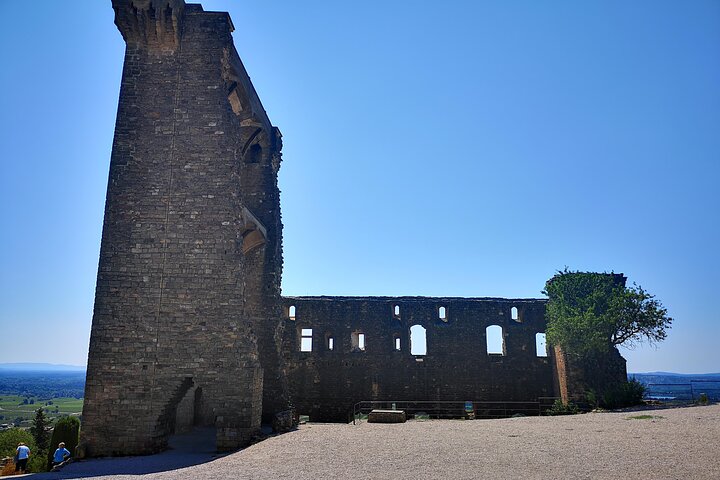
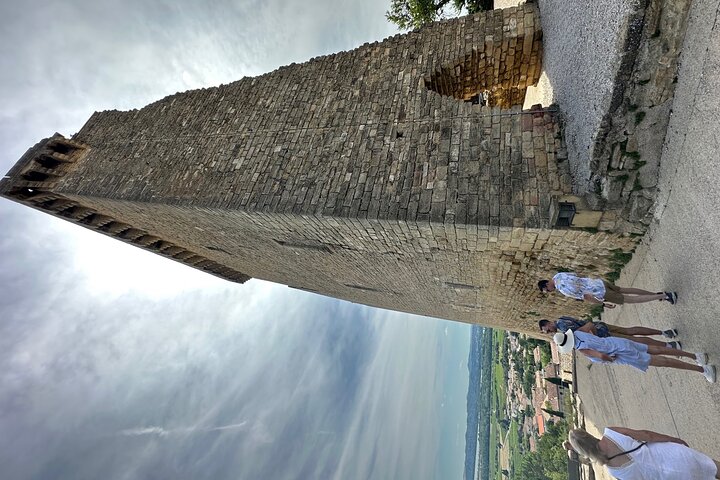
In 1317, one year after his election, Pope John XXII ordered the construction of a castle at the top of the hill above the village.Some of the stone may have been from a local quarry but most was probably imported from Courthézon.
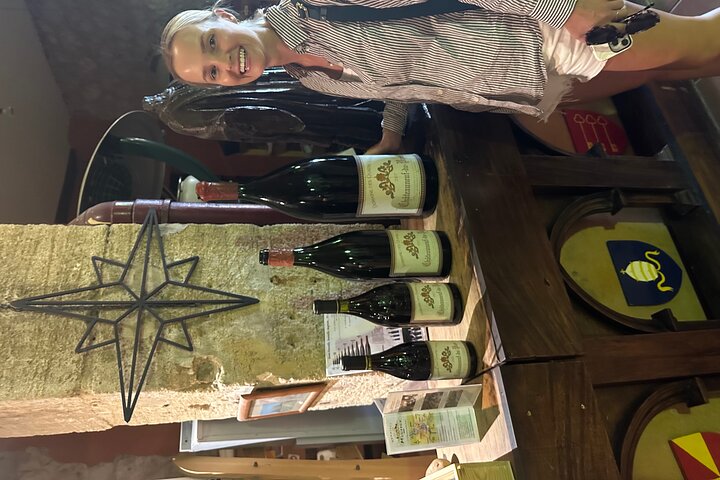
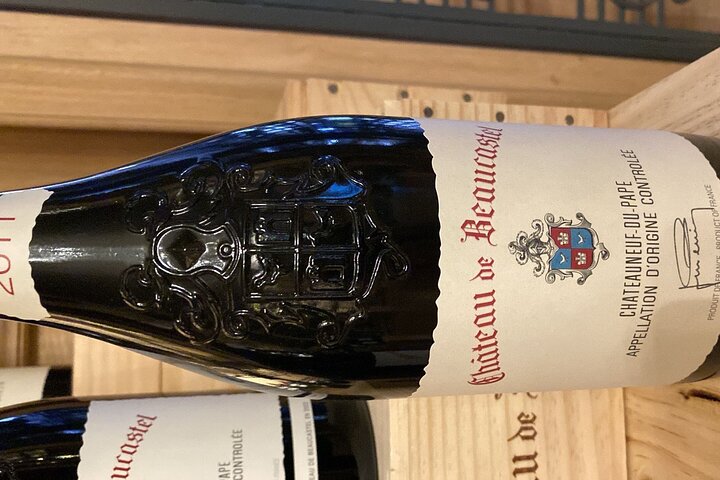
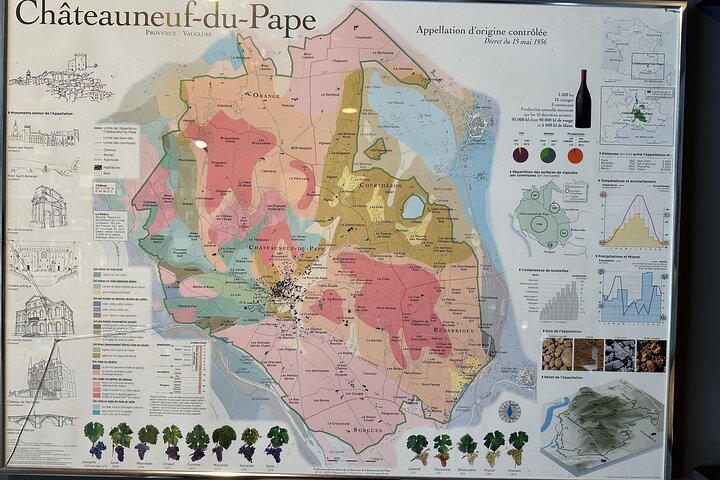
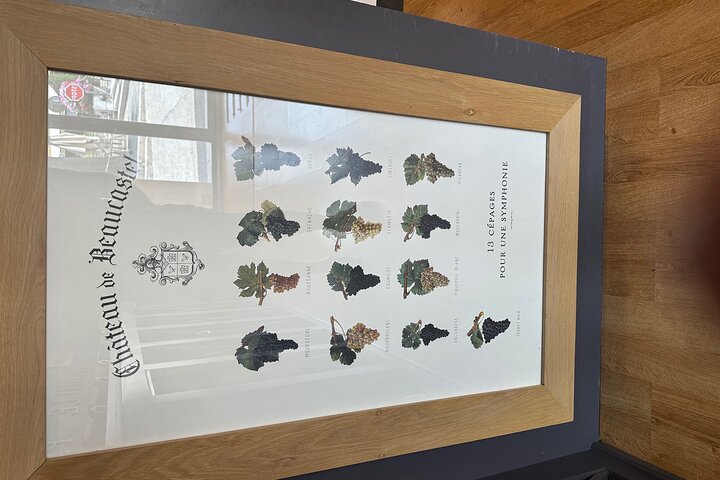
The wine classified as Châteauneuf-du-Pape Appellation d'origine contrôlée (AOC) is produced from grapes grown in the commune of Châteauneuf-du-Pape and portions of the four adjoining communes in the Vaucluse. The vineyards cover an area of approximately 3,200 hectares. Of this total 1,659 hectares (52%) lie within the commune of Châteauneuf, 674 hectares (21.1%) within Courthézon, 391 hectares (12.3%) within Orange, 335 hectares (10.5%) within Bédarrides and remaining 129 hectares (4%) in Sorgues.Unlike its northern Rhône neighbours, Châteauneuf-du-Pape AOC permits thirteen different varieties of grape in red wine but the blend must be predominantly grenache. In 2010 there were 320 producers. The total annual production is around 100,000 hectolitres (equivalent to 13 million bottles of 0.75 litre) of which 95% is red. The remainder is white: the production of rosé is not permitted under this AOC.