Nepal · Trekking

14-Day Everest Base Camp Trek through Sagarmatha National Park

14 Days Moderate pace

The journey

Trip highlights
  • 01 Stunning panoramic views of Everest, Lhotse, Nuptse, and Ama Dablam
  • 02 Visit Tengboche Monastery, a spiritual center of the Sherpa community
  • 03 Explore Namche Bazaar, the vibrant trading hub of the Khumbu region
  • 04 Reach Everest Base Camp, the iconic destination at the foot of the world's tallest mountain
  • 05 Experience Sherpa culture in traditional villages and monasteries
  • 06 Trek through Sagarmatha National Park, a UNESCO World Heritage Site
  • 07 Cross varied terrain from lush forests and alpine meadows to rocky moraines
  • 08 Gain high-altitude trekking experience above 5,000 meters with acclimatization stops

Go for a 14-day Everest Base Camp Trek in the Himalayan region. Hike through Sagarmatha National Park and see some of the highest mountains on earth as you cross valleys, pastureland, meadows, rivers, and high suspension bridges. Along the way, enjoy incredible views of lofty snowy peaks, visit Sherpa villages and monasteries, and experience the unforgettable achievement of reaching Everest Base Camp.

Hike through Sagarmatha National Park and see some of the highest mountains on earth as you cross valleys, pastureland, meadows, rivers, and high suspension bridges.

From the itinerary

At a glance

What this trip includes

Duration 14 Days
Tour type Shared
Activity level Moderate
Accommodation Included · Standard
Transport Included
Wheelchair access No
Cities Kathmandu, Mount Everest, Everest Base Camp-South, Lukla, Dingboche, Namche Bazaar, Tengboche, Phakding, Lobuche, Kala Patthar, Gorakshep, Sagarmatha National Park, Pheriche, Khumjung
Languages English

Day by day

The itinerary

1
Day 01

Arrival in Kathmandu

Upon your arrival in Kathmandu, you will land at Tribhuvan International Airport (TIA). A representative from Himalayan Adventure Treks & Tours will be there to welcome you and assist with your transfer to the hotel.

In the evening, you will have the opportunity to meet fellow participants and members of the trekking team. Enjoy an overnight stay at a hotel in Kathmandu, resting up before your adventure begins.

2
Day 02

Fly to Lukla and Trek to Phakding

On the second day of the Everest Base Camp Trek, you will embark on an exciting adventure with a scenic flight from Kathmandu to Lukla. The flight typically lasts around 30-45 minutes and treats you to breathtaking views of the majestic Himalayan peaks along the way.

Upon arrival in Lukla, the gateway to the Everest region, you will begin your trekking journey towards Phakding. This initial leg of the trek lasts approximately 3-4 hours, giving you an opportunity to acclimate to the elevation and become familiar with the terrain.

Phakding is a charming village nestled alongside the Dudh Koshi River, offering a serene and picturesque setting for your first night on the trail. It is a perfect starting point for your Everest Base Camp adventure.

3
Day 03

Trek to Namche Bazaar

Today marks another exciting day of your trek as you bid farewell to Phakding and begin your journey towards Namche Bazaar. This leg of the trek is relatively long, spanning approximately 6-7 hours to reach your destination.

Along the way, you will pass through lush forests, cross picturesque suspension bridges, and follow the winding path alongside the Dudh Koshi River. As you ascend, you will enter Sagarmatha National Park, where you will need to present your permit for entry.

Namche Bazaar awaits as the largest town in the Khumbu region, renowned for its vibrant Sherpa culture, traditional architecture, and breathtaking views of the surrounding peaks. Upon arrival, you will have the opportunity to immerse yourself in the local culture, explore the bustling streets, and take in the awe-inspiring scenery.

Spending the night in Namche Bazaar allows for essential acclimatization to the increasing altitude, ensuring a safe and enjoyable trekking experience in the days ahead.

4
Day 04

Acclimatization in Khumjung and Hotel Everest View

During your Everest Base Camp Trek, it is essential to take breaks to acclimate to the increasing altitude and allow your body to adjust. Acclimatization days play a vital role in this process, as rapid ascent to high elevations can lead to altitude sickness in some individuals.

On your designated acclimatization day, you will have the opportunity to rest and explore the surrounding area. One popular option is to take a hike to the nearby village of Khumjung. This scenic hike offers stunning views of the Himalayas and provides a chance to visit Khumjung Monastery. This monastery is famous for housing a yeti scalp, as well as for its cultural significance and beautiful architecture. Exploring Khumjung allows you to immerse yourself in the local culture and gain insight into the Sherpa way of life.

Another option for your acclimatization day is to visit the Hotel Everest View, located just above Namche Bazaar. This hotel offers unparalleled panoramic views of the world's highest peaks, including Mount Everest. Visiting the Hotel Everest View provides a unique opportunity to witness the majesty of the Himalayas from a comfortable vantage point.

Overall, your acclimatization day is a crucial part of the trek, allowing you to rest, adjust to the altitude, and prepare for the challenges ahead. It is also an opportunity to explore the natural beauty and cultural heritage of the Everest region, making it a memorable and enriching experience.

5
Day 05

Trek to Tengboche

As you continue your trek, you will depart from Namche Bazaar and set your sights on Tengboche. This leg of the journey takes you along a scenic route through lush rhododendron forests, offering mesmerizing views of prominent Himalayan peaks like Ama Dablam and Thamserku.

Along the way, you will cross several suspension bridges and pass through charming villages such as Phunki Tenga and Devoche, each offering a glimpse into the local way of life.

Eventually, your path leads you to Tengboche, a village nestled in a picturesque valley renowned for its serene beauty. Tengboche is perhaps best known for its awe-inspiring Tengboche Monastery, the largest in the Khumbu region. This monastery holds immense cultural and spiritual significance for the Sherpa community, serving as a hub for religious practices and ceremonies.

Surrounded by the majestic Himalayan panorama, spending the night in Tengboche allows you to soak in the breathtaking scenery and experience the tranquility of this sacred place.

6
Day 06

Trek to Dingboche

On this leg of your journey, you will trek from Tengboche to Dingboche, a picturesque village nestled in a scenic valley. The trek typically takes around 5-6 hours, guiding you through enchanting alpine forests and past terraced fields.

As you ascend gradually, you will be treated to breathtaking views of the surrounding peaks, including the impressive Island Peak, Lhotse, and Makalu.

Dingboche itself is a charming hamlet renowned for its panoramic vistas of iconic Himalayan peaks such as Ama Dablam and Makalu. Upon arrival, you will have the opportunity to unwind, soak in the stunning scenery, and acclimate to the increasing elevation.

This stop is crucial for acclimatization before continuing to higher altitudes towards Everest Base Camp. Take advantage of this time to rest, hydrate, and prepare yourself mentally and physically for the challenges ahead. Dingboche serves as an important waypoint on your journey to Everest Base Camp, ensuring your safety and well-being as you progress towards your ultimate destination.

7
Day 07

Acclimatization Day in Dingboche

Today, you will enjoy another crucial acclimatization day in Dingboche, an important part of the trek to Everest Base Camp. This rest day is essential for allowing your body to adjust to the increasing altitude and reducing the risk of altitude sickness that can occur with rapid ascent.

During your stay in Dingboche, you will have the chance to embark on a hike to a nearby hilltop for better acclimatization and panoramic views of the surrounding peaks. This hike not only aids in altitude adjustment but also rewards you with breathtaking vistas of the Himalayas, including Ama Dablam, Lhotse, and other majestic peaks.

Additionally, you can explore the local farms and fields, gaining insight into the traditional farming practices of the region and immersing yourself in the rural lifestyle of the Sherpa people. This cultural experience adds depth to your journey and allows you to connect more intimately with the local community.

Overall, your acclimatization day in Dingboche provides a well-deserved opportunity to rest, recharge, and prepare mentally and physically for the remainder of the trek. By taking this time to acclimate properly, you will be better equipped to tackle the challenges ahead as you continue your journey towards Everest Base Camp.

8
Day 08

Trek to Lobuche

Today, you will embark on a 5-6 hour trek from Dingboche to Lobuche, traversing rugged and barren landscapes that showcase the raw beauty of the Himalayas. Along the way, you will be treated to breathtaking views of prominent peaks such as Pheriche, Tawache, and Cholatse, creating a stunning backdrop for your journey.

As you trek, you will also cross the glacial moraine of the Khumbu Glacier, a surreal and awe-inspiring experience that highlights the dynamic nature of the region. Additionally, you will have the opportunity to visit memorials dedicated to the climbers and Sherpas who have tragically lost their lives on Mount Everest, serving as poignant reminders of the challenges and risks associated with high-altitude mountaineering.

Upon reaching Lobuche, a small settlement situated at an elevation of 4910m, you will have the chance to acclimate to the high altitude and prepare for the final leg of your trek to Gorak Shep and Everest Base Camp. This stop is crucial for allowing your body to adjust to the extreme elevation before ascending to even higher altitudes.

Take advantage of this time to rest, hydrate, and mentally prepare yourself for the challenges ahead as you inch closer to the iconic Everest Base Camp.

9
Day 09

Trek to Gorakshep and Everest Base Camp

Today marks a pivotal stage of your journey as you depart from Lobuche and trek towards Gorakshep, the final outpost before reaching the legendary Everest Base Camp. The trail leads you across the rugged terrain of the Khumbu Glacier, treating you to awe-inspiring views of towering peaks like Pumori, Lingtren, and Khumbutse.

Nestled at an elevation of 5160m, Gorakshep serves as the launching point for your much-anticipated visit to Everest Base Camp. From here, you will embark on the challenging trek to the base camp itself, situated at an altitude of 5360m. This arduous hike typically takes 3-4 hours each way and offers unparalleled vistas of the majestic Khumbu Icefall, as well as the surrounding peaks including Nuptse and Lhotse.

Reaching Everest Base Camp is a momentous occasion, steeped in history and significance for mountaineers worldwide. This iconic site has been visited by countless renowned climbers and serves as a symbolic milestone for those daring to summit Mount Everest. Take your time to absorb the grandeur of the surroundings, reflect on the rich mountaineering legacy of the region, and capture memories that will last a lifetime.

After your visit to Everest Base Camp, you will return to Gorakshep to rest and rejuvenate, reflecting on the day's accomplishments and savoring the indelible experiences of this extraordinary journey.

10
Day 10

Hike to Kalapatthar and Trek to Pheriche

Today begins with an early start as you embark on a memorable hike to Kalapatthar, a small hill renowned for its breathtaking panoramic views. Situated at an elevation of 5545m, Kalapatthar offers unrivaled vistas of Mount Everest and the surrounding peaks, making it a highlight of the trek. Witnessing the sunrise from Kalapatthar is an unforgettable experience, with the first light of dawn illuminating the majestic Himalayan landscape in a mesmerizing display.

After soaking in the awe-inspiring scenery from Kalapatthar, you will return to Gorakshep for a late breakfast before continuing your journey towards Pheriche. This charming village, nestled at an elevation of 4371m, is known for its picturesque setting and stunning views of iconic peaks.

The trek from Gorakshep to Pheriche spans approximately 5-6 hours, treating you to spectacular vistas of the surrounding landscape and peaks, including the striking Ama Dablam, Kangtega, and Thamserku. Along the way, you will pass through enchanting alpine forests, verdant meadows, and alongside meandering rivers and streams, immersing yourself in the natural beauty of the Himalayas.

Upon reaching Pheriche, you will have the opportunity to unwind, recharge, and revel in the tranquility of the surroundings after a fulfilling day of trekking. Take in the breathtaking views, savor the sense of accomplishment, and reflect on the unforgettable experiences of your journey through the Everest region.

11
Day 11

Descend to Namche Bazaar

Today marks the beginning of your descent from Pheriche to Namche Bazaar, a scenic trek lasting approximately 6-7 hours. As you make your way through picturesque forests and alpine meadows, you will be treated to breathtaking views of the surrounding peaks and valleys, creating a stunning backdrop for your journey.

Along the trail, you will cross several suspension bridges, each offering exhilarating views of the rushing rivers below. Passing by quaint villages and monasteries, you will have the opportunity to immerse yourself in the local culture and gain insight into the traditional way of life in the Himalayas.

Namche Bazaar awaits you at the end of your trek, a bustling town nestled at an elevation of 3446m and serving as the gateway to the Everest region. Renowned for its vibrant markets, lively atmosphere, and diverse range of accommodations, Namche Bazaar offers a unique blend of modern amenities and traditional charm.

Spend the night here, soaking in the sights and sounds of this vibrant town, and reflecting on the incredible experiences of your journey through the Himalayas. As you prepare for your return to Lukla the following day, take time to savor the memories and camaraderie forged along the trails of the Everest region.

12
Day 12

Trek Back to Lukla

Today, you will embark on the final leg of your journey as you make your way back to Lukla, retracing your steps from Namche Bazaar. The trek spans approximately 5-6 hours and leads you through a diverse landscape of forests, alpine meadows, and charming villages, treating you to captivating views of the surrounding landscape and peaks that have become familiar companions on your trek.

Lukla awaits you at the end of your trek, a bustling town situated at an elevation of 2860m and serving as the gateway to the Everest region. As the starting point for many treks in the area, Lukla exudes a vibrant energy with its array of accommodations, restaurants, and shops, providing a fitting finale to your Himalayan adventure.

Upon arrival in Lukla, you will check into your hotel for the night, where you can unwind, recharge, and reflect on the incredible experiences of your trek to Everest Base Camp. Take this time to reminisce about the challenges you have overcome, the breathtaking sights you have witnessed, and the camaraderie you have shared with fellow trekkers along the way.

The following day, you will bid farewell to the majestic mountains of the Everest region as you take an early morning flight back to Kathmandu, bringing your adventure to a close. As you soar above the Himalayas one last time, cherish the memories of your epic journey and carry the spirit of the mountains with you as you return home.

13
Day 13

Fly Back to Kathmandu

Today marks the conclusion of your unforgettable journey as you embark on a morning flight from Lukla to Kathmandu. This scenic flight offers a final opportunity to soak in the awe-inspiring beauty of the Himalayan landscape, with panoramic views of Mount Everest and the surrounding peaks serving as a fitting farewell to the majestic mountains.

Upon your arrival in Kathmandu, you will be warmly greeted by your guide and transferred to your hotel. With the completion of your trek to Everest Base Camp, you now have the chance to unwind, relax, and reflect on the incredible experiences and memories you have gathered along the way.

Kathmandu, the vibrant capital city of Nepal, awaits you with its rich cultural heritage and bustling streets. Spend the remainder of the day exploring the city's many attractions, from ancient temples and palaces to vibrant markets and museums, each offering a glimpse into Nepal's rich history and traditions. Whether you choose to immerse yourself in the city's cultural tapestry, indulge in some souvenir shopping, or simply unwind in a local cafe, Kathmandu offers endless opportunities for exploration and discovery.

In the evening, you will come together with your fellow trekkers for a memorable farewell dinner at an authentic Nepalese restaurant. Enjoy traditional cuisine and a captivating cultural performance as you reminisce about the highlights of your journey and bid farewell to the Himalayas with gratitude and fond memories.

14
Day 14

Departure from Kathmandu

As your journey draws to a close, a representative from Himalayan Adventure Treks and Tours will accompany you to the airport, ensuring a smooth and hassle-free departure approximately 3 hours before your scheduled flight. As you bid farewell to Nepal, take a moment to reflect on the unforgettable experiences and cherished memories you have gathered during your time in this remarkable country.

As you journey homeward, you will have ample time to reminisce about your trek to Everest Base Camp and the incredible landscapes, cultures, and adventures you encountered along the way. Let the memories of the Himalayas inspire you to dream of your next adventure in Nepal, whether it is exploring remote mountain villages, embarking on a thrilling rafting expedition, or discovering hidden treasures in bustling Kathmandu.

As you plan your next escapade in Nepal, remember the warmth of its people, the majesty of its mountains, and the endless possibilities for adventure that await. Until you meet again amidst the towering peaks and vibrant cultures of Nepal, safe travels, and may your journey home be filled with anticipation and excitement for the adventures that lie ahead.

Sagarmatha National Park, Kala Patthar sunrise panorama, Everest Base Camp-South on the Khumbu Glacier

Where this trip takes you

Sagarmatha National Park, Kala Patthar sunrise panorama, Everest Base Camp-South on the Khumbu Glacier

The route

Where you'll travel

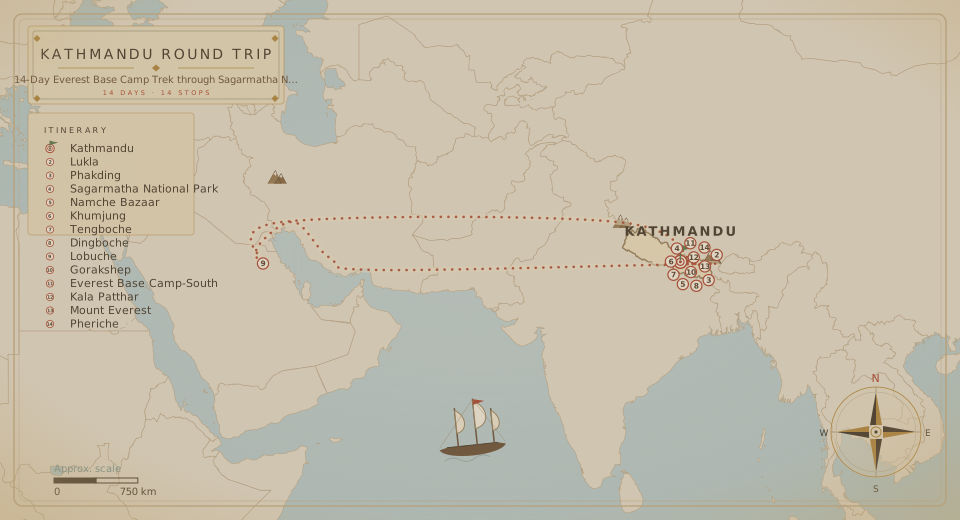
Tour route map
14 cities · 14 Days

The fine print

Trip details

What's Included

  • Pick-up from the airport and transfer to the hotel by private vehicle.

  • Two nights' accommodation in Kathmandu with breakfast.

  • Breakfast, lunch, and dinner during trekking.

  • National park permit and Trekkers' Information Management System (TIMS) permit.

  • All necessary paperwork.

  • Domestic airport pick-up and drop-off by private vehicle.

  • Flight ticket (LUK-KTM-LUK) / Kathmandu, Ramechhap, and Kathmandu.

  • All accommodations in lodges/tea houses during the trek.

  • An experienced and helpful guide and porter (1 porter for 2 clients).

  • Travel and rescue arrangements.

  • Last-night farewell dinner at an authentic Nepalese restaurant with a cultural performance.

  • Medical supplies (a first aid kit will be available).

What's Not Included

  • Nepal visa fee.

  • International airfare to and from Kathmandu.

  • Accommodation in Kathmandu because of early arrival, late departure, or early return from the mountain for any reason other than the scheduled itinerary.

  • All meals in Kathmandu, and also in the case of an early return from the mountain other than the scheduled itinerary.

  • Travel and rescue insurance.

  • Personal expenses (phone calls, laundry, bar bills, battery recharge, extra porters, bottled or boiled water, hot shower, etc.).

What to bring

Equipment List for Everest Base Camp Trek:

Everest Base Camp is a difficult trek. However, through our many years of experience operating treks in Nepal, we have learned many things and would like to share some useful information for your Everest Base Camp Trek packing list. We hope this information will help make your trip successful.

Luggage/Duffle bag:

You will require a duffel bag or a backpack for trekking (65-75 L maximum). All your trekking gear will be kept in this duffel bag, and it will be carried by our porters. However, Himalayan Adventure also provides the duffel bag if needed.

A day backpack:

You will need a day backpack, which you will carry yourself every day. We recommend that it be at least 25 L so you can carry important documents like your passport and credit card, along with a water bottle, snack bars, and clothing layers such as a hat, gloves, fleece, sunblock, and poles.

Trekking/Hiking boots:

Everest Base Camp is a difficult trek, so it is very important to have good trekking boots, and they should be waterproof in case of snow or rain. Make sure they fit your feet well and are comfortable during walking. We also recommend bringing crampons during the winter season in Nepal.

Sport sandals:

You need to have a pair of sports shoes or sandals to use while you are in camp or tea houses after the trek.

Sneakers:

Everest Base Camp is a difficult trek, so sneakers are not suitable for this trek. You can leave your sneakers at the Kathmandu hotel until you return.

Sleeping bag:

You need to have a lightweight sleeping bag that works for minus 20 degrees for the summer season, but during winter we recommend one rated to minus 25 degrees for the Everest Base Camp Trek. Himalayan Adventure can provide one if needed, but it must be returned after the trek.

Fleece jacket:

You need to have a good-quality fleece jacket. At least one synthetic jacket or pullover is also a great alternative to fleece because it is lighter, more compressible, and provides enough warmth during trekking.

Down jacket:

A down jacket is compulsory, and we recommend bringing one that is warm enough to keep you comfortable during the Everest Base Camp trek.

Socks:

You need to have at least 5 pairs of thick socks during spring and autumn, but in winter and monsoon you need at least 7 pairs of socks for the Everest Base Camp Trek.

Lightweight/warm insulated pants:

You need to have at least 3 pairs of lightweight trekking pants, such as lightweight expedition thermal bottoms, nylon hiking shorts, softshell and hardshell trekking pants, water/windproof trousers, and casual pants, so you can use them according to the weather.

Short-sleeved shirts:

You need to have 3 ice-breaker merino wool shirts to keep you warm from the cold, or synthetic shirts. If you are not allergic to wool products, merino wool is ideal for the Everest Base Camp trek.

Long-sleeved shirts:

You need to have at least three shirts.

Underwear:

You need to have a few pairs of underwear, as there are no washing facilities every day on the Everest Base Camp trek. We highly recommend bringing enough pairs.

Waterproof jacket:

You need at least one waterproof jacket for rain, snow, and wind during the Everest Base Camp trek, and waterproof pants may also be an option.

Head and face gear:

Bring a sun hat or cap for daytime, a woolen hat for morning and evening, and polarized sunglasses, which are compulsory.

Hand gear:

You need warm gloves.

Traveling supplies:

Bring an adapter plug for charging your camera and mobile phone, a camera belt, passport belt (nice to have), Swiss army knife (optional), flashlight, headlamp, water bottle, extra camera battery, hand sanitizer, alarm clock, hiking poles (optional), and binoculars (optional).

Toiletries:

Bring a razor, razor blades, shaving cream, aftershave, toothbrush, toothpaste, dental floss, sunscreen, toilet paper, a small towel, and period pads (for women).

Medication:

Bring a first aid medical kit box (can be purchased in Thamel, Kathmandu), altitude medicines (Diamox), Tylenol, aspirin, ibuprofen, anti-diarrheic medicine, powerful antibiotics, and nasal spray or drops.

Know before you go

Physical Fitness for EBC Trek - 14 Days:

Physical fitness is crucial for the Everest Base Camp (EBC) trek, as it involves several days of hiking at high altitudes and across varying terrain. Here are some key aspects of physical fitness to consider when preparing for the EBC trek:

  1. Cardiovascular endurance: The EBC trek requires sustained cardiovascular effort, especially during uphill climbs and long days of hiking. Activities such as walking, jogging, cycling, and stair climbing can help improve cardiovascular fitness and endurance.
  2. Leg strength and muscular endurance: Strong leg muscles are essential for tackling steep ascents and descents along the trekking route. Incorporate exercises such as squats, lunges, calf raises, and leg presses to build strength and endurance in your legs.
  3. Core strength: A strong core helps maintain balance and stability on uneven terrain and reduces the risk of injury. Include exercises such as planks, Russian twists, bicycle crunches, and mountain climbers in your fitness routine to strengthen your core muscles.
  4. Flexibility and mobility: Flexibility and mobility are important for preventing muscle stiffness and reducing the risk of injury during the trek. Incorporate stretching exercises, yoga, or Pilates into your routine to improve flexibility and range of motion in your muscles and joints.
  5. Endurance training: Gradually increase the duration and intensity of your training sessions to build endurance for long days of trekking. Plan regular hikes or walks with progressively longer distances and elevation gains to simulate trekking conditions.
  6. Altitude training (if possible): If possible, consider altitude training or simulated altitude training to acclimatize your body to the decreased oxygen levels at higher elevations. This can help improve your tolerance to altitude and reduce the risk of altitude sickness during the trek.
  7. Consistency and progression: Be consistent with your training regimen and gradually progress towards your fitness goals over time. Start training several months before your trek to allow sufficient time for adaptation and improvement.
  8. Rest and recovery: Allow adequate time for rest and recovery between training sessions to prevent overtraining and reduce the risk of injury. Listen to your body and prioritize sleep, nutrition, and hydration to support your physical fitness goals.

By focusing on these aspects of physical fitness and incorporating a well-rounded training regimen into your routine, you can improve your readiness for the physical demands of the Everest Base Camp trek and enhance your overall trekking experience.

Trekking Seasons in Nepal:

There are two main seasons when Nepal receives the highest number of visitors. September, October, and November are the most popular months and are considered the peak season in Nepal, while spring - March, April, and May - comes close behind and is also called the mini-season. The summer months of June, July, and August are the monsoon season, and it rains most of the time. As such, the trails are sometimes washed out, and roads can become impassable due to landslide activity. Nevertheless, you can trek to rain-shadow regions like Upper Dolpo and Upper Mustang during the monsoon season. Nepal is a suitable destination for all seasons.

Winter is very dry and extremely cold, and all the high passes become inaccessible due to ice and snow conditions. The daytime temperature does not usually fluctuate much and is around 20-25 degrees. However, as you gain altitude, the temperature decreases. The temperature can drop to around 0 to -25 degrees at night when staying at tented camps in Himalayan regions. Winter trekking at higher altitudes is not advised due to the danger of avalanches and altitude sickness, although some may enjoy the sight of snow-covered mountains as they reach their destination. However, the temperature does not change as much in lower mountain regions, where the nights are only slightly colder than the daytime.

Autumn and spring are the best times for trekking in Nepal because the weather is generally warm and dry, flowers are in bloom in the lower elevations of the country, and you can also witness many festivals during that period.

Trekking Day:

A typical trekking day begins with an early breakfast around 7 am at the hotel, depending on the trekking region. It is advisable to pack your trekking gear in a duffel bag and keep essential supplies in your day pack after breakfast. We then begin the trek and head along the trail at around 8 am. The morning walk is usually longer, as we begin with refreshed bodies and enthusiasm. After a good morning's walk, we stop for lunch at around 11-12 pm. Lunch involves group meals while enjoying the surroundings and the organic and local food in the mountains. After resting for about an hour or two, we resume our trek and reach the teahouse or camp by 2-3 pm. The afternoon walk is relatively shorter and can include games and side trips organized by the experienced trekking guides. You can also enjoy breaks during the trek to relax, read, stroll around the area, or do yoga. You may explore with local people and observe their lifestyle and culture. Dinner is served around 7-8 in the evening to round off the day.

Meals and Accommodations:

During the trekking period, the accommodation is commonly referred to as teahouses. These are family-run basic lodges that serve as the restaurant, dining hall, and boarding house for tourists. Nowadays, electricity can often be found in the rooms, which usually means one light bulb and one or two outlets for charging electronics. The common areas are also lit by electricity. Alternatively, teahouses may use solar power, hydroelectricity, or electrical lines running into the village, so the availability of electricity may vary. Still, on a few trekking routes, electricity service is not available, and local traditional kerosene light is used.

Most teahouses have private rooms, though if the trek is in a more remote or high-altitude place, there are limited teahouses, so dormitories are common during the season. Most rooms have two single beds with basic bedding, and the bathroom is shared. In some places, private bathrooms are also available, with a mix of western and squat-style toilets.

Breakfast and dinner are taken at the same teahouses, and these lodges have large family-style dining rooms centered around a stove or coal fire to provide heat in the mountain areas. Most menus include Nepali-style western foods such as pancakes, pizza, burgers, fries, and more. Also on the menu is the traditional Nepali Dal Bhat meal, which includes lentil soup with rice, vegetables, pickle, or meat curry. Most menus also offer a selection of local cuisine.

Internal Flight Delays:

Nepal is an incredible and beautiful country of white mountains, deep valleys, landscapes, rivers, and green rolling hills. With this incredible diversity of landscapes, road travel can be extremely time-consuming, and flights within Nepal are often the easiest way to reach popular trekking destinations. Not all trekking destinations have flight service, so road transportation is sometimes the only option. Mountainous terrain also comes with the possibility of inclement weather. In addition, the high number of visitors during peak seasons makes internal flight delays a genuine possibility.

To manage this situation, it may be helpful to have a few extra days on either end of your tour. If any cancellations or flight delays do occur - especially on routes such as Kathmandu to Lukla in the Everest region or Pokhara to Jomsom in the Annapurna region - we also provide services to arrange a chopper at the last stage to help you stay on schedule, in accordance with Civil Aviation Rules in Nepal, which state that helicopters can fly if the visibility is 1500 m. The cost ranges from USD 400 to USD 650 according to the number of passengers. Payment can be made either to the helicopter company or to us directly, either by cash or by credit card. It is beneficial to purchase and review your insurance, as insurance companies may cover some of these alternative travel arrangements. Flight insurance may also cover changes to your international flight if necessary.

Travel Insurance:

Most expeditions, adventurous trekking, and tours require travel insurance to be purchased prior to arriving in Nepal, though some normal treks and tours may not require it. However, travel insurance is definitely an important consideration. There are a number of reasons to consider insurance. Firstly, it may be required, so check what is being asked for by the company. Second, Nepal is a landlocked country, and there are only a few direct flights. Travel in and out of the country can encounter disruptions, so if purchasing insurance, make sure flight delays and cancellations are included.

Always choose insurance carefully. Even though every safeguard is in place during your holiday, there are always extenuating circumstances that may result in an accident during trekking and tours. Read the insurance policy carefully to ensure that the trekking or any other activity you are engaging in is covered, as some policies no longer cover trekking in certain places. If you are going above 5000 m, always mention this in the policy so that it covers chopper service in emergency situations. It is very important to have the comfort of good insurance, so do your research and choose carefully to make your trip more relaxing and joyful.

Nepal Visa Entry Procedure:

There is only one international airport in Nepal, which is Tribhuvan International Airport. The Immigration Office at TIA, under the Department of Immigration, facilitates tourists flying to Nepal by providing visas on arrival.

The

Logistics

Meeting & route

Meeting point
Kathmandu Airport
End of the journey

Your 14 days finish where they began.

Watch the tourHQ film Watch the film

Create your own adventure

Can't find the perfect tour? Tailor your dream trip.

  • Tell us your destination, dates and group size.
  • Our travel experts and local guides design a tailored itinerary, just for you.
  • Enjoy your trip with peace of mind, knowing everything is taken care of.
Plan my holiday

Say goodbye to travel stress.

Starting from

USD 1,500 /person
Book This Tour

When

Travellers

Total