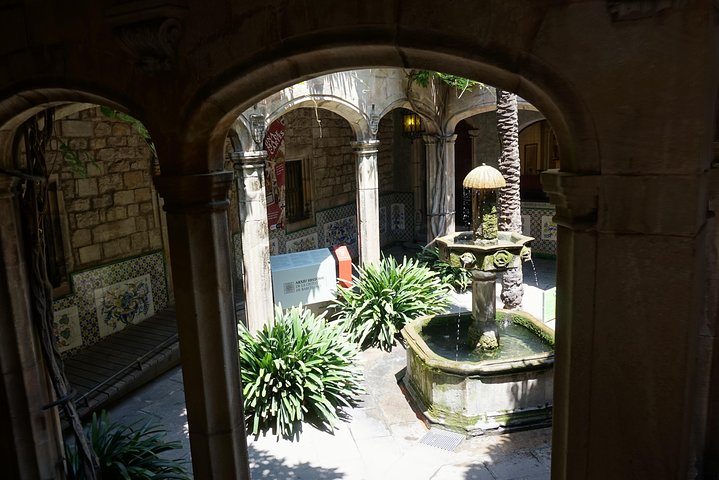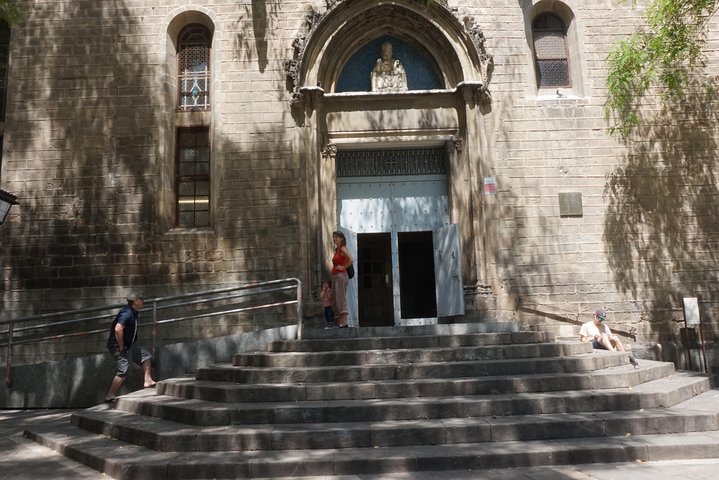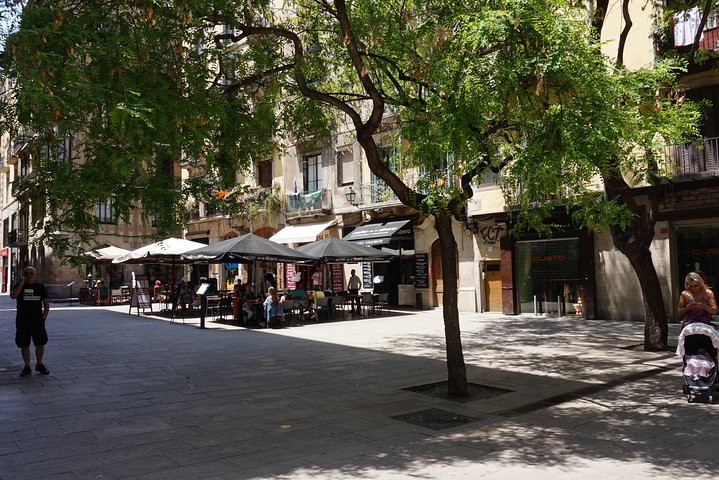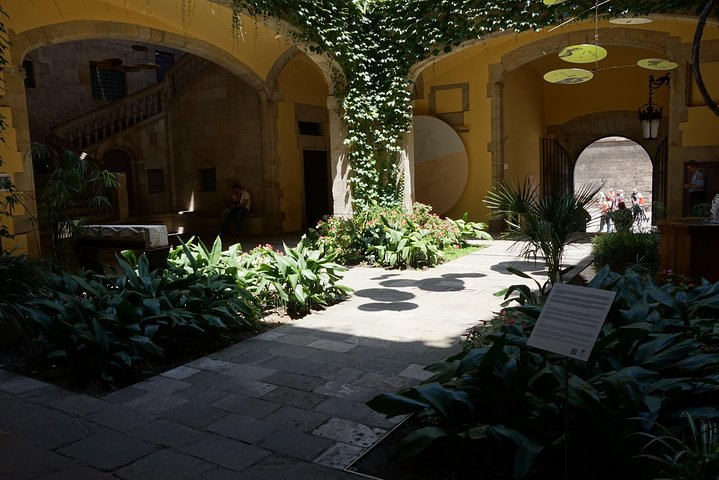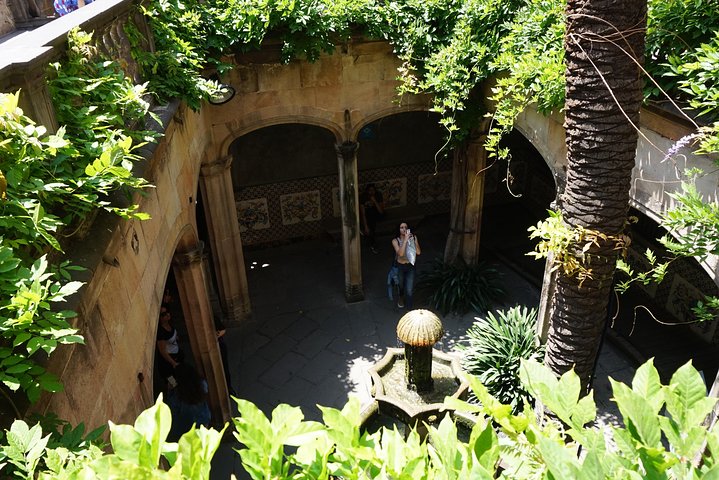
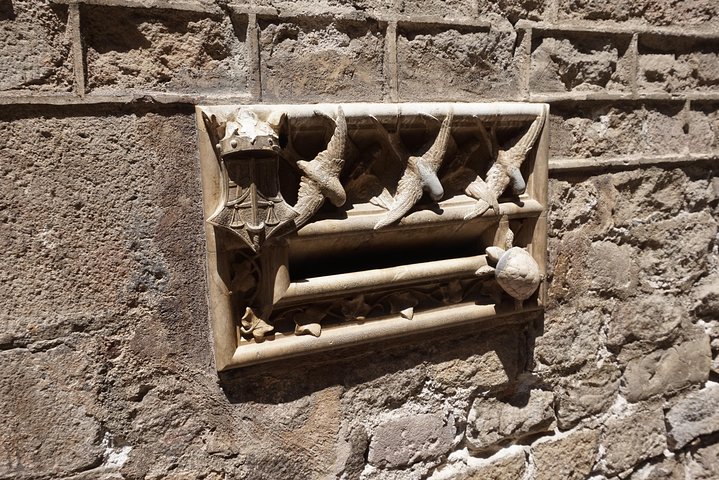
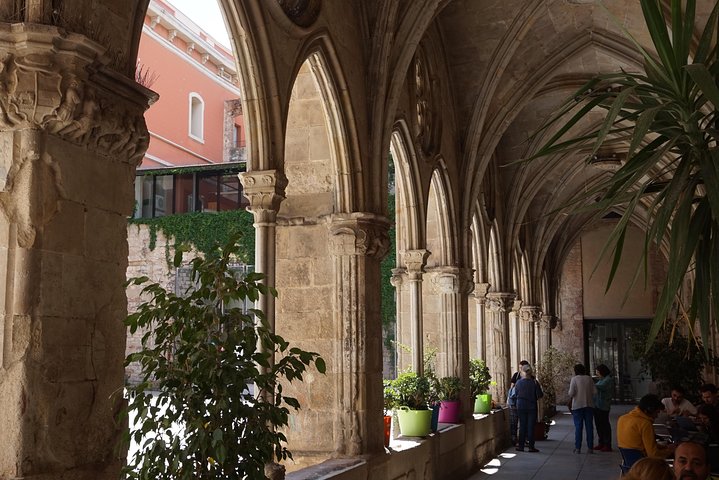
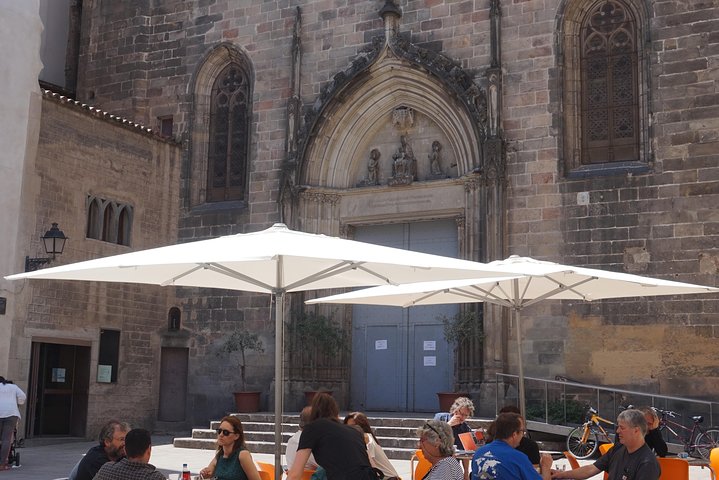
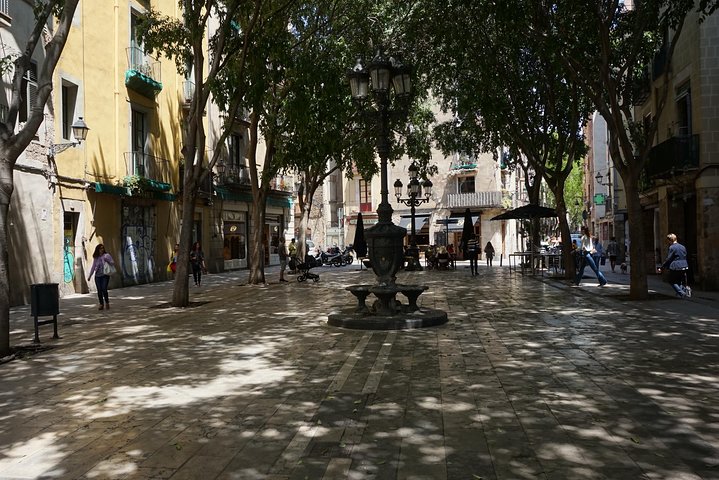
The Convent of Sant Agustí Vell began to be built in 1349, but due to the construction of the Fortress of the Ciutadella, the Augustinians had to abandon the place and between 1728 and 1750 created the new convent with its church. Most of the old convent today houses the Ciutat Vella Civic Centre, the Barcelona Photographic Archive and the Chocolate Museum. The Gothic Convent of San Agustín el Viejo conserves elements of the old convent, such as a wing of the sanctuary that was restored and a lateral part of the church.
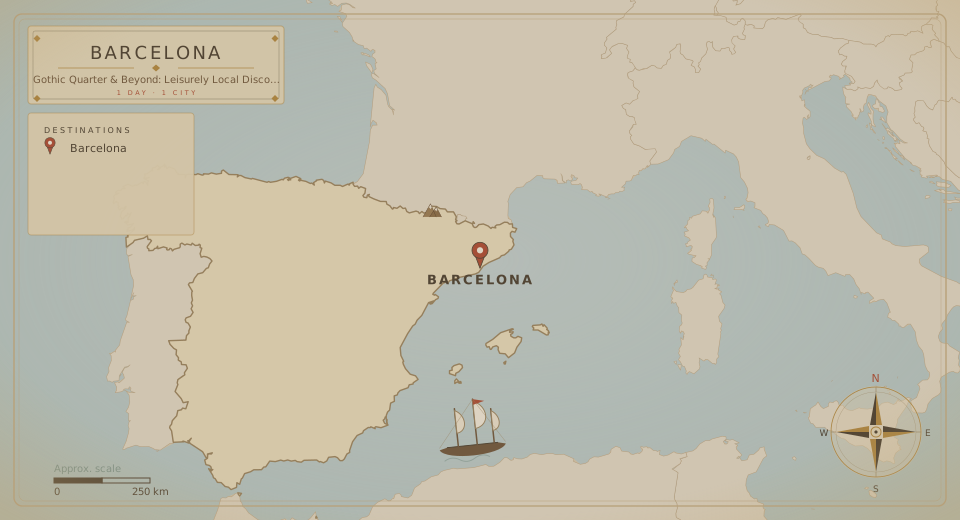
Spain · Heritage Walks
Gothic Quarter & Beyond: Leisurely Local Discoveries
The journey
- 01 Explore Barcelona’s Gothic Quarter at a relaxed, unhurried pace
- 02 Discover off-the-beaten-path heritage sites in Ciutat Vella
- 03 See Roman, Romanesque, Gothic, and modernist landmarks in one walk
- 04 Visit the area around the UNESCO-listed Palau de la Música Catalana
- 05 Find the hidden Temple of Augustus columns in a medieval courtyard
- 06 Learn the stories behind historic churches, convents, and chapels
- 07 End the tour in a unique place with coffee and an appetizer
Slow down and discover a different side of Barcelona on this leisurely walk through Ciutat Vella and the Gothic Quarter. Designed for travellers who want to explore without rushing, this experience focuses on heritage, local character, and lesser-known corners of the city, from medieval churches and convents to Roman remains hidden in quiet courtyards.
Along the way, uncover stories from Barcelona’s past at places such as Sant Agustí Vell, Sant Pere de les Puelles, the Temple of Augustus, the Palau de la Música Catalana, and the Museu Frederic Marès. With a professional guide leading the way, you’ll enjoy an authentic introduction to the city’s historic heart and finish in a unique spot where you can relax with a coffee and appetizer.
Slow down and discover a different side of Barcelona on this leisurely walk through Ciutat Vella and the Gothic Quarter.
From the itinerary
At a glance
What this trip includes
Day by day
The itinerary
The history of the ancient monastery of Sant Pere de Puelles dates back to 945 AD, the year of its consecration. At that time, it became Barcelona's first convent of Benedictine nuns. Throughout its history, Sant Pere de les Puelles has experienced many changes in fortune that have transformed the Romanesque building, which was built outside the city walls. The attacks by Arab troops, fires, and the expulsion of its religious community in the 19th century sealed its fate, and the nuns moved to a new, permanent site in Sarrià-Sant Gervasi in 1879.
An influential Barcelona citizen named Bernat Marcús will sponsor, among other things, the construction of a small chapel in 1166 to house travelers and also to act as a hospital for the poorest people in Barcelona. So initially this chapel of Romanesque style will have the name of Capella de la Mare de Deu de la Guia, being also in a right place since it was in the old Roman road that led to France.
Tradition has it that this is Barcelona's oldest church. Whether this is true or not, it is clear that this 14th-century building stands in one of the Gothic Quarter's most beautiful and least explored spots. Another example of the splendor of the city in the medieval era.
As you explore Barcelona's Gothic Quarter, you'll come across one of the city's best-kept secrets in a building on Carrer Paradís. Inside a small medieval courtyard, the four columns from the Temple of Augustus have survived despite the passing of the centuries. They are more than 2,000 years old, like Barcelona itself.
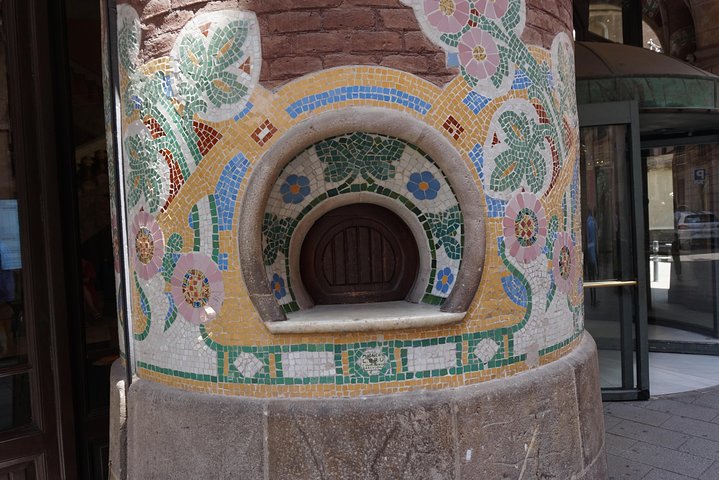
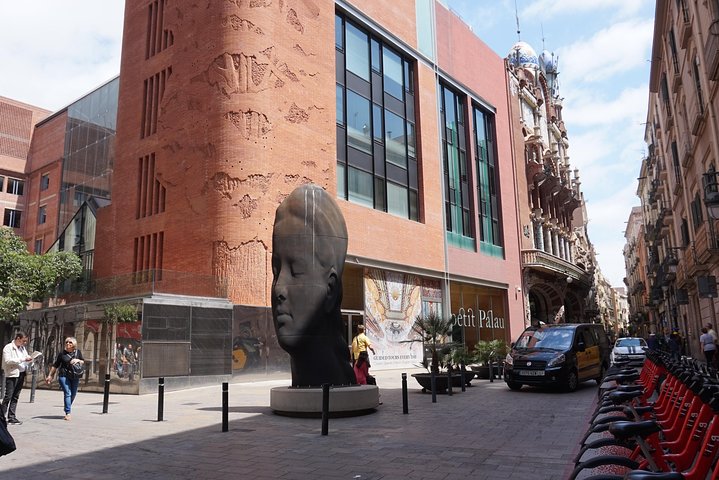
We invite you to discover the Palau de la Música Catalana, the only concert hall in the world to be declared a UNESCO World Heritage Site. It was designed by the architect Domènech i Montaner as the home of the Orfeó Català choir. Funded by public donations, the Palau is one of the most iconic examples of Catalonia's architectural and musical heritage.
The Museu Frederic Marès is located in the heart of Barcelona’s Gothic Quarter, in part of the former royal palace which was once home to the Counts of Barcelona. The museum includes an extensive and valuable collection of artworks and objects which Frederic Marès collected throughout his life.
The route
Where you'll travel
The fine print
Trip details
What's Included
- appetizer
- The tour ends in a unique place. You can ask the guide everything you want, having coffee
- Professional guide
Know before you go
- WHEELCHAIR ACCESSIBLE
- STROLLER OR PRAM ACCESSIBLE
- ANIMALS OR PETS ALLOWED
- PUBLIC TRANSPORTATION NEARBY
- INFANT SEATS AVAILABLE
- Infants must not sit on laps
- Not wheelchair accessible
- Wheelchair accessible
Logistics
Meeting & route
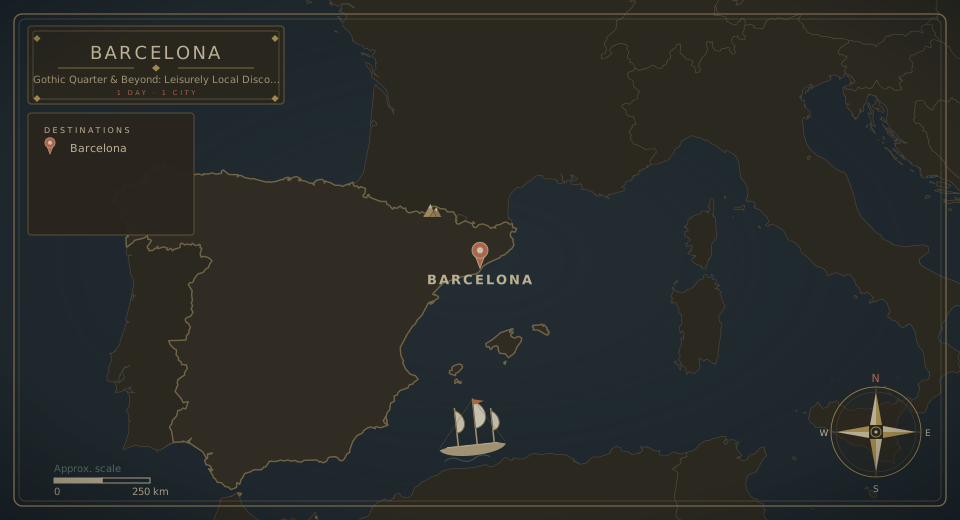
Your 4 hours finish where they began, in Barcelona.
Watch the film
Create your own adventure
Can't find the perfect tour? Tailor your dream trip.
- Tell us your destination, dates and group size.
- Our travel experts and local guides design a tailored itinerary, just for you.
- Enjoy your trip with peace of mind, knowing everything is taken care of.
Say goodbye to travel stress.