Temple and Heritage Sightseeing in Kathmandu Valley
Some important monuments to be seen in this area are:
The Taleju Temple, the tallest of all structures built by King Mahendra Malla in 1549 A.D.
The Jagannath Temple, built in the 16th century, is known for the fascinating erotic figures carved in its wooden struts.
Kala Bhairav, one of the largest 17th-century stone statues in Kathmandu, represents the terrifying aspect of Shiva.
The statue of King Pratap Malla is placed on top of a stone pillar right across from the temple of Digu Taleju, the royal family deity.
The 17th-century Kumari Temple, the temple of the living goddess, is an example of highly developed Nepali craftsmanship.
Kastamandap, from which Kathmandu derives its name, is said to have been built from the timber of a single tree.
Kathmandu Durbar Square is one of the three durbar, or royal palace, squares in the valley.
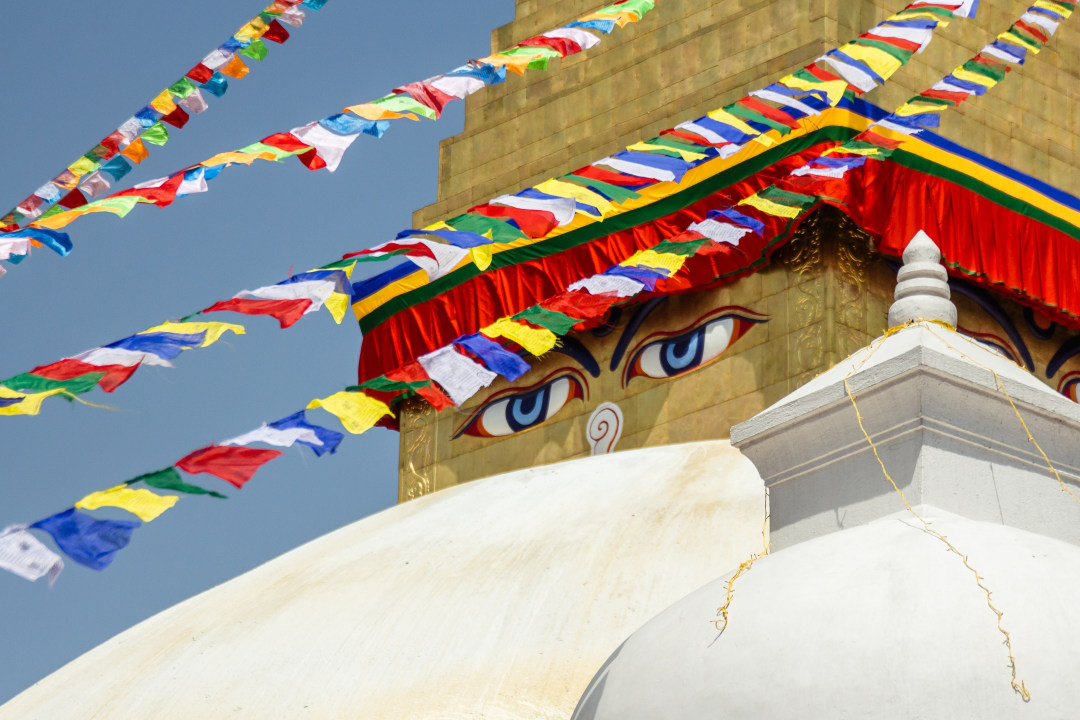
Boudhanath Stupa is the largest stupa in Nepal and is revered by both Tibetan and Newar Buddhists.
Swayambhunath (Monkey Temple) is one of the most glorious Buddhist stupas.
Pashupatinath is one of the most sacred temples in the entire Hindu world.
Patan Durbar Square boasts many famous sites and unique architectural treasures.
Bhaktapur Durbar Square is a conglomeration of pagoda- and shikhara-style temples, grouped around a fifty-five-window palace of brick and wood.
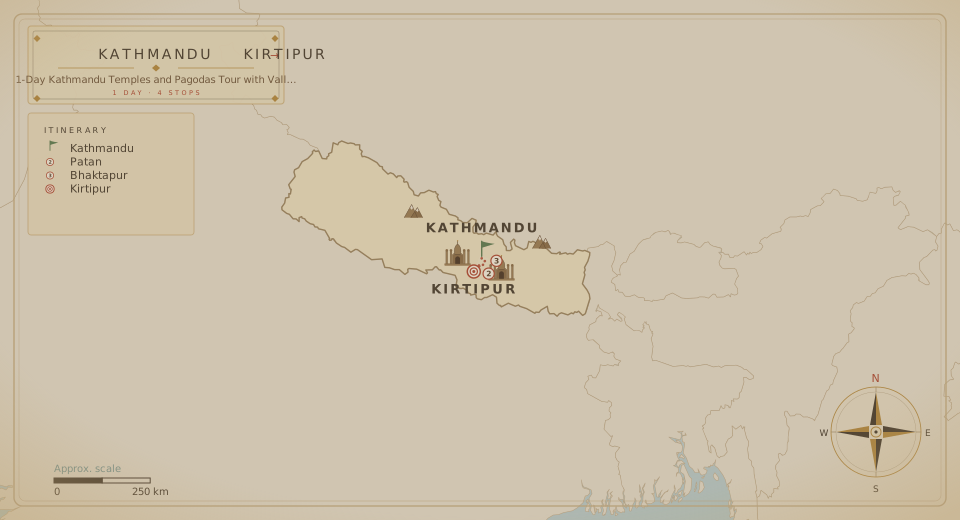
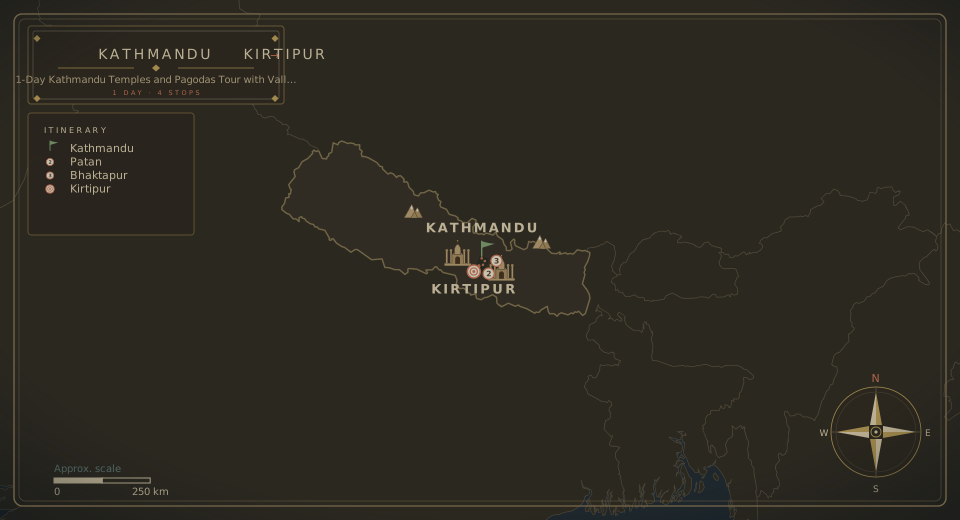
Kirtipur is a small town located 5 km southwest of Kathmandu.
Budhanilkantha, about eight kilometers north of Kathmandu at the base of Shivapuri Hill, features a remarkable colossal statue of Lord Vishnu reclining on a bed of snakes.