

8 hour gobustan & Ateshgah Fire Temple tour in baku
Highlights
Baku
historical, museums, sightseeing
Group Tour
8 Hours
Easy
English
Description
Aim to understand why Azerbaijan is called the 'Land of Fire' on this tour. Visit the Ateshgah Fire Temple and the fire mountain. Also, explore the Petroglyphs of Gobustan which are artistic chronicles of the past.
Itinerary
-
Gobustan + Ateshgah + Yanardagh
Explore Gobustan:
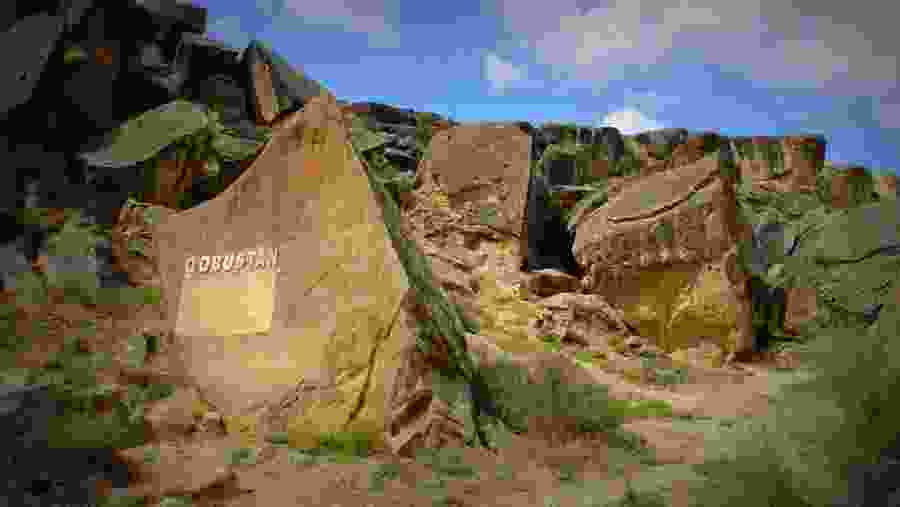
Gobustan National Museum.
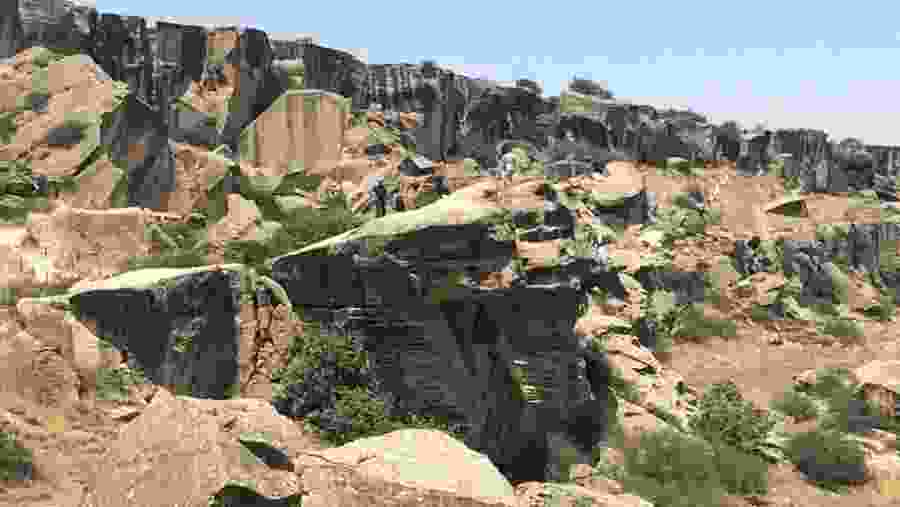
Museum of Petroglyphs, an outdoor museum ; The Petroglyphs of Gobustan are artistic chronicles of the past. They bear great importance both for the study of the pre-history of humanity and for the study of lots of spheres of primitive art: graphics, music, dance, stone processing, etc.
Mountains of Gobustan Beyukdash.
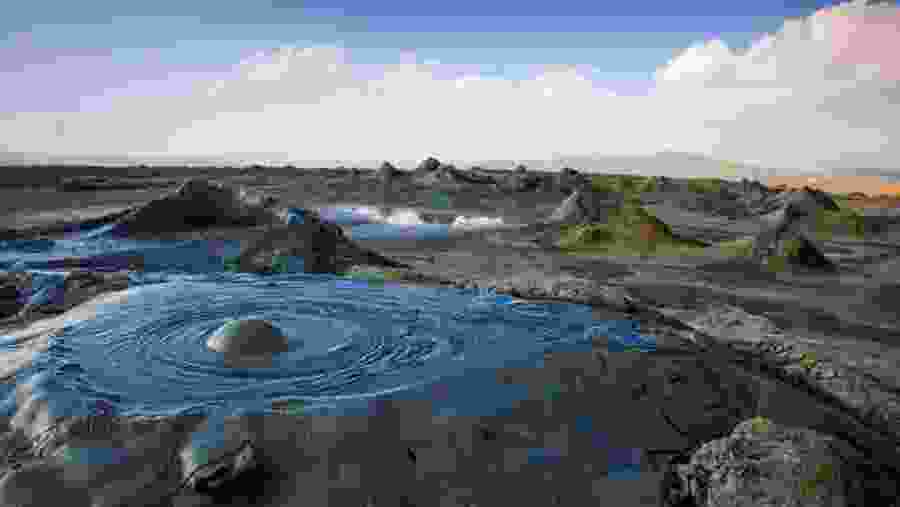
Mud Volcanoes.
Arrive at the Ateshgah Fire Temple (literally meaning Fire House), located 30 kilometers from the center of Baku, in the south-eastern outskirts of the Absheron Peninsula. It was revered at different times by Zoroastrians, Hindus and Sikhs. The current constructions of the temple date back to the XVII century. As a result of excavations, far more ancient artefacts were discovered here.
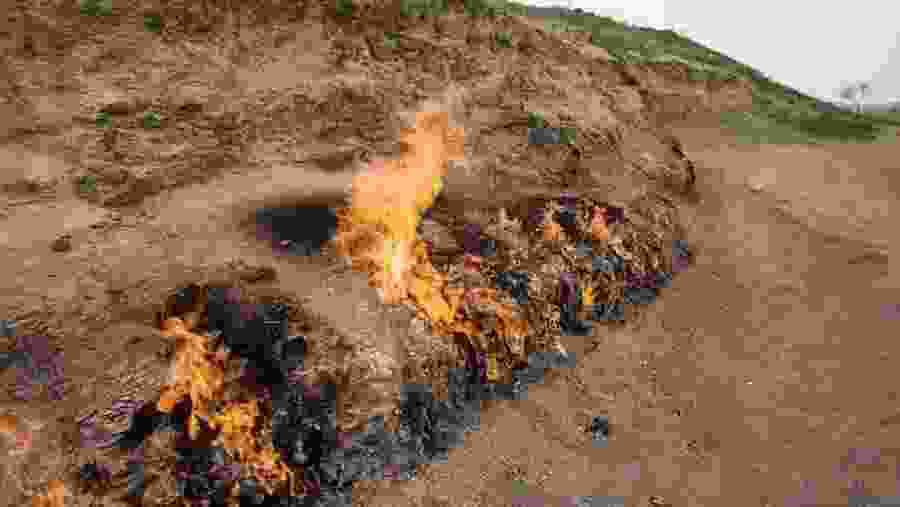
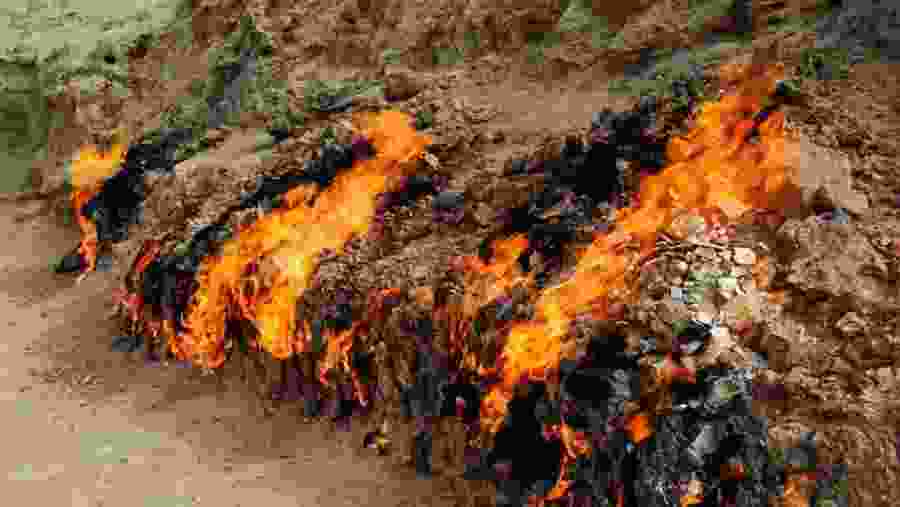
Head to Yanargah, the word "Yanar" in Azeri language means "burning", and "Dagh" - "mountain". And this is a real burning mountain. Once in Absheron, there had been a lot of places where natural gas coming out from the earth to the surface ignited spontaneously but with the start of mass extraction of oil and gas in Absheron, these places started to disappear. At present, it is the only place of the unique natural phenomenon - the output of natural gas to the surface.
- Learn many facts related to the temple of fire worshipers and the burning mountain and discover the true significance of calling Azerbaijan ‘land of fire’ as an experienced local (Azerbaijani) guide will accompany you.
What's Included
What's Excluded
Meeting Point
Cancellation Policy
-
For cancellations upto 2 days before the tour -
Refund of 80% of the tour price.