Tanzania · Safari

7-Day Tanzania Wildlife Safari with Serengeti and Ngorongoro Crater

7 Days Round trip from Arusha Easy pace

The journey

Trip highlights
  • 01 Explore Lake Manyara National Park, home to more than 350 bird species
  • 02 Learn about the Big Five in Serengeti National Park
  • 03 Visit Ngorongoro Crater, the world's largest inactive, intact, and unfilled volcanic caldera
  • 04 Explore Tarangire National Park, famous for its elephant migration

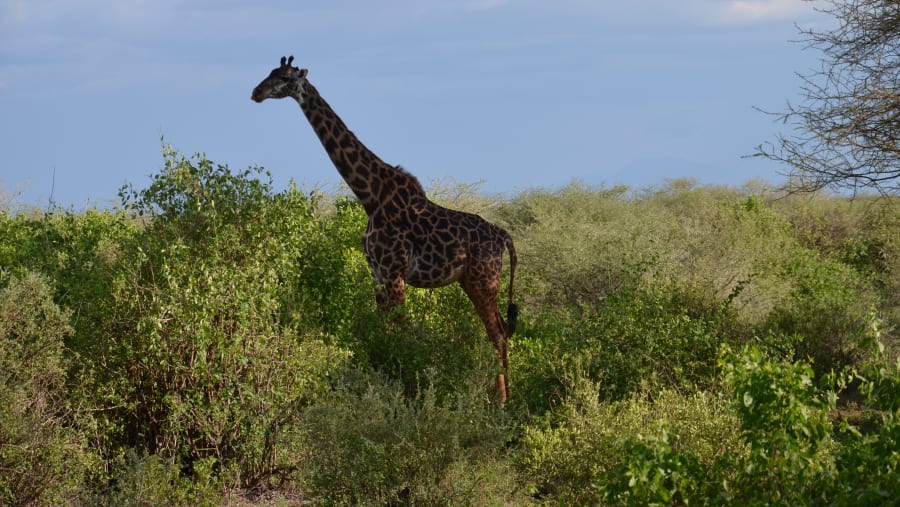
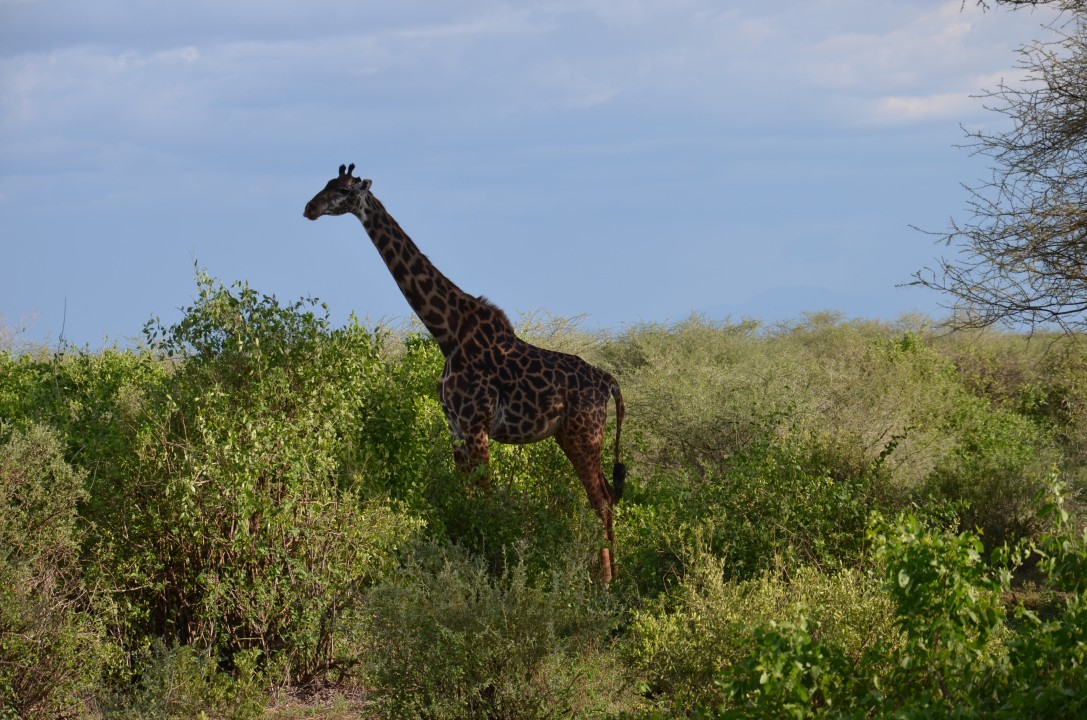
Go for an experience of a lifetime as you visit Tanzania's wildlife in both hunt and play. See a remarkable variety of flora and fauna while taking in the beauty of the land. Experience the quintessential African safari, admiring the wildlife and the stunning skies on this 7-day tour.

Go for an experience of a lifetime as you visit Tanzania's wildlife in both hunt and play.

From the itinerary

At a glance

What this trip includes

Duration 7 Days
Tour type Shared
Activity level Easy
Accommodation Included · Standard
Transport Included
Wheelchair access Not applicable
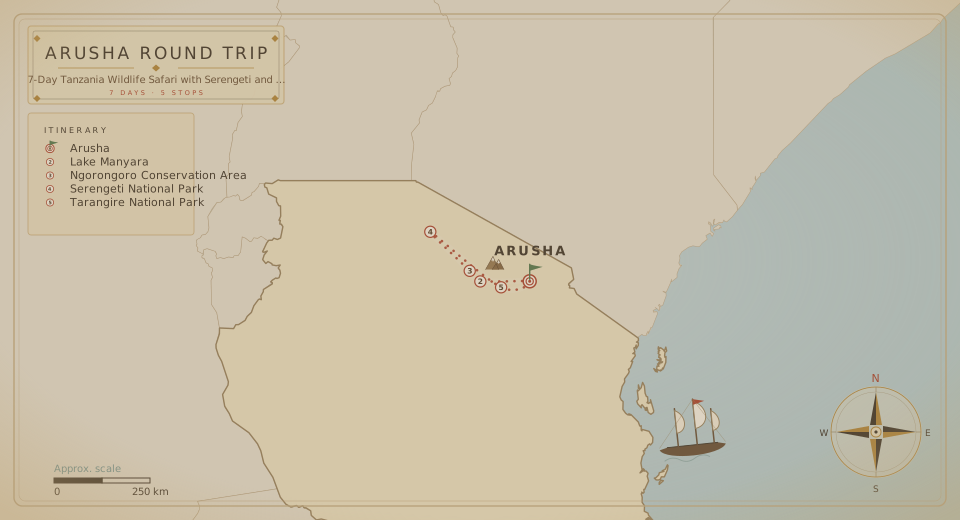
Cities Arusha, Moshi, Serengeti National Park, Ngorongoro Conservation Area, Lake Manyara, Tarangire National Park
Languages English

Day by day

The itinerary

1
Day 01

Arusha to Lake Manyara National Park

  • Meet your professional tour guide/driver in Arusha town for a short safari briefing.

  • Travel to Lake Manyara National Park, arriving in time for lunch at the lodge.

  • After lunch, head into Lake Manyara National Park, one of Tanzania's most dramatically located wildlife areas, consisting of a massive but shallow soda lake covering two-thirds of the park at the foot of the Great Rift Valley's western escarpment.

  • The park's varied habitat attracts a wide variety of animals, including one of Africa's largest concentrations of elephants, Manyara's famous tree-climbing lions, as well as large flocks of flamingos drawn by the algae in the lake.

Dinner and overnight as per the standard and type of accommodation option requested.

Non-game-viewing travel time: 2 1/2 hours | Distance: 130 km

2
Day 02

Lake Manyara to the Serengeti Plains

  • After breakfast, head towards Serengeti National Park via the beautiful high-lying farmland of Karatu and the Ngorongoro Conservation Area.

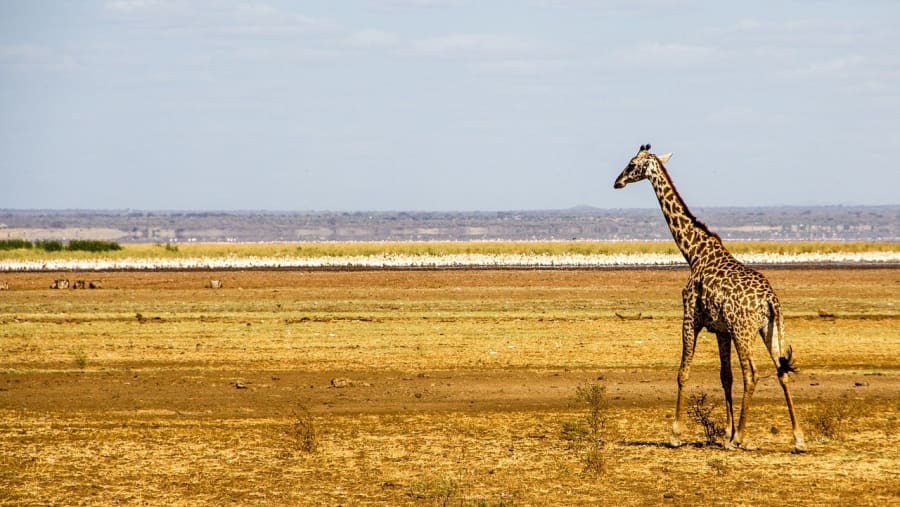
  • Leaving the highlands behind, descend into the heart of wild Africa - Serengeti National Park - with its endless plains rolling into the distance as far as the eye can see.

  • Continue to the central park area, known as the Seronera area, one of the richest wildlife habitats in the park, featuring the Seronera River. This river provides a valuable water source to the area and therefore attracts wildlife representative of most of the Serengeti's species.

  • Arrive in time for lunch and enjoy an afternoon game drive.

Dinner and overnight as per the standard and type of accommodation option requested.

Non-game-viewing travel time: 6 hours | Distance: 205 km

3
Day 03

Serengeti Plains Game Drives

  • Be one of only a few fortunate people to glide in a hot air balloon over the Serengeti Plains, available at supplementary cost by pre-arrangement. Float silently above the awakening bush while spotting wildlife and enjoying the amazing scenery of Africa, across rivers and over numerous small villages.

  • After breakfast, head for a game drive along the Sogore River Circuit, which loops into the plains south of the Seronera River and is good for possible lion, Thomson gazelle, topi, ostrich, and cheetah sightings.

  • Visit the Visitor Centre close to the Serengeti Seronera Lodge and public campsites after the morning game drive. This nicely designed centre offers interesting wildlife displays as well as a gift shop selling information leaflets and maps of the area. The centre also has a shop where cold drinks and snacks can be purchased, along with a picnic area and an information trail up and around a nearby kopje.

  • Enjoy a relaxed picnic lunch at the centre in the shade of the giant acacia trees.

  • In the afternoon, follow the Kopjes Circuit, which goes anti-clockwise around the Maasai Kopjes and usually attracts a number of lions and some formidably large cobras. Kopjes are weathered granite outcrops scattered around the plains, many of which are miniature ecosystems that provide shade and drinking water in pools left in the rock after the rains. This makes the kopjes particularly good for spotting wildlife in the dry seasons, including lions that like to lie in wait for animals coming to drink.

Dinner and overnight in the Seronera area, as per the standard and type of accommodation option requested.

4
Day 04

Serengeti Plains to Ngorongoro Crater

  • After breakfast at the lodge, depart for the Ngorongoro Conservation Area.

  • Make a stop at Olduvai Gorge, boasting a history dating back to the dawn of time. It was here that the anthropologists Drs. Lois and Mary Leakey discovered the skulls of 'Nutcracker Man' and 'Handy Man', both very significant links in the chain of human evolution.

  • Arrive in time for lunch at the lodge and, after lunch, descend over 600 meters into the crater to view wildlife on a half-day safari.

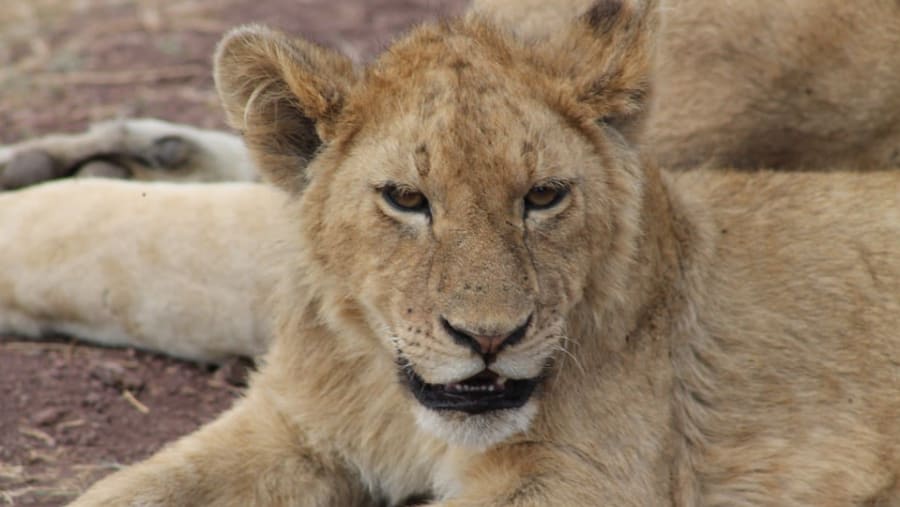
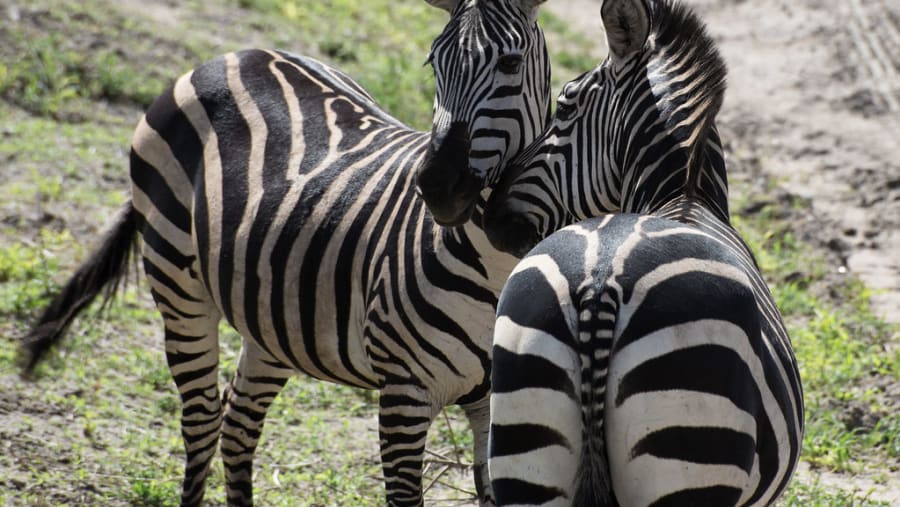
  • Witness a wide variety of animals, including herds of wildebeest, zebra, buffalo, eland, warthog, hippo, and giant African elephants. Another big drawcard to this picturesque national park is its dense population of predators, including lions, hyenas, jackals, cheetahs, and the ever-elusive leopard, which sometimes requires a trained eye to spot.

  • Visit Lake Magadi, a large but shallow alkaline lake in the southwestern corner, which is one of the main features of the crater. A large number of flamingos, hippos, and other water birds can usually be seen here.

Dinner and overnight as per the standard and type of accommodation option requested.

Non-game-viewing travel time: 4 hours | Distance: 145 km

5
Day 05

Full-Day Ngorongoro Crater Safari

  • After breakfast, descend 600 m into this magnificent crater for a full-day game drive. The Ngorongoro Crater is one of the most densely crowded African wildlife areas in the world and is home to an estimated 30,000 animals, including some of Tanzania's last remaining black rhino. Supported by a year-round water supply and fodder, Ngorongoro National Park supports a wide variety of animals.

  • Look out for wildebeest, zebra, buffalo, eland, warthog, hippo, and giant African elephants. Another big drawcard to this picturesque national park is its huge population of predators, which includes lions, hyenas, jackals, cheetahs, and the ever-elusive leopard.

  • Enjoy a picnic lunch on the crater floor.

Dinner and overnight in the Tarangire National Park area, as per the standard and type of accommodation option requested.

6
Day 06

Ngorongoro Crater to Tarangire National Park

  • After breakfast, head to Tarangire National Park for a morning game drive. The park runs along the line of the Tarangire River and is mainly made up of low-lying hills on the Great Rift Valley floor. Its natural vegetation mainly consists of acacia woodland and giant African baobab trees, with huge swamp areas in the south. Both the river and the swamps act like a magnet for wild animals during Tanzania's dry season.

  • Note that the national park contains some of the largest elephant herds in Africa. This African national park is also home to three rare species of animals - the greater kudu, the fringed-eared oryx, as well as a few ashy starlings.

Dinner and overnight in the Tarangire National Park area, as per the standard and type of accommodation option requested.

Non-game-viewing travel time: 3 1/2 hours | Distance: 155 km

7
Day 07

Tarangire National Park to Arusha or Moshi

  • Enjoy breakfast, after which head back to Arusha.

  • Upon arrival in Arusha, have lunch and then end the African safari adventure.

Non-game-viewing travel time: 2 hours | Distance: 120 km

Serengeti Plains, Ngorongoro Crater, Lake Magadi, Tarangire National Park baobab woodlands

Where this trip takes you

Serengeti Plains, Ngorongoro Crater, Lake Magadi, Tarangire National Park baobab woodlands

The route

Where you'll travel

Tour route map
Round trip from Arusha 6 cities · 7 Days

The fine print

Trip details

What's Included

  • Transport in 4x4 Toyota Land Cruisers with pop-up roof for game viewing

  • Park entry fees

  • Government fees and taxes

  • 18% VAT on tour fees and services

  • Full-board accommodation whilst on safari in the above-mentioned suite tented camps and lodges

  • Ngorongoro Crater service fee

  • Private, English-speaking Tanzania safari guide

  • All meals while on safari

  • Enough bottled mineral water throughout the safari

  • Transfers to and from the international airport and Moshi

  • 3-man tents for 2 people, chairs, tables, and sleeping mats (camping safari)

What's Not Included

  • Alcoholic beverages, sodas, and items of a personal nature

  • Laundry service

  • Pre- and post-safari accommodation in Moshi / Arusha

  • Flights

  • Travel insurance

  • Other safari add-ons

  • Optional tours (balloon rides in Serengeti: USD 550 per person, etc.)

  • Tips to the driver guide and cook. Tipping is per group, not per person.

  • Driver guide: $20/day

  • Cook: $10/day (for budget camping safari)

What to bring

  • Passport valid for at least six months after departure

  • Visa fee payment and supporting travel documents, if required for your nationality

  • Cash in Euros, Pounds, or U.S. Dollars for exchange, plus a credit card if preferred

  • Anti-mosquito repellent with a high percentage of DEET

  • Copies of important documents

  • A Swahili-to-English phrasebook, if desired

Know before you go

  • A passport is required and must still be valid for at least six months after the date of departure. A visa is required and costs approximately EUR 50.00 or USD 50.00 per person. The visa can be obtained at the Tanzania Embassy in your country or upon arrival at one of Tanzania's international airports, although this is not applicable to all nationalities. For a visa application in Tanzania, you do not need a photograph or a copy of a ticket, which are required by embassies.

  • The currency in Tanzania is the Tanzanian Shilling. You can take cash in Euros, Pounds, or Dollars and exchange these at the airport or in your hotel or lodge for Tanzanian Shillings. In many places, such as accommodations or souvenir shops, people prefer payment in U.S. Dollars; change is usually given in U.S. Dollars or Tanzanian Shillings at a normal exchange rate. In most places, payments by credit card are also accepted. In bigger cities, there are opportunities to withdraw money from ATMs, but when you are on safari, there is often no opportunity, so it is better to make arrangements in advance. When buying a souvenir in Tanzania, it is customary to bargain for a good price with the seller.

  • When you travel to Tanzania, there are no mandatory vaccinations, but some are strongly advised.

    DTP (Diphtheria, Tetanus, and Polio): If you were previously vaccinated, such as in childhood, it is sufficient to have one injection every 15 years. If not, you should get two DTP injections with at least an interval of four weeks before you leave and receive the third one after six months. The duration of protection is 15 years.

  • Yellow fever: The injection must be obtained at least 10 days before departure. The duration of protection is 10 years. When you travel to multiple destinations in Africa, proof of vaccination is mandatory.

  • Hepatitis A: One vaccination gives protection for a year and is best obtained two weeks before departure. When another vaccination is administered six months after the first one, the protection lasts 10 years.

    It is also increasingly advised to include Hepatitis B on your vaccination list. Most of Tanzania is also considered a malaria area, and you can take various types of anti-malarial drugs for prevention. Recommendations may change, so it is important to speak to a specialist for the exact information that applies to you.

    By far the best way to prevent malaria is to make sure mosquitoes cannot bite you. We recommend bringing a good anti-mosquito repellent with a high percentage of DEET. For the tours we organize, it is not necessary to bring a mosquito net unless specifically stated otherwise.

  • Internet: Tanzania is a country where internet is available in many places, and using the web is integrated into daily life. At various accommodations, you can use a computer with internet access, but the speed may not always be what you are used to. When you are really on safari, keep in mind that you often cannot make use of the internet.

    Mobile telephones: In Tanzania, there are three different networks, which together have created a fairly strong network. It is surprising that even in the Serengeti or other remote areas you can sometimes be reached by mobile phone. However, if you travel to remote areas, do not count on network coverage. In and around cities, you usually have excellent opportunities to make a mobile telephone call. When you arrive in Tanzania, you can buy a mobile SIM card at the airport and make calls in East Africa at a good price.

    International calls: If you want to call abroad during your visit to Tanzania, it can be quite expensive, especially from hotels. It is often a better idea to call using your own mobile phone.

  • The official Tanzanian currency is the Tanzanian Shilling. There are coins for 50, 100, and 1000 shillings, and notes for 500, 1000, 2000, 5000, and 10,000 shillings.

    The U.S. Dollar is widely used but may not be accepted in some establishments. It is also important to note that most businesses that do accept U.S. currency will not do so if it is torn or wrinkled.

    Notes must not be older than 2006, as local businesses will automatically reject these due to a past counterfeiting problem.

  • Tanzania is one of the safest countries in East Africa, but you can never be too careful when you're on the road. While safari areas are generally very safe, the country is no stranger to criminal activity. Like any other country in the world, there is always some risk of theft.

  • It is advisable to listen closely to your guide's advice at all times, and that is especially true in some urban areas. Either leave your valuables, such as electronics, credit cards, and documentation, in your hotel room safe or carry them with you in concealed inner pockets.

  • Do not flaunt your valuables in public, as this may draw unwanted attention. Pickpockets are particularly active in heavily touristed areas, so it pays to be cautious in cities and places popular with tourists.

    It is always a good idea to make copies of all your important documents and keep them in your luggage.

  • Tanzania has two official languages: Swahili and English. Swahili, which has its origins in Zanzibar, is the most commonly spoken language in both Tanzania and Kenya.

    English is widely spoken; however, you may wish to bring along a Swahili-to-English phrasebook to help with the basics. Locals always appreciate it if you know a little Swahili.

Logistics

Meeting & route

Meeting point
Arusha, Tanzania
Tour start
Arusha, Tanzania
Tour ends at the same location as the start point.
End of the journey

Your 7 days finish where they began, in Arusha.

Watch the tourHQ film Watch the film

Create your own adventure

Can't find the perfect tour? Tailor your dream trip.

  • Tell us your destination, dates and group size.
  • Our travel experts and local guides design a tailored itinerary, just for you.
  • Enjoy your trip with peace of mind, knowing everything is taken care of.
Plan my holiday

Say goodbye to travel stress.

Starting from

USD 2,030 /person
Book This Tour

When

Travellers

Total