4. Food and drinking water
During your camping safari, meals are freshly prepared by your safari cook.
Breakfast is usually served at the campsite or as a packed breakfast.
Lunch is provided as a picnic during game drives.
Dinner is freshly prepared at the campsite.
Vegetarian, vegan, halal, and other dietary requirements can be arranged if communicated in advance.
Drinking water is provided throughout the safari.
5. Bathroom and shower facilities
Bathrooms are shared with other travellers.
Some campsites have hot showers, while others offer basic facilities.
Carry your own toiletries, towel, and toilet paper.
Facilities can be basic, particularly in remote wilderness areas.
6. Electricity and internet connectivity
Tanzania's national parks are remote wilderness destinations, so electricity and mobile network coverage can be limited.
Mobile network coverage varies depending on your location.
Wi-Fi is not guaranteed at campsites.
Bring a power bank for charging phones and cameras.
Our safari vehicles are equipped with charging facilities, subject to vehicle power availability.
Carry spare camera batteries and memory cards.
7. Wildlife and camping safety
Camping in wildlife areas is an unforgettable experience, but it is important to respect nature and follow safety instructions.
Never walk around the campsite alone at night.
Do not leave your tent without checking with your guide or camp staff.
Never feed or approach wild animals.
Keep food properly stored and follow campsite instructions.
Always follow your safari guide's advice.
Children should always be supervised.
Wild animals are free to move around designated camping areas. Always remain alert and follow park regulations.
8. Safari vehicle and game drives
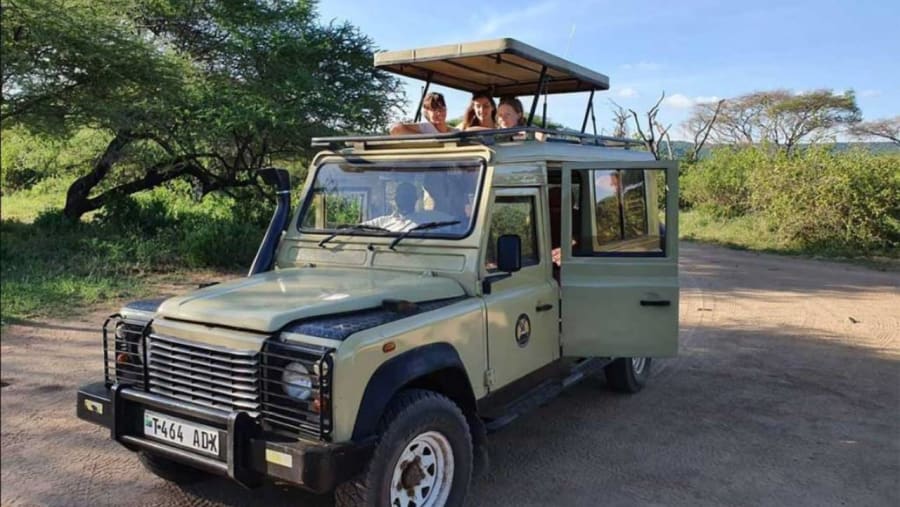
Our camping safaris are conducted in specially designed 4x4 Toyota Land Cruisers with pop-up roofs, providing excellent opportunities for wildlife viewing and photography.
Comfortable individual seats and good wildlife viewing.
Pop-up roof for open-air game viewing.
Charging facilities for electronic devices.
Professional and experienced safari driver-guide.
Bottled drinking water during game drives.
Ample space for personal luggage, subject to group size.
9. Health, travel insurance and vaccinations
Before travelling to Tanzania, consider the following:
Consult your doctor or travel clinic about recommended vaccinations.
Discuss malaria prevention and suitable medication.
Bring personal prescription medicines.
Obtain comprehensive travel insurance covering medical emergencies and evacuation.
Keep your travel documents and emergency contacts accessible.
Health requirements depend on your country of origin, travel history, and personal circumstances.
10. Best time for a Tanzania camping safari
Period
What to expect
January-March
Warm weather, green landscapes and calving season in southern Serengeti
April-May
Long rains, lush scenery and potentially muddy roads
June-October
Dry season, excellent wildlife viewing and cooler nights
November-December
Short rains, green scenery and good birdwatching
The best time depends on your preferred wildlife experiences and the parks you intend to visit.
11. What is included in a camping safari?
Before booking, always check exactly what your safari package covers.
Usually included:
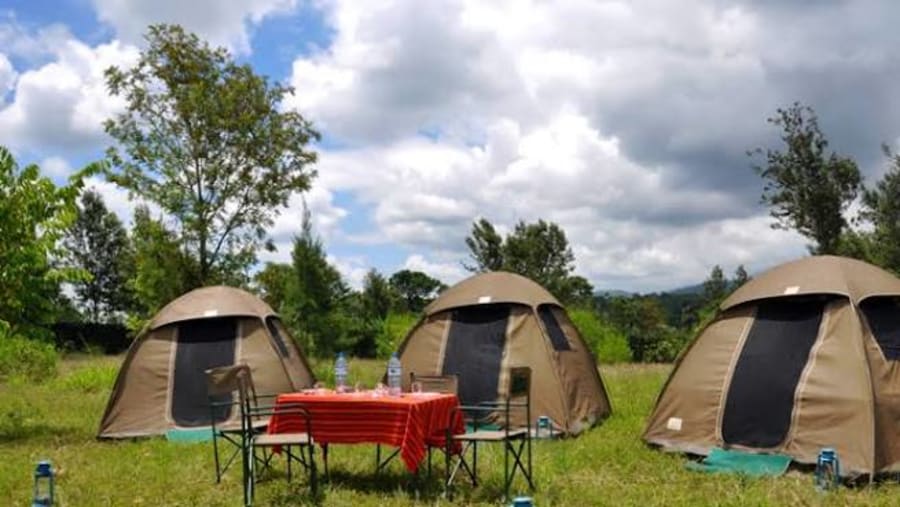
Accommodation in designated campsites.
Camping tents and sleeping equipment.
Professional safari guide.
Safari cook.
Meals during the safari.
4x4 safari vehicle.
Park entry and applicable camping fees, as specified in the quotation.
Drinking water.
Usually excluded:
International and domestic flights.
Tanzania visa.
Travel insurance.
Tips for the safari crew.
Personal expenses.
Alcoholic and soft drinks unless specified.
Optional activities such as balloon safaris.
12. Respect nature and responsible tourism
Help protect Tanzania's beautiful wildlife and natural environment.
Never litter in national parks.
Avoid disturbing animals.
Respect local communities and their cultures.
Follow park regulations.
Support responsible tourism operators and conservation initiatives.