Passport & visa - Ensure your passport is valid for the required period and obtain the appropriate Ugandan visa before travel, where applicable.
Yellow fever certificate - Travelers should carry a valid yellow fever vaccination certificate, as it may be required for entry.
Travel insurance - Comprehensive travel insurance covering medical emergencies, evacuation, baggage, and trip cancellation is strongly recommended.
Weather & clothing - Uganda has a generally warm climate, but temperatures vary by region. Pack lightweight clothing, a rain jacket, warm layers, comfortable walking shoes, and a hat.
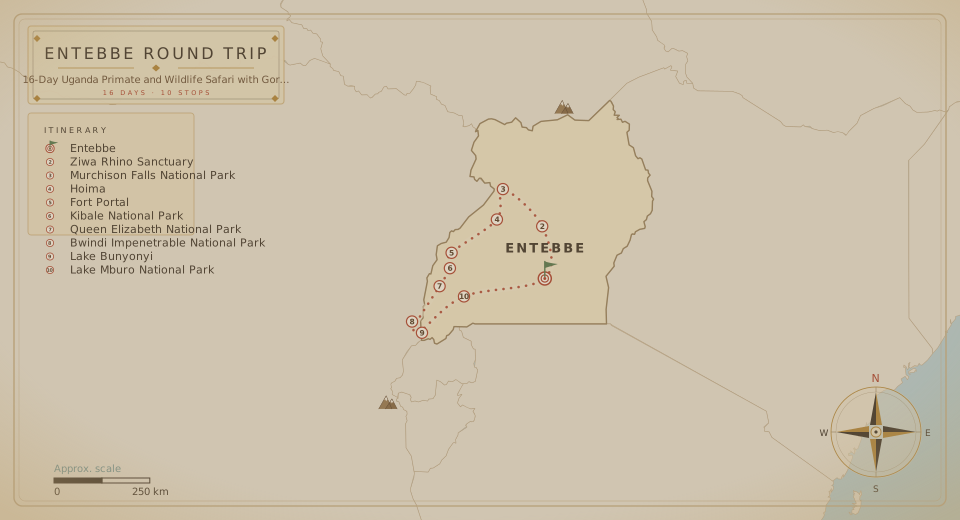
Gorilla trekking - If your itinerary includes Bwindi or Mgahinga, a gorilla trekking permit is essential. Trekking can be physically demanding, so reasonable fitness is recommended.
Safari footwear - Bring sturdy, comfortable, waterproof hiking shoes for forest walks, gorilla trekking, nature walks, and mountain activities.
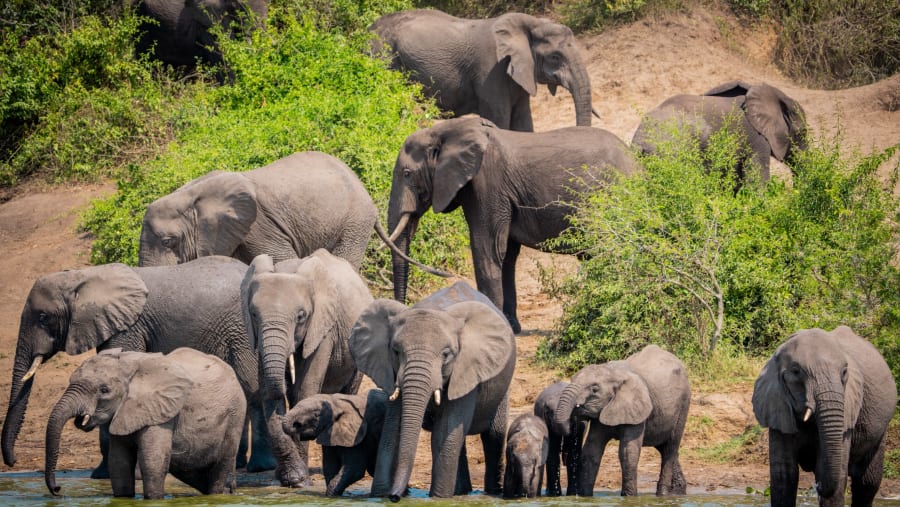
Wildlife viewing - Game drives involve spending several hours in a safari vehicle. Wildlife sightings are never guaranteed, but Uganda offers excellent opportunities to see elephants, lions, buffaloes, hippos, antelopes, primates, and many bird species.
Respect wildlife - Maintain a safe distance from animals, follow your guide's instructions, avoid feeding wildlife, and do not make unnecessary noise.
Photography - Bring a camera, extra memory cards, and spare batteries or a power bank. Avoid using flash when photographing wildlife and primates unless your guide advises otherwise.
Money - Uganda uses the Ugandan Shilling (UGX). Carry some local currency for small purchases, tips, souvenirs, and places where card payments may not be available.
Internet & communication - Mobile network coverage is good in many towns but can be limited in remote safari destinations and national parks. Consider having mobile data available for communication.
Food & drinking water - Drink treated or bottled water and inform the company in advance about allergies or special dietary requirements.
Health precautions - Consult a qualified travel-health professional before departure about recommended vaccinations and malaria prevention for your trip.
Cultural respect - Uganda is culturally diverse and welcoming. Dress respectfully when visiting communities, religious sites, and cultural attractions, and always ask permission before photographing people.
Road travel - Uganda safaris can involve long journeys between destinations. Roads and travel times can vary, so patience and flexibility are important.
Tipping - Tips are not compulsory, but they are a welcome way to recognize excellent service from guides, drivers, porters, hotel staff, and other service providers.
Luggage - Soft-sided luggage or duffel bags are often more convenient than large hard suitcases, especially when moving between safari destinations.
Emergency contacts - Keep your accommodation information, travel insurance details, and emergency contacts accessible throughout your journey.
Be flexible - Safari schedules may occasionally change because of weather, road conditions, wildlife movements, park regulations, or other circumstances beyond the operator's control.
Enjoy the experience - Most importantly, come prepared for adventure. Uganda offers spectacular landscapes, wildlife, forests, mountains, lakes, cultures, and warm hospitality.