
Full Day Pegasus Bridge , Airborne & Sword Beach tour, starting Bayeux
British 6th Airborne & Sword Beach Tour
At just past midnight on D-Day, gliders carrying the British 6th Airborne Division began landing silently in the fields of Normandy, launching one of the most daring operations of the Second World War. This tour follows their story from Pegasus Bridge through to Sword Beach, tracing one of the most complete and dramatic days of the entire Normandy campaign.
Pegasus Bridge
The glider assault on Pegasus and Horsa Bridges stands as one of the most daring and courageous actions of WWII. Led by Major John Howard, D Company of the 2nd Battalion, Oxfordshire and Buckinghamshire Light Infantry, spearheaded the very start of the D-Day invasion, tasked with capturing both bridges intact and holding them until relieved. It remains one of D-Day's most successful missions: both bridges were seized within minutes, and held. Supported by the 7th Parachute Battalion to the west, the 12th to the south, and the 13th to the east, the defenders fought off repeated attempts by the 21st Panzer Division to retake the crossing.
Le Port & Bénouville
Visit the villages defended by the 7th Parachute Battalion as they held off German counterattacks throughout D-Day, buying time for the arrival of Lord Lovat's Commandos advancing from Sword Beach, along with the first seaborne infantry reinforcements.
Pegasus Memorial Museum
For a small fee of €6, visit what many guides consider the finest museum in Normandy. Its collection is extraordinary, including the original Pegasus Bridge itself, preserved as the centrepiece of the exhibition.
Ranville & Ranville War Cemetery
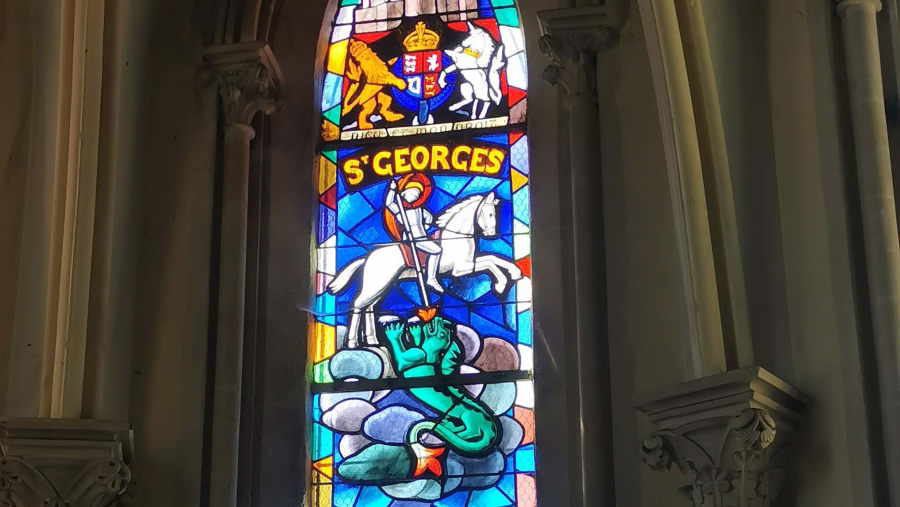
Ranville was the first town liberated by the 13th Parachute Battalion, 6th Airborne Division. Visit the positions held by the 12th Battalion at Bas de Ranville as they fought to hold off German counterattacks, then walk through Ranville War Cemetery, a truly moving experience among the graves of more than 2,400 soldiers. In the churchyard cemetery nearby, see where the first casualties were buried, including Lieutenant Den Brotheridge, widely regarded as the first Allied soldier killed by enemy fire on D-Day, shot at Pegasus Bridge in the opening moments of the invasion. The church's stained glass windows, added in tribute to the men of the 6th Airborne, are among the most beautiful in the region.
Bréville Ridge & Château St-Côme
Whoever held Bréville Ridge held the high ground over the entire battlefield, and both sides knew it. This area saw some of the hardest fighting of the first days of the invasion, as the 6th Airborne and Lord Lovat's 1st Special Service Brigade held off wave after wave of German attacks. The views over the battlefield from the ridge are outstanding. Bréville was finally liberated on 12 June, by which point the village had been almost completely destroyed.
Sword Beach
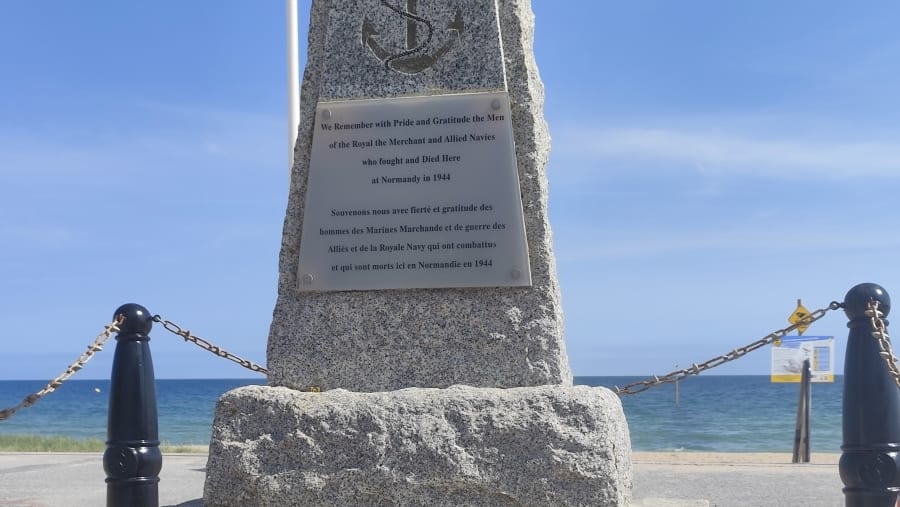
The most eastern of the D-Day beaches and closest to Caen, Sword Beach was also the most heavily defended in Normandy, and the only beach to face a counterattack by a German armoured division on D-Day itself. Visit the landing sites of the 3rd Infantry Division and supporting commando units, and hear how they fought their way through layered German defences and held off the 21st Panzer Division's advance. At WN16 "Hillman," the former German regimental headquarters, the views over Sword Beach are stunning, and you'll hear how the position was ultimately captured by the 1st Suffolk Battalion.