7-Day Botswana Photographic Safari with Bush Flights and Editing Labs

7 Days Round trip from Maun Challenging pace

The journey

Trip highlights
  • 01 Scenic bush flights with aerial landscape photo opportunities
  • 02 Sunrise and sunset game drives timed for golden light and peak predator activity
  • 03 Photographer-focused guiding with vehicle positioning to match your subject and the sun
  • 04 Structured post-processing, image review, and RAW editing sessions in camp
  • 05 Night-sky photography opportunities, including Milky Way shooting on clear evenings

Capture Botswana at its most cinematic on this 7-day photographic safari, designed around the best light and the best wildlife moments. Begin with a scenic bush flight into the wilderness, where your first transfer doubles as a ready-to-shoot game drive with your camera gear secured for dust and easy access. Each day follows a photographer-friendly rhythm, with pre-dawn departures for golden hour predator activity, expertly positioned vehicles for ideal angles, and dedicated mid-morning editing and image review sessions in camp. Clear evenings can also bring night-sky photography opportunities, including Milky Way shooting over the bush. Wrap up your adventure with a final shoot and a return bush flight to Maun or Kasane, with time to back up your images before you go.

At a glance

What this trip includes

Duration 7 Days
Tour type Shared
Activity level Challenging
Accommodation Included · Standard
Transport Included
Wheelchair access No
City Maun
Languages English

Day by day

The itinerary

1
Day 01

Arrival in Maun and Ready-to-Shoot Bush Transfer

  • Step 1: Terminal Meet-and-Greet: After clearing immigration, collecting your soft duffel bags, and passing through customs, walk into the main arrivals hall. Your lodge representative or charter pilot will be waiting for you, holding a signboard with your name or the lodge's logo.

  • Step 2: Luggage Check and Weight Validation: The representative handles your bags and guides you to the light aircraft check-in desk or directly to the tarmac. If your gear exceeds the strict 15kg-20kg bush plane limit, they will arrange a paid "freight seat" upgrade to accommodate the extra weight in the aircraft cabin.

  • Step 3: The Bush Strip Transfer: You board a light aircraft for a scenic flight over the wilderness. This flight is an excellent opportunity for aerial landscape photography, so keep a wide-angle lens handy in your lap.

  • Step 4: Runway Pickup and Vehicle Loading: Your safari pilot radios ahead to your lodge. When you touch down on the remote dirt airstrip, your professional guide and a customized 4x4 safari vehicle will already be waiting at the edge of the runway.

  • Step 5: The "Ready-to-Shoot" Transfer: Guides help secure your heavy camera backpacks in dust-proof storage bins or wrap them in protective canvas covers inside the vehicle. The drive from the airstrip to your camp serves as your first official game drive, so keep your main camera body out with a telephoto lens attached.
2
Day 02

Golden Hour Game Drives and Midday Editing Labs

  • 05:00 AM - 05:30 AM | Wake-Up and Preparation: A gentle morning knock on your door or canvas tent. You gather in the main lodge for a quick coffee and light pastry before loading your gear into the vehicles.

  • 06:00 AM - 10:00 AM | Golden Hour Drive: You depart camp before sunrise to catch the very first light. This is when predators like lions or leopards are active after a night of hunting. Drivers angle the customized tracking vehicles perfectly to position your lens relative to the sun.

  • 10:30 AM - 01:00 PM | Late Morning Break and Editing: After returning to camp for a hearty brunch, you head to the media room. Pro-photographer guides lead structured image review and post-processing sessions to help edit your morning RAW files.

  • 01:00 PM - 03:30 PM | Midday Reset: Harsh overhead light makes for poor wildlife shooting. This window is reserved for downloading memory cards, charging batteries, taking a siesta, or capturing casual camp-life photos.

  • 03:30 PM - 04:00 PM | High Tea: A quick afternoon snack and beverage refresh before heading back into the field.

  • 04:00 PM - 06:30 PM | Afternoon and Sunset Shoot: Vehicles track active game as the landscape turns cinematic and orange. You stop right at sunset for the iconic "sundowner" drink, often using the low light to shoot dramatic animal silhouettes against the colorful horizon.

  • 07:30 PM | Dinner and Night Photography: Over a multi-course dinner, you chat about the day's encounters. On clear nights away from light pollution, guides frequently organize astrophotography workshops to capture the Milky Way over the bush.

3
Day 03

Predator Tracking and Post-Processing Practice

  • 05:00 AM - 05:30 AM | Wake-Up and Preparation: A gentle morning knock on your door or canvas tent. You gather in the main lodge for a quick coffee and light pastry before loading your gear into the vehicles.

  • 06:00 AM - 10:00 AM | Golden Hour Drive: You depart camp before sunrise to catch the very first light. This is when predators like lions or leopards are active after a night of hunting. Drivers angle the customized tracking vehicles perfectly to position your lens relative to the sun.

  • 10:30 AM - 01:00 PM | Late Morning Break and Editing: After returning to camp for a hearty brunch, you head to the media room. Pro-photographer guides lead structured image review and post-processing sessions to help edit your morning RAW files.

  • 01:00 PM - 03:30 PM | Midday Reset: Harsh overhead light makes for poor wildlife shooting. This window is reserved for downloading memory cards, charging batteries, taking a siesta, or capturing casual camp-life photos.

  • 03:30 PM - 04:00 PM | High Tea: A quick afternoon snack and beverage refresh before heading back into the field.

  • 04:00 PM - 06:30 PM | Afternoon and Sunset Shoot: Vehicles track active game as the landscape turns cinematic and orange. You stop right at sunset for the iconic "sundowner" drink, often using the low light to shoot dramatic animal silhouettes against the colorful horizon.

  • 07:30 PM | Dinner and Night Photography: Over a multi-course dinner, you chat about the day's encounters. On clear nights away from light pollution, guides frequently organize astrophotography workshops to capture the Milky Way over the bush.

4
Day 04

Golden Light Wildlife Photography in the Bush

  • 05:00 AM - 05:30 AM | Wake-Up and Preparation: A gentle morning knock on your door or canvas tent. You gather in the main lodge for a quick coffee and light pastry before loading your gear into the vehicles.

  • 06:00 AM - 10:00 AM | Golden Hour Drive: You depart camp before sunrise to catch the very first light. This is when predators like lions or leopards are active after a night of hunting. Drivers angle the customized tracking vehicles perfectly to position your lens relative to the sun.

  • 10:30 AM - 01:00 PM | Late Morning Break and Editing: After returning to camp for a hearty brunch, you head to the media room. Pro-photographer guides lead structured image review and post-processing sessions to help edit your morning RAW files.

  • 01:00 PM - 03:30 PM | Midday Reset: Harsh overhead light makes for poor wildlife shooting. This window is reserved for downloading memory cards, charging batteries, taking a siesta, or capturing casual camp-life photos.

  • 03:30 PM - 04:00 PM | High Tea: A quick afternoon snack and beverage refresh before heading back into the field.

  • 04:00 PM - 06:30 PM | Afternoon and Sunset Shoot: Vehicles track active game as the landscape turns cinematic and orange. You stop right at sunset for the iconic "sundowner" drink, often using the low light to shoot dramatic animal silhouettes against the colorful horizon.

  • 07:30 PM | Dinner and Night Photography: Over a multi-course dinner, you chat about the day's encounters. On clear nights away from light pollution, guides frequently organize astrophotography workshops to capture the Milky Way over the bush.

5
Day 05

Wildlife Encounters, Camp Life, and Sunset Silhouettes

  • 05:00 AM - 05:30 AM | Wake-Up and Preparation: A gentle morning knock on your door or canvas tent. You gather in the main lodge for a quick coffee and light pastry before loading your gear into the vehicles.

  • 06:00 AM - 10:00 AM | Golden Hour Drive: You depart camp before sunrise to catch the very first light. This is when predators like lions or leopards are active after a night of hunting. Drivers angle the customized tracking vehicles perfectly to position your lens relative to the sun.

  • 10:30 AM - 01:00 PM | Late Morning Break and Editing: After returning to camp for a hearty brunch, you head to the media room. Pro-photographer guides lead structured image review and post-processing sessions to help edit your morning RAW files.

  • 01:00 PM - 03:30 PM | Midday Reset: Harsh overhead light makes for poor wildlife shooting. This window is reserved for downloading memory cards, charging batteries, taking a siesta, or capturing casual camp-life photos.

  • 03:30 PM - 04:00 PM | High Tea: A quick afternoon snack and beverage refresh before heading back into the field.

  • 04:00 PM - 06:30 PM | Afternoon and Sunset Shoot: Vehicles track active game as the landscape turns cinematic and orange. You stop right at sunset for the iconic "sundowner" drink, often using the low light to shoot dramatic animal silhouettes against the colorful horizon.

  • 07:30 PM | Dinner and Night Photography: Over a multi-course dinner, you chat about the day's encounters. On clear nights away from light pollution, guides frequently organize astrophotography workshops to capture the Milky Way over the bush.

6
Day 06

Final Full Day of Safari Photography

  • 05:00 AM - 05:30 AM | Wake-Up and Preparation: A gentle morning knock on your door or canvas tent. You gather in the main lodge for a quick coffee and light pastry before loading your gear into the vehicles.

  • 06:00 AM - 10:00 AM | Golden Hour Drive: You depart camp before sunrise to catch the very first light. This is when predators like lions or leopards are active after a night of hunting. Drivers angle the customized tracking vehicles perfectly to position your lens relative to the sun.

  • 10:30 AM - 01:00 PM | Late Morning Break and Editing: After returning to camp for a hearty brunch, you head to the media room. Pro-photographer guides lead structured image review and post-processing sessions to help edit your morning RAW files.

  • 01:00 PM - 03:30 PM | Midday Reset: Harsh overhead light makes for poor wildlife shooting. This window is reserved for downloading memory cards, charging batteries, taking a siesta, or capturing casual camp-life photos.

  • 03:30 PM - 04:00 PM | High Tea: A quick afternoon snack and beverage refresh before heading back into the field.

  • 04:00 PM - 06:30 PM | Afternoon and Sunset Shoot: Vehicles track active game as the landscape turns cinematic and orange. You stop right at sunset for the iconic "sundowner" drink, often using the low light to shoot dramatic animal silhouettes against the colorful horizon.

  • 07:30 PM | Dinner and Night Photography: Over a multi-course dinner, you chat about the day's encounters. On clear nights away from light pollution, guides frequently organize astrophotography workshops to capture the Milky Way over the bush.

7
Day 07

Final Golden Hour Shoot and Bush Plane Departure

  • Morning Bush Drive / Final Shoot: Depending on your international flight times, you will complete a final short morning game drive or boat cruise to catch the early golden hour light.

  • Camp Check-out and Data Backup: You return to camp for breakfast. This is your final opportunity to use high-speed lodge electricity to charge laptop batteries and complete a dual backup of your safari images across separate external hard drives before packing your bags.

  • Airstrip Transfer: Your guide drives you back to the local dirt airstrip. Your luggage is packed into the vehicle's dust-proof compartments, and you wait at the runway for your inbound charter flight to arrive.

  • The Bush Plane Return: You board the light aircraft back to the regional hub, such as Maun or Kasane. Just like on arrival, strict 15kg-20kg (33lbs-44lbs) weight limits apply to all soft bags. Keep your wide-angle lens accessible for final aerial landscapes.

  • Hub Connection and Commercial Check-in: Upon landing at the main airport, your charter pilot or a lodge ground handler will escort you to the main terminal. From there, you check in for your commercial international flight home.

The route

Where you'll travel

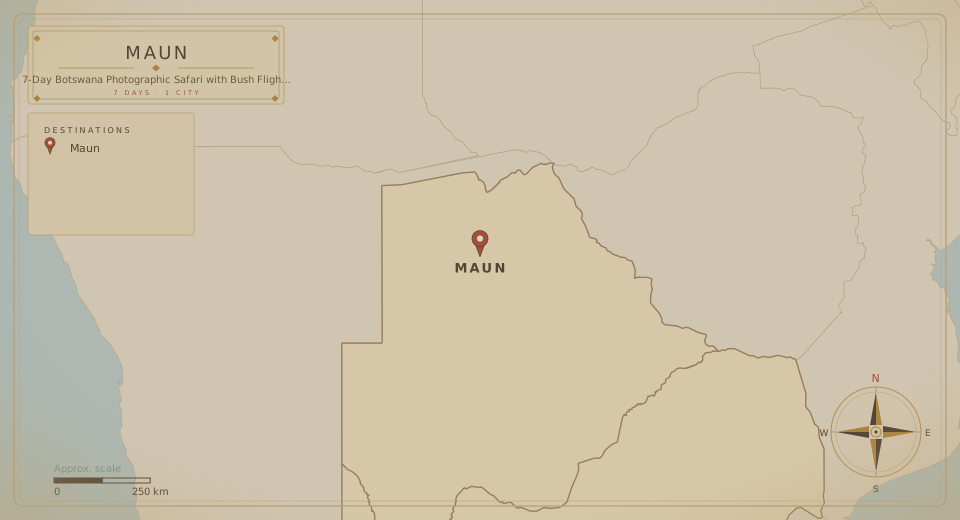
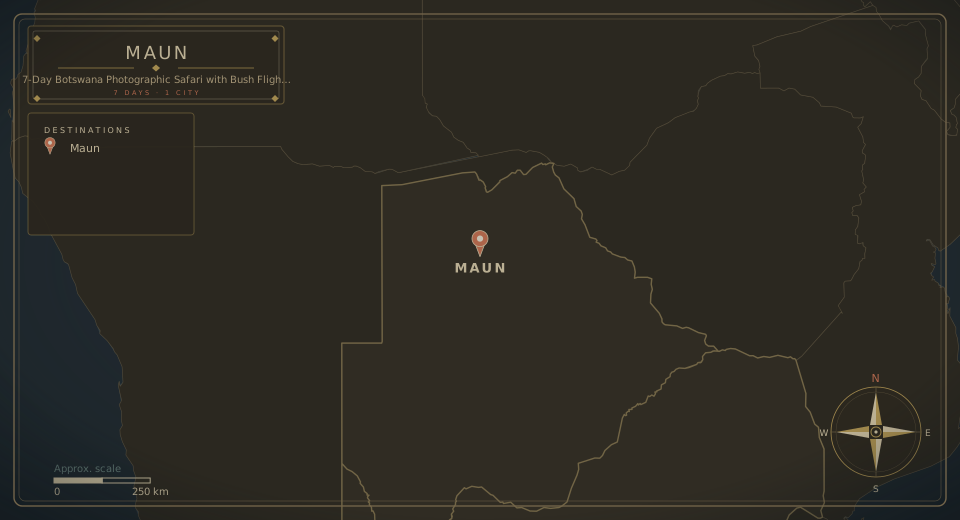
Tour route map
Round trip from Maun 1 city · 7 Days

The fine print

Trip details

What's Included

  • Included Photography Assets and Support

  • Professional Photography Hosts: You are accompanied by a dedicated local or international pro-photographer who provides active field guidance. They assist with camera composition, shutter speeds, and lighting techniques directly inside the tracking vehicles.

  • Complimentary Gear Use: Select premium operators, such as Pangolin Photo Safaris, bundle the use of professional mirrorless camera bodies and high-end telephoto zoom lenses directly into their package prices. They even supply memory cards that you get to keep.

  • Daily Editing and Review Workshops: You gain entry to structured midday media labs for image critique and post-processing sessions.

  • Specialized Tracking Equipment: Access to custom 4x4 vehicles and riverboats fitted with 360° rotating mounts, steady camera beanbags, and built-in electronic charging points.

  • Unrestricted Seating Layouts: Packages guarantee lower passenger counts, typically restricted to a maximum of 4 to 8 guests per group. This setup ensures every photographer secures an unrestricted window or rail seat.

  • Deep-Bush Accommodations: Multi-night stays at luxury lodges or private mobile tented camps located precisely inside high-density game zones to reduce travel time.

  • Regional Bush Flights: Domestic light aircraft charter transfers running between local bush tracks, such as Maun to Kasane.

  • All-Inclusive Food and Beverages: All daily meals, snacks, high tea, and local alcoholic or non-alcoholic beverages.

  • Park Fees and Levies: Daily national park conservation entry fees, landing taxes, and regional tourism levies.

What's Not Included

  • International Flights: Your primary airfare to major entry points, such as Johannesburg or Cape Town, is not included.

  • Laptop Hardware: While editing spaces are provided, you must bring your own laptop equipped with editing software, such as Lightroom.

  • Personal Staff Tips: Discretionary gratuities for your local trackers, camp staff, and main photography guides.

What to bring

  • Essential Camera Equipment

  • Two Camera Bodies: Dust is severe; swapping lenses in the field will ruin your sensor. Keep a telephoto lens on one body and a wide-angle lens on the second.

  • Telephoto Zoom Lens: A 100-400mm or 200-600mm lens is mandatory for wildlife.

  • Wide-Angle Zoom Lens: A 24-70mm lens is ideal for expansive landscapes, camp life, and environmental animal portraits.

  • Media Storage: Bring more memory cards than you think you need, with a minimum of 512GB total. Shoot exclusively in RAW format.

  • Power and Charging: Pack at least three camera batteries, a dual-bay charger, and a rugged external power bank for charging gear inside the tracking vehicles.

  • Camera Beanbag: Leave your tripod at home. Bring an empty safari beanbag shell and ask your lodge tracker to fill it with rice or beans upon arrival to steady your lens on the vehicle railings.

  • Gear Protection and Maintenance

    • Air Blower and Microfiber Cloths: A rocket blower is vital for blasting fine Kalahari or Serengeti dust off your lens elements every afternoon.

    • Dry Bags or Rain Covers: A 20L waterproof dry bag protects your entire camera setup from sudden downpours or heavy river spray during boat safaris.

    • Lens Cleaning Fluid: Crucial for removing greasy fingerprints or smudges caused by vehicle movement.

Know before you go

  • Vital Logistics and Fine Print

  • Baggage Strictness: You must use a completely soft-sided duffel bag with no rigid wheels or frames. Bush planes enforce a non-negotiable 15kg to 20kg (33lbs-44lbs) limit covering all checked and carry-on gear.

  • Cash for Gratuities: Bring crisp, un-torn US Dollar bills printed after 2013 for tips. Budget roughly $20-$30 USD per day for your guide and tracker team, and $15-$20 USD per day for the general lodge staff.

  • Drone Bans: Flying recreational drones is strictly illegal in almost all African national parks and private game reserves. Leave them at home, as they may be confiscated at customs checkpoints.

  • Health, Safety and Environment

    • Malaria and Medication: Most prime photography zones, such as the Okavango Delta, are active malaria-risk areas. Visit a travel clinic well in advance to secure a prescription for prophylactics like Malarone.

    • Sun and Dehydration: The African sun is intense, and open-sided vehicles offer minimal shade. Pack a wide-brimmed safari hat with a chin strap so it doesn't blow away when the vehicle moves, along with high-SPF sunscreen.

    • Dust Mitigation: Dust is a camera's absolute worst enemy in the bush. Bring a silicone camera cover, a high-quality blower brush, and several heavy-duty ziplock bags or a dry bag to seal your electronics during drives.

  • Field Etiquette and Expectations

    • No Flash Photography: Flash is strictly forbidden on game drives as it blinds, startles, or disturbs the wildlife. You must rely purely on your camera's low-light ISO capabilities during twilight hours.

    • The "Window Seat" Rules: Even though premium operators limit vehicle occupancy, always clarify the seat rotation policy with your group before departing on day one to keep the vehicle dynamic fair.

    • Patience Over Checklists: Standard safaris rush from animal to animal. Photographic safaris often involve sitting in one spot for two to three hours, waiting for a predator to wake up or for the lighting to shift perfectly.

Logistics

Meeting & route

Meeting point
Maun Airport or your lodging area in Maun
Tour start
Maun
Tour ends at the same location as the start point.
End of the journey

Your 7 days finish where they began, in Maun.

Watch the tourHQ film Watch the film

Create your own adventure

Can't find the perfect tour? Tailor your dream trip.

  • Tell us your destination, dates and group size.
  • Our travel experts and local guides design a tailored itinerary, just for you.
  • Enjoy your trip with peace of mind, knowing everything is taken care of.
Plan my holiday

Say goodbye to travel stress.

Starting from

USD 2,180 /person
Book This Tour

When

Travellers

Total