
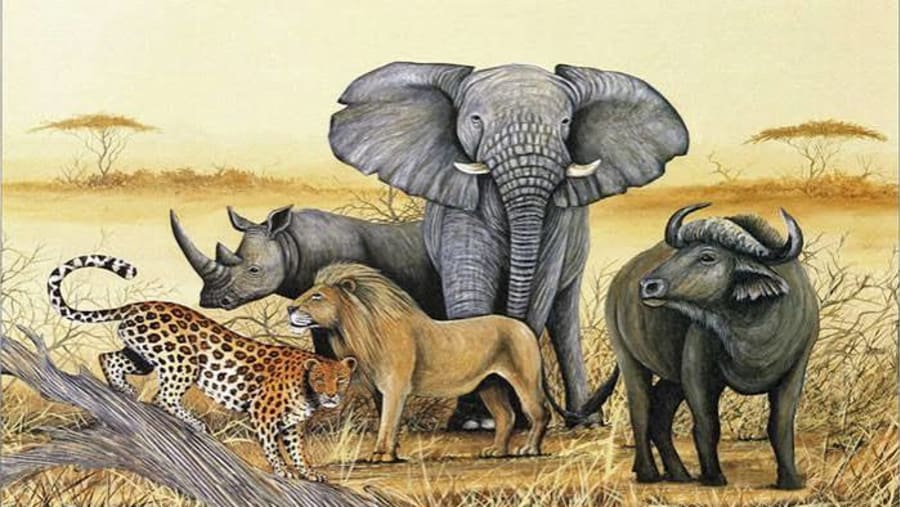
1-Day Ngorongoro Crater Safari from Arusha with Big Five Game Drive

1 Day Round trip from Arusha Easy pace

The journey

Trip highlights
  • 01 Scenic early-morning drive from Moshi or Arusha through Maasai country
  • 02 Descend into the world-famous Ngorongoro Crater for a wildlife-rich game drive
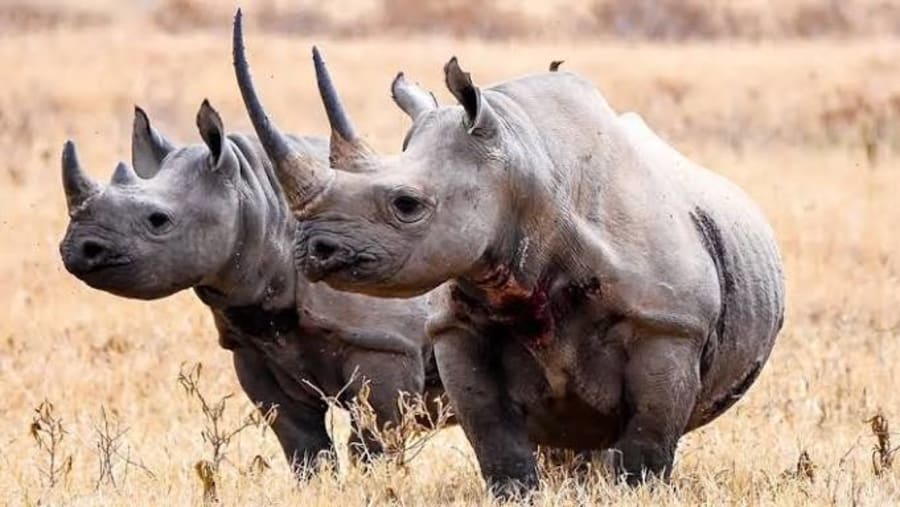
  • 03 Look out for the Big Five, including the endangered black rhino
  • 04 Visit Lake Magadi and other crater wetlands known for flamingos and hippos
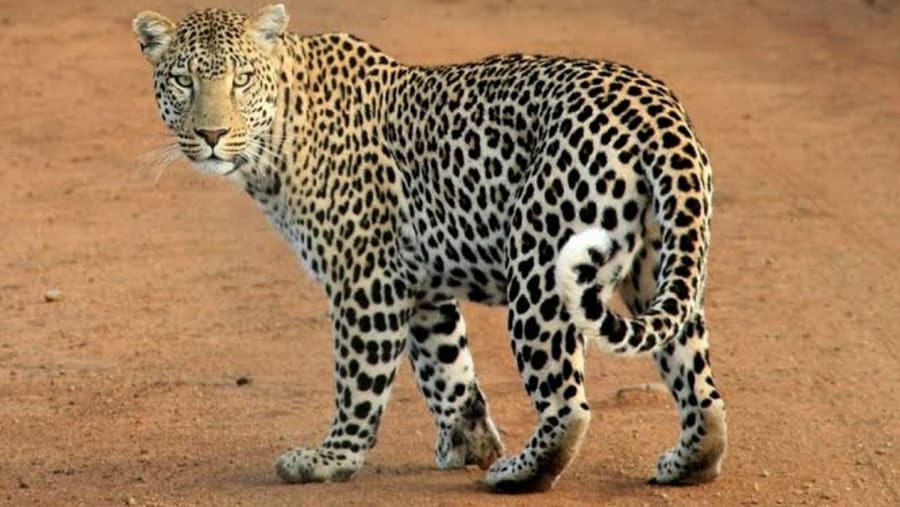
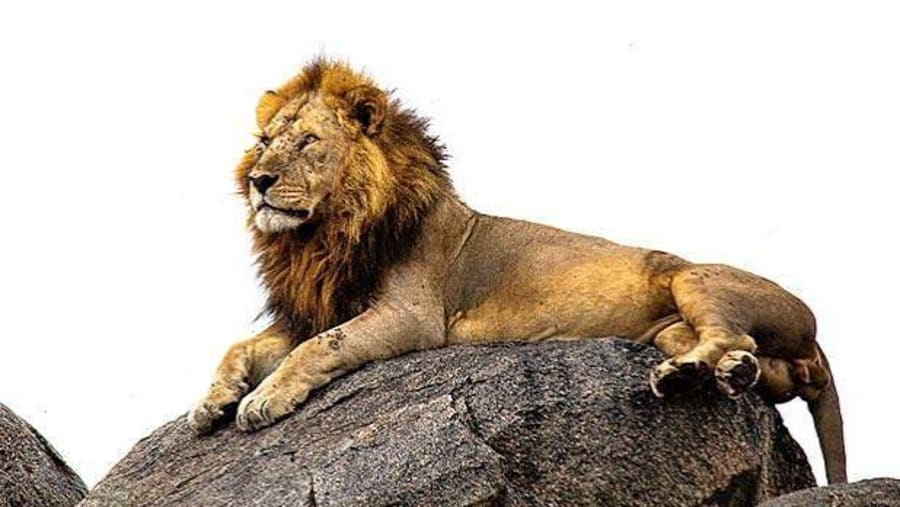
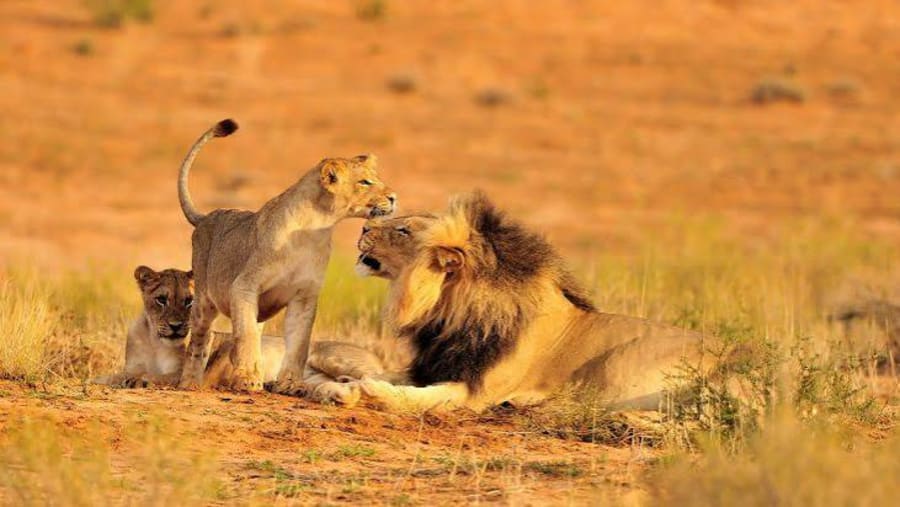
  • 05 Spot predators such as lions, hyenas, jackals, cheetahs, and the elusive leopard

Set off at dawn from Moshi or Arusha for a scenic journey to the legendary Ngorongoro Conservation Area, passing Maasai villages and sweeping savannah landscapes along the way. Your day centers on an unforgettable game drive inside the world-famous Ngorongoro Crater, often called the 8th natural wonder of the world, where an open-top safari vehicle delivers sweeping panoramas and outstanding wildlife encounters. In just a few hours, experience one of Africa's most wildlife-rich ecosystems - home to over 120 mammal species - plus striking crater lakes like Lake Magadi, known for flamingos and other water birds. After a picnic lunch in the park, continue exploring before returning to Arusha in the late afternoon with incredible memories of one of Africa's most spectacular natural arenas.

At a glance

What this trip includes

Duration 1 Day
Tour type Private
Activity level Easy
Accommodation Not included
Transport Included
Wheelchair access Yes
Cities Arusha, Moshi, Ngorongoro Conservation Area
Languages English, French

Day by day

The itinerary

1
Day 01

Ngorongoro Crater Game Drive Adventure

You'll depart from Moshi or Arusha at the crack of dawn for the long but scenic drive to the Ngorongoro Conservation Area. Along the way, you'll pass bustling Maasai villages and sweeping plains dotted with acacia and the occasional giraffe or wildebeest.

We will proceed to Ngorongoro Crater for a game drive in the 8th natural wonder of the world, a unique and world-famous caldera with abundant wildlife. We will descend to the Ngorongoro Crater floor.

From the comfort of your open-top vehicle, descending into the crater, you will enjoy amazing panoramic views and, if you are lucky, you will see the Big Five. The caldera is home to more than 120 species of mammals. We will also visit saline lakes such as Lake Magadi, which is a magnet for flamingos and other water birds.

We will see pools full of hippos, the endangered East Africa's last black rhinos, and birds such as the secretary bird, white stork arriving from Europe during the wet season, kori bustards, crowned cranes, and ostriches.

It is truly a landscape of sheer beauty. Another big drawcard of this picturesque park is its dense population of predators, including lions, hyenas, jackals, cheetahs, and the ever-elusive leopard, which sometimes requires a trained eye to spot.

After the thrills and excitement of the day, you will have a picnic lunch in the park. Across five hours, you'll see the very best that Africa has to offer. In the late afternoon, with heads full of amazing memories, you'll return to Arusha.
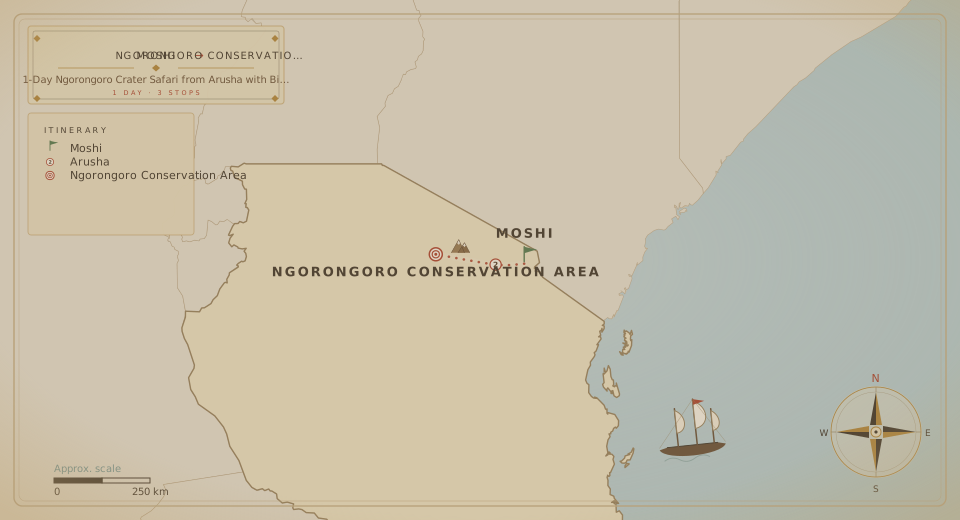
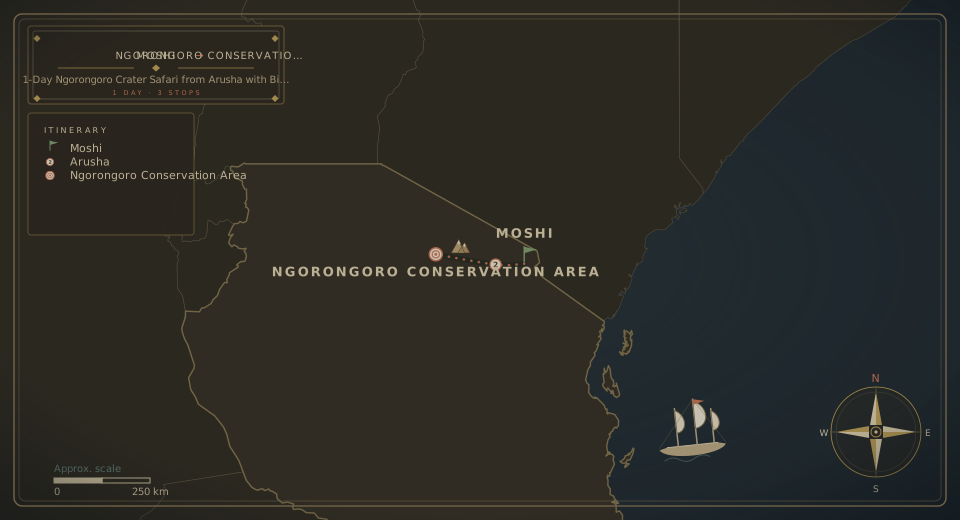
The route

Where you'll travel

Tour route map
Round trip from Arusha 3 cities · 1 Day

The fine print

Trip details

What's Included

  • Day trip according to the itinerary

  • Professional, English-speaking guide

  • All mentioned activities

  • All national park fees

  • Transportation in a 4×4 safari vehicle

  • Meals according to the itinerary

  • Mineral water

What's Not Included

  • International flights

  • Gratuities/tips for the safari guide/driver

  • Increases in park fees where applicable

  • Personal expenses

  • Visa and travel insurance

  • Expenditures of a personal nature such as drinks, telephone, laundry, and internet

What to bring

  • A warm jacket for the morning
  • Layers
  • A hat
  • Sunscreen
  • Sunglasses
  • Binoculars
  • Motion sickness medication if needed
  • A zoom lens (200-400 mm) for wildlife photography
  • A wide-angle lens for crater landscapes
  • A lens cloth
  • Enough drinking water
  • A face mask or buff
  • Wet wipes
  • Lip balm

Know before you go

If you're planning a visit to Ngorongoro Crater, a little preparation can make the experience much more enjoyable. Here are the key things to know before you go:

  1. It's not just a crater

    Ngorongoro is the world's largest intact volcanic caldera. The crater floor covers about 260 square kilometers (100 square miles) and is home to thousands of animals year-round.

  2. You'll need to enter through the conservation area

    The crater is inside the Ngorongoro Conservation Area, a protected area and UNESCO World Heritage Site. Visitors pay conservation and crater descent fees, which are usually included if you're on a guided safari.

  3. Early mornings are the best

    The best wildlife viewing is typically between 6:00 a.m. and 10:00 a.m. Animals are more active, temperatures are cooler, and you'll have softer light for photography.

  4. Expect to see incredible wildlife

    Ngorongoro is one of the best places in Africa to spot the Big Five:

    • Lion

    • Leopard (less common but possible)

    • Elephant

    • Buffalo

    • Black rhinoceros

    You may also see:

    • Zebras

    • Wildebeest

    • Hippos

    • Hyenas

    • Jackals

    • Flamingos (seasonally)

    • Numerous bird species

  5. Weather can change quickly

    The crater rim sits at over 2,200 meters (7,200 feet) above sea level, making it much cooler than the crater floor.

    Pack:

    • A warm jacket for the morning

    • Layers

    • A hat

    • Sunscreen

    • Sunglasses

  6. The drive into the crater is steep

    Access is via a winding road down the crater wall. The drive is safe with experienced drivers, but if you're prone to motion sickness, consider bringing medication.

  7. Bring binoculars

    Although animals can come very close to vehicles, binoculars help you spot distant rhinos, birds, and predators.

  8. Photography tips

    • A zoom lens (200-400 mm) is ideal for wildlife.

    • Keep a wide-angle lens handy for the crater's dramatic landscapes.

    • Dust can be an issue, so bring a lens cloth.

  9. Stay hydrated

    Even though it's cooler than the surrounding plains, the sun at high altitude is strong. Carry enough drinking water.

  10. Respect wildlife

    • Stay inside your safari vehicle unless you're at a designated stop.

    • Don't feed animals.

    • Keep noise to a minimum.

    • Follow your guide's instructions.

  11. There are picnic sites

    Many safari itineraries include lunch at a designated picnic area near the hippo pools. Keep an eye on your food - birds such as kites are known for swooping down to snatch snacks.

  12. The roads can be dusty

    During the dry season (June-October), expect dusty roads. Consider bringing:

    • A face mask or buff

    • Wet wipes

    • Lip balm

  13. Best time to visit

    • June to October: Dry season, excellent wildlife viewing.

    • November to May: Greener landscapes, migratory birds, fewer crowds, and the calving season on the nearby Serengeti National Park plains.

Logistics

Meeting & route

Meeting point
Arusha
Tour start
Arusha
Tour ends at the same location as the start point.
End of the journey

Your 1 day finishes where it began, in Arusha.

Watch the tourHQ film Watch the film

Create your own adventure

Can't find the perfect tour? Tailor your dream trip.

  • Tell us your destination, dates and group size.
  • Our travel experts and local guides design a tailored itinerary, just for you.
  • Enjoy your trip with peace of mind, knowing everything is taken care of.
Plan my holiday

Say goodbye to travel stress.

Price on Request

Book This Tour
Price On Request

When

Travellers
