Tanzania · Trekking

7-Day Mount Kilimanjaro Trek via Lemosho Route to Uhuru Peak

7 Days Round trip from Moshi Hard pace

The journey

Trip highlights
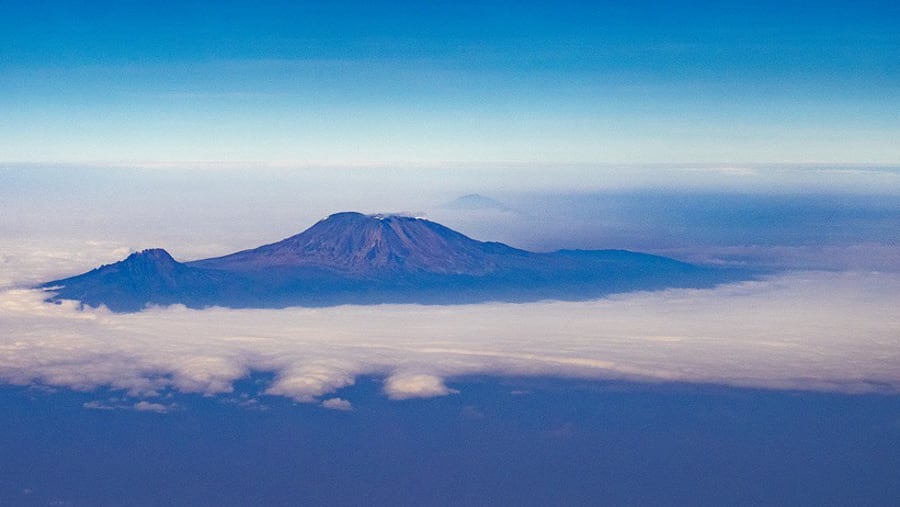
  • 01 Admire the magnificent views of Kilimanjaro Peak
  • 02 Summit at Uhuru Peak, the highest point in Africa
  • 03 Walk along beautiful forest trails to Mti Mkubwa campsite
  • 04 Cross the Shira Plateau and hike through giant heather moorland
  • 05 Follow the scenic southern circuit through Lava Tower, Barranco, and Barafu

Find out why the Lemosho Route is one of the best routes on Kili. Climbers encounter low traffic until the route joins the Machame Route, then continue along the southern circuit through Lava Tower, Barranco, and Barafu. Experience the incomparable natural beauty of Mount Kilimanjaro on this 7-day trek, culminating at Uhuru Peak, the highest point in Africa.

Experience the incomparable natural beauty of Mount Kilimanjaro on this 7-day trek, culminating at Uhuru Peak, the highest point in Africa.

From the itinerary

At a glance

What this trip includes

Duration 7 Days
Tour type Shared
Activity level Hard
Accommodation Included · Standard
Transport Included
Wheelchair access Not applicable
Cities Moshi, Mount Kilimanjaro
Languages English

Day by day

The itinerary

1
Day 01

From Moshi to Mti Mkubwa Camp through Montane Forest

  • Drive to the Londorossi Park Gate.

  • From here, follow a forest track in a 4WD vehicle for 11 km/7 mi (45 minutes) to Lemosho Glades and a possible campsite with your Kilimanjaro mountain guide.

  • From the glades, walk for 3 hours along beautiful forest trails to the Mti Mkubwa (Big Tree) campsite.

18 km, 4-5 hours

Habitat: Montane Forest

2
Day 02

Climb to Shira Camp 1 across the Shira Plateau

  • Climb the trail, which gradually steepens and enters the giant heather moorland zone, then crosses the Shira Ridge and drops gently to Shira Camp 1, located by a stream on the Shira Plateau.

12 km, 5 hours

Habitat: Semi-Desert

3
Day 03

Hike via Lava Tower to Barranco Camp

  • After breakfast, hike east up a steepening path above the highest vegetation toward Kilimanjaro's looming mass.

  • After several hours, walk through a rocky landscape to reach the prominent landmark called Lava Tower.

  • After lunch, stop near Lava Tower and descend for 2 hours below the lower cliffs of the Western Breach and Breach Wall to Barranco Camp.

  • Enjoy the numerous photo opportunities on this hike, especially if the walls are festooned with ice. Barranco Camp lies in a valley below the Breach and Great Barranco Walls, which should provide you with a memorable sunset while you wait for dinner.

  • On this day, be careful to notice any signs of altitude sickness.

15 km, 7 hours

Habitat: Semi-Desert

4
Day 04

Climb the Barranco Wall to Karanga Camp

  • After breakfast, continue up a steep ridge to the Great Barranco Wall.

  • Then climb this imposing obstacle, which turns out to be easier than it looks. Topping out just below the Heim Glacier, appreciate just how beautiful Kilimanjaro really is.

  • With Kibo's glaciers soaring overhead, descend into the lush Karanga Valley to the Karanga Valley campsite. From the camp, look east and see the jagged peaks of Mawenzi jutting into the African sky.

  • After a hot lunch in camp, the afternoon is at leisure for resting or exploring.

  • After two long days, this short day is very important for your acclimatisation since your summit push is about to start.

7 km, 4 hours

Habitat: Alpine Desert

5
Day 05

Trek from Karanga Camp to Barafu Camp

  • In the morning, hike east over intervening ridges and valleys to join the Mweka Route, which will be your descent route.

  • Turn left toward the mountain and hike up the ridge through a sparse landscape for another hour to the Barafu Hut, where you will receive a hot lunch. The last water on the route is in the Karanga Valley; there is no water at Barafu Camp. The famous snows of Kilimanjaro are far above Barafu Camp near the summit of the mountain.

  • See your tent pitched on a narrow, stony, wind-swept ridge, so make sure that you familiarise yourself with the terrain before dark to avoid any accidents.

  • Prepare your equipment and warm clothing for your summit climb, and drink a lot of fluids.

  • After an early dinner, go to bed for a few hours of precious sleep.

13 km, 8 hours

Habitat: Alpine Desert

6
Day 06

Summit Uhuru Peak and descend to Mweka Camp

  • Rise around 11:30 pm, and after some steaming tea and biscuits, shuffle off into the night. Your 6-hour climb northwest up through heavy scree between the Rebmann and Ratzel glaciers to Stella Point on the crater rim is the most challenging part of the route for most climbers.

  • At Stella Point, stop for a short rest and a chance to see a supremely sanguine sunrise. At Stella Point, join the top part of the Marangu Route, but do not stop here too long, as it will be extremely difficult to start again due to cold and fatigue.

  • Depending on the season and recent storms, you may encounter snow on your remaining hike along the rim to Uhuru Peak.

  • On the summit, enjoy your accomplishment and know that you are creating a day that you will remember for the rest of your life.

  • After your 3-hour descent from the summit back to Barafu Camp, have a well-earned but short rest, collect your gear, and hike down a rock and scree path into the moorland and eventually into the forest to Mweka Camp. This camp is in the upper forest, so you can expect mist or rain in the late afternoon.

  • Relax with dinner and washing water prepared, and the camp office sells drinking water, soft drinks, chocolates, and beer.

7 km up, 23 km down; 8 hours up, 7-8 hours down

Habitat: Scree and seasonal snow

7
Day 07

Descend to Mweka Gate and return to Moshi

  • After a well-deserved breakfast, it is a short, scenic, 3-hour hike back to the park gate. Do remember to tip your staff at the gate.

  • At Mweka Gate, sign your name and add your details to a register. This is also where successful climbers receive their summit certificates. Climbers who reached Stella Point are issued green certificates, and those who reached Uhuru Peak receive gold certificates.

  • From Mweka Gate, continue down to Mweka Village, possibly a muddy 3 km, 1-hour hike if the road is too muddy for vehicles.

  • In Mweka Village, enjoy a delicious hot lunch and drive back to Moshi for an overdue hot shower and a comfortable night at your hotel in Moshi.

15 km, 3 hours

Habitat: Forest

Shira Plateau, Lava Tower, Great Barranco Wall, Uhuru Peak

Where this trip takes you

Shira Plateau, Lava Tower, Great Barranco Wall, Uhuru Peak

The route

Where you'll travel

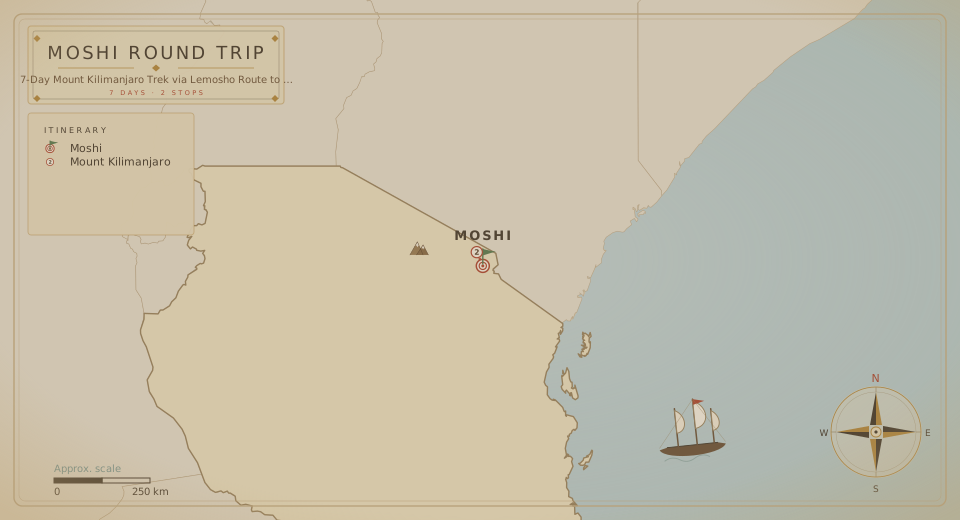
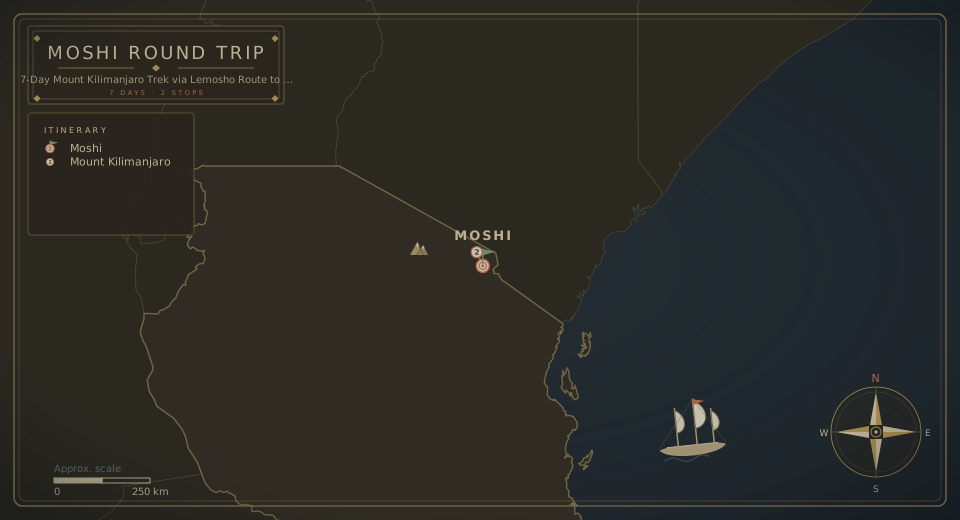
Tour route map
Round trip from Moshi 2 cities · 7 Days

The fine print

Trip details

What's Included

  • Full briefing before your trip
  • Pulse ox-metre
  • Park fees
  • Camping fees
  • Camping equipment
  • Rescue fees
  • Food (3 meals per day)
  • Water
  • English-speaking Kilimanjaro guide
  • Salaries for the Kilimanjaro guide, cooks, and porters
  • Transport to and from the mountain for yourselves and the crew
  • Lunch box for the first day
  • Crew park fees
  • Administration fee
  • Certificates of achievement
  • Sleeping tent, mess tent, camping chairs, and table
  • Airport transfer both ways
  • 2 nights at the hotel: 1 before trekking and 1 after trekking

What's Not Included

  • International flights

  • Visas

  • Travel insurance

  • Alcoholic and non-alcoholic beverages

  • Additional personal equipment

  • Gratuities

  • Additional activities after the climb, e.g. safaris, waterfall visits, massage, etc.

What to bring

  • Travel Documents
    • Valid passport and visa
    • Airline ticket
    • International health card with immunizations (Yellow fever)
    • Travel insurance
    • Medical insurance
    • US$ cash/Travelers Checks/Credit Card
  • Essential Items
    • Duffel bag
    • Small luggage lock
    • Day backpack
    • Sleeping bag
    • Ski pole/walking stick
    • Water bottle/containers
    • Kilimanjaro map (can be bought at Park gate)
  • High Altitude Gear
    • Waterproof, breathable & windproof jacket
    • Waterproof, breathable & windproof pants
    • Polar fleece (middle layer)
    • Thermal underwear (under layers)
    • Mittens or warm gloves
    • Glove liners (if necessary)
    • One pair of thermal socks
    • Balaclava
    • Gaiters
    • Thermal water flask
  • Hiking Gear
    • Shorts
    • Hiking pants
    • Regular underwear
    • T-shirts
    • Raincoat or poncho
  • Footwear
    • Water-resistant semi-stiff hiking boots - mid-weight boots work great
    • Shoes for overnight camps - i.e. sneakers, running shoes, etc.
    • Socks - several pairs for the climb
    • Liner socks - to keep your feet dry and limit the risk of blisters
  • Equipment
    • Sun hat or similar (with a brim)
    • Collapsible ski stick (optional but highly recommended)
    • Water bottles - two or three (total capacity at least 4 litres)
    • Headlamp, a good strong one with spare batteries and an extra light bulb
    • Water purification tablets
    • Sunglasses, good quality dark lenses for the climb, with a securing strap
    • Flashlight (torch) with spare batteries
  • Personal Items
    • Toilet kit (soap, toothbrush, toilet articles, wet wipes, etc.)
    • Towel
    • Sunscreen and lip protection, SPF 30+
    • Ziploc bags to protect the camera, binoculars, etc. from dust
    • Toilet paper
    • Money belt for passport and valuables
  • Medical and First Aid Supplies
    • Headache tablets
    • Altitude sickness - Diamox (if not allergic to sulpha)
    • Diarrhoea - Imodium
    • Nausea - Valoid
    • Malaria - prophylaxis
    • Water purification tablets
    • Painkillers
    • Muscular sprains
    • Abrasions, blisters and cuts - plaster, bandages
    • Antiseptic cream - Betadine
    • Flu and colds
    • Eye drops
    • Insect repellent
  • Optional Items
    • Camera, extra lenses and film (ASA 200 film recommended)
    • Binoculars
    • Powdered sports drinks for the climb (e.g. Game or isotonic drinks)
    • Pocket knife
    • Notebook & pencil
    • Plastic bags to keep clothing dry (masking tape)
    • Energy snacks and sweets
    • Video camera, tapes, battery packs and tripod

Know before you go

  • Please remember to limit the weight of your duffel bag and its contents, to be carried by the porters on the climb, to 15 kg (32 lbs) or less.

Logistics

Meeting & route

Meeting point
Moshi, Tanzania
Tour start
Moshi, Tanzania
Tour ends at the same location as the start point.
End of the journey

Your 7 days finish where they began, in Moshi.

Watch the tourHQ film Watch the film

Create your own adventure

Can't find the perfect tour? Tailor your dream trip.

  • Tell us your destination, dates and group size.
  • Our travel experts and local guides design a tailored itinerary, just for you.
  • Enjoy your trip with peace of mind, knowing everything is taken care of.
Plan my holiday

Say goodbye to travel stress.

Starting from

USD 2,500 /person
Book This Tour

When

Travellers

Total