Ethiopia · National Parks

3-Day Bale Mountains National Park Tour with Sanetti Plateau

3 Days Round trip from Goba Moderate pace

The journey

Trip highlights
  • 01 Explore the diverse habitats of Bale Mountains National Park
  • 02 Look for rare and endangered Ethiopian wolves on the Sanetti plateau
  • 03 Visit Lake Ziway, known for its rich aquatic birdlife
  • 04 See antelope families in the woodland area around Dinsho
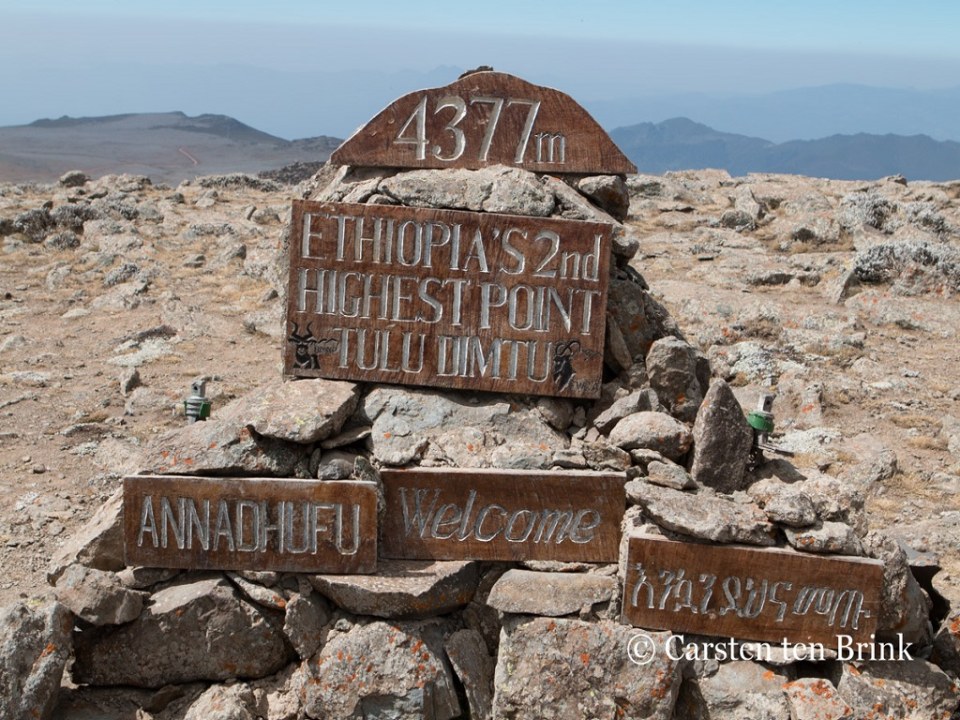
  • 05 Drive through Harenna Forest via Tullu Deemtu, Ethiopia's second-highest point

Explore the diverse habitats of Bale Mountains National Park on a 3-day journey through Afro-alpine landscapes, woodland areas, and the dramatic Sanetti plateau. Discover the home of the Ethiopian wolf, mountain nyala, giant molerat, and Bale monkey while enjoying remarkable natural scenery and birdlife along the way. The tour also includes a visit to Lake Ziway for aquatic birds, time in Dinsho and Goba, and a drive through Harenna Forest via Tullu Deemtu, Ethiopia's second-highest point.

Discover the home of the Ethiopian wolf, mountain nyala, giant molerat, and Bale monkey while enjoying remarkable natural scenery and birdlife along the way.

From the itinerary

At a glance

What this trip includes

Duration 3 Days
Tour type Shared
Activity level Moderate
Accommodation Not included
Transport Included
Wheelchair access No
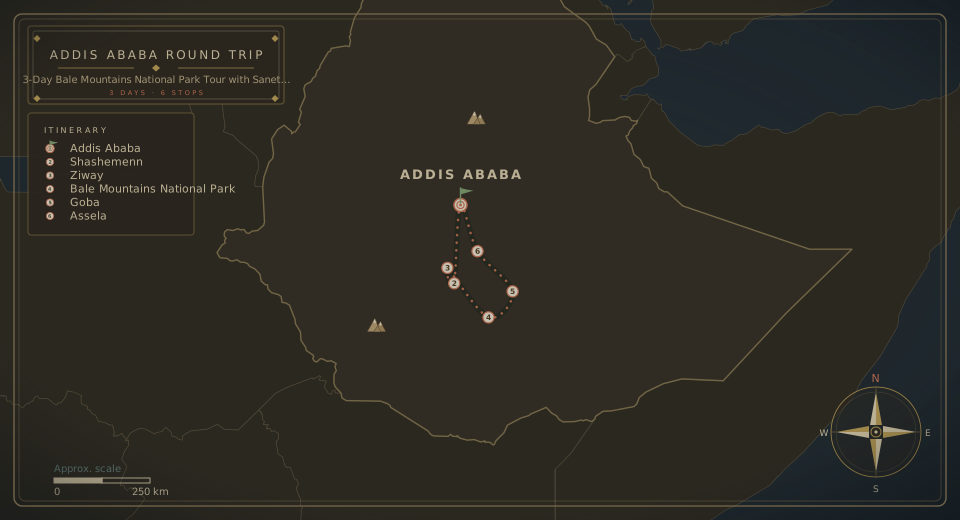
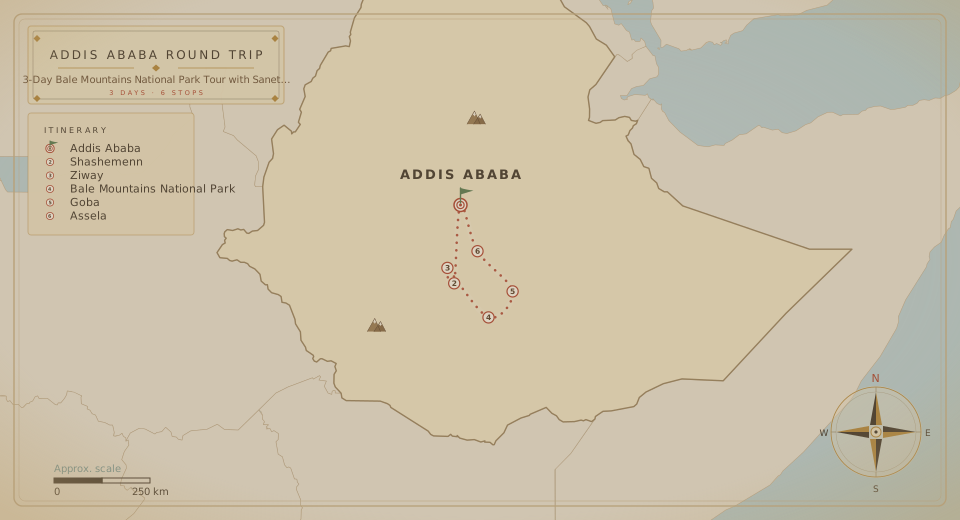
Cities Addis Ababa, Shashemenn, Assela, Goba, Bale Mountains National Park, Ziway
Languages English, French, German

Day by day

The itinerary

1
Day 01

Drive to Dinsho and Goba via Lake Ziway

  • In the morning, after breakfast, drive to Dinsho via Shashemenne (400 km from Addis).

  • En route, stop at Lake Ziway, best known for its birdlife, to observe aquatic birds.

  • Upon arrival, complete the necessary arrangements for a short, easy hike in Bale Mountains National Park, headquartered in the woodland area, where you can see antelope families.

  • Late in the afternoon, drive to Goba, 45 km from Dinsho, for an overnight stay.

  • In the evening, have dinner and stay overnight at the hotel.

Overnight at Goba Wabeshebelle Hotel
2
Day 02

Sanetti Plateau and Harenna Forest Excursion

  • In the morning, have breakfast and drive to the Sanetti plateau, at an altitude of 4,000 metres, the largest Afro-alpine area in Africa and one of the best places to see the rare and endangered Ethiopian wolf, while enjoying the scenery.

  • Then proceed to Harenna Forest via Tullu Deemtu (4,377 m), the second-highest point in Ethiopia.

Overnight at Goba Wabeshebelle Hotel
3
Day 03

Return to Addis Ababa via Asella

  • After breakfast, drive back to Addis Ababa and stop for lunch at Asella.

  • Arrive in Addis Ababa in the late afternoon, where you will have time to shop for souvenirs.

  • Finally, you will be taken for a farewell dinner, depending on your scheduled flight.

Sanetti plateau, Harenna Forest, Lake Ziway

Where this trip takes you

Sanetti plateau, Harenna Forest, Lake Ziway

The route

Where you'll travel

Tour route map
Round trip from Goba 6 cities · 3 Days

The fine print

Trip details

What's Included

Price includes:

  • Transportation in a fully insured, air-conditioned car with fuel

  • Meals in a traditional restaurant in Addis on a full-board basis

  • All entrance fees at sites

  • All driver and guide allowances

  • 10% service charge

  • A traditional Ethiopian coffee ceremony at a convenient time in the program

  • Government taxes

What's Not Included

Price excludes:

  • International flights

  • Any kind of alcoholic drinks

  • Video filming and photography fees

  • Incidental meals, snacks, and drinks

  • Tips and items of a personal nature, such as laundry and souvenirs

  • Anything not included in the list above

What to bring

  • What you should bring: Bring your sleeping bag (minimum rating of 0°C, but ideally -15°C), sleeping mat (inflatable is best for the cold weather), tent (must be waterproof), and cooking supplies (basic pots, pans, and kerosene stoves can be acquired in Addis if necessary), as well as as many edibles as your backpack can hold. Basic foodstuffs such as spaghetti, macaroni, onions, bread, eggs, sugar, and tea can be bought in Dinsho if necessary, and your guide can assist you in buying food and beverages. All such items can be put on a packhorse. Carry a water bottle, rain gear, sunscreen, and other daily necessities in your backpack. A hat and sun cream are essential to avoid sunburn, and moisturizer cream and lip salve are recommended. The weather in the mountains tends to be unpredictable, so bring layers, including pullovers (fleeces), thermal clothing, warm jackets, and waterproof overcoat and trousers. Cotton and/or denim trousers should be avoided - they get cold when wet; synthetic quick-drying trousers are recommended. Be aware that trails can be wet and muddy, especially during the rainy season between June and October. Therefore, good trekking shoes or boots are essential, as are thick, comfortable socks and gloves. It is advisable to bring a small personal first aid kit. At a minimum, this should include a bandage for sprained joints, antiseptic cream, and altitude sickness pills. It is also good to bring along anti-bacterial gel for washing hands if water is not available. Soap, a small towel, and toilet paper are also advisable. Other essential items are a torch, camera, and binoculars.
  • Altitude sickness: Bear in mind that physical activities at high altitude can be exhausting, especially without proper acclimatization. Altitude sickness affects different people in different ways and at different altitudes. The best way to avoid altitude sickness is to allow yourself time to acclimatize to any increases in altitude. Having spent a day or two in Addis Ababa and then driving to Bale, most people will feel little or no effect of altitude sickness. A predisposition to altitude sickness, dehydration, and strenuous exercise at high altitudes can lead to headaches, light-headedness, lack of appetite, disturbed sleep, and dehydration. These can usually be resolved by a good rest and by consuming plenty of food and fluids. A dry mouth, racing pulse, a faint feeling when getting up after sitting down, and a slight swelling of the extremities (fingers, ankles) suggest that one should begin to take things easy. Rest and sufficient fluid intake are essential at this stage. In severe cases, people can drift into a coma, as indicated by one or more of the following symptoms: a persistent headache, extreme fatigue, vomiting, staggering as if drunk, turning blue, a very high pulse, or a gurgling sound in the lungs. At this point, altitude sickness becomes life-threatening; descending rapidly to lower altitudes is the only cure and should be done immediately.

Know before you go

These Golden Rules are designed to minimize your impact on the park and communities and enhance your safety and enjoyment. Remember that everyone in the park, including you, is responsible for adhering to and enforcing these Golden Rules. Don't be afraid to remind other park visitors gently.

  • Be safe: Do not take risks by climbing or walking in dangerous areas. Follow the advice of your guide and stay in designated areas.
  • Respect other park users: Other people have a right to use BMNP, whether scientists, local inhabitants, or other visitors. Please ensure that your interactions with other people respect their work and culture.
  • Don't forget to pay your park fees: This helps park management conserve this unique place. You must pay only at officially designated sites and provide all required information to help with record-keeping and your safety. Accept only officially stamped and numbered receipts.
  • Drive carefully: If viewing wildlife from a vehicle, keep to tracks, drive slowly, and do not drive when the ground is very wet. Wild animals always have the right of way.
  • Allow animals to behave naturally without disturbance: Many wild animals become distressed when approached too closely by people or vehicles. Keep noise to a minimum and never try to attract an animal's attention.
  • Please do not bring any domestic or exotic animals or plants into the park: Ensure that you do not bring any exotic plants or seeds into the park. Non-native species are a significant threat to the environment.
  • Do not consume wildlife or purchase wildlife products in the park or park-associated communities.
  • Make sure your environmental impact is minimal: Do not damage any vegetation or animals, and do not collect any native plants or animals. Stay on trails at all times.
  • Remember to take out all litter you produce: Litter can harm both animals and people and is unsightly. This is especially true of cigarette butts, which often kill birds that mistake them for food. Please dispose of rubbish at your accommodation or designated collection points.
  • Camp only in designated areas.
  • Take care with fire: Be very careful with cigarettes and matches or when lighting fires. Accidental fires are a significant threat to much of the Bale Mountains vegetation. Campfires are only permitted at authorized campsites.
  • Do not use non-biodegradable soaps or detergents in natural water bodies.
  • Use toilets where provided or bury waste at least 50 m from water.
  • Do not hand out water bottles or other items, including expensive gifts or money, to individuals. This will encourage begging, cause local conflict, and encourage negative interactions with future visitors.
  • Please follow set prices for services such as horse hire: Negotiation will create uncertainty and unpleasant relations. Prices can be obtained from the Park Fees page.
  • Ask permission before taking photographs: Please do not pay for photographs, as this encourages begging.
  • Only buy typical handicrafts such as baskets, mats, and spoons: Do not buy family heirlooms, as these are an essential part of the cultural heritage and are sometimes stolen to be sold to tourists.
  • Tailoring your trip: Tours start at the Bale Mountains National Park headquarters in Dinsho, where you can meet the local Nyala Guides Association and horse providers. You are free to ride or walk through the park to the various camping sites. Pack horses are typically required, and it is recommended to take along riding horses because climbing to an altitude of 4,000 meters is tiring, and walkers may be glad for the possibility of riding at times. No prior riding experience is required. The mountain camps are set at an altitude between 3,500 and 4,000 m. Each campsite has its distinctive features and spectacular views. The distance between the camps is 17 to 22 km. Walking or riding from one camp to the next takes 6-8 hours. This allows you to spend every night at a different campsite. Thus, setting off as early in the morning as possible is preferable because you may encounter unpredictable rainfall in the afternoon. If you do not have time for all camps, the local guides will help you select the ones you prefer. Trekking for just one night with two days ascending and descending is perfectly possible.

Logistics

Meeting & route

Meeting point
Addis Ababa, Ethiopia
Tour start
Goba, Ethiopia
Tour ends at the same location as the start point.
End of the journey

Your 3 days finish where they began, in Goba.

Watch the tourHQ film Watch the film

Create your own adventure

Can't find the perfect tour? Tailor your dream trip.

  • Tell us your destination, dates and group size.
  • Our travel experts and local guides design a tailored itinerary, just for you.
  • Enjoy your trip with peace of mind, knowing everything is taken care of.
Plan my holiday

Say goodbye to travel stress.

Starting from

USD 555 /person
Book This Tour

When

Travellers

Total