

Kathmandu Valley Heritage Sightseeing
After breakfast, start the sightseeing tour around 8:30 am with the Kathmandu tour guide. It will take nearly 7 hours to see the main cultural areas of the city, such as:
Kathmandu Durbar Square: It lies in the heart of Kathmandu Valley. Kasthamandep - the source of the name Kathmandu - is believed to have been made from the timber of a single tree. It is recognised and protected as a World Heritage Site by UNESCO. At Kathmandu Durbar Square, visit Kumara Ghar (Temple of the Living Goddess), Taleju Temple, and museums.
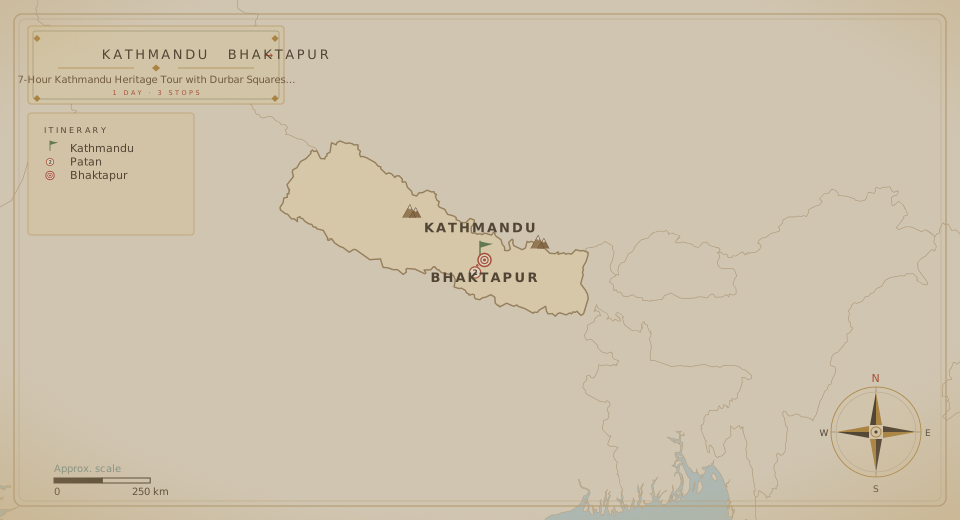
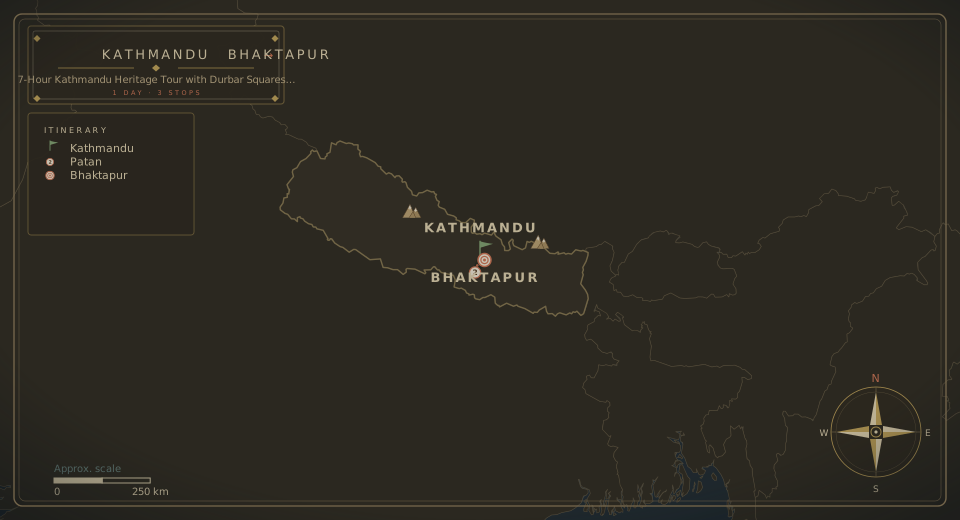
Patan Durbar Square: Situated in the Lalitpur district, it is commonly known as the city of fine arts and lies 5 km away from Kathmandu.
Krishna Temple: Built by the late King Siddhi Narsingh Malla, this site also offers a glance at the hand weaving of Tibetan carpets and the moulding of metal statues. It is believed that it was founded in the third century B.C. by the famous Buddhist emperor Ashoka.
Bhaktapur Durbar Square: Commonly known as Bhadgaun, it is one of the ancient cities within Kathmandu Valley. It is also known as the city of devotees and lies 14 km east of Kathmandu. In Bhaktapur, visit Bhaktapur Durbar Square with its array of temples and the 55 Windows Palace, built by the late King Bhupendra Malla. Visit Taleju Temple, the best example of a pagoda-style structure in Nepal.
Pashupati Temple: It lies 5 km east of the city and is the temple of Lord Shiva. Only Hindus are permitted to enter inside the temple. Non-Hindu visitors can have a glance from outside the temple. It is believed that Hindus should visit there once in their life. Pashupatinath is the main cremation site for Hindus of Kathmandu Valley, with cremation ghats lining the Bagmati River.
Boudhanath: It lies 8 km east of Kathmandu Valley and is known as the world's largest stupa. It rises 36 meters high and presents one of the fascinating specimens of stupa design. It was built by the late King Man Deva.
At Boudhanath, see more than 45 Buddhist monasteries.