Day 01
Kandy's Royal and Religious Highlights
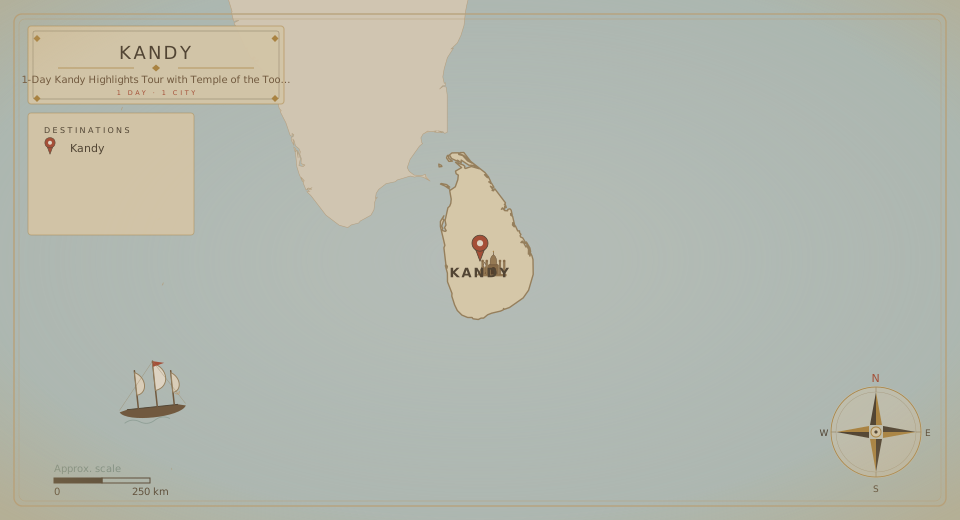
Kandy is a major city in Sri Lanka, located in the Central Province. It is the second-largest city in the country after Colombo. The main attractions of this royal historic city are:
- Royal Botanical Garden, Peradeniya: The origins of the Botanic Gardens date as far back as 1371, when King Wickramabahu III ascended the throne and kept the court at Peradeniya near the Mahaweli River. This was followed by King Kirti Sri and King Rajadhi Rajasinghe. A temple was built at this location by King Wimala Dharma, but it was destroyed by the British when they were given control over the Kingdom of Kandy.
- War Cemetery: It is a British military cemetery in Kandy, Sri Lanka, for soldiers of the British Empire who were killed during World War II, as well as one soldier who died during World War I. There are 203 burials, consisting of 107 British, 35 East Africans, 26 Sri Lankans, 23 Indians, 6 Canadians, 3 Italians, 1 Frenchman, and 2 unidentified persons.
- Bahirawakanda Temple: Located in a village in the centre of Kandy, it is one of the most attractive tourist places in the city. Bahirawakanda is well known for the Sri Maha Bodhi Vihara, which was started in 1972 by Ven. Ampitiye Dammarama Thero and opened to the public on 1 January 1993 by His Excellency President Premadasa.
- Viewing Point - Balana Fort: It was built by the Kingdom of Kandy near the Alagalla Mountain Range in Sri Lanka. The fort functioned as a strategic rock fortress and an outpost of the Kandyan kingdom.
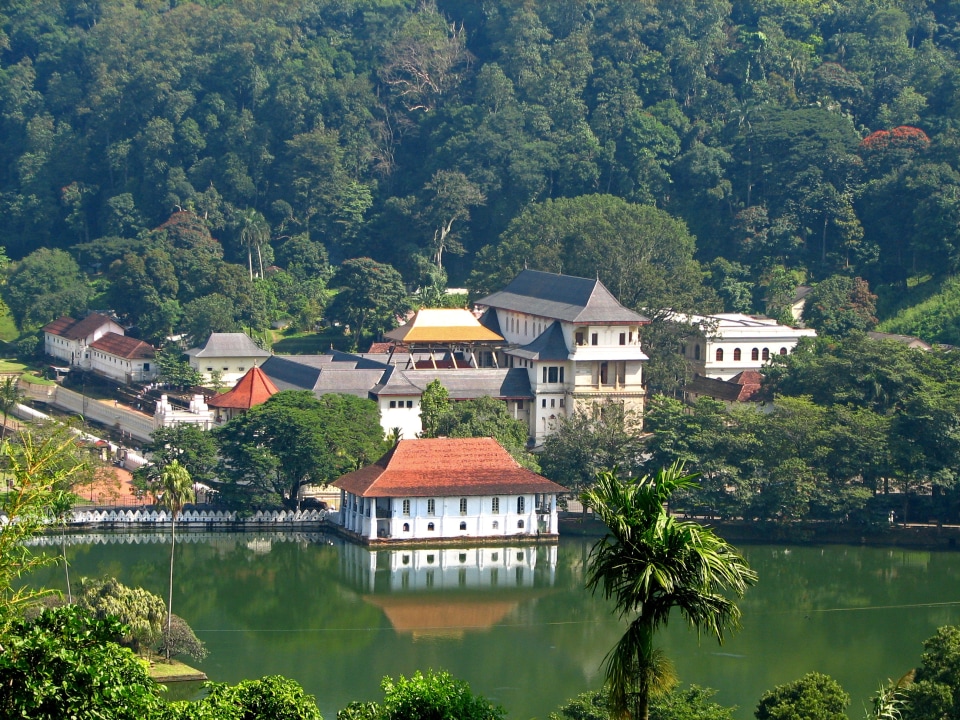
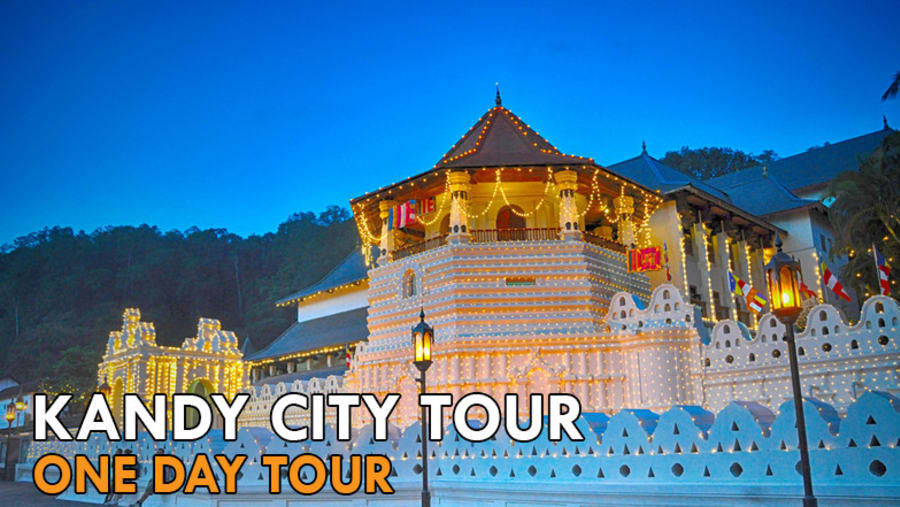
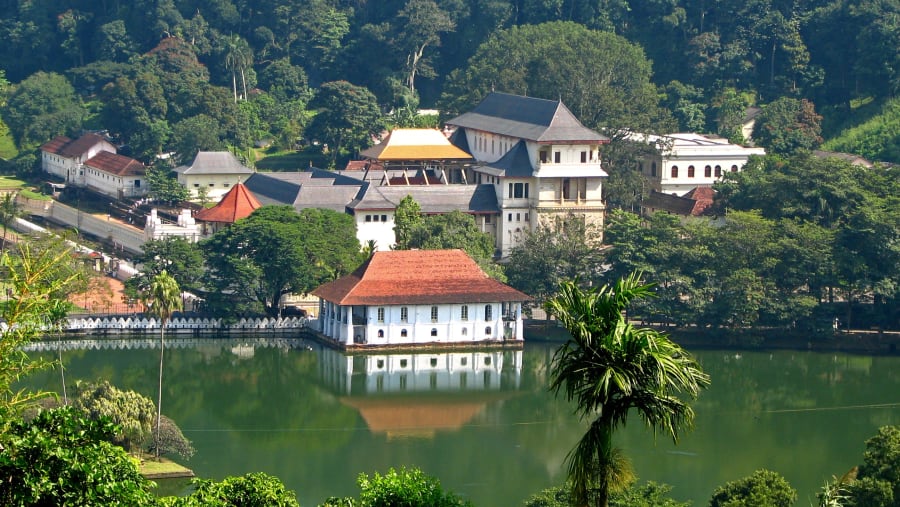
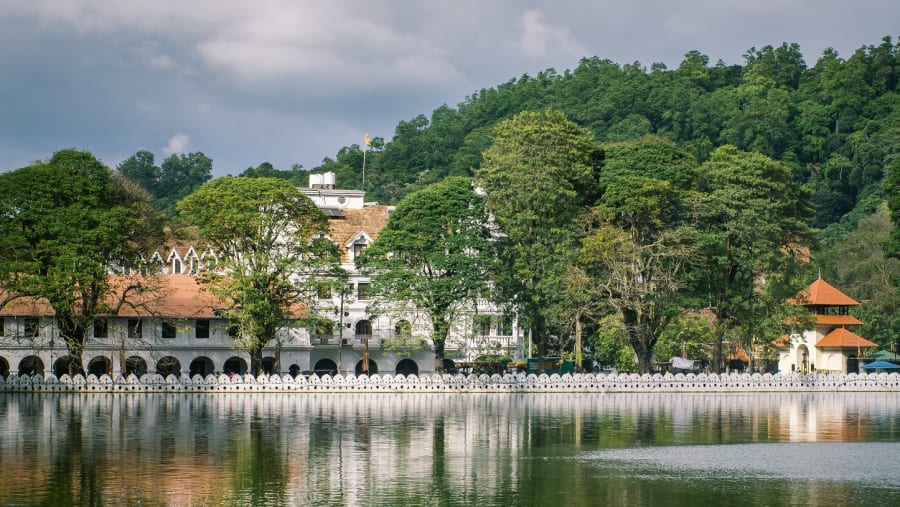
- Temple of the Tooth: Sri Dalada Maligawa, or the Temple of the Sacred Tooth Relic, is a Buddhist temple in the city of Kandy, Sri Lanka. It is located in the royal palace complex of the former Kingdom of Kandy, which houses the relic of the tooth of the Buddha. Since ancient times, the relic has played an important role in local politics because it is believed that whoever holds the relic holds the governance of the country. Kandy was the last capital of the Sri Lankan kings and is a World Heritage Site mainly due to the temple.