For a luxury Lemosho Route experience with Kiliclimb Africa Safaris, the packing approach is lighter for the client because most technical camping systems and logistics are fully handled by the operator. The focus shifts to comfort, layering, personal essentials, and travel convenience rather than heavy expedition gear.
Clothing is still based on a strict layering system, but in a more refined and comfort-oriented way. High-quality merino wool base layers are recommended because they regulate temperature and reduce odor on multi-day trekking. Mid-layers should include a premium fleece or lightweight insulated jacket. A high-fill-power down jacket is essential for summit night, ideally expedition-grade and rated for extreme cold. A fully waterproof and windproof outer shell is required, preferably breathable membrane fabric. Comfortable trekking trousers, convertible hiking pants, and thermal leggings for summit night are standard. Accessories should include a warm beanie, sun hat, buff, and high-quality insulated gloves plus heavy summit mittens.
Footwear should prioritize comfort and performance. A well broken-in, waterproof trekking boot is essential, ideally from a premium mountaineering brand. Luxury clients often prefer additional ankle support and cushioned insoles for long descents. Camp footwear such as lightweight insulated boots or high-quality sandals adds comfort at camp.
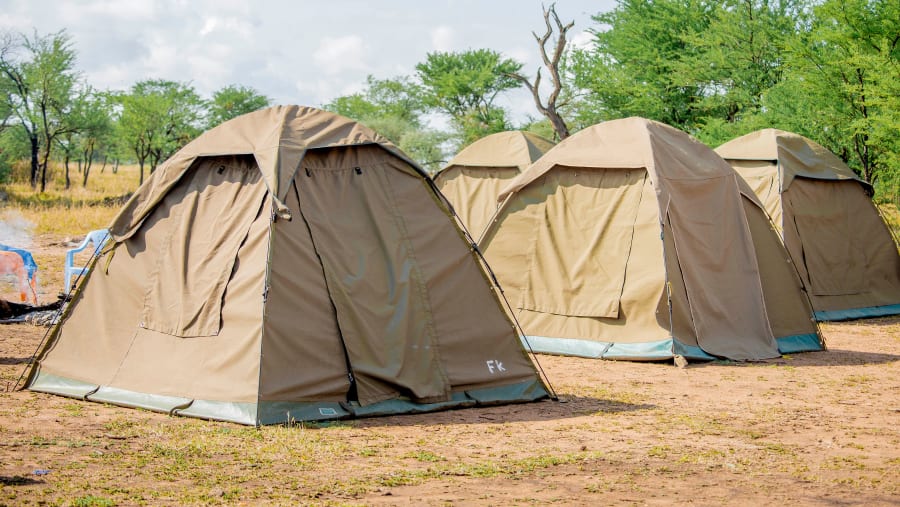
For sleeping arrangements, Kiliclimb Africa Safaris provides high-quality four-season mountain tents and insulated sleeping mats. Clients typically bring or are issued an expedition-grade sleeping bag rated around -15°C or lower, often with optional rental of premium sleeping systems. A silk or fleece liner is recommended for added warmth and hygiene.
Daypack use remains essential, typically 30-40 liters, carrying personal daily items such as water, jacket, snacks, camera, and sunscreen. A waterproof duffel bag is provided for main luggage carried by porters, usually 70-90 liters. Luxury operations often include organized baggage handling and dry bag protection for sensitive items.
Trekking equipment includes high-end adjustable trekking poles, a powerful headlamp with spare batteries for summit night, UV-protected sunglasses, and high-SPF sunscreen. Hydration systems (2-3 liters capacit