

Łódź Jewish Heritage and Ghetto History Tour
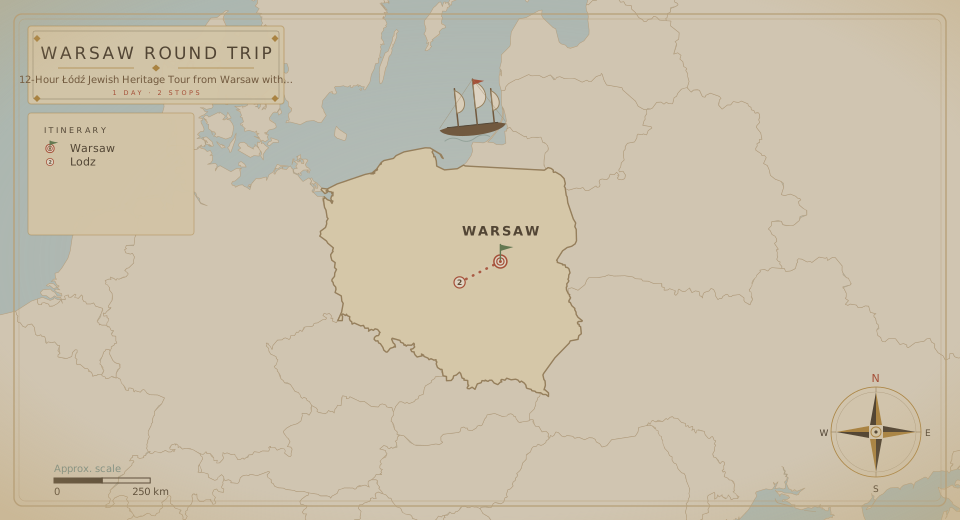
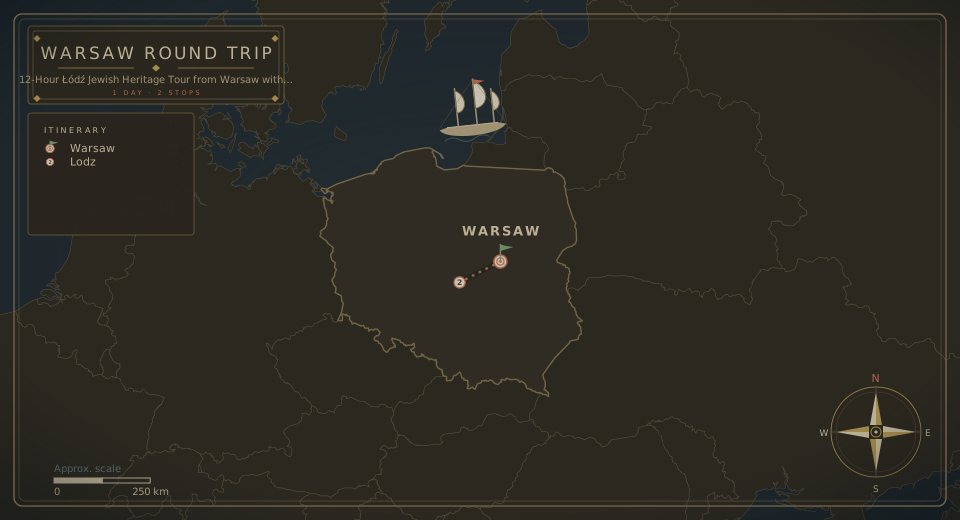
- Meet at an agreed location and begin the transfer to Łódź, one of the most important nineteenth-century textile manufacturing centers in Europe.
Arrive in Łódź and begin exploring the city shaped by a multicultural population of Poles, Germans, Jews, and Russians.
Drive through the area of the former Litzmannstadt Ghetto, officially sealed on 30 April 1940 and functioning until the summer of 1944.
Visit Radegast Station, the railway station from which Ghetto inhabitants were transported to extermination camps in Chełmno am Ner, Stutthof, and Auschwitz.
Continue through Bałucki Market Square and locations connected to the former Ghetto administration, including the Kripo "Red House" Building at 8/10 Kościelna Street.
Visit Bracka Street and explore the Jewish Cemetery, the largest Jewish cemetery in Europe, where approximately 160,000 inhabitants of Łódź were buried, including victims buried in the Ghetto Field.
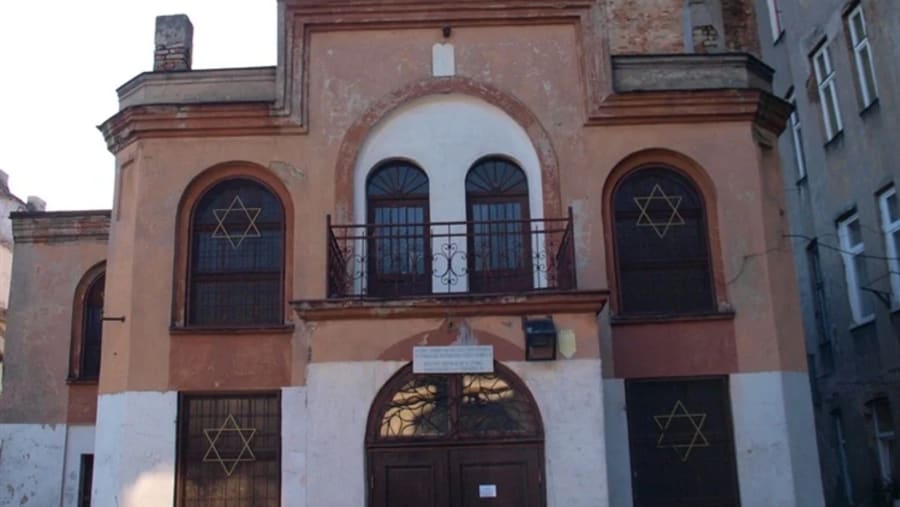
Visit Reicher's Synagogue at Rewolucji 1905 Street No. 28, the only synagogue in Łódź that survived World War II, as well as the former residence connected to the family of pianist Artur Rubinstein.
Walk along Piotrkowska Street, the main artery of Łódź, including house number 78, where Artur Rubinstein was born.
Visit Izrael Poznański's Palace, also known as the "Łódź Louvre," which presents memorabilia connected to Artur Rubinstein, Jerzy Kosiński, and other notable citizens.
Learn about the history of the Łódź Ghetto, where approximately 45,000 people died from starvation, cold, and exhaustion in 1942.
Allow time for personal exploration or rest during the tour.
Begin the return transfer after the sightseeing is complete and conclude the tour.