


Cape Recife Lighthouse and Grysbok Nature Reserve
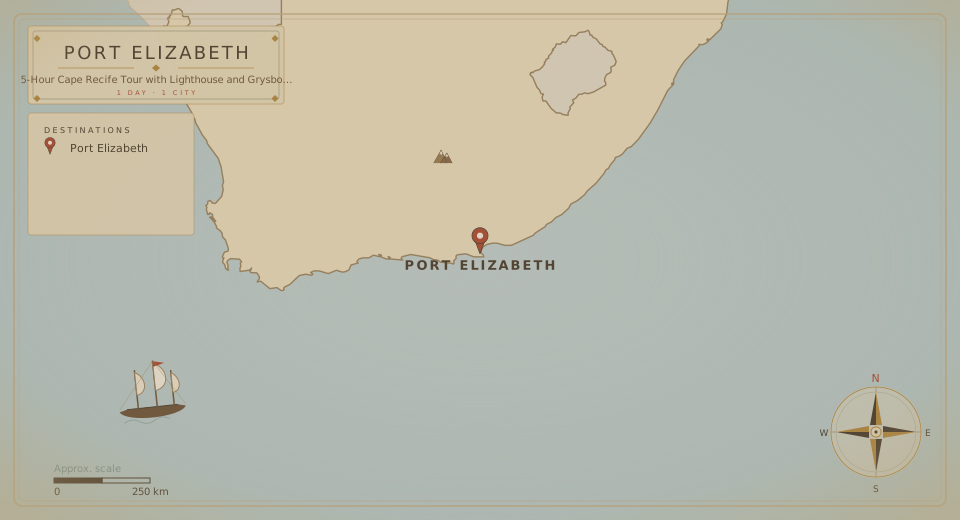
Get picked up from your residence by your Port Elizabeth tour guide and travel to the southernmost tip of Algoa Bay, Cape Recife, Cabo de Arrecife, and the Cape of Reefs, as the early Portuguese explorers named it.
Collect the keys and enter the reserve.
Arrive at SANCCOB for a guided tour of this marine bird and penguin rehabilitation centre. This modern facility is designed to rehabilitate the endangered African Black-footed penguin, with particular emphasis on the possible rescue of many birds in the event of a large oil spill in the bay. It is designed to release penguins back into their natural environment.
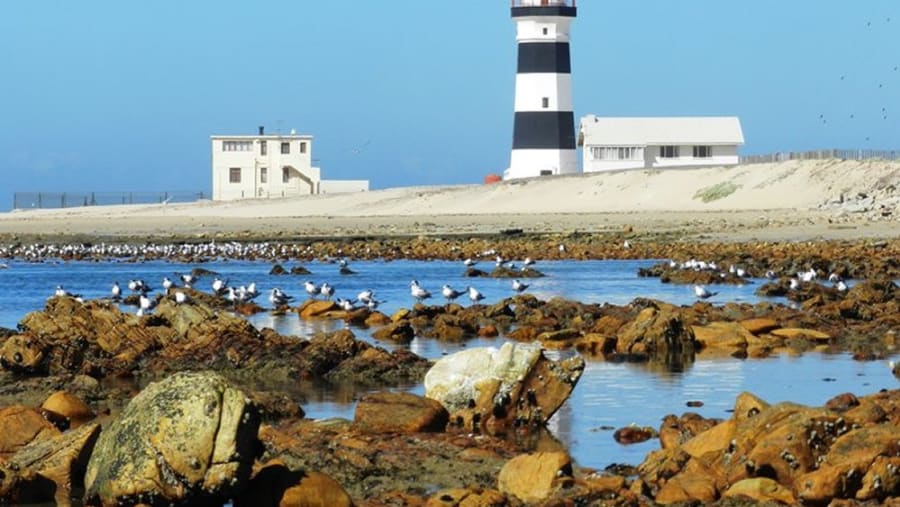
Continue to Cape Recife with its mobile dunes and historic lighthouse, completed in 1851, the 3rd oldest fully operational lighthouse in South Africa today.
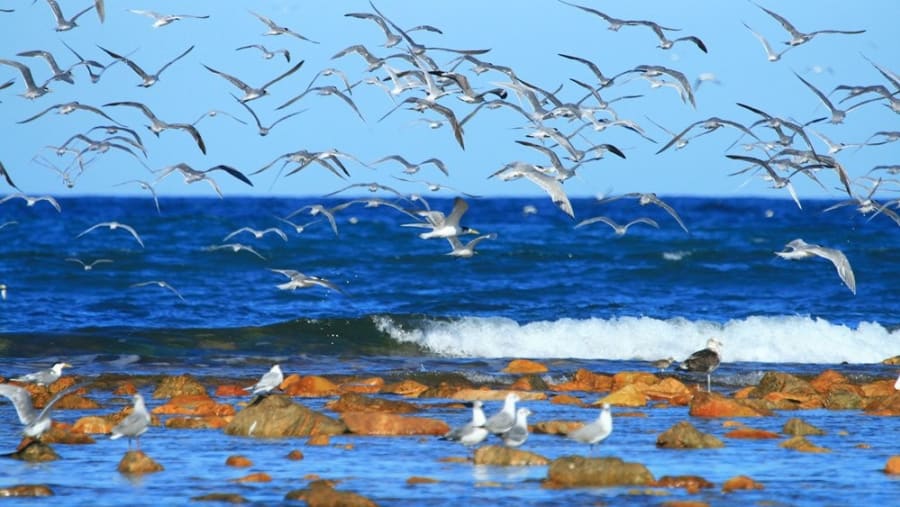
Walk the last 100 metres while observing the wealth of shorebirds and many species of terns that inhabit this often wind-swept rocky point at the southern entrance to Algoa Bay, and the very reason for this well-maintained lighthouse.
Enter the lighthouse and get introduced to the old machinery that provided the mechanical power to operate this lonely outpost. Climb the wooden, circular 101 stairs that bring you to the light at the top of the building, and wonder at the efforts of those early lighthouse keepers. The steps have been worn smooth and polished by weary footsteps up and down the stairway to keep the light burning and maintain this beacon of hope, even in the worst weather conditions. Stories of ghosts and intrigue seem to linger in the very atmosphere of this ray of light.
Enjoy a clear view of the area and distant Port Elizabeth from the top of the lighthouse. You can also see the remains of the early Khoikhoi fish traps that still exist here.
Proceed to the main road to enter the Grysbok Nature Reserve, a protected area of coastal fynbos that surrounds Nelson Mandela University (NMU). This refuge is home to several antelope, Red Hartebeest, Common Duiker, Bushbuck, and Zebra. It is also home to the diminutive Cape Grysbok, after which the reserve has been named. Your guide will point out several ancient shell middens, or discard heaps of seashells and other domestic debris, left as a testament to the lifestyles of these hardy hunter-herders who occupied these windswept shorelines tens of thousands of years ago.