

9-Day Great Serengeti Migration (Mara River Crossing) Safari

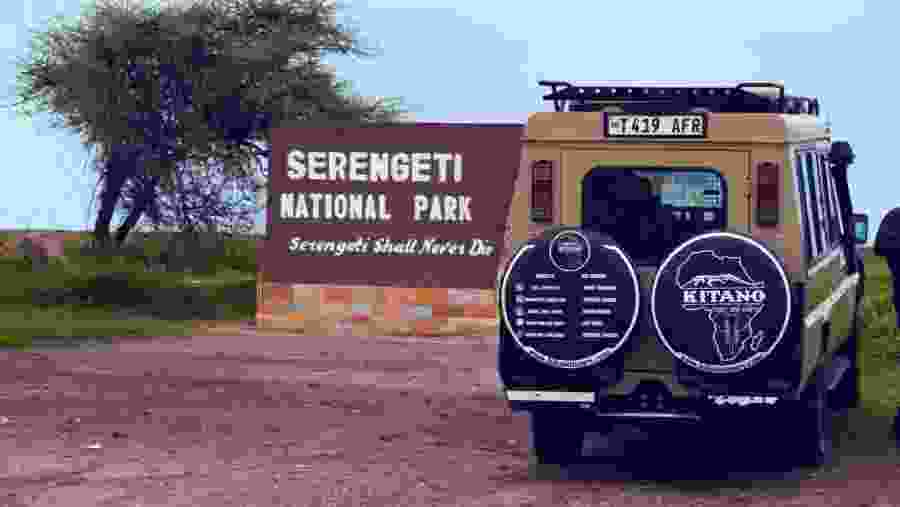
Highlights
Arusha, Lake Eyasi, Serengeti National Park, Lake Manyara, Ngorongoro Conservation Area, Tarangire National Park
Locations Covered
Arusha, Lake Eyasi, Serengeti National Park, Lake Manyara, Ngorongoro Conservation Area, Tarangire National Park
nature, safari, Wildlife
Private Tour
9 Days
Easy
English
Description
Embark on an unforgettable 9-day Great Serengeti Migration safari tour, starting at Arusha and venturing to Tarangire National Park to spot elephants, lions, and cheetahs. Visit the Hadzabe and Datonga tribes before witnessing the wildebeest migration in the northern Serengeti, crossing the Mara River. Continue with a game drive at Ngorongoro Crater and a full-day game drive at Lake Manyara National Park—Experience Tanzania's wildlife and culture on this incredible adventure.
Itinerary
-
Day 1: Arusha – Tarangire – Manyara/Karatu
- After breakfast, you will drive to Tarangire National Park. After reaching, a guide will take care of the paperwork at the park gate then you will drive to Tarangire national park and enjoy the game drive. The Tarangire national park is the largest park famous for wild animals like elephants, lions, leopards, cheetahs, lesser kudu, buffalo, Oryx, eland, giraffes, and zebra. Visitors should enjoy a full game drive at Tarangire national park before sunset. You will return to your camp/ lodge at Manyara Mto wa mbu.
-
Day 2: Manyara/Karatu – Lake Eyasi – Back Manyara/Karatu
- After spending a night at Manyara early in the morning after breakfast, a visitor will proceed on a game drive at Lake Eyasi. Lake Eyasi is a seasonal shallow endorheic Salt Lake on the floor of the Great Rift Valley at the base of the Serengeti Plateau, just south of the Serengeti National Park and immediately southwest of the Ngorongoro Crater in the Crater Highlands of Tanzania. The lake is elongated, orientated southwest to northeast, and lies in the Eyasi- Wembere branch of the Great Rift Valley wall. In the afternoon, you will be introduced to extraordinary people from an indigenous tribe known as the ‘Hadzabe’tribe and Datonga tribes. You will visit the tribes and learn about the way of tracking animals and medicine plants. In this area, it is easy to find and see wild animals, and a wide range of bird species can be viewed. In the late afternoon, you will drive back to Manyara/ Karatu.
-
Day 3: Manyara/Karatu – Serengeti
- After breakfast, we proceed across the Great Rift Valley’s floor, up the escarpment, and traverse the Ngorongoro Conservation area in what will ultimately be the pleasant, beautiful scenery of the Serengeti National Park. Serengeti National Park – with its endless plains, rolling into the distance as far as the eye can see. We’ll proceed to the Lobo area, located just north of the Seronera area (central Serengeti National Park). The wildebeest migration normally passes through the Lobo area every year around July / August on route to Kenya’s Masai Mara Game Reserve and again in the late October / November route to the southern Serengeti National Park. After visitors enjoy a game drive, they will stay at Serengeti National Park.
-
Day 4: Serengeti (Seronera Area)
- Early in the morning, after breakfast, a visitor should enjoy a game drive in the park at Serengeti national park; you will continue the descent to reach the Seronera area with a good view of wild animals. Non-migration animals like elephants, buffalo, gazelle, zebra, lions, leopards, and cheetahs can normally see here because it’s where wild animals pass to reach Serengeti National Park.
-
Day 5: Serengeti (Central) – Northern Serengeti (Kogatende Area)
- After breakfast, we head toward the northern Serengeti national park, the wagakuria area. We do the game drive route from the Lobo area to the Wagakuria area. As we head north, a visitor can sight and see a lot of wild animals at Serengeti, like giraffes, plain game, herds of buffalo, and elephants. In mid of July to October, a movement of animals passing through the mara river herd of wildebeest gazelle and zebra begin their spectacular annual migration northwards. In their wake, follow predators, lions, cheetahs, and wild dogs with vultures circling. We arrive in time for lunch at the lodge, and after lunch, we will enjoy an afternoon game drive in the area. The wildebeest migration can normally be found in the Wagakuria area from Mid-July to October, depending on rainfall patterns. A long stretch of the Mara River runs through the northern Serengeti National Park.
-
Day 6: Serengeti (Central) – Northern Serengeti (Kogatende Area)
- After breakfast, a visitor enjoys a game drive to the kogatende area, resident much numbers of wildlife is found there. This camp is used for the Serengeti Mobile Green Camp from July till the end of November when the migration is in the Northern Serengeti and hopefully crossing the Mara River. The camp is approximately 20 minutes from the Mara River and set up on a ridge under large evergreen trees overlooking a large part of the Northern Serengeti wilderness zone, where a large group of wildebeest crosses the river and can enjoy wild animals in peace. A visitor can also use Hot Air Balloon to enjoy wild animals in this area.
-
Days 7: Serengeti (Central) – Ngorongoro
- We proceed in the morning and afternoon with a game drive in central Serengeti with lunch. Thereafter enjoying a driving game in Serengeti, a visitor can take hours in a break at the lodge in the mid-afternoon. Central Serengeti means endless plain in the Masai language and is surrounded by leopards, lions, hyenas, and cheetahs.
- This park is normally the scene of the annual wildebeest and zebra migration between the Kenya mara and Serengeti it includes a variety of bird species like eagles, ducks, geese, egrets, vultures, secretary birds, ibis, stork, herons, pelicans, cranes, and guinea fowl. The Serengeti National Park is arguably the best-known wildlife sanctuary in the world, with over 3 million large mammals. About 35 species of plains animals can be seen there, including the “big 5”, Elephant, Rhino, Lion, Leopard, and Buffalo. Other common species found here include hippo, giraffe, eland, impala and other antelope types, baboons, monkeys, and a profusion of over 500 species of birds.
- After having your lunch, you will proceed with the game drive to view and see wild animals located in Serengeti. After that, you will transfer to the gate of Serengeti to check out of Serengeti national park, then you will proceed with the game on the route to Ngorongoro Crater. Dinner and overnight at a Camp or Lodge at the rim of the Ngorongoro Crater.
-
Days 8: Ngorongoro Crater – Manyara
- After breakfast, we depart to the Ngorongoro Conservation, the world’s largest inactive, intact and unfilled volcanic caldera. It has a massive floor of about 260 sq km with a depth of over 2000 feet. Where a visitor will descend over 600 meters into the crater to view wild animals like wildebeest, zebra, buffalo, eland, warthog, hippo, and elephants, Ngorongoro crater is the most beautiful park where a visitor enjoys a game drive at the crater, and take a photo, after a short period of time you will drive back to your camp/ lodge at Manyara for overnight stay.
-
Days 9: Lake Manyara Full Day Tour – Back To Arusha/Moshi
- We continue with a full game drive at Lake Manyara national park Visitors should enjoy a national park. This park is smaller but offers many wild animals, which can attract customers; the wild Animals are found in Manyara, like elephants, hippos, giraffes, buffaloes, and antelopes. Lake Manyara national park is a small park at the base of the Rift Valley escarpment. Its groundwater forest offers a nice change of scenery from the more savannah-dominated parks. Although the park is known for tree-climbing lions, big cats aren't that easily seen. Elephants are prolific and are the main attraction. After the full-game drive, we head back to Arusha or Moshi.
What's Included
What's Excluded
Meeting Point
Cancellation Policy
-
For cancellations upto 2 days before the tour -
Refund of 80% of the tour price.
Price
| Adult | |
|---|---|
| 1 to 20 | /person |
| Child | |
| 1 to 20 | /person |
|
This is a private tour |
|