

12-Hour Łódź Jewish Heritage and Ghetto History Tour


Highlights
Lodz
photography, historical, sightseeing
Private Tour
12 Hours
Easy
English
Description
In the 19th century, Lodz became a powerful manufacturing center in the European textile industry. In the beginning, the city owed its great development to a unique multicultural mix of Poles, Germans, Jews, and Russians, although they comprised only a small percentage of the population. Before WWII, 10% of the 670,000 inhabitants claimed German roots, and more than 30% of the population was Jewish. Lodz had the second-largest Jewish population in Poland—approximately 233,000. The Ghetto in Lodz was officially sealed off and isolated from the rest of the city on April 30, 1940. Approximately 45,000 people died of starvation, cold, and emaciation in 1942. They were buried in the Jewish Cemetery, mainly in the so-called Ghetto Field, the same year. The Lodz Ghetto functioned until the summer of 1944, lasting longer than any other ghetto. All other ghettos in Poland were razed to the ground in 1942 and 1943. During the Jewish Lodz Tour, you will explore with me:
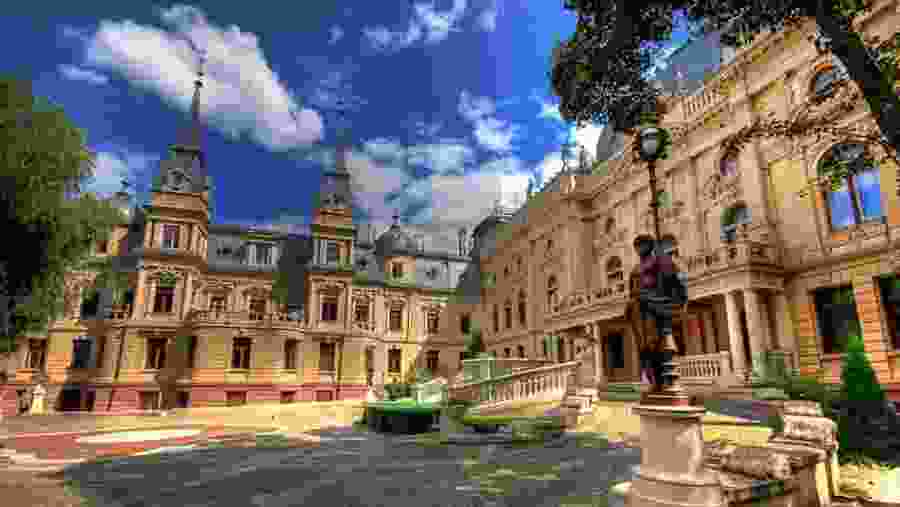
Izrael Poznanski’s Palace—also called the “Łódź Louvre”—is the most impressive residence in Łódź, featuring a collection of memorabilia from Arthur Rubinstein, Jerzy Kosiński, and other famous citizens. We will drive through the former Litzmannstadt Ghetto, including Radegast Station, Bałucki Market Square, the Kripo “Red House” Building at 8/10, and Koscielna Street (Criminal Police in the Ghetto). The Jewish Cemetery is the largest Jewish cemetery in Europe, where approximately 160,000 of Lodz’s inhabitants were buried.
Itinerary
-
12-Hour Łódź Jewish Heritage Historical Itinerary
- Meet at an agreed location and begin transfer to Łódź, one of the most important nineteenth-century textile manufacturing centers in Europe.
Arrive in Łódź and begin exploration of the city shaped by a multicultural population of Poles, Germans, Jews, and Russians.
Drive through the area of the former Litzmannstadt Ghetto, officially sealed on 30 April 1940 and functioning until the summer of 1944.
Visit Radegast Station, the railway station from where Ghetto inhabitants were transported to extermination camps in Chełmno am Ner, Stutthof, and Auschwitz.
Continue through Bałucki Market Square and locations connected to the former Ghetto administration, including the Kripo “Red House” Building on 8/10 Kościelna Street.
Visit Bracka Street and explore the Jewish Cemetery, the largest Jewish cemetery in Europe, where approximately 160,000 inhabitants of Łódź were buried, including victims buried in the Ghetto Field.
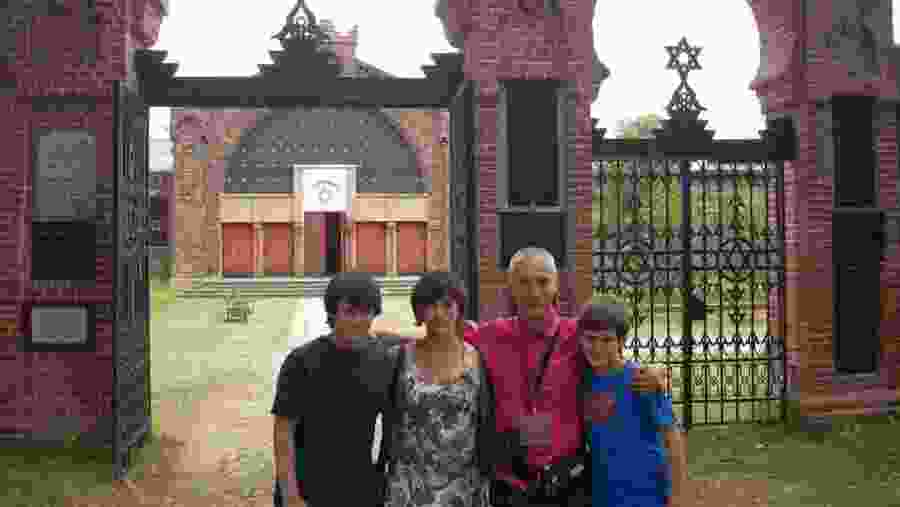
Visit Reicher’s Synagogue at Rewolucji 1905 Street No. 28, the only synagogue in Łódź that survived World War II and the former residence connected to the family of pianist Artur Rubinstein.
Walk along Piotrkowska Street, the main artery of Łódź, including house number 78 where Artur Rubinstein was born.
Visit Izrael Poznański’s Palace, also known as the “Łódź Louvre,” presenting memorabilia connected to Artur Rubinstein, Jerzy Kosiński, and other notable citizens.
Learn about the history of the Łódź Ghetto, where approximately 45,000 people died from starvation, cold, and exhaustion in 1942.
Allow time for personal exploration or rest during the tour.
Begin return transfer following completion of sightseeing and conclude the tour.
What's Included
What's Excluded
Meeting Point
Cancellation Policy
-
For cancellations upto 2 days before the tour -
Refund of 80% of the tour price.
Price
| The Group Size and Price | |
|---|---|
| 1 to 7 | /group |
|
This is a private tour |
|