


White Desert Egypt: What First-Time Visitors Need to Know
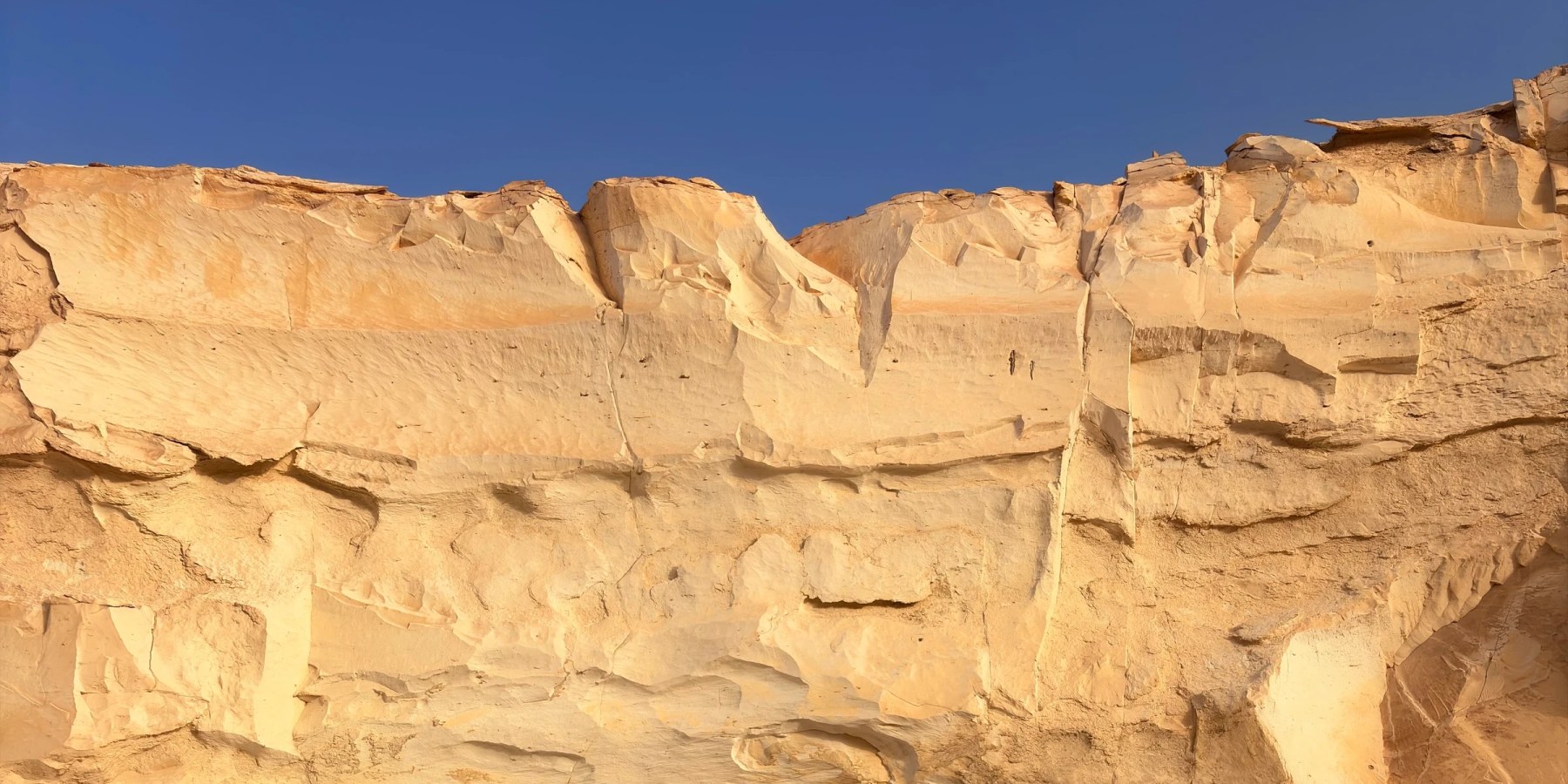
The White Desert is one of Egypt’s most unusual natural landscapes. Instead of temples or city streets, visitors find an open protected desert filled with pale chalk formations shaped by wind, long horizons, quiet valleys and an exceptionally clear night sky. It is a rewarding journey for travelers who enjoy nature, photography and experiences that feel far removed from a standard sightseeing itinerary.
Where is the White Desert?
The White Desert Natural Protectorate lies in Egypt’s Western Desert. Most journeys from Cairo use Bahariya Oasis as the practical gateway. The road journey from Cairo or Giza to Bahariya usually takes several hours, depending on traffic, stops and the pickup area. In Bahariya, travelers normally meet the local safari team and change from a road vehicle to a suitable 4x4.
The desert portion is not an ordinary self-drive excursion. Routes can cross sand, rock and remote areas with limited mobile coverage. Access, permits and protected-area rules should be confirmed through an authorized local operator before departure.
What will you see?
A well-planned White Desert safari is about the changing landscape, not one single viewpoint. Common stops can include the dark hills of the Black Desert, natural springs around Bahariya, Crystal Mountain, the wide formations of Agabat Valley and the famous chalk shapes of the White Desert.
Exact routes can change because of weather, road conditions, regulations and the length of the trip. A responsible guide explains the realistic program rather than promising every stop regardless of conditions.
Day trip or overnight camping?
For most first-time visitors, two days and one night is the classic choice. It allows time for the road journey, 4x4 sightseeing, sunset, dinner at camp, stargazing and sunrise before returning toward Cairo.
A three-day itinerary offers a slower pace and more time for remote landscapes, photography and quiet stops. A same-day return can be possible in some programs, but it involves a long day and does not provide the atmosphere of an overnight desert camp.
What is camping like?
White Desert camping is usually a mobile desert setup rather than a permanent hotel-style camp. Depending on the operator and program, the team may prepare tents, mattresses, blankets, seating and a freshly cooked dinner.
Travelers should ask clear questions before booking: Is the sleeping tent private? What bedding is included? What toilet arrangement is available? Are meals and drinking water included? Facilities vary between tours, so a precise answer matters more than a generic promise of luxury.
Best time to visit
The most comfortable period is generally from October to April. Days are milder, but winter nights can be surprisingly cold. December and January may require a warm jacket, layers, long trousers and a hat after sunset.
Summer travel is hotter and requires careful planning, more water and adjusted activity times. Wind or sand conditions can also affect a route at any time of year.
What should you pack?
Bring comfortable closed shoes, sunglasses, sunscreen, a hat, a scarf or buff, personal medication and a small overnight bag. Pack warm layers even if Cairo feels pleasant. A power bank is useful because charging may be limited at camp.
Keep luggage compact. Soft bags are easier to place in a 4x4 than large hard-shell cases. Ask whether extra luggage can be stored safely in Bahariya during the safari.
Safety and local guidance
The White Desert is remote, which is part of its attraction and also the reason local knowledge matters. A suitable vehicle, an experienced driver, sufficient water, route knowledge and correct permissions are essential.
Eyad Elzaghandi, a licensed local guide from Bahariya Oasis and the desert expert behind Egypt Desert Trips, recommends confirming the full route, camp facilities, pickup plan and inclusions before paying a deposit. Clear preparation helps travelers relax once the road leaves the city.
How to choose the right tour
Compare more than the headline price. Check whether Cairo or Giza transfers, 4x4 transport, permits, entrance fees, meals, drinking water, camping equipment and pickup and drop-off are included. Ask whether the tour is private or shared and how many guests will travel in each vehicle.
A trustworthy operator should explain extra costs before booking, not during the trip. Travelers who want a private pace, special photography stops or a different drop-off point should request this in advance.
A practical next step
For a classic first experience, a private two-day journey from Cairo is a balanced choice. You can review a detailed example here:
https://egyptdeserttrips.com/booking/2-day-white-desert-tour-from-cairo/
More desert and Egypt itineraries are available at:
https://egyptdeserttrips.com/tours/
The White Desert is not only a place to photograph. Its strongest moments often happen after the sightseeing stops: the sudden quiet at sunset, tea beside the campfire and the first light moving across the chalk formations. With realistic expectations and an experienced local team, it can become one of the most memorable parts of an Egypt journey.