


Most people who visit Baghdad tell me the same thing on the last day: "This is nothing like what I expected."
I hear it every time. And I understand why — the Iraq you've seen on the news for twenty years looks nothing like the city I live in. I was born near Babylon and am based in Baghdad. I've watched this city change, rebuild, and slowly open its doors to the world again. What I see today is a city full of energy, history, and som
e of the warmest hospitality you'll find anywhere on earth.
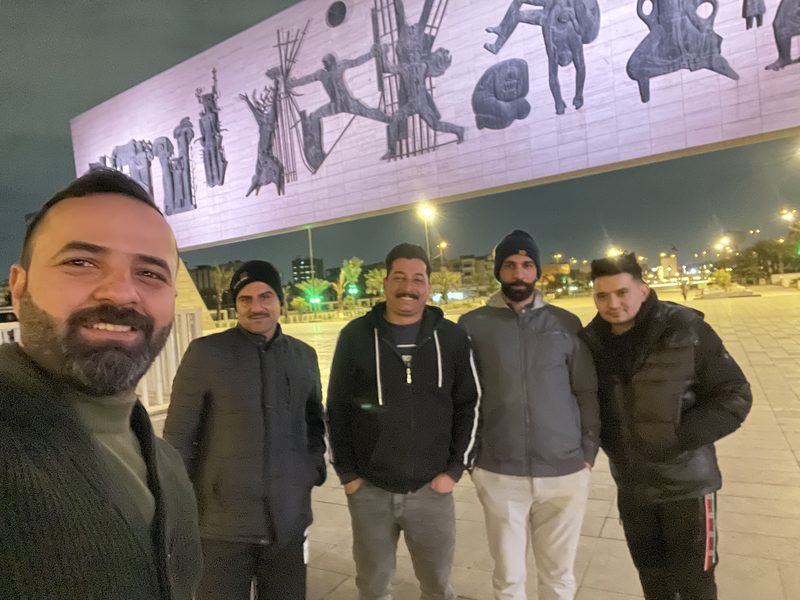
Here's what visiting Baghdad actually looks like.
The Old City
Start with Al-Mutanabbi Street — Baghdad's legendary book market, named after the 10th-century poet. On Friday mornings it fills with booksellers, intellectuals, artists, and students. It's been a meeting place for Baghdad's thinkers for over a thousand years and it still feels that way today. Walk from there through the copper bazaar, past the Abbasid Palace — one of the few surviving structures from medieval Baghdad — and down to the river.
The Tigris runs through the heart of the city. At night, the riverside street of Abu Nuwas comes alive with families, street food vendors, and tea houses. This is Baghdad at its most relaxed.
The National Museum
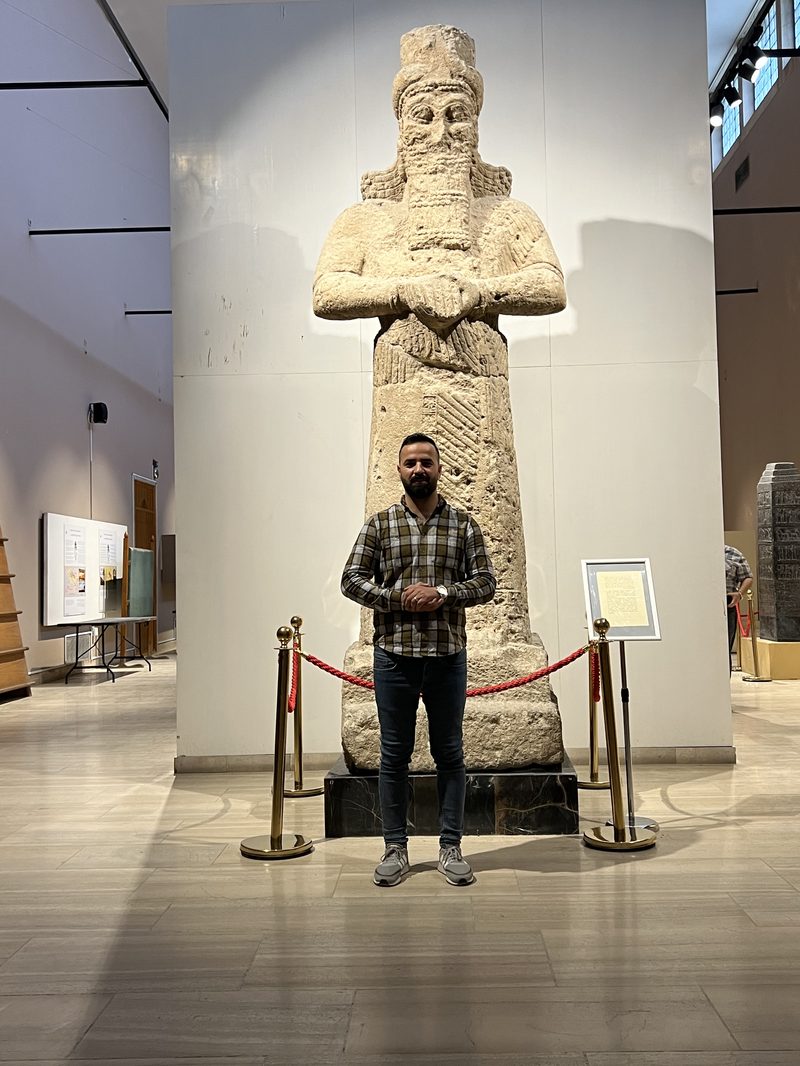
The Iraq Museum holds one of the most important archaeological collections on earth — Sumerian, Babylonian, and Assyrian treasures spanning 5,000 years of human history. It has been closed periodically for renovation but when open, it is extraordinary.
Ctesiphon
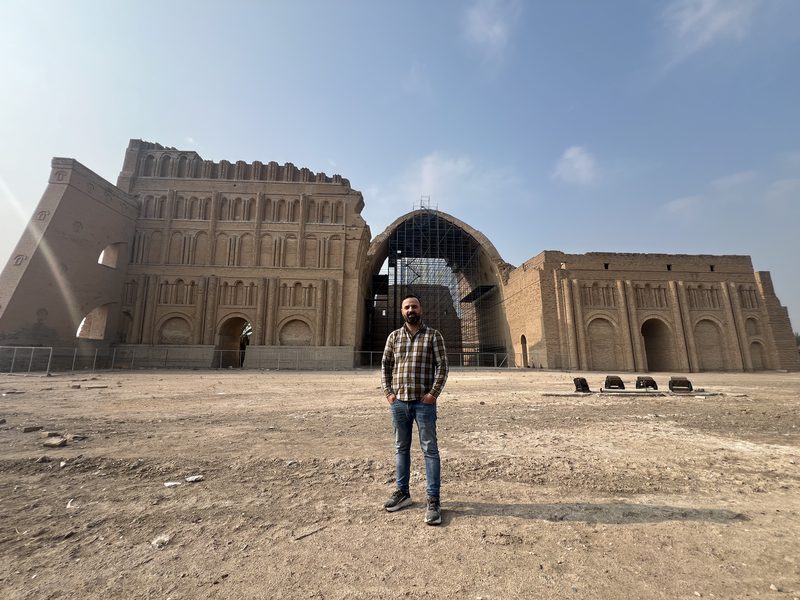
Just 35 kilometres south of Baghdad sits the Arch of Ctesiphon — the world's largest single-span unreinforced brick arch, built around 550 AD. It was the throne room of the Sasanian Empire. Standing in front of it, you understand the scale of what was built here. Almost no tourists visit it. On many days, you'll have it completely to yourself.
The Food
Baghdad's food scene is one of its best-kept secrets. The dish you must try is masgouf — carp split open, slow-grilled over an open fire, served with flatbread and pickles along the Tigris. It has been Baghdad's signature dish for centuries. Beyond masgouf, try kubba — spiced meat inside a shell of rice or bulgur — and don't leave without drinking tea with cardamom at a traditional cafe.
Shahbandar Cafe on Al-Mutanabbi Street has been serving tea since 1917. It survived every war, every occupation, and a bombing in 2007 that killed four of the owner's sons. He rebuilt it and kept it open. That's Baghdad in a sentence.
Is It Safe?
Yes — for the areas tourists visit. Baghdad has been stable for years. I've guided travellers from over 30 countries through this city without a single incident. The checkpoints are part of daily life and take two to three minutes to pass through. The soldiers are curious about foreign visitors — many will ask where you're from and welcome you warmly.
The Iraq you see on the news is not the Iraq I show my guests.
Practical Tips
Most nationalities need an eVisa (~$160), applied online before arrival. October through April is the best time to visit — mild temperatures and clear skies. Avoid June through September unless you enjoy extreme heat. Arabic is the language of daily life so having a local guide makes everything smoother — from checkpoints to restaurant ordering to finding the places that aren't on any map. I've put together a full 3-day Baghdad tour itinerary at https://alibabylon.com/baghdad-tour/ if you want a detailed day-by-day breakdown of what's possible.
Baghdad rewards travellers who come with an open mind. It is ancient, chaotic, warm, and completely full of surprises. There is nowhere else on earth quite like it.