


If you visit the Museum of Cham Sculpture in Da Nang, don't just walk past the bronze statue of Tārā. Behind her enigmatic gaze lies a thousand-year-old mystery recently decoded by Architect Le Tri Cong.
Why this isn't just "another statue":
A Spiritual Warrior Unveiled: Long thought to be a generic deity, she has been identified as Pravira Tārā, the "Warrior of the Karma Family". Her semi-wrathful expression and the Dharma wheels etched into her palms reveal her true nature as a fierce spiritual protector.
A High-Tech Relic of the 9th Century: Crafted using the sophisticated "lost-wax" technique, this statue contains a copper-rich alloy linked to Newar craftsmanship from Nepal. It proves that ancient Champa was a vital hub in a global network connecting the Himalayas to India.
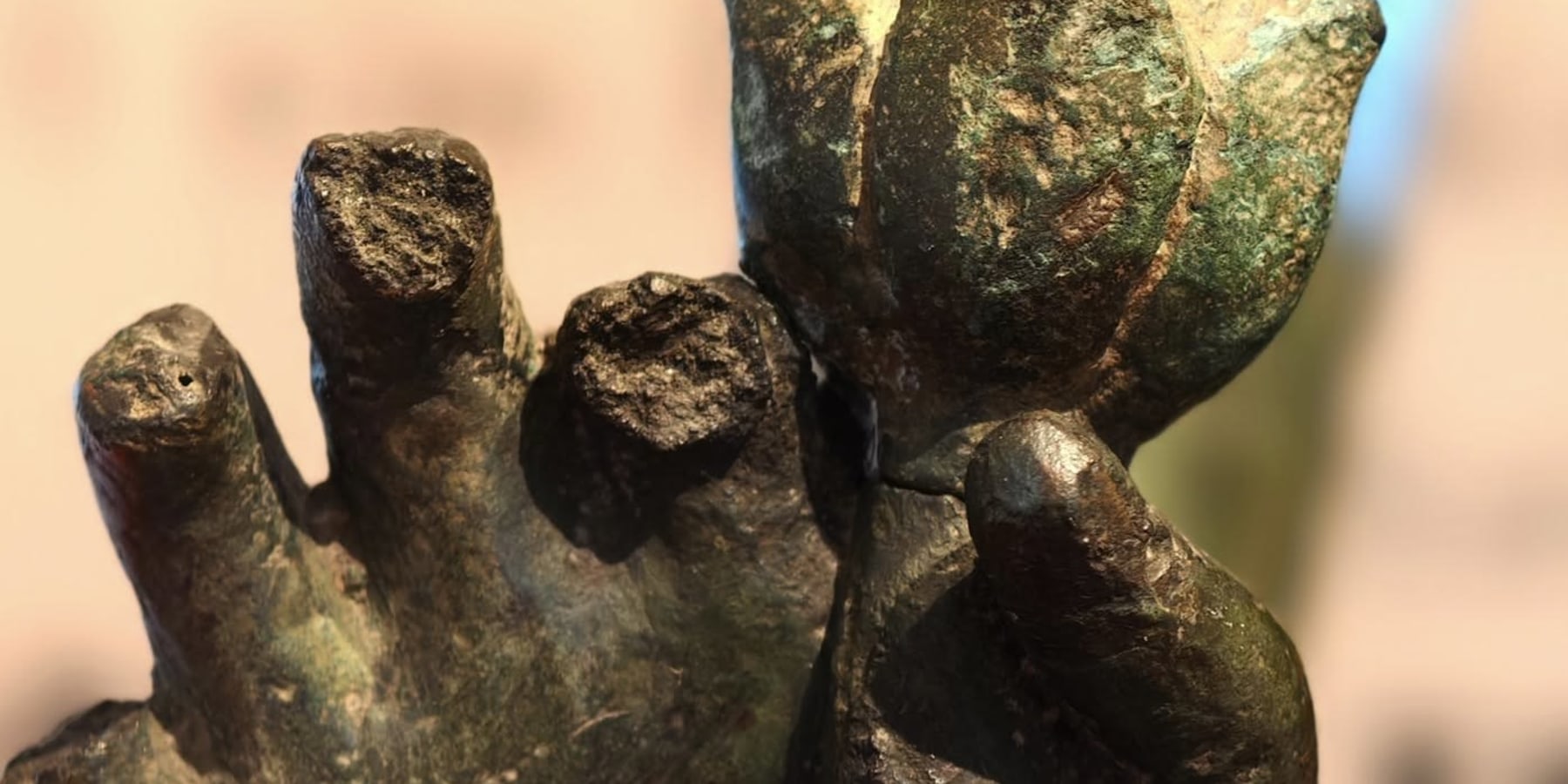
The Frozen Dance: Look closely at her hands. Her posture—the Arala Mudrā—captures a split-second of a sacred Tantric dance, once used in mystical royal rituals to transform "poison into nectar".
A Political Power Play: More than art, this was a "political manifesto" for the Indrapura Dynasty. By choosing this Goddess over traditional Brahmanism, the Kings asserted a unique divine authority to protect their realm from neighboring empires.
Next time you’re in Da Nang, go find the Pravira Tārā. She isn't just standing there; she’s performing a silent, powerful dance that has lasted for over a millennium.