

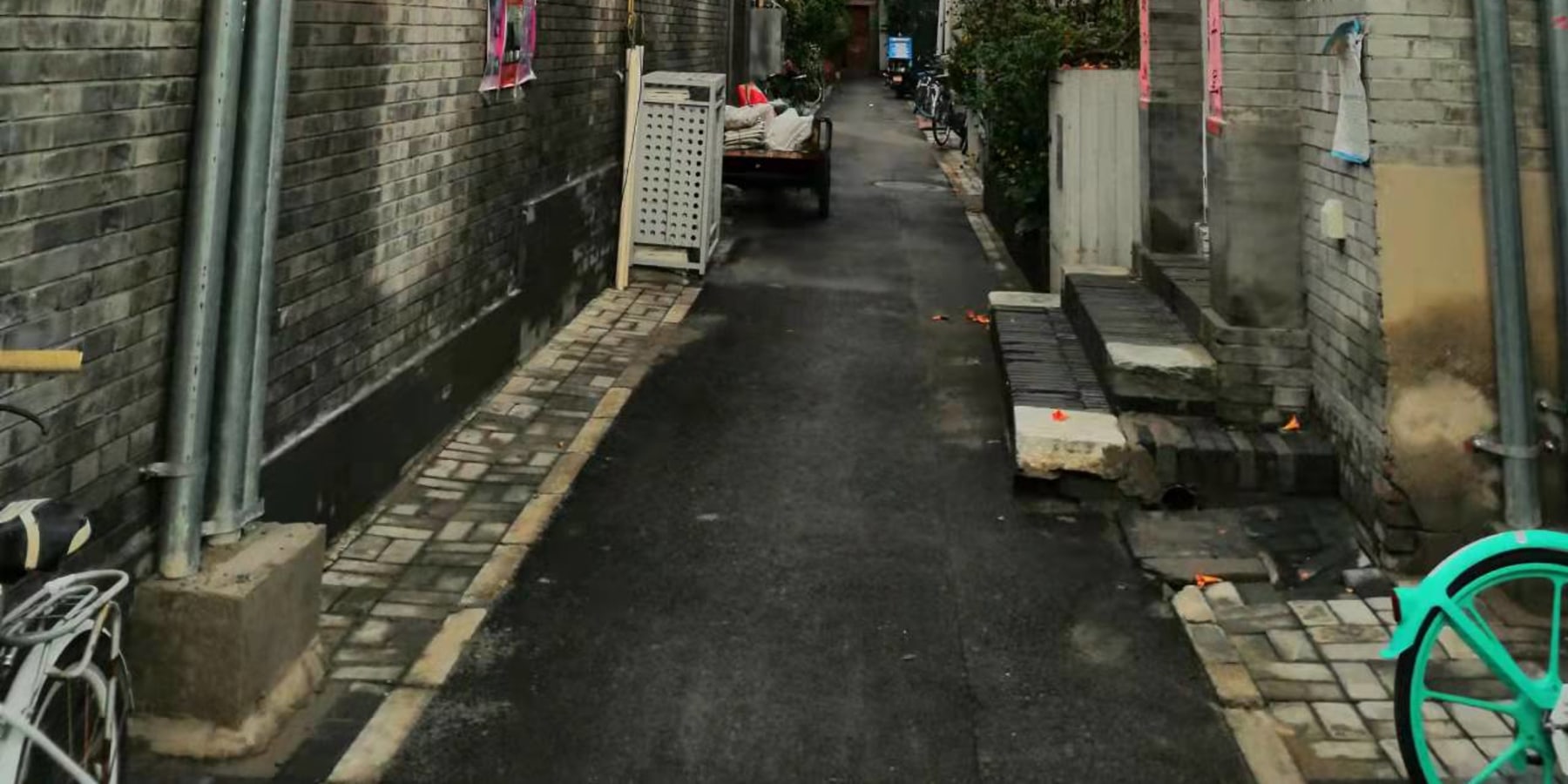

Hutong are one of the most distinctive cultural features of Beijing. These traditional alleyways were formed around courtyard residences, known as siheyuan, and have been an essential part of the city’s urban life for centuries. Exploring hutongs provides a close look at how local residents live, interact, and preserve traditions in a rapidly modernizing city.
Unlike large tourist landmarks, hutongs offer a slower and more personal experience. Visitors can observe everyday activities such as neighbors chatting, children playing, and small family-run shops operating along the alleys. This environment helps travelers understand Beijing beyond its imperial palaces and monuments, showing the human side of the city.
Different hutong areas have their own character. Some are lively and social, while others are quiet and residential. Along the way, visitors may see traditional courtyard architecture, local temples, street food stalls, and historic buildings that date back to the Yuan, Ming, or Qing dynasties. Many hutongs also reflect changes over time, blending old lifestyles with modern influences.
A guided hutong walk adds depth to the experience. Local guides can explain the history of the neighborhood, architectural details, and cultural customs that are not obvious to first-time visitors. They also help travelers navigate respectfully through residential areas, ensuring a meaningful and responsible visit.