


Dar es Salaam is often treated as a brief stop on the way to safaris or Zanzibar, but with the right local guidance, one day is enough to uncover its rich history, vibrant culture, and coastal charm. A well-planned day balances heritage, everyday life, food, and ocean views—revealing the city beyond first impressions.
Morning: Discover the Roots of the City
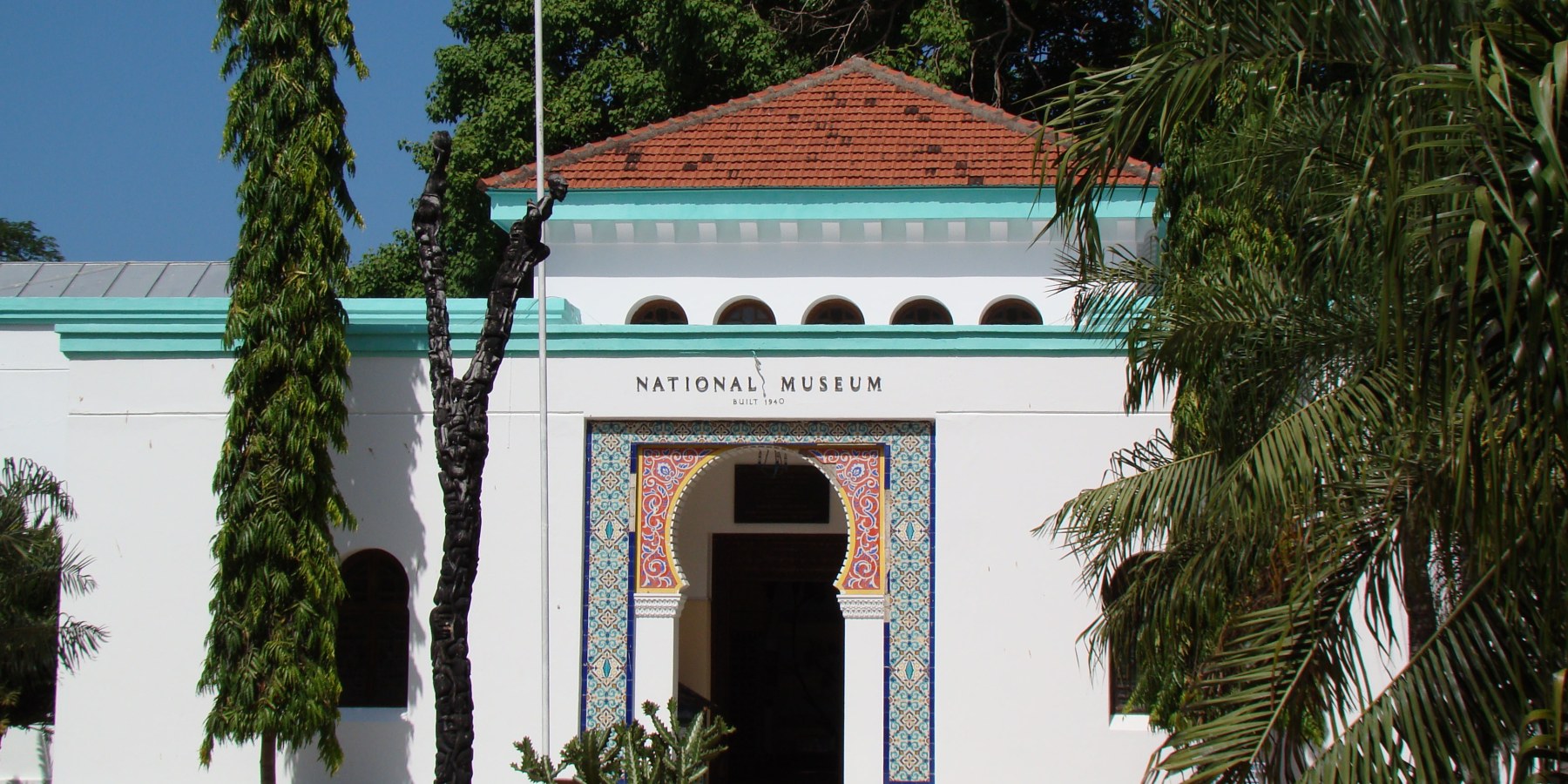
Start the day at the National Museum of Tanzania, where Dar es Salaam’s story begins. Here, visitors gain context on Tanzania’s journey from early human history to colonial rule and independence. Exhibits include the famous Olduvai Gorge discoveries, traditional ethnographic displays, and colonial-era artifacts that explain how the city evolved into today’s commercial capital.
From there, take a short walk or drive through the city center to view landmarks such as the Askari Monument and historic government buildings. A local guide helps connect these sites to real stories—about World War I, colonial transitions, and the role Dar es Salaam played in shaping modern Tanzania.
Mid-Morning: Culture and Creativity
Next, head to the Village Museum (Makumbusho) for a deeper understanding of Tanzania’s diverse ethnic heritage. Traditional houses from different regions show how communities lived before modernization, while daily dance performances bring culture to life through music and movement. This stop provides an essential foundation for understanding Tanzania beyond its cities.
Continue to the Tingatinga Arts Cooperative Society, where vibrant paintings capture local life, wildlife, and imagination. Watching artists at work and learning about the origins of this unique art style adds creative energy to the morning.
Lunch: Taste the City
A local guide will take you away from tourist-only restaurants to enjoy authentic Swahili coastal cuisine. Fresh fish, coconut-based dishes, rice, and tropical fruits offer a true taste of Dar es Salaam’s multicultural food heritage. This is also a chance to rest, observe city life, and interact naturally with locals.
Afternoon: Markets and Everyday Life
After lunch, explore Kariakoo Market, the largest market in East Africa. This bustling hub reflects the city’s economic heartbeat—where traders, shoppers, and transporters converge. With a guide, the experience becomes organized and informative rather than overwhelming, revealing how food, fashion, and trade shape daily life in Dar. From Kariakoo, visit Mwenge Woodcarvers Market, home to hundreds of Makonde woodcarvers. This is one of the best places to see traditional craftsmanship in action and learn how art remains an important livelihood for many Tanzanians.
Late Afternoon: Coastal Views and Reflection
As the day slows, head toward the coast. A walk along Msasani Bay or the Kivukoni waterfront offers fresh air and ocean views, highlighting Dar es Salaam’s deep connection to the Indian Ocean. If time allows, passing by historic churches such as St. Joseph’s Cathedral or Azania Front Lutheran Church adds architectural beauty to the experience.
Evening: Sunset and Local Atmosphere
End the day at a quiet coastal spot or rooftop viewpoint overlooking the harbor. Watching the sun set as ferries cross and ships arrive captures Dar es Salaam’s role as a gateway to East Africa. It’s a peaceful moment that contrasts with the city’s daytime energy.
Why Explore With a Local Guide?
Dar es Salaam is layered and fast-moving. A local guide helps you move efficiently, avoid tourist traps, understand cultural context, and discover places you might otherwise miss. More importantly, a guide transforms a one-day visit into a meaningful experience—connecting history, people, and places into one coherent story. With the right local insight, one day in Dar es Salaam is not rushed—it’s rich, memorable, and deeply rewarding.