


I understand that feeling. It's like opening a map of China for the first time and suddenly realizing the country is almost the size of the entire continent. You want to go everywhere, but you don't have enough time. If you're currently looking for a map and feeling lost—don't worry, you're not alone.
This article won't list a bunch of places you've never heard of. Instead, I want to show you, based on real data and experiences from foreign travelers like yourself, which places are truly worth your time to explore in 2026. The article will focus on the Yangtze River Delta, one of China's most fascinating regions. I live here myself, and many of the details I share are only known to locals.
Hopefully, after reading this article, you will have a clear answer to that big question: "Where should I go?"
Where will foreign tourists go in 2026?
According to the "2026 Inbound Tourism Report" released by Qunar.com, foreign...
The top ten most frequently visited domestic destinations for tourists are: Shanghai, Beijing, Guangzhou, Shenzhen, Chengdu, Chongqing, Hangzhou, Xiamen, Haikou, and Qingdao. Xiaohongshu's report also lists a similar ranking for Chongqing: Shanghai, Beijing, Guangzhou, Hong Kong, Shenzhen, Chengdu, Hangzhou, Kunming, and Harbin.
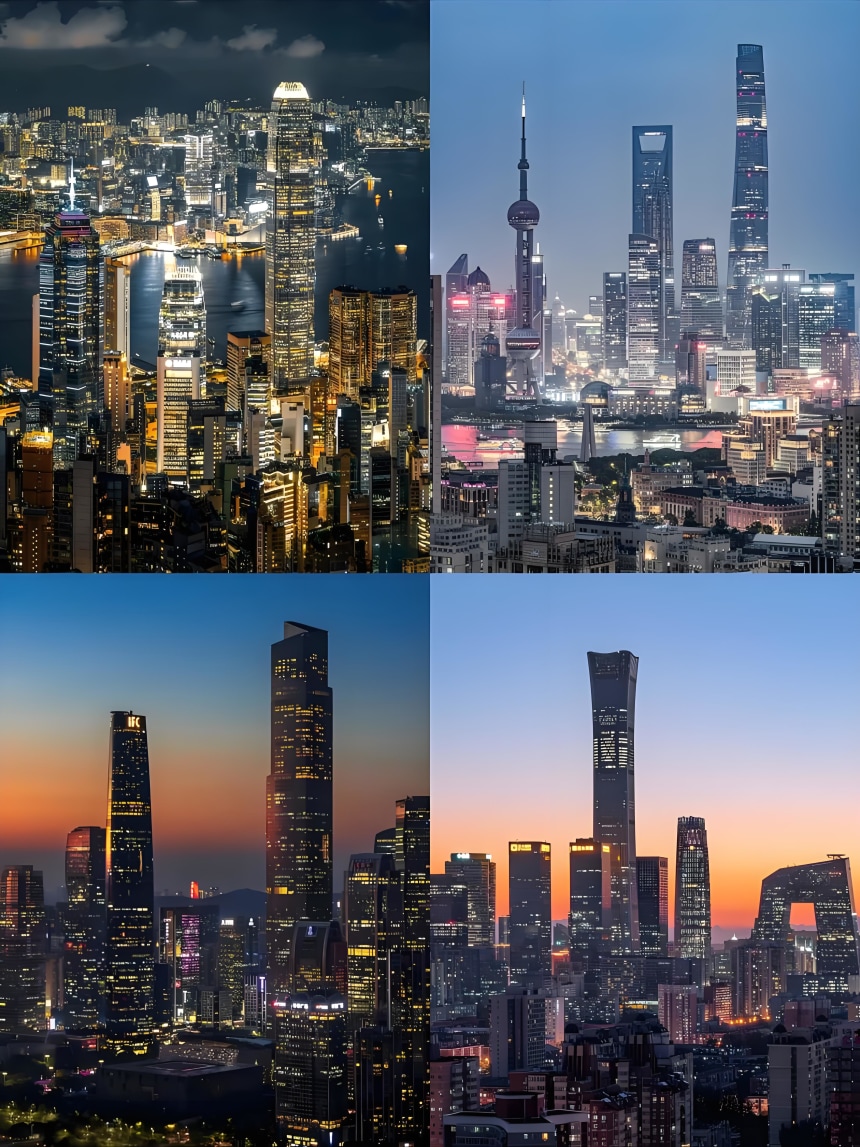
You may recognize these names, but let me highlight a few particularly prominent numbers:
Shanghai and Beijing are the first stop for most foreign tourists. In the first half of 2026 alone, Shanghai received 4.38 million inbound tourists. Guangzhou and Shenzhen are the two major gateways to the Guangdong-Hong Kong-Macao Greater Bay Area—highly internationalized and with convenient transportation. Chengdu and Chongqing are the twin stars of Southwest China—one home to giant pandas, the other to a futuristic skyline. Hangzhou has West Lake. Xiamen has Gulangyu Island. Haikou and Sanya have beaches. Harbin boasts a dreamlike ice and snow world in winter.
Besides these popular cities, foreign tourists had already visited 160 cities in China by 2026—from Heihe, a border city between China and Russia in the north, to Sanya in the south, to Jiamusi, the easternmost city in China, and Kashgar at the foot of the Kunlun Mountains in the west. What the travel guide shows is just the tip of the iceberg.
Let me take you to visit the top ten tourist destinations
1. Shanghai – a city worth experiencing for more than one night.
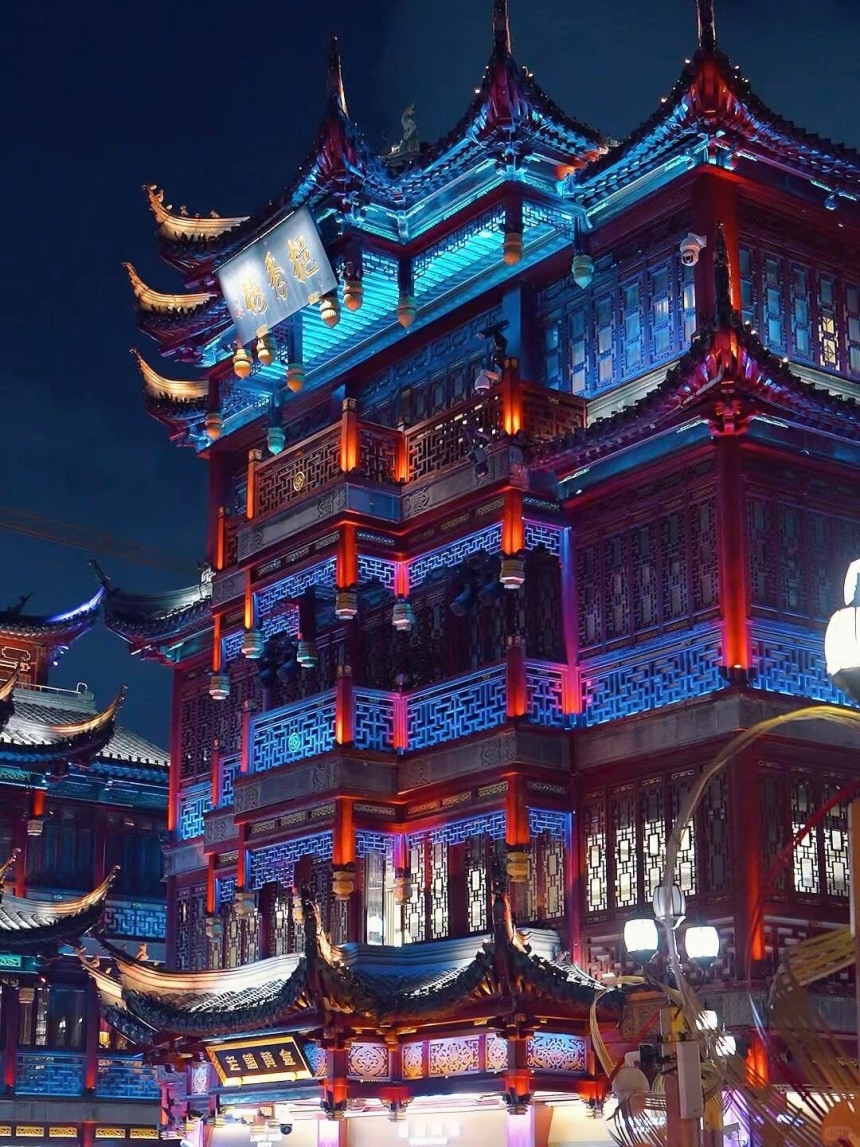
Many people treat Shanghai as a transit point—land, stay overnight, and then continue their journey. If that's your plan, I implore you: please don't do that. Shanghai is where I live, a city with many things worth slowing down and savoring.
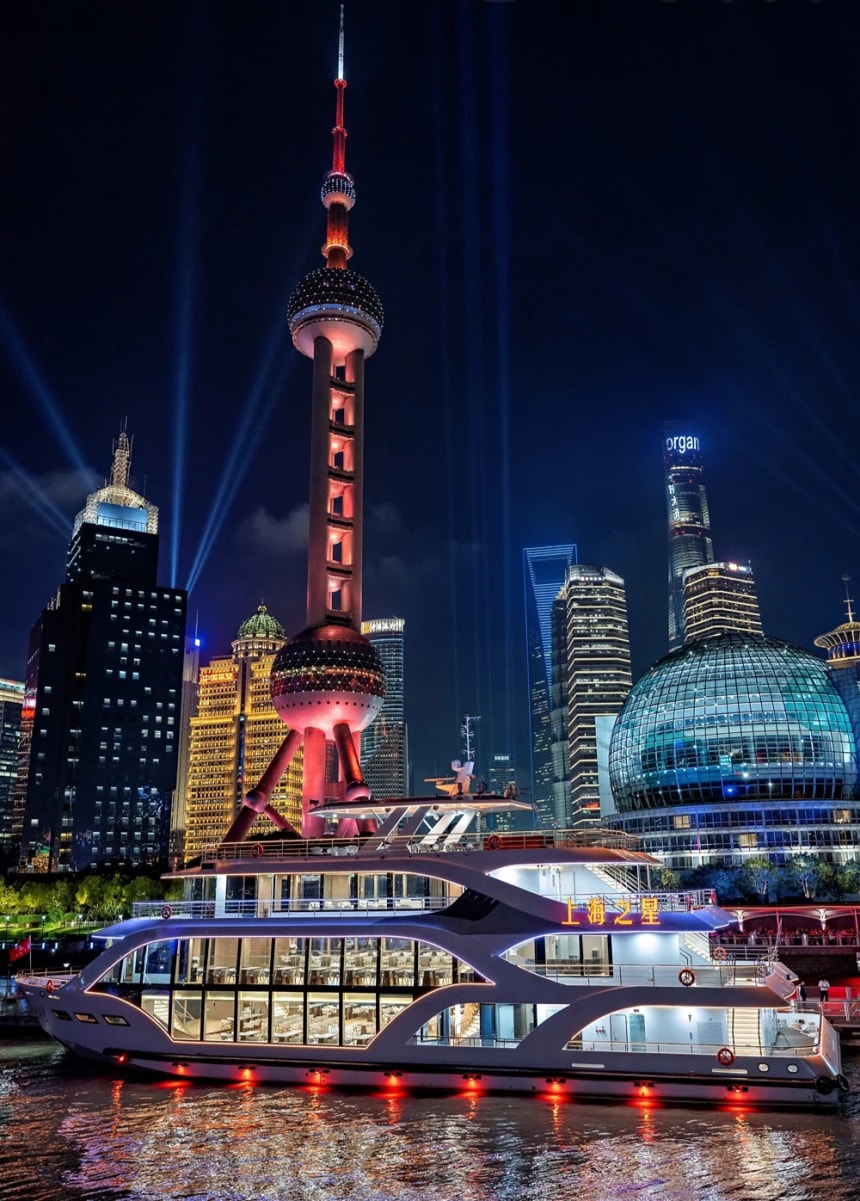
The Bund is a must-see, but don't just take a picture in broad daylight and leave. Try going at dusk. Watch the lights of Lujiazui on the opposite bank of the Huangpu River light up one by one, and see the ferries slowly gliding across the water. That feeling of "the past meeting the future" truly lingers in your heart. I often stroll along the Bund in the evening, and each time, I feel the indescribable charm of this city once again.
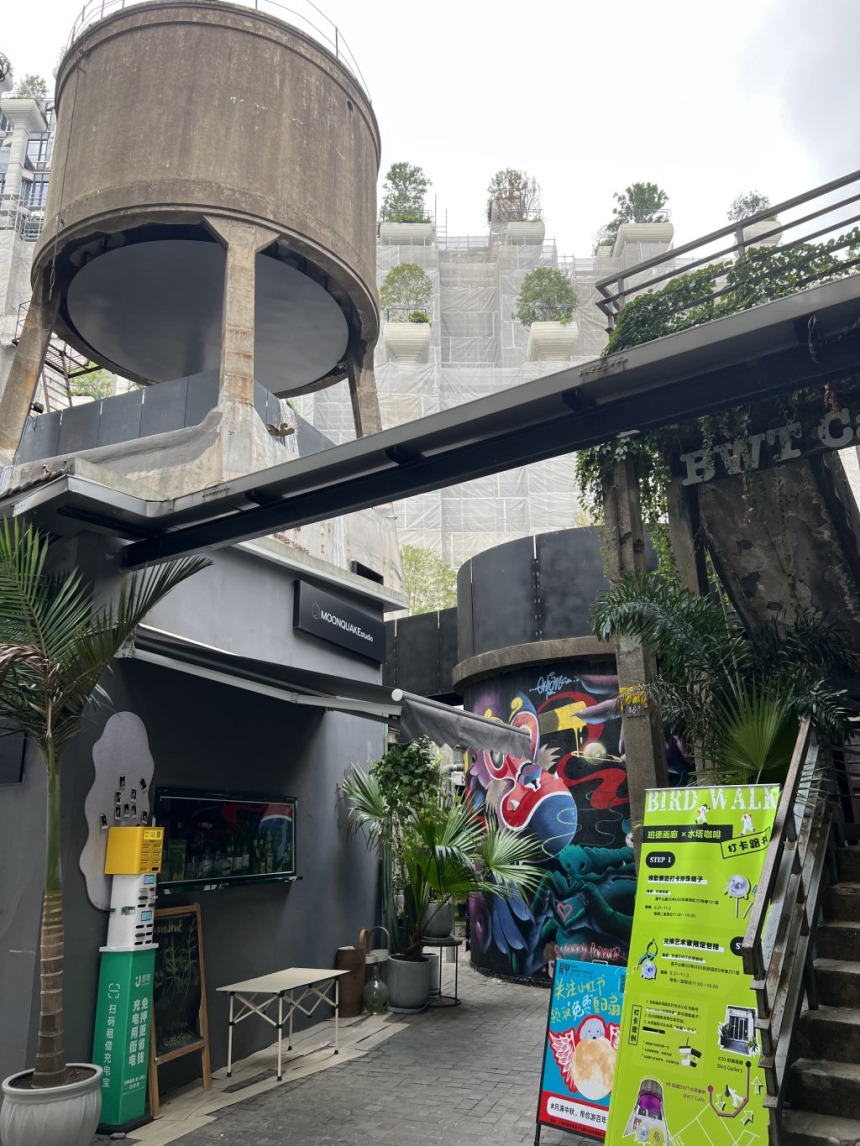
If you love art, you absolutely must visit M50 Creative Park. It's not a cold, lifeless gallery, but an art space transformed from an old factory, where artists create and live. By 2026, M50 was attracting more foreign visitors than locals, with nine out of ten customers being foreigners. You can stand at the studio entrance and watch artists paint—most of them speak basic English, and a simple "come in" can spark a pleasant conversation. This experience is more authentic than any museum.
There's one more thing I highly recommend: taking the Huangpu River ferry. The ticket is only two yuan—really, two yuan! Go at sunset, stand on the deck, and admire the Lujiazui skyline shimmering on the water. For just two dollars, you can enjoy such a view, far more romantic than any observation deck ticket.
French blogger Mylène Mathieu took her friends to Shanghai, deliberately avoiding all the "tourist routes." They strolled under the plane trees along Yu Garden Road, enjoyed afternoon tea blending Chinese and French flavors, walked along the north bank of the Suzhou Creek, stood quietly before the bullet-riddled walls of the Sihang Warehouse, and finally went to a foot massage parlor at midnight—her friend sighed, "So comfortable." She said, "I wanted them to see the real Shanghai, not the packaged Shanghai. Shanghai is not just about high-end restaurants, nor is it just about street food. It can be both elegant and down-to-earth."
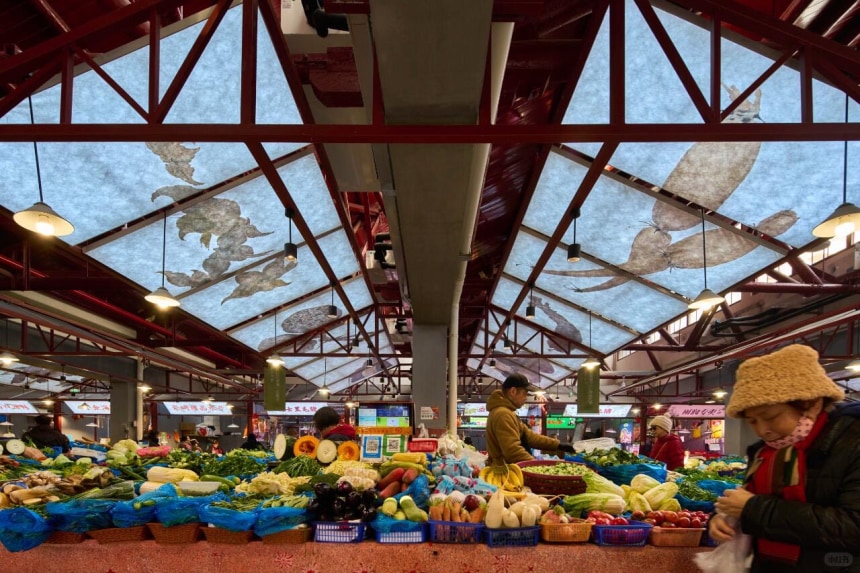
Here's a little secret: some foreign tourists even extend their trips to farmers' markets, corner barbershops, and dental clinics. Shanghai's eyeglasses fitting and dental services—that "instant fix" Chinese speed—are already renowned among foreign tourists.
Best seasons: Spring (March to May) or Autumn (September to November) – when the weather is most comfortable.
2. Beijing – Seeing is believing
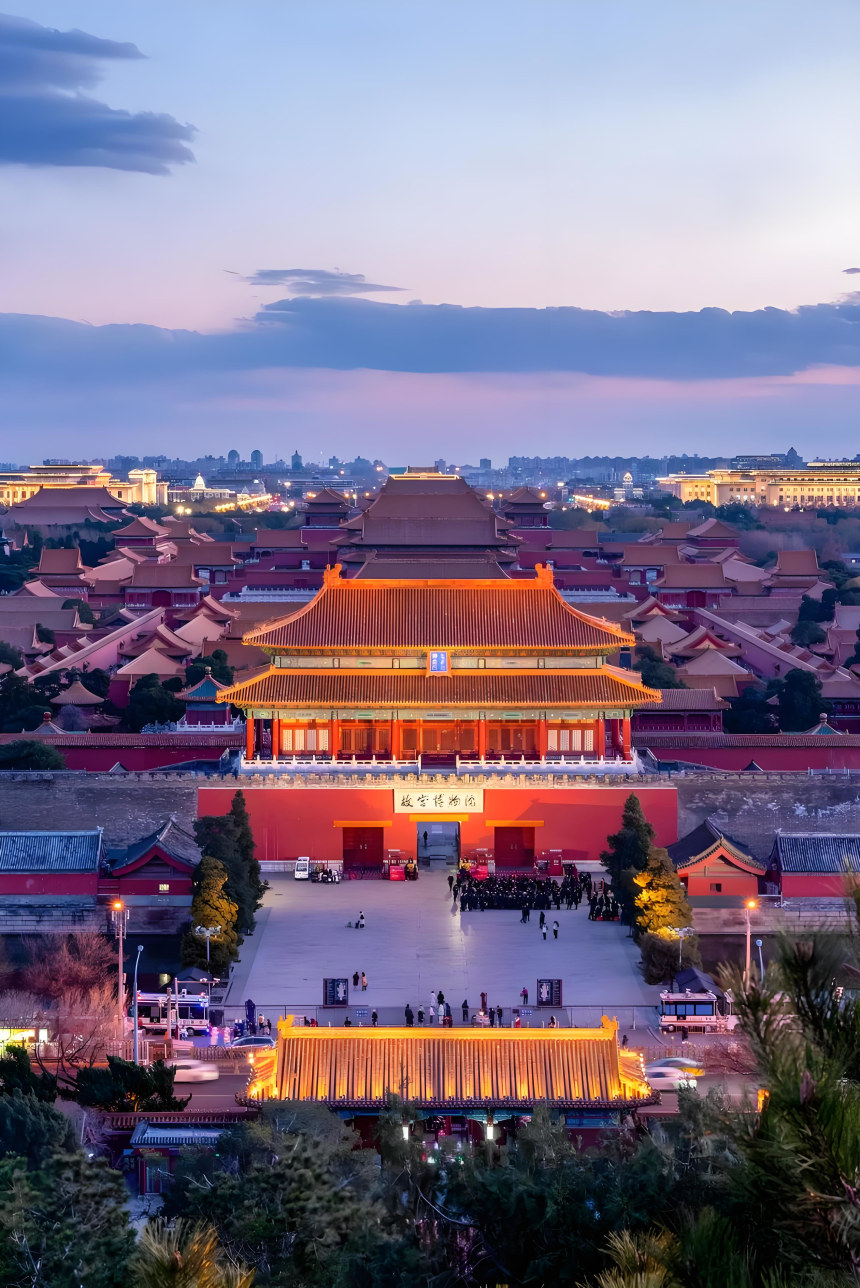
Beijing is one of those "must-visit" places, but you can only truly feel its awe when you are there in person.
The Forbidden City needs no introduction. Six hundred years of imperial history—every time I pass through that gate, I feel as if I've traveled back in time. As for the Great Wall, I recommend Mutianyu over Badaling—less crowded, more scenic, and retaining a more pristine feel. Standing on the beacon tower, gazing at the rolling mountains, you'll feel it was all worthwhile.
But Beijing's charm extends far beyond its famous tourist attractions. A friend of mine enjoys cycling through the hutongs—those winding alleyways where you might turn a corner and see an elderly person chatting outside a door, or stumble upon a hidden café tucked away in a courtyard house. These unexpected discoveries are what make Beijing so beautiful.
Best time to view the autumn foliage: April to June or September to October. The autumn leaves in Beijing are particularly stunning.
3. Xi'an – History Comes Vividly Before Your Eyes
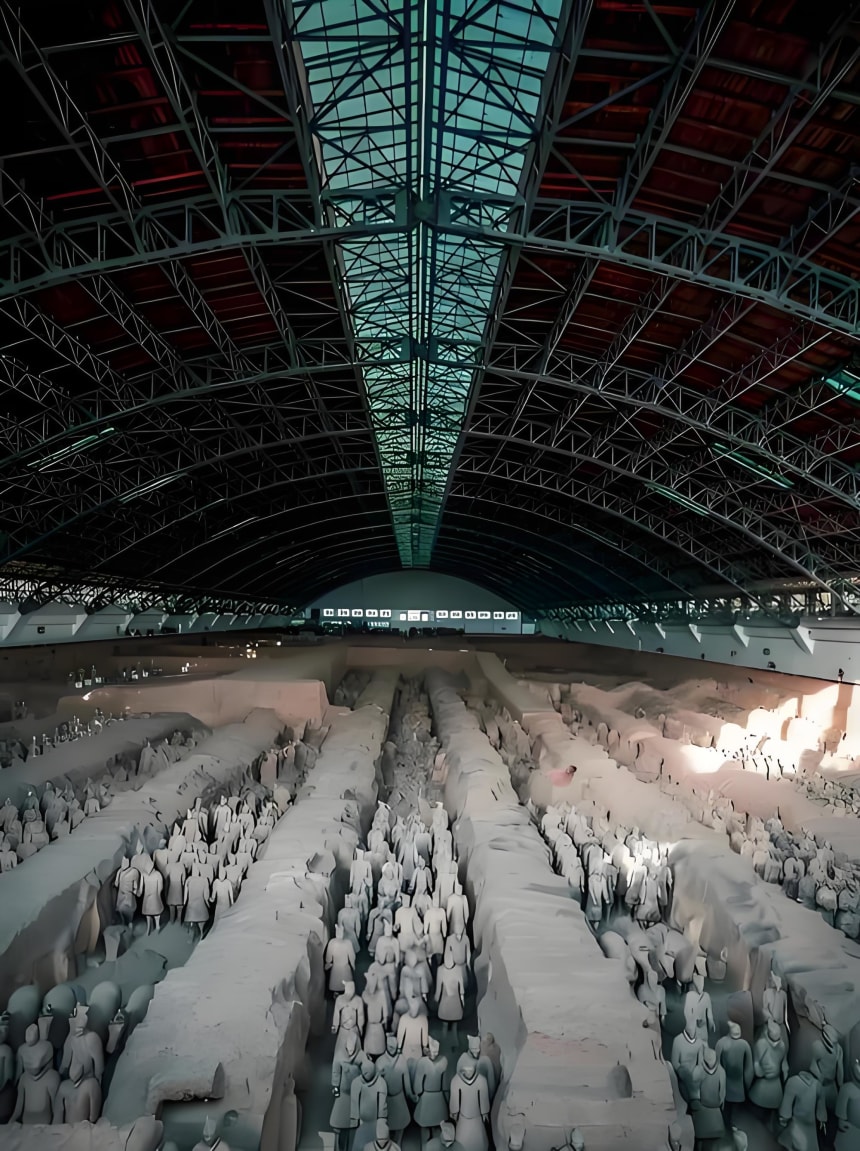
If you love history, Xi'an will fascinate you. The Terracotta Army is there—thousands upon thousands of life-sized terracotta warriors, each with a unique face. Standing at the edge of the pits and looking down, you can't help but marvel: how did people over two thousand years ago manage to do all this? No photograph can truly capture the awe-inspiring feeling.
The ancient city wall is also worth a visit. Rent a bicycle and ride along the wall, overlooking the chessboard-like layout of the ancient city below. In the evening, head to Yongming City from the Tang Dynasty—watching young people dressed in traditional Hanfu stroll along the brightly lit streets, you'll feel as if history is coming to life before your eyes.
Best season: March to May or September to November.
4. Chengdu – Worth a trip just for the pandas and hotpot.

If you love animals, the Chengdu Research Base of Giant Panda Breeding will make you lose track of time. Watching those chubby little guys munching on bamboo or dozing in the trees—I often find myself standing there for an hour without even realizing it.
After seeing the pandas, there's one more thing you absolutely can't miss in Chengdu—hot pot. A steaming pot of spicy, fragrant red broth, filled with beef tripe, duck intestines, and beef, is cooked right at your table. You'll be sweating profusely and tears streaming down your face, yet you simply can't stop eating. Locals call this feeling "eating," which roughly means "pure comfort." Sipping a cup of covered-bowl tea in People's Park, watching the locals play mahjong and chat, you'll feel as if time has slowed down.
Best season: March to May or September to November.
5. Chongqing – A city that seems straight out of a science fiction movie
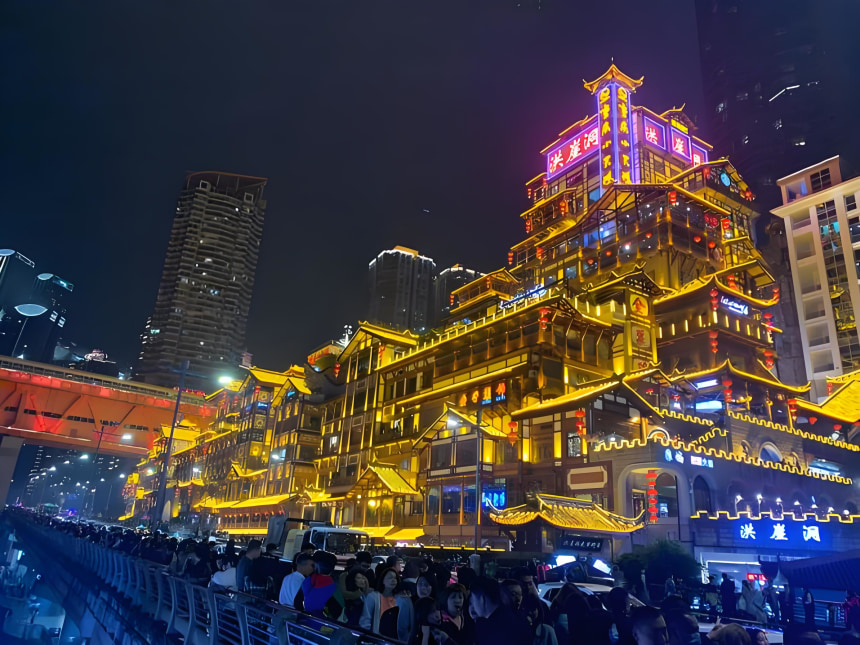
Chongqing is the most unique city I've ever visited. Light rail trains pass directly through residential buildings. The stilted houses of Hongyadong are brightly lit at night—looking like a scene from Spirited Away from across the river. Even Norwegian football star Erling Haaland listed Chongqing's "building-through train" Liziba Station as one of his must-see attractions.
Hot pot is the soul of Chongqing. Find an open-air table by the river, enjoy a spicy hot pot while admiring the magnificent view of the confluence of the Jialing River and the Yangtze River, and feel the gentle breeze on your face—this is an experience you can't have anywhere else.
Best time to visit: March to May or September to November. Summers are unbearably hot.
6. Guilin and Zhangjiajie – It's like stepping into a traditional Chinese painting.
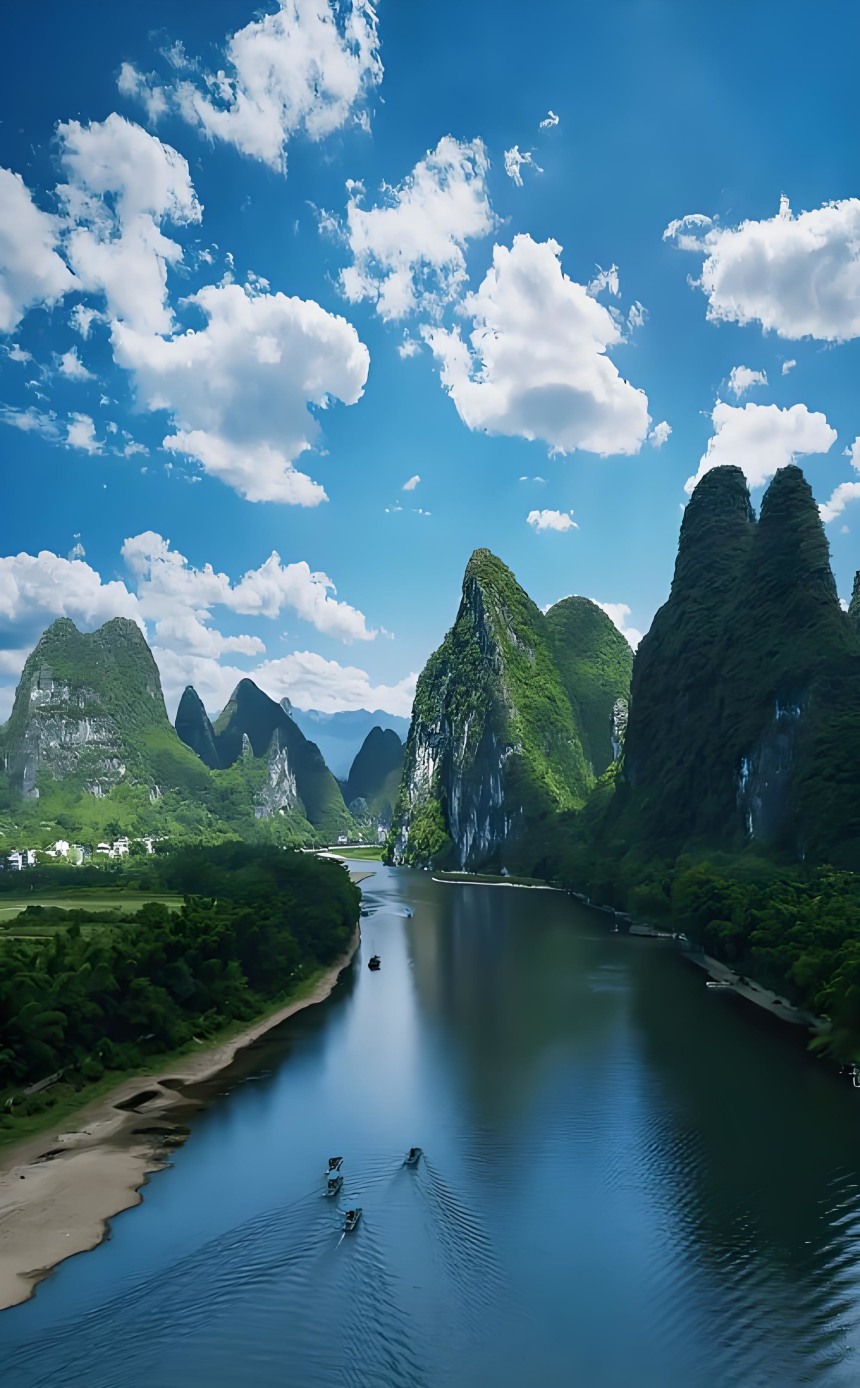
Do you remember those classic Chinese ink paintings—mountains shrouded in mist and hidden in the distance? Guilin is just like that. The mountains along the Li River seem to have stepped out of a painting. Drifting downstream on a bamboo raft, with bamboo forests and karst landforms slowly passing by, you will involuntarily feel a sense of peace.
Zhangjiajie offers a unique and unforgettable experience. The Fushan Mountain in the movie *Avatar* was inspired by it. More than three thousand stone pillars rise from the valley floor. When you ride the Bailong Elevator to the summit, I guarantee you will be amazed.
I grouped these two places together because they are both in southern China, making for a perfect combined trip.
Best season: April to October.
7. Xiamen – Tranquil beaches, coffee, and ways to while away the time
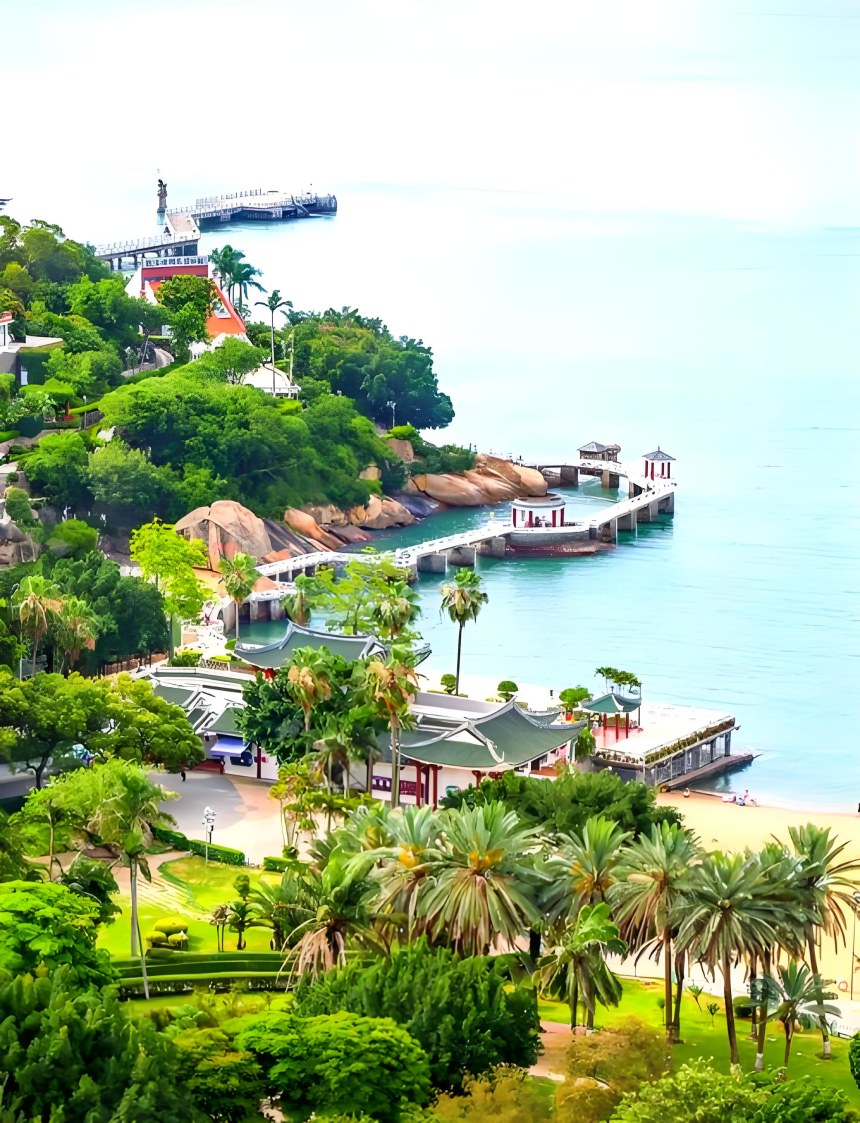
If you dislike rushing between tourist attractions and simply want to find a quiet place to spend a few days, Xiamen is definitely the ideal choice. Gulangyu Island prohibits motor vehicles; the island is filled with narrow alleys, old villas, and the melodious sound of pianos. Locals say that almost every household on the island has a piano. You can wander aimlessly all day, and when you get tired, find a café to sit down and rest.
The coastal highway offers stunning scenery—rent a bicycle for a leisurely ride, or do nothing at all, simply relax on the beach and watch the sunset. Xiamen has a magical charm that allows you to completely unwind.
Best season: March to May or October to December.
8. Qingdao – Beer, sea breeze, red-tiled roofs and green trees
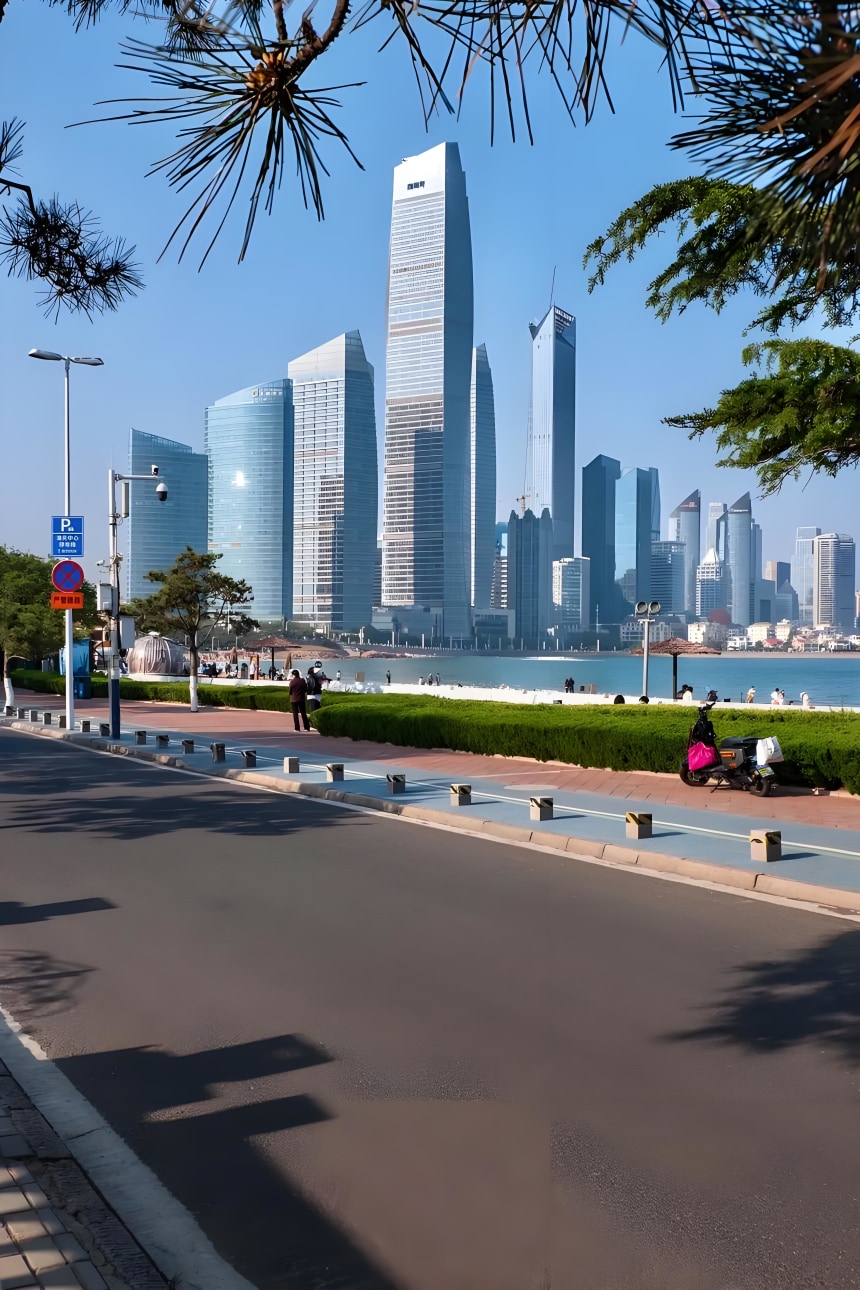
In the Badaguan area of Qingdao, clusters of old European-style buildings are nestled among lush greenery. Strolling here, you might temporarily forget that you are in China. The Zhanqiao Wharf extends into the sea—in winter, flocks of seagulls perch on it; in spring and summer, the sea breeze is refreshing and invigorating.
If you love beer, the Qingdao Beer Museum is definitely worth a visit—you'll see brewing equipment from over a century ago and taste fresh draft beer delivered directly from the brewery, with such fine foam that you won't want to finish it in one gulp. If you come in the summer, coinciding with the Qingdao Beer Festival, the entire city will be immersed in a joyful atmosphere—an atmosphere that is incredibly infectious.
Best season: May to October.
9. Kunming – Spring-like weather all year round, with flowers in full bloom.
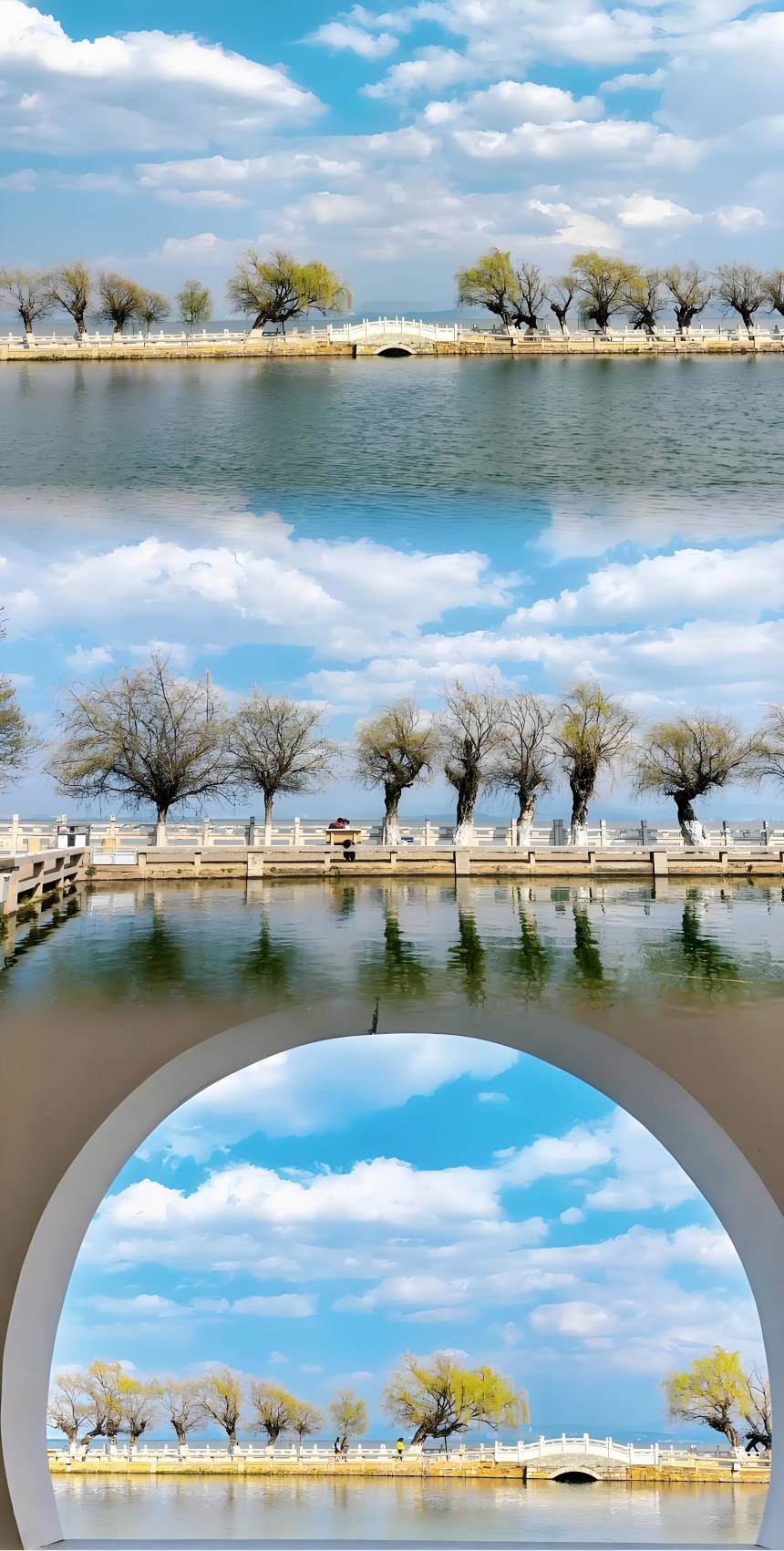
Kunming is known as the "Spring City" because of its pleasant climate year-round, neither too hot nor too cold. Dianchi Lake boasts beautiful scenery, with its clear waters and surrounding mountains, offering a truly breathtaking view. In winter, tens of thousands of black-headed gulls migrating from Siberia flock to Green Lake Park, circling above the lake and vying for breadcrumbs thrown by tourists—a truly spectacular sight.
The Dounan Flower Market is also worth a visit—it's the largest flower market in Asia, where flower prices are unbelievably low. If you love plants and nature, Kunming will surely lift your spirits.
Best season: All year round.
10. Harbin – A Winter Wonderland
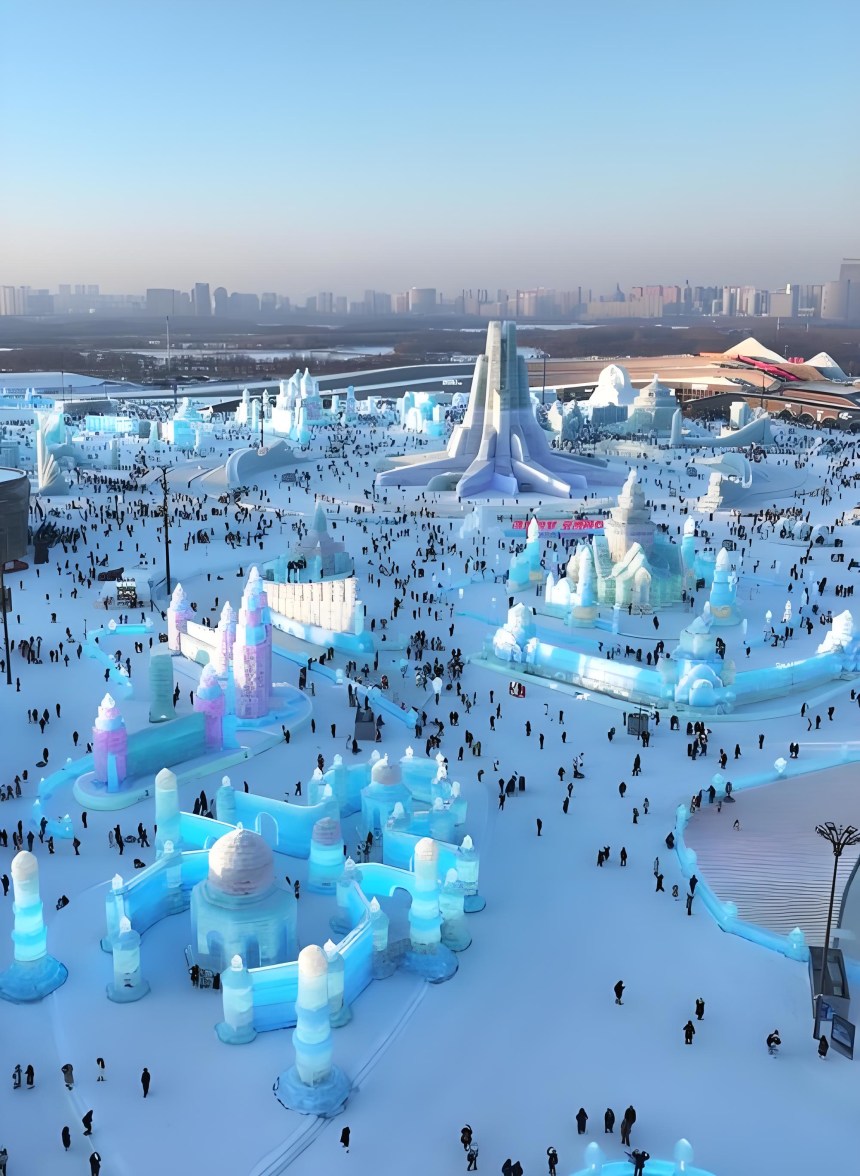
If you travel to China in winter, Harbin is an absolute must-see. The ice sculptures at the Ice and Snow World are magnificent, and when lit up at night, it's like a fairytale world. The old Russian-style buildings on Central Street, covered in snow in winter, will make you feel like you've stepped into a European town.
Don't forget to take a walk on the frozen Songhua River—when the ice is thick enough to support a person, the feeling underfoot is something that southerners may never experience.
Best time to visit: Winter (December to February) is for admiring ice sculptures; Summer (June to August) is for escaping the heat.
- The Yangtze River Delta – if you only have a week, this is your best choice.
If this is your first time visiting China, or if you have limited time, I sincerely recommend that you focus on exploring the Yangtze River Delta – you definitely won't regret it.
The Yangtze River Delta encompasses four provinces: Shanghai, Jiangsu, Zhejiang, and Anhui. High-speed rail connects them—cities can typically be reached in just one to two hours. You can enjoy coffee on the Bund in the morning, have lunch by West Lake in Hangzhou, and listen to storytelling in Pingtan, Suzhou in the evening. This experience is unique to this region.
Here are the five places I most want to introduce to you—because these are the places I know best and the places I'm most willing to recommend.
1. Shanghai – This city deserves more time to explore.
I've already mentioned the Bund, M50, and the two-yuan ferry earlier in this article — but that's just the surface. Let me tell you about the other side of Shanghai. The moments that actually move me in my daily life here, and the things most tourists walk right past.
A morning in the lane houses — that's the real Shanghai
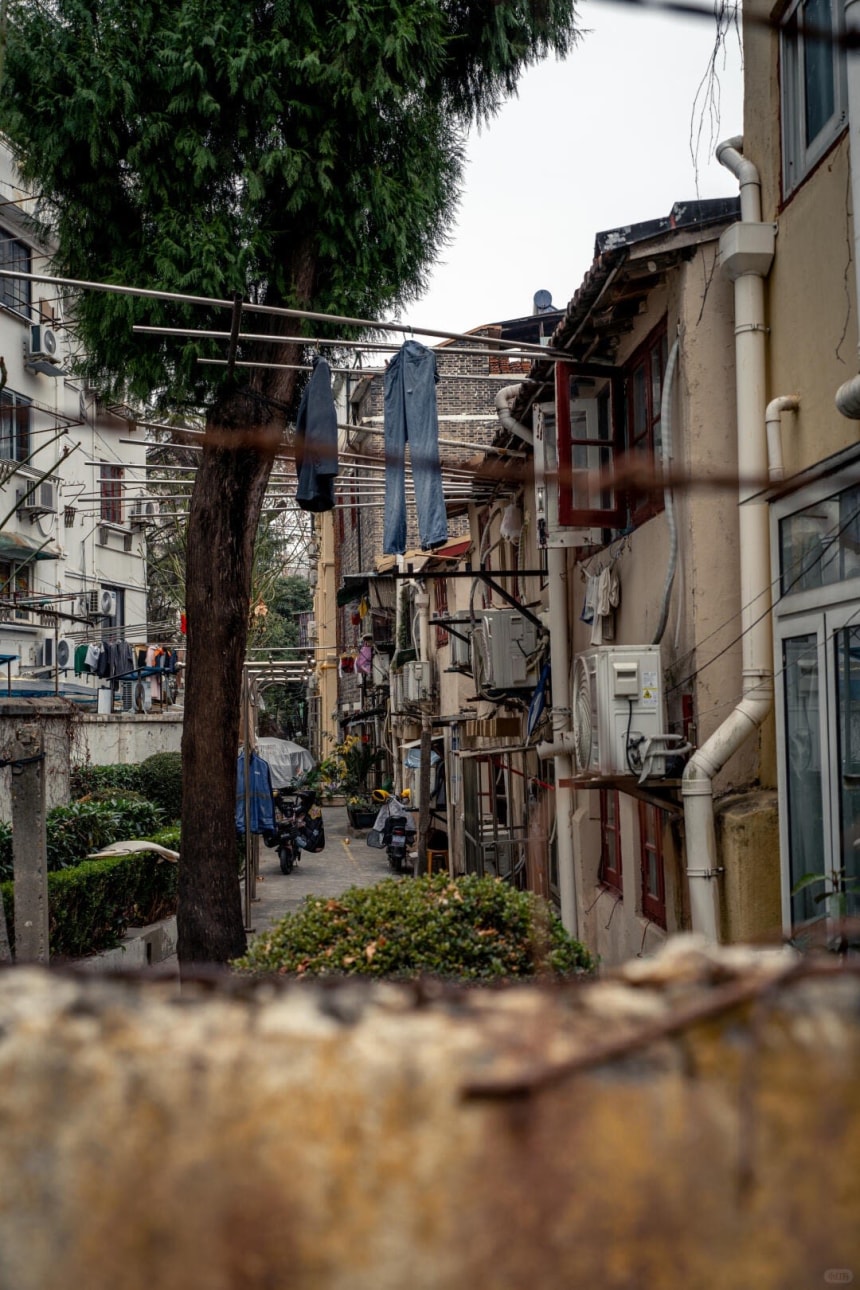
If you only walk along Nanjing Road and the Bund, you'll think Shanghai is a "very international" city. But if you're willing to wake up early one day and step into the old lane houses behind the Bund — you'll see a completely different Shanghai. Aunties buying breakfast in their pajamas. Uncles brushing their teeth at communal taps. Laundry hanging from every window like flags of a thousand nations. That vibrant, steam-filled everyday life — that's the real Shanghai.
I often recommend visitors to walk through Bugaoli or Jianye Li — old lane neighborhoods where you don't need to intrude. Just stand at the lane entrance for a while. Listen to the sounds of cooking drifting from shared kitchens, and the local Shanghai opera crackling from a radio. You'll understand, without anyone explaining it, why Shanghai is Shanghai.
The evening along Suzhou Creek — quieter than the Bund
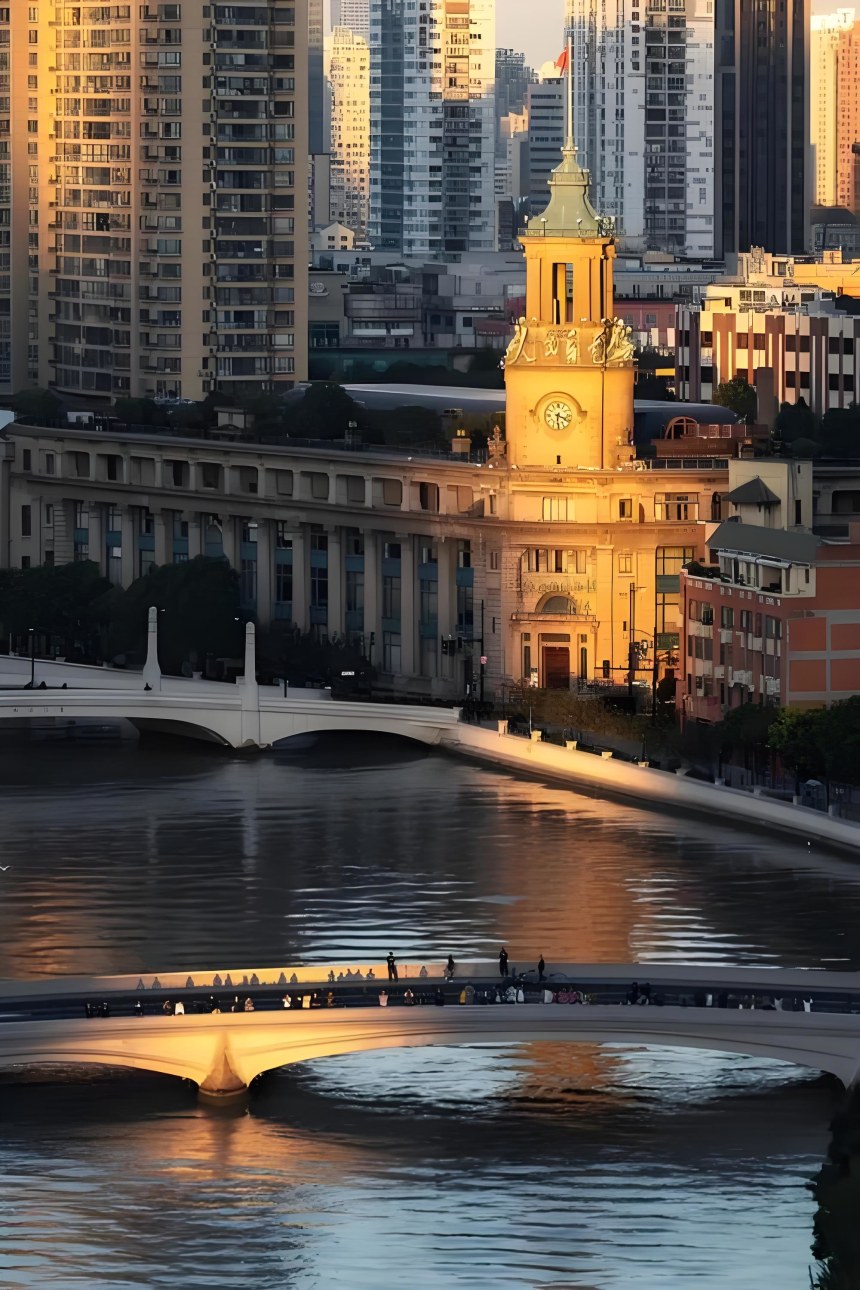
The Bund at night is spectacular. But if you want a quieter, more intimate view of Shanghai, I recommend walking along Suzhou Creek. Start from Xizang Road Bridge and walk all the way to Garden Bridge. The old warehouses along the creek have been converted into art spaces, cafés, and design studios.
At dusk, the water turns gold and blue under the lights. Sometimes a cargo boat drifts slowly past, and for a moment you might feel like you've stepped into an old movie. Compared to the crowds on the Bund, this stretch is almost empty — but the Shanghai you see here is just as real.
The small streets in the "plane tree district" — where the city's softness is hidden
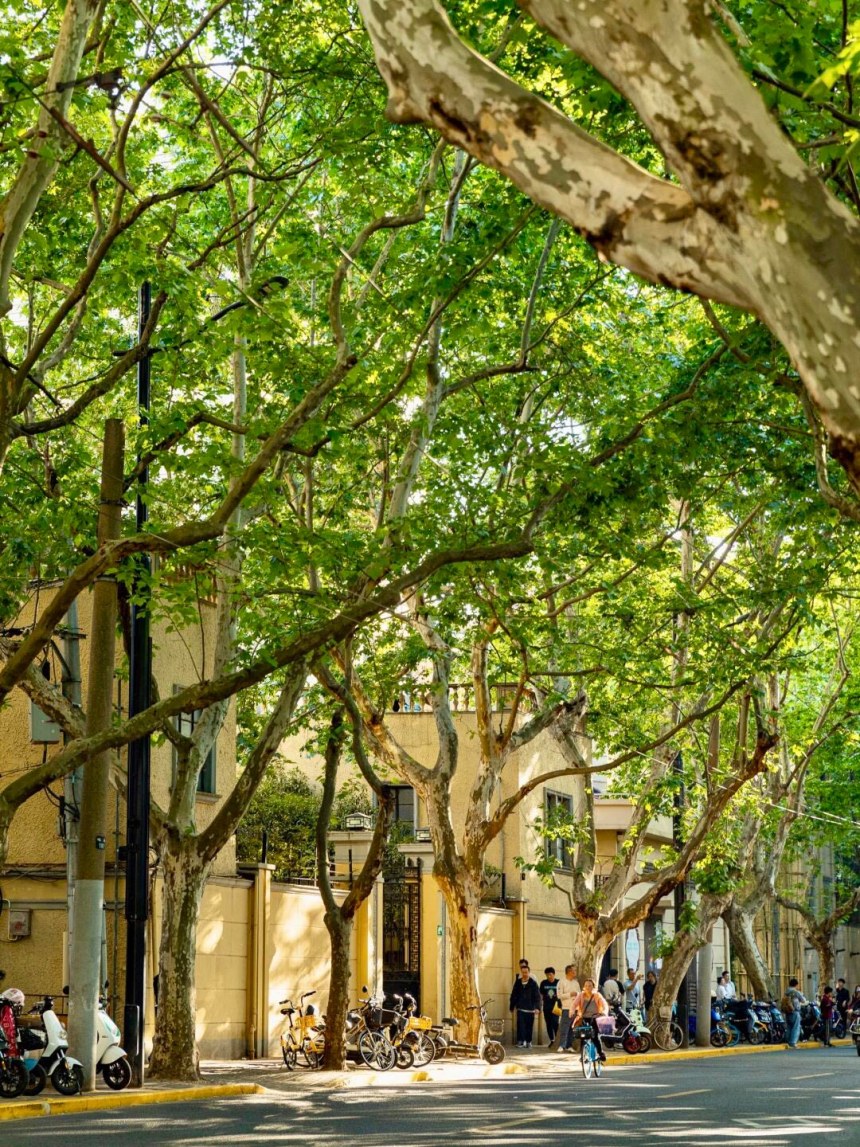
Shanghai's most charming corners aren't in the skyscrapers — they're in the small streets of the Hengshan-Fuxing Historical Conservation Area. Wukang Road, Anfu Road, Wuyuan Road, Yongfu Road — these names might be unfamiliar to you, but they're where locals love to wander.
In summer, the plane trees spread a canopy of shade. Old villas are covered in ivy. You might walk into a corner bakery and find a writer or a designer living nearby. Sit down at a small wine bar, and the table next to you could be discussing the latest art exhibition or play. This is Shanghai's everyday — you don't need to look for "attractions." Just walk, and you're already in the picture.
Shanghai at night — a hundred ways to enjoy it
If you think Shanghai's nightlife is just the Bund view and bars, you're missing so much. The city's nights have many moods:
At 1 AM, the street-side stalls on Dingxi Road are still bubbling with seafood congee and stir-fried snails. Locals in slippers sit on plastic stools, eating and chatting.
On Thursday nights, the Shanghai Symphony Orchestra offers low-cost concerts for young audiences — 50 RMB for a world-class classical performance.
On weekend afternoons, the Shanghai Dramatic Arts Center is packed — theater is surprisingly popular here.
Shanghai's magic is that it allows you to live a hundred different lives
Why do so many foreigners come to Shanghai and never want to leave? Because this city lets you live however you want. You can have fine French dining every day, or hunker down at a lane entrance for four-yuan shengjian. You can visit contemporary art exhibits at West Bund, or hunt for vintage comic books at the Temple Fair used book market. This city never defines you — it just embraces you.
That's why I stay. It's not perfect — it has its rush and its pressures — but it always has a corner worth exploring, always a new surprise waiting around the next street corner.
Best season: Spring or Autumn – March to May or September to November.
2. Hangzhou—my second hometown, a poem you can stroll through.
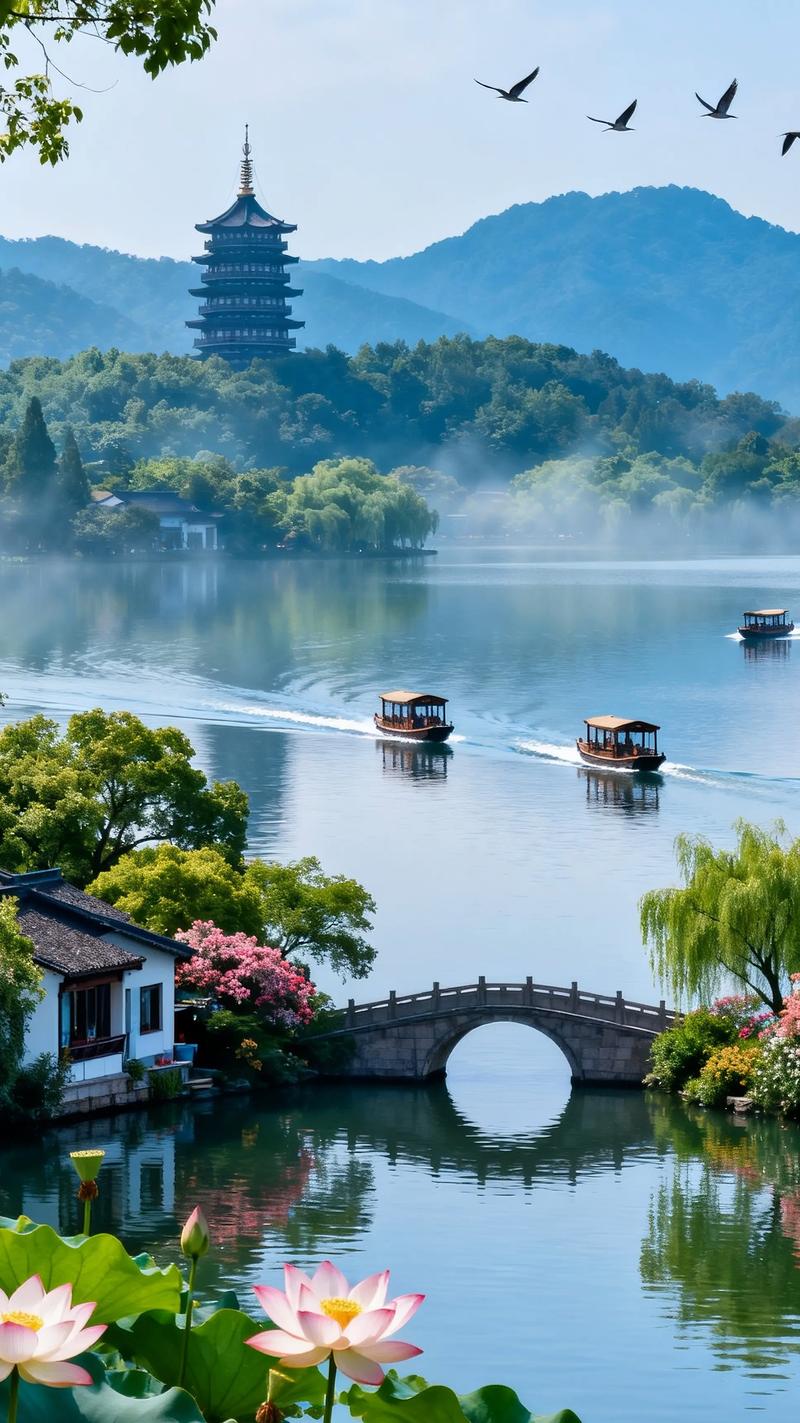
"Above is the sky, below are Suzhou and Hangzhou"—this old saying is true.
I have a special affection for Hangzhou—I went to university there and lived in the city for eight years. It feels like a second home to me. Every time I go back, it feels like coming home. Because of this, my feelings for Hangzhou are perhaps even deeper than for Shanghai. I hope you can see Hangzhou the same way I do—it's not just a tourist destination, but a vibrant and dynamic city.
West Lake is beautiful in all four seasons. In spring, peach blossoms are in full bloom and willows are lush and green; in summer, lotus flowers bloom in Qu Yuan Garden; in autumn, moonlight spills onto the calm lake; in winter, the Broken Bridge is covered in silver, like something out of an ancient poem. My favorite thing to do is rent a small boat and let the boatman slowly row towards the center of the lake. Surrounded by mountains, with the lake gently swaying, time seems to slow down. It's tranquil and peaceful here, a truly refreshing experience.
Lingyin Temple is also worth a visit. Hidden deep in a dense forest, with ancient trees reaching for the sky and wisps of incense smoke rising, you might recall the poem: "A winding path leads to a secluded place, a Zen temple hidden among flowers and trees." Whether you are religious or not, spending a moment there can bring peace to your soul.
Just outside Hangzhou city, the tea gardens of Longjing Village are breathtakingly beautiful. In spring, you can watch tea pickers harvest tea leaves and even try your hand at stir-frying tea leaves in a wok. The tea here—West Lake Longjing—is one of China's most famous green teas. Sitting in a tea farmer's courtyard, sipping a freshly brewed cup of tea, and gazing at the terraced fields layer upon layer—this is my Hangzhou.
If you're looking to discover a hidden gem, take a stroll along the Grand Canal. Its history is longer than most people imagine, and the old towns along its banks haven't been overdeveloped to cater to tourists. You'll see locals living their authentic lives—a charm most tourists miss.
In 2026, Hangzhou was selected as one of the first pilot cities in China to offer digital facilitation services for inbound tourists. If this is your first time visiting Hangzhou, you can receive a voucher worth up to 450 RMB through the "HiYou" platform. In the first quarter of 2026, Hangzhou saw a 20% increase in inbound car rental orders. The city is ready to welcome you.
Best season: March to May or September to November.
3. Suzhou – Every step is a painting, every garden a masterpiece.
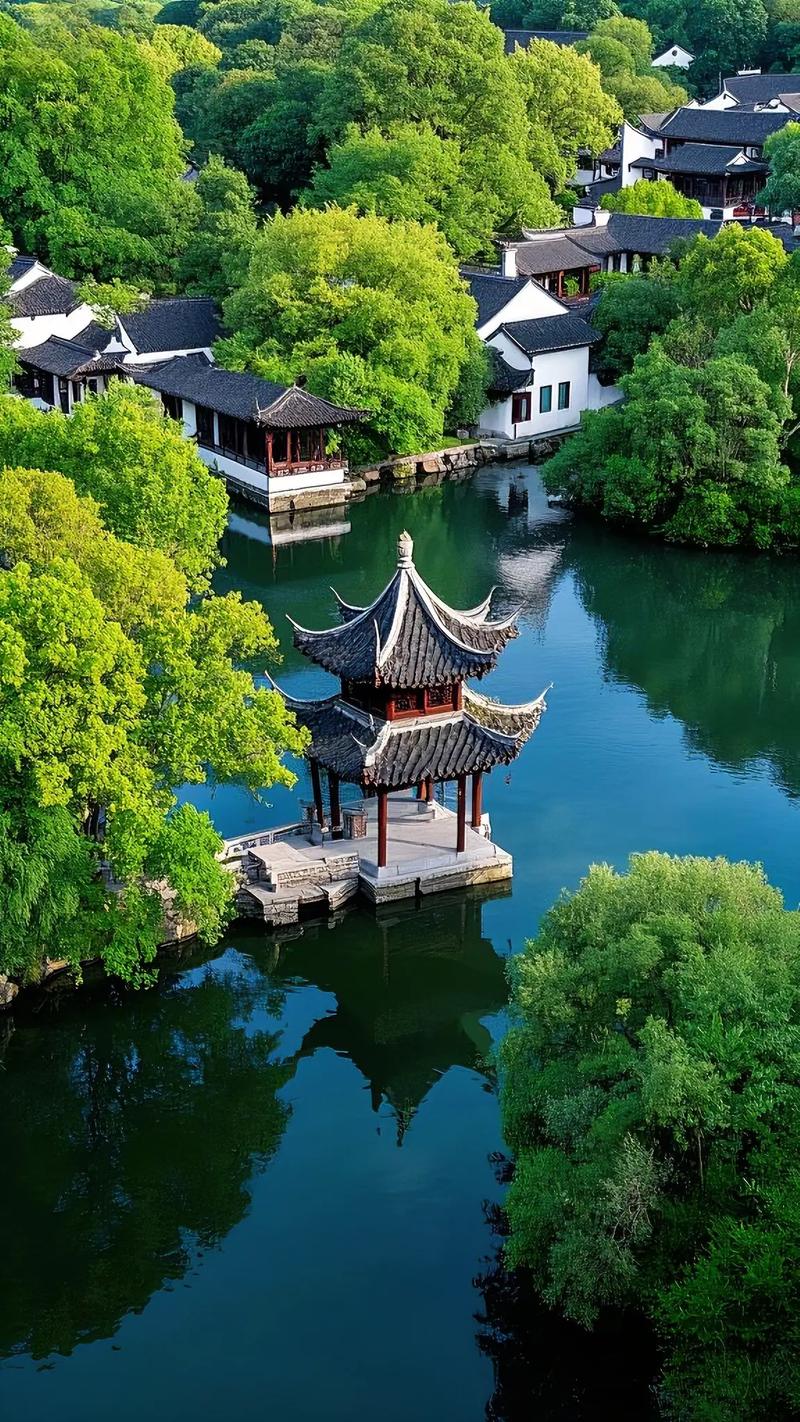
Suzhou's classical gardens—nine of which are UNESCO World Heritage Sites—are among the most outstanding. The Humble Administrator's Garden and the Lingering Garden are not grand imperial gardens, but rather private gardens, where every detail has been meticulously considered. A white wall, a few Taihu stones, a bamboo grove—these alone are enough to create a breathtaking picture. Only by slowing down can one truly appreciate their beauty.
But Suzhou is more than just gardens. Pingjiang Road is an ancient street with a history of over a thousand years, built along the river. The shops still retain their old-fashioned appearance, and the sounds of Pingtan (a local form of storytelling and musical art) drift from the windows. Here, you'll feel as if time has slowed down.
In 2026, the number of inbound tourists to Gusu District, an ancient town in Suzhou, exceeded 130,000. Interestingly, besides the classical gardens, what truly attracts foreign tourists are the scenes of daily life—ancient markets, traditional Chinese medicine clinics, intangible cultural heritage workshops, and more. The Suzhou Tourism Information Center currently offers travel guides in six languages, covering gardens, the Grand Canal, museums, ancient towns, and cuisine, and has specially designed cycling, hiking, and boat tour routes for foreign tourists.
Best season: March to May or September to November.
4. Nanjing – Stroll along the city wall and feel the weight of history.
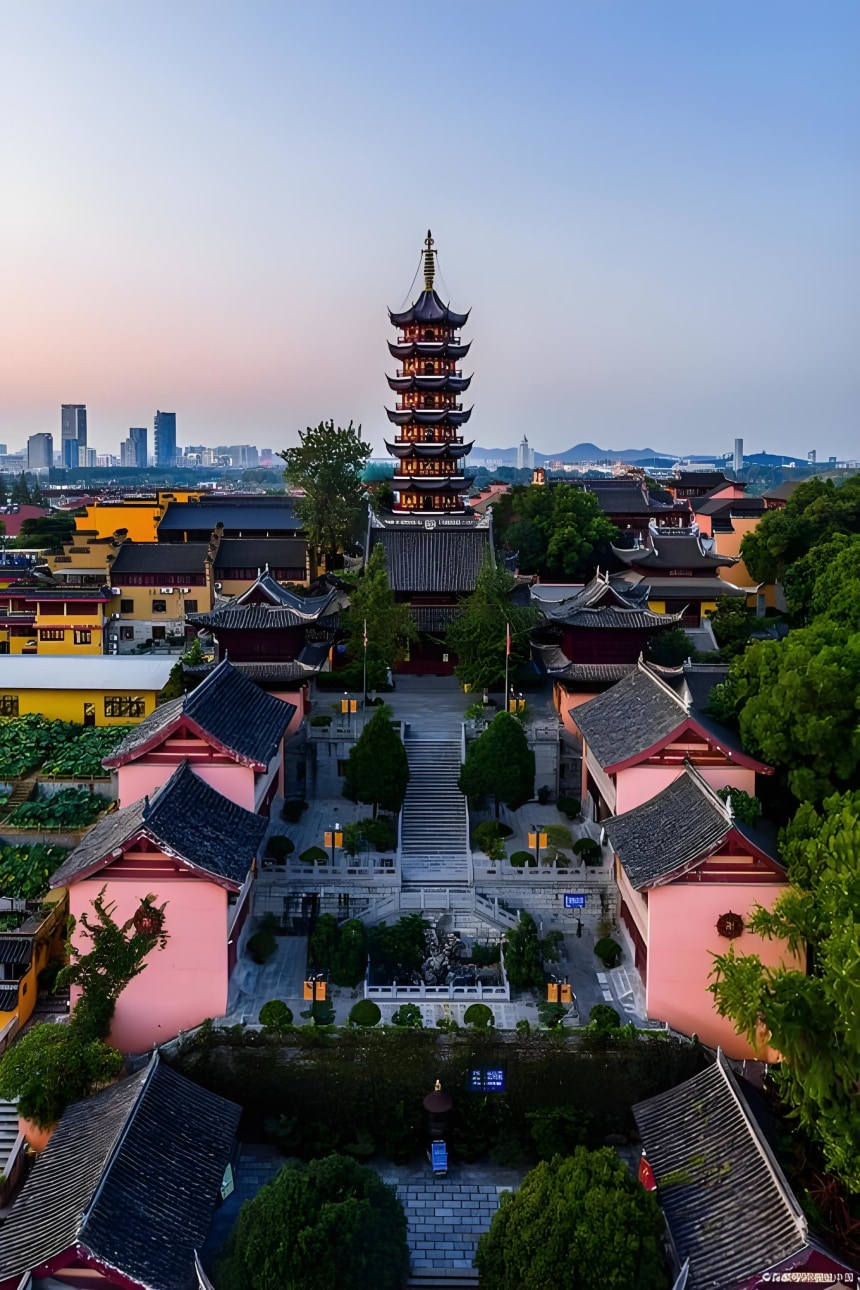
Nanjing was the capital of six ancient dynasties. Strolling along the Ming Dynasty city wall, you'll find the names of craftsmen from six hundred years ago engraved on the bricks—you'll feel that every stone has its own story.
The Sun Yat-sen Mausoleum has 392 steps. Reaching the summit and turning around, one is greeted by lush greenery. The spirit path of the Ming Xiaoling Mausoleum is lined with stone animal sculptures, and in autumn, the ginkgo leaves turn golden, creating a scene reminiscent of an oil painting. The night view of the Confucius Temple and the Qinhuai River area is particularly enchanting—lanterns adorn the area, boat songs drift on the water, and the surface ripples gently, truly showcasing the "royal spirit of Nanjing."
In the first five months of 2026, Nanjing received nearly 290,000 overnight international tourists. South Korean tourists were the largest group of inbound visitors—but no matter where you come from, Nanjing will not disappoint.
Best season: March to May or September to November.
5. Huangshan Mountain – When you reach the summit, you'll know it was all worthwhile.
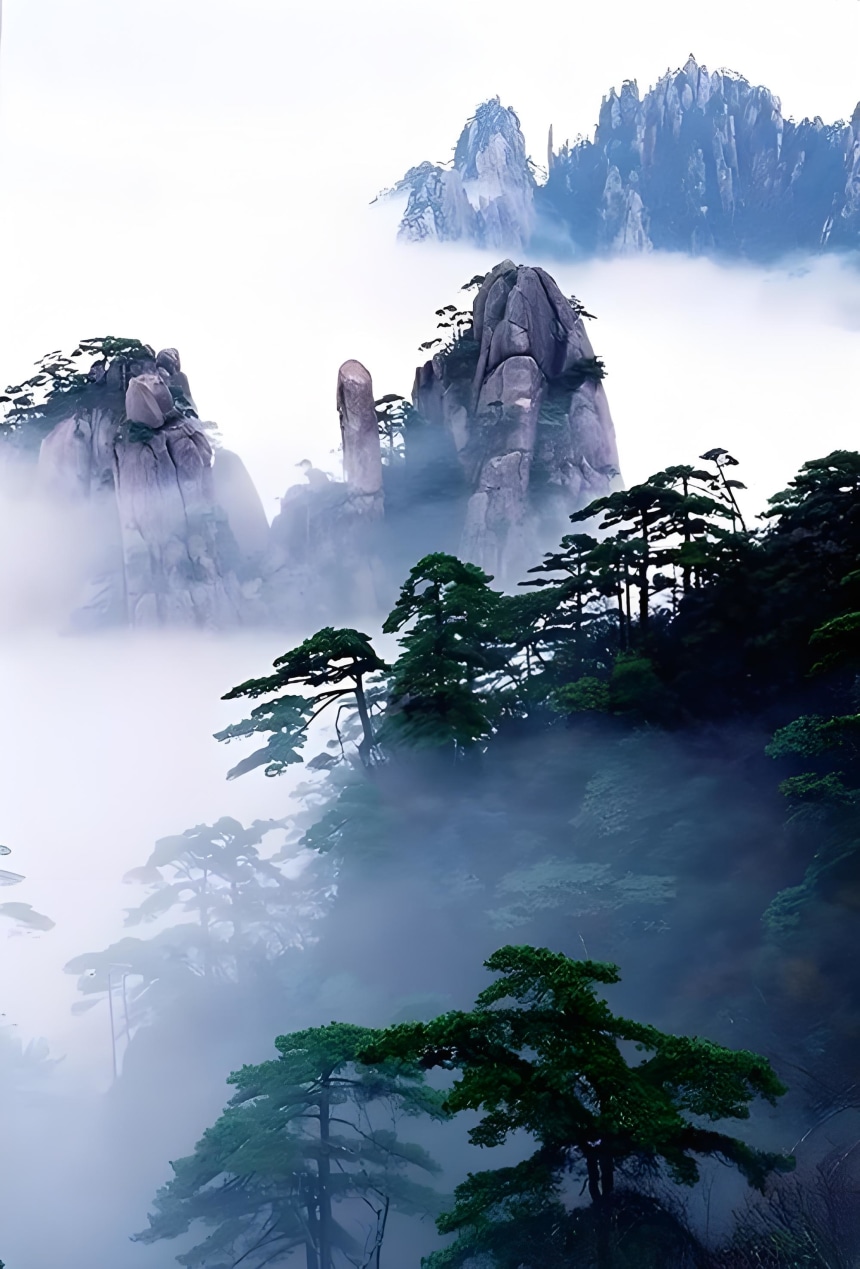
Huangshan is probably the most tiring place on this list—but also the most worthwhile.
After climbing Mount Huangshan, the Ming Dynasty traveler Xu Xiake said, "Having seen the Five Great Mountains, there is no need to see other mountains; having seen Mount Huangshan, there is no need to see the Five Great Mountains." These "Five Wonders"—strangely shaped pine trees, bizarre rocks, sea of clouds, hot springs, and winter snow—are indeed awe-inspiring, showcasing the power of nature.
I highly recommend spending the night on the mountaintop. Get up early to watch the sunrise – when the first rays of sunlight turn the sea of clouds golden, you'll feel that getting up at 4:30 am was absolutely worth it. After descending the mountain, you can visit Hongcun or Xidi – these ancient Hui-style villages, with their white walls and black tiles, blend perfectly with the surrounding scenery, creating breathtaking views and making them excellent spots for taking photos.
During the 2026 Spring Festival, the number of foreign tourists staying in Huangshan for 4-7 days increased by 12%. From "fish lantern viewing" to "making Huizhou brushes"—intangible cultural heritage experiences are becoming the most popular part of tourists' visits.
Best season: April to October.
Finally, I would like to sincerely offer you some advice.
If you have limited time, the Yangtze River Delta region is always your best choice. Shanghai, Hangzhou, Suzhou, Nanjing, and Huangshan—five cities, five distinct Chinese styles. High-speed rail connects them, making the journey from point A to point B take a maximum of two hours.
Don't be afraid to travel alone. China is one of the safest countries in the world—public safety is excellent, and you won't have to worry even walking the streets late at night. Public transportation is convenient, and apps are easy to use—you can absolutely make China your first solo travel destination.
But don't just go to big cities. If you have an extra day—even just one—consider visiting a small town or village. Many foreign tourists miss this part of the experience, but it's often the most memorable.
Before applying for a visa, please confirm whether you are from a visa-free country. In 2026, China unilaterally implemented a visa-free policy for 50 countries. In the first half of this year, nearly 18 million foreign tourists entered the country visa-free—your country may be on the visa-free list.
Unless you particularly enjoy crowded places, it's best to avoid China's Golden Week holidays (Chinese New Year and National Day). Other times are fine.
Now do you have an answer to the question "Where to go?" If not—let's start in Shanghai. I'll be waiting for you in this city.
Do you have any other questions about traveling to China? Please leave a comment below—I'd be happy to help!
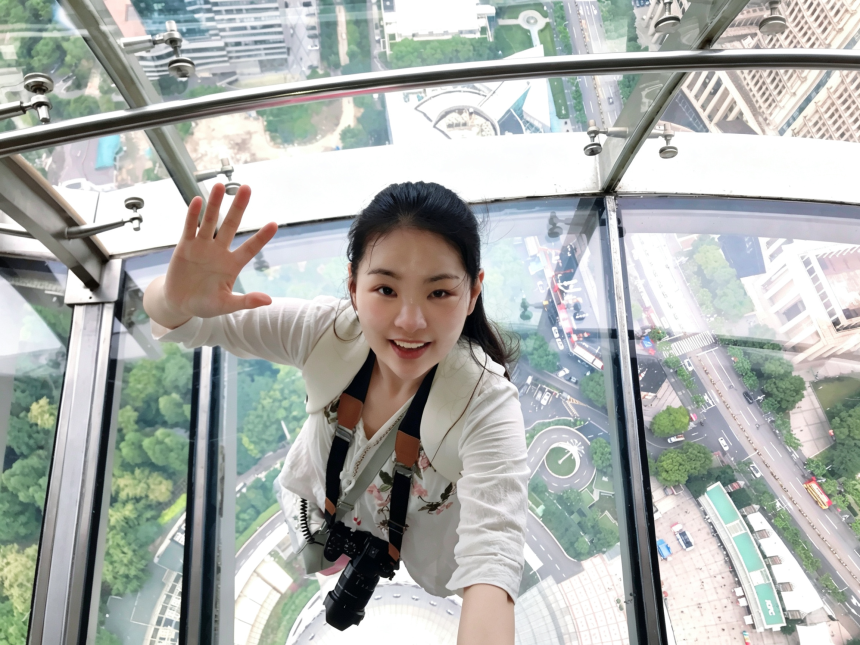
I'm Yuan, a local tour guide registered with tourHQ, based in Shanghai, serving the Yangtze River Delta region (including Suzhou, Hangzhou, Nanjing, and surrounding areas). I not only take you to famous attractions, but also explore hidden gems in the alleyways, share stories not found in travel guides, and tailor-make a unique itinerary to your pace and interests.
Ready to explore authentic China with the locals? Click on my profile to learn more!
My profile: https://www.tourhq.com/guide/CN38750/yuan-shen
Let me help you create a truly unforgettable trip to China—I look forward to meeting you!