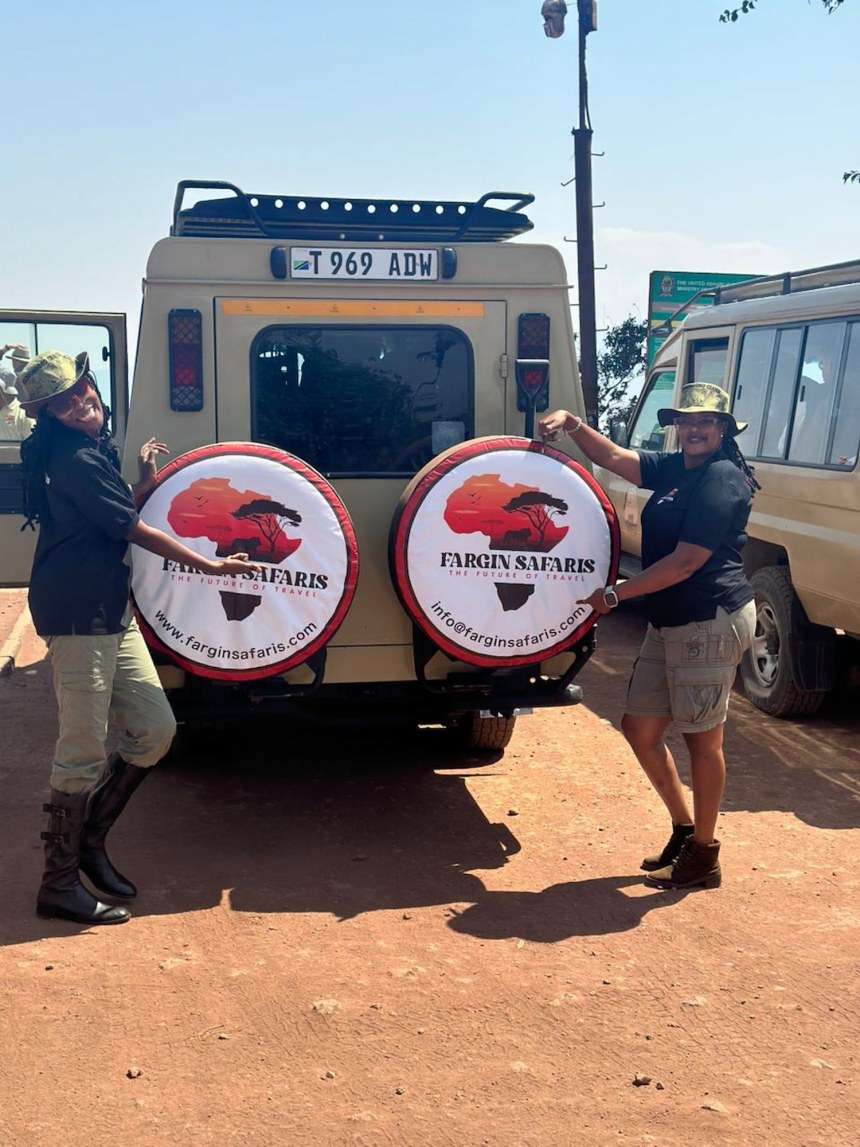

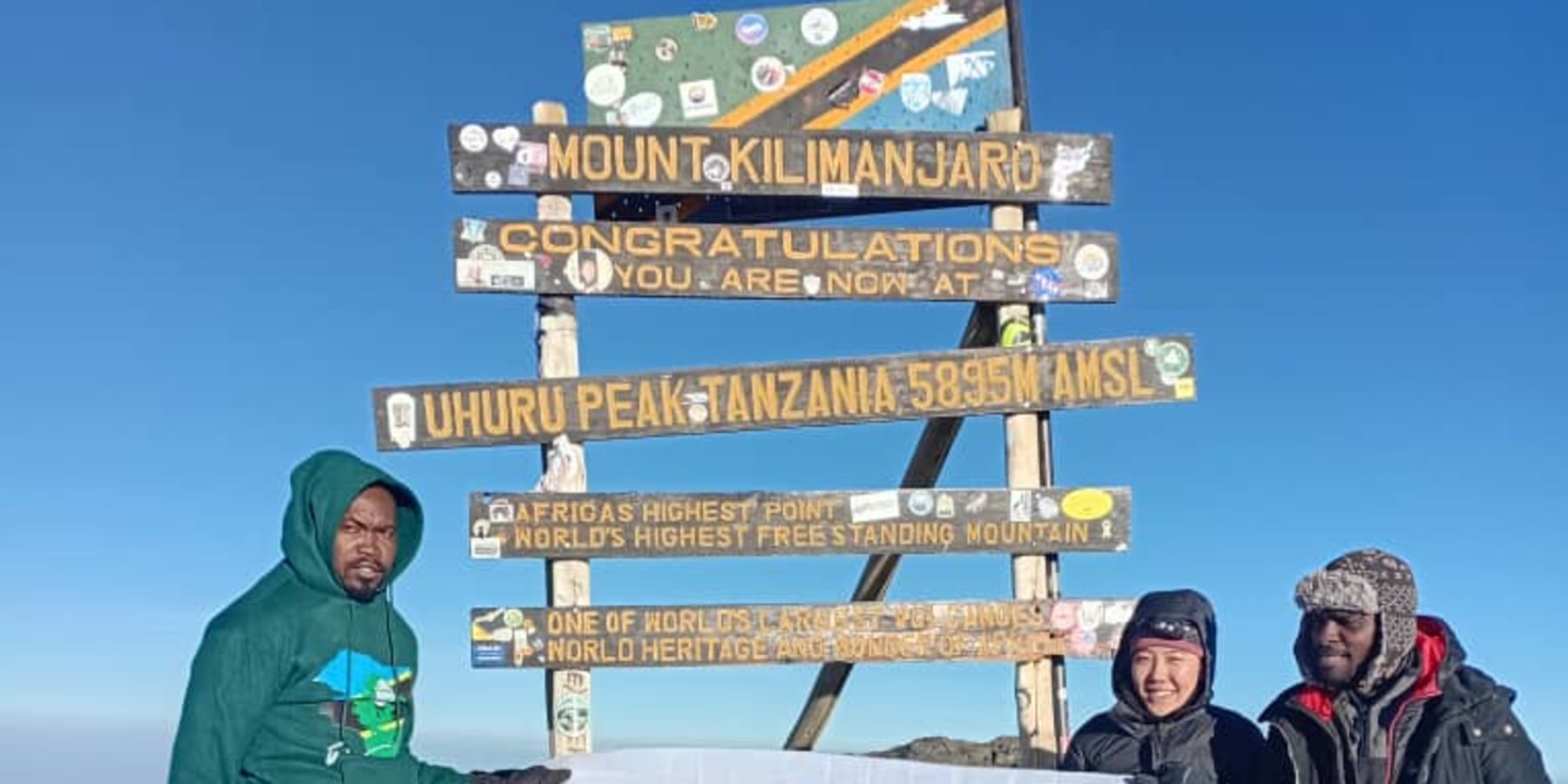

Climbing Africa’s highest mountain is a remarkable personal achievement, but success on the slopes of Mount Kilimanjaro depends far more on preparation than on luck. Each year, many enthusiastic trekkers arrive confident but underprepared, while those who respect the mountain’s demands typically reach the summit safely and enjoyably.
Drawing from field experience and time-tested mountain practices, this guide from Fargin Safaris outlines the essential tips every first-time Kilimanjaro trekker should know before setting foot on the trail.
Understand That Kilimanjaro Is Not a Technical Climb
One of the most common misconceptions is that Kilimanjaro requires mountaineering skills. In reality, most routes are trekking routes—no ropes or technical climbing are needed. However, this should never be mistaken for an easy hike.
The real challenge is altitude.
As you ascend above 3,000 meters, oxygen levels drop significantly. Even very fit individuals can struggle if they ascend too quickly. Respecting the mountain’s pace is a long-standing principle of successful expeditions.
Key advice: walk slowly and steadily. On Kilimanjaro, the traditional Swahili phrase “pole pole” (slowly slowly) is the rule of the mountain.
Choose the Right Route for Your Ability
Route selection plays a major role in summit success and overall experience. Longer routes allow better acclimatization and typically have higher success rates.
Popular options include:
Machame Route – scenic and well-balanced for acclimatization
Marangu Route – hut accommodation and gradual ascent
Lemosho Route – excellent acclimatization and fewer crowds
First-time trekkers are generally advised to avoid very short itineraries. Adding an extra acclimatization day significantly improves summit chances.
Fargin Safaris helps clients select routes based on fitness, time available, and personal preferences—an approach that has proven reliable over the years.
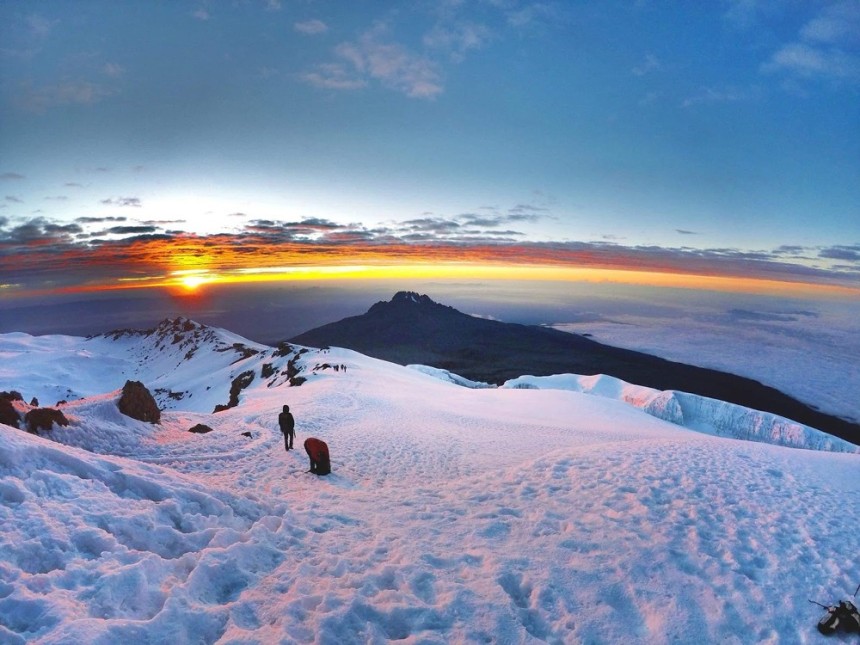
Train Your Body Well in Advance
While Kilimanjaro is a trekking peak, physical preparation remains essential. Begin training at least 8–12 weeks before your climb.
Focus on:
Long-distance walking or hiking
Stair climbing or hill training
Cardiovascular endurance
Leg strength
Light backpack training
You do not need to be an athlete, but you should be comfortable walking 6–8 hours per day for several consecutive days.
Consistency matters more than intensity. Traditional trekking wisdom favors steady conditioning over last-minute hard workouts.
Prioritize Proper Gear (Quality Over Quantity)
Weather on Kilimanjaro changes dramatically—from warm rainforest to freezing alpine desert. Proper layering is the time-honored method used by experienced trekkers.
Essential gear includes:
Moisture-wicking base layers
Insulating mid-layers (fleece or down)
Waterproof outer jacket and pants
Quality hiking boots (well broken-in)
Warm hat and gloves
Headlamp for summit night
Sunglasses and sunscreen
Avoid bringing brand-new boots to the mountain. Many first-time trekkers learn the hard way that untested footwear leads to painful blisters.
Fargin Safaris provides detailed packing lists and can assist with rental gear in Arusha for travelers who prefer to travel light.
Take Altitude Seriously
Altitude sickness is the number one reason trekkers fail to summit. It does not discriminate based on age or fitness.
Golden rules of altitude:
Ascend slowly
Drink plenty of water (3–4 liters daily)
Eat even when appetite is low
Communicate symptoms early
Follow guide instructions strictly
Reputable operators-including Fargin Safaris—conduct daily health checks using pulse oximeters and trained mountain guides. This traditional safety culture is one of the reasons guided climbs remain the safest approach.
Never ignore symptoms such as severe headache, nausea, dizziness, or unusual fatigue.
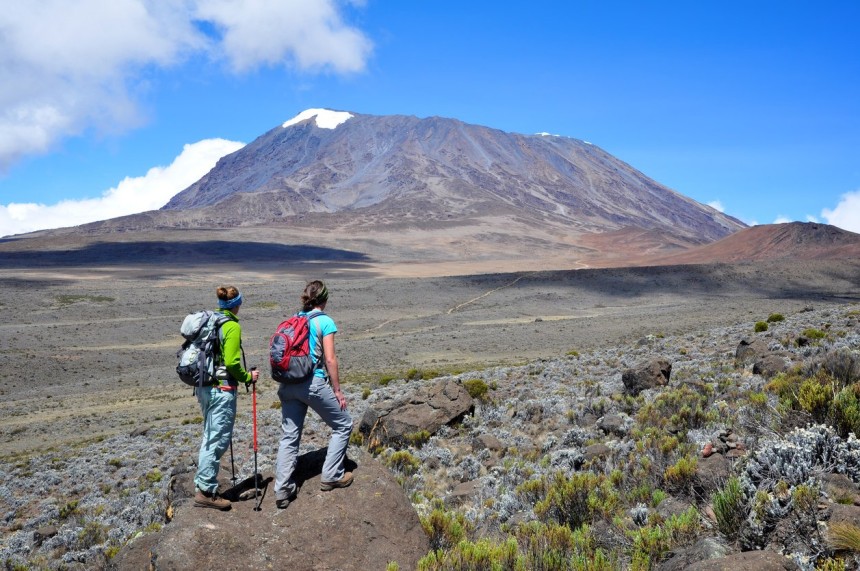
Respect the Mountain Team
A Kilimanjaro climb is a team effort supported by experienced guides, porters, and cooks. Their knowledge of the mountain is built on years—often decades—of experience.
Simple practices go a long way:
Follow your guide’s pace
Listen during daily briefings
Treat porters respectfully
Pack within recommended weight limits
Tip fairly according to local guidelines
Responsible operators like Fargin Safaris follow ethical porter treatment standards, ensuring both guest safety and crew welfare.
Prepare Mentally for Summit Night
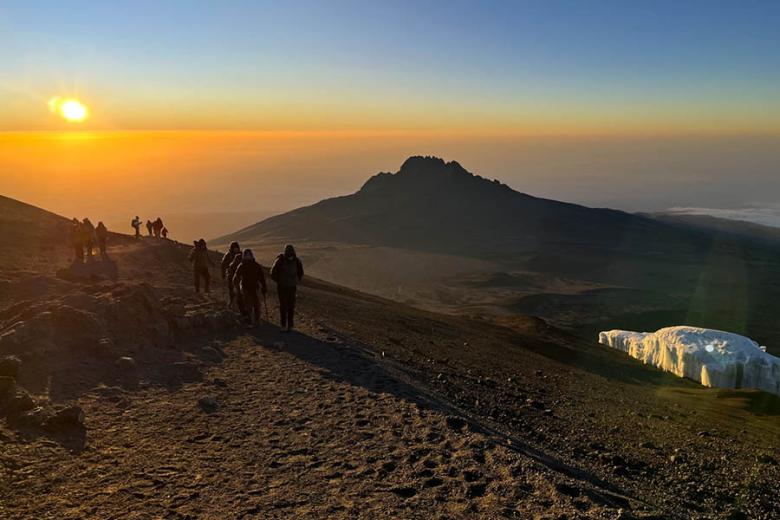
Summit night is the most demanding phase of the climb. It typically begins around midnight and involves several hours of slow ascent in cold, thin air.
Mental preparation is just as important as physical fitness.
Expect:
Cold temperatures
Darkness
Slow progress
Fatigue
Successful trekkers focus on steady movement rather than speed. Remember—the summit is reached step by step.
Allow Time to Enjoy the Journey
While reaching Uhuru Peak is the goal, the true value of Kilimanjaro lies in the journey itself. The mountain passes through multiple ecological zones:
Rainforest
Moorland
Alpine desert
Arctic summit
Take time to observe the changing landscapes, unique flora, and wide African horizons. Traditional safari wisdom reminds us that meaningful travel is never rushed.
Why Trek with Fargin Safaris
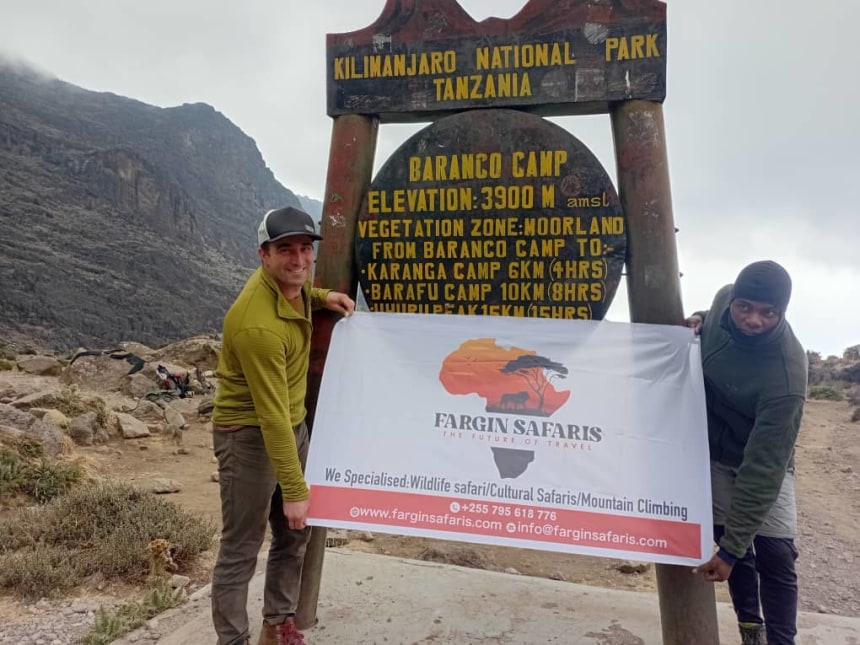
Choosing the right operator is one of the most important decisions you will make. Fargin Safaris combines traditional mountain expertise with modern safety standards to deliver well-organized Kilimanjaro climbs.
With experienced guides, quality equipment, ethical porter care, and personalized support from arrival to departure, Fargin Safaris ensures trekkers are properly prepared for success on Africa’s highest peak.
Start Your Kilimanjaro Journey Today
Climbing Kilimanjaro is achievable with the right preparation and the right team beside you. If you are planning your first trek, let experienced professionals guide your journey.
Contact Fargin Safaris today to receive a customized Kilimanjaro trekking plan, detailed packing support, and expert guidance every step of the way.
Your path to the Roof of Africa begins with one well-prepared decision.
www.farginsafaris.com