


The Historic Peninsula, the oldest settlement of Istanbul, is one of the most valuable cultural heritage areas in the world. Surrounded by the Marmara Sea, the Golden Horn, and the Bosphorus, this unique region served as the capital of the Roman, Byzantine, and Ottoman Empires. With its palaces, mosques, churches, markets, and narrow streets, the Peninsula attracts millions of visitors each year, offering a rare opportunity to walk through the layered history of three great civilizations.
A City Built on Layers of History
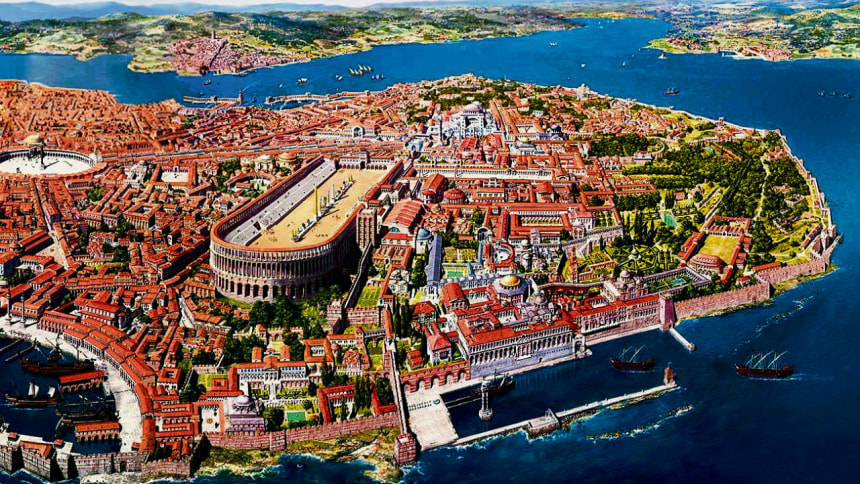
At the very center of the Historic Peninsula lies Sultanahmet Square, essentially an open-air museum today. Known as the Hippodrome during the Roman period, this vast square was the social and political heart of the city during Byzantine times. Ancient monuments such as the Obelisk of Theodosius, the Serpent Column, and the Walled Obelisk still stand proudly, transporting visitors thousands of years into the past.
Just steps away towers the magnificent Hagia Sophia, one of the most iconic structures in the world. Built in 537 by Emperor Justinian I, Hagia Sophia has long symbolized imperial power, architectural brilliance, and spiritual grandeur. Its immense dome and shimmering mosaics continue to inspire awe in every visitor who walks through its doors.
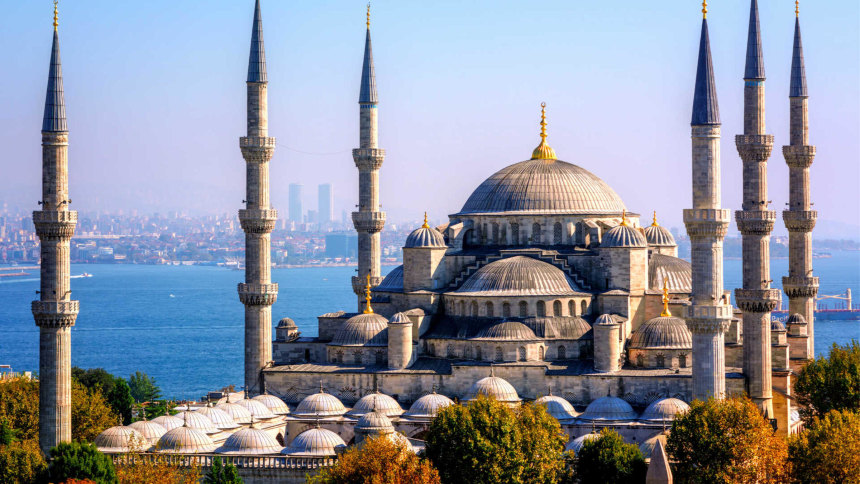
Facing Hagia Sophia is the Blue Mosque formally known as the Sultan Ahmed Mosque—one of the finest examples of classical Ottoman architecture. Commissioned by Sultan Ahmed I in the 17th century, the mosque’s six minarets and its interior decorated with blue İznik tiles create a striking harmony with the neighboring Hagia Sophia. Together, these two monuments showcase the Peninsula’s incredible historical continuity.
Palaces, Bazaars, and the Traces of Everyday Life
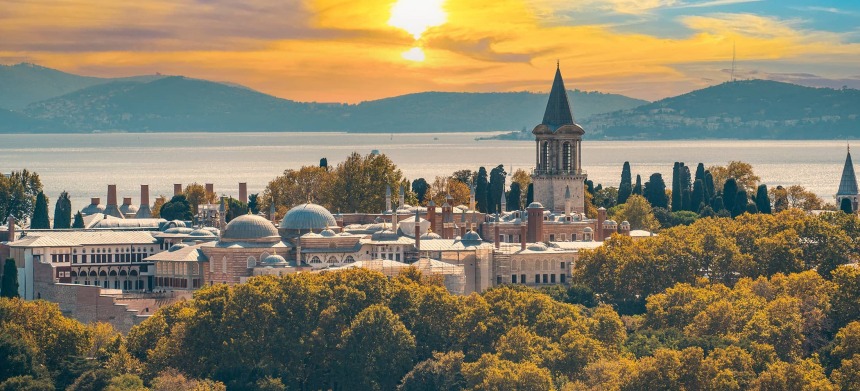
Another essential landmark of the Historic Peninsula is Topkapı Palace, the former seat of the Ottoman Empire for nearly four centuries. With its grand courtyards, the famed Harem, sacred relics, and breathtaking views of the Golden Horn, Topkapı offers visitors a vivid glimpse into imperial life and Ottoman statecraft. Today, it stands proudly as one of Turkey’s most important museums.
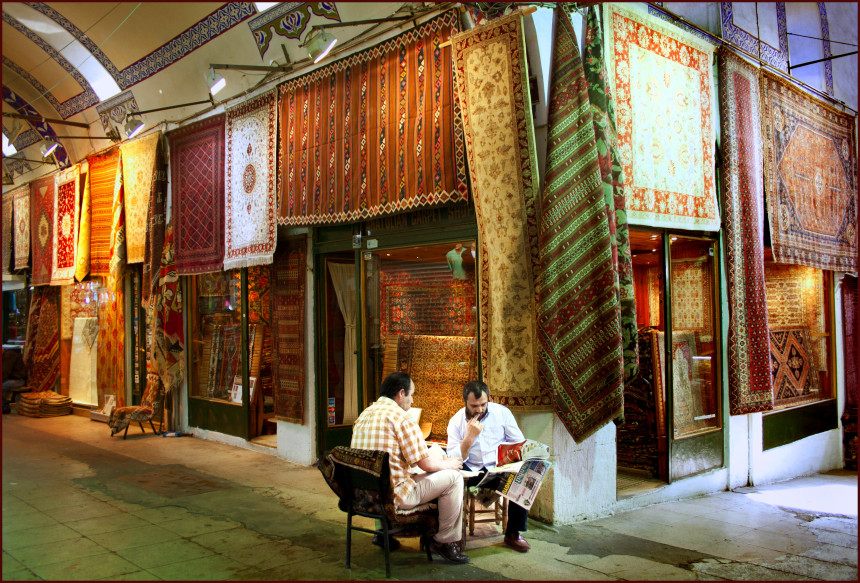
Descending from Topkapı leads to the beating heart of Istanbul’s traditional commerce: the Grand Bazaar and the Spice Bazaar. Operating since the 15th century, the Grand Bazaar is one of the largest and oldest covered markets in the world. Its maze of alleys, filled with shops selling jewelry, carpets, antiques, textiles, and souvenirs, creates a lively and colorful atmosphere. The Spice Bazaar, with its aromatic blend of herbs, Turkish delights, nuts, and dried fruits, offers another dimension of the city’s rich commercial culture.
A Cultural Landmark Overlooking the Golden Horn: Süleymaniye
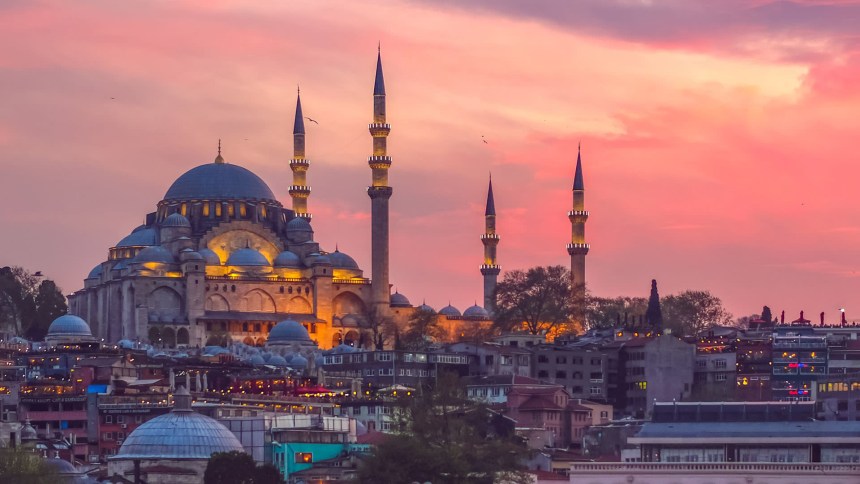
Dominating the skyline of the Historic Peninsula is Süleymaniye Mosque, the masterpiece of the legendary architect Mimar Sinan. Described by Sinan as his “masterpiece,” Süleymaniye is more than a mosque; it is the heart of a vast complex that once included schools, a library, a hospital, a bathhouse, and an imaret (public kitchen). Its elegant design and commanding view of the Golden Horn make it one of the finest symbols of Istanbul’s architectural heritage.
Walls, Neighborhoods, and the Rhythm of Daily Life
The Byzantine city walls, which once protected the city from countless invasions, form the natural boundary of the Historic Peninsula. Still largely intact today, these ancient fortifications stand as a testament to Istanbul’s millennia-old defensive history.
The Peninsula is also home to distinctive neighborhoods such as Fatih, Eminönü, Beyazıt, Fener, and Balat. Fener and Balat, historically home to Greek and Jewish communities, are known for their colorful houses, steep streets, and centuries-old churches. In recent years, these districts have transformed into vibrant cultural hubs filled with cafés, galleries, and creative spaces, adding a modern charm to their historic textures.
The Historic Peninsula in the Modern World
Today, the Historic Peninsula is a dynamic crossroads where locals, tourists, history, and modern life blend seamlessly. Its museums, markets, street vendors, tram lines, and bustling crowds create a living mosaic of old and new. This is the part of Istanbul where time seems to move both fast and slow—where every street corner reveals a new story waiting to be discovered.
Conclusion
The Historic Peninsula of Istanbul is not just a district—it is a living museum where history, culture, religion, and architecture coexist in remarkable harmony. Having hosted countless civilizations over thousands of years, the Peninsula continues to captivate visitors with its timeless atmosphere. With every stone, every building, and every winding street echoing the past, it remains the very soul of Istanbul.