


Jambo, and karibu—welcome!
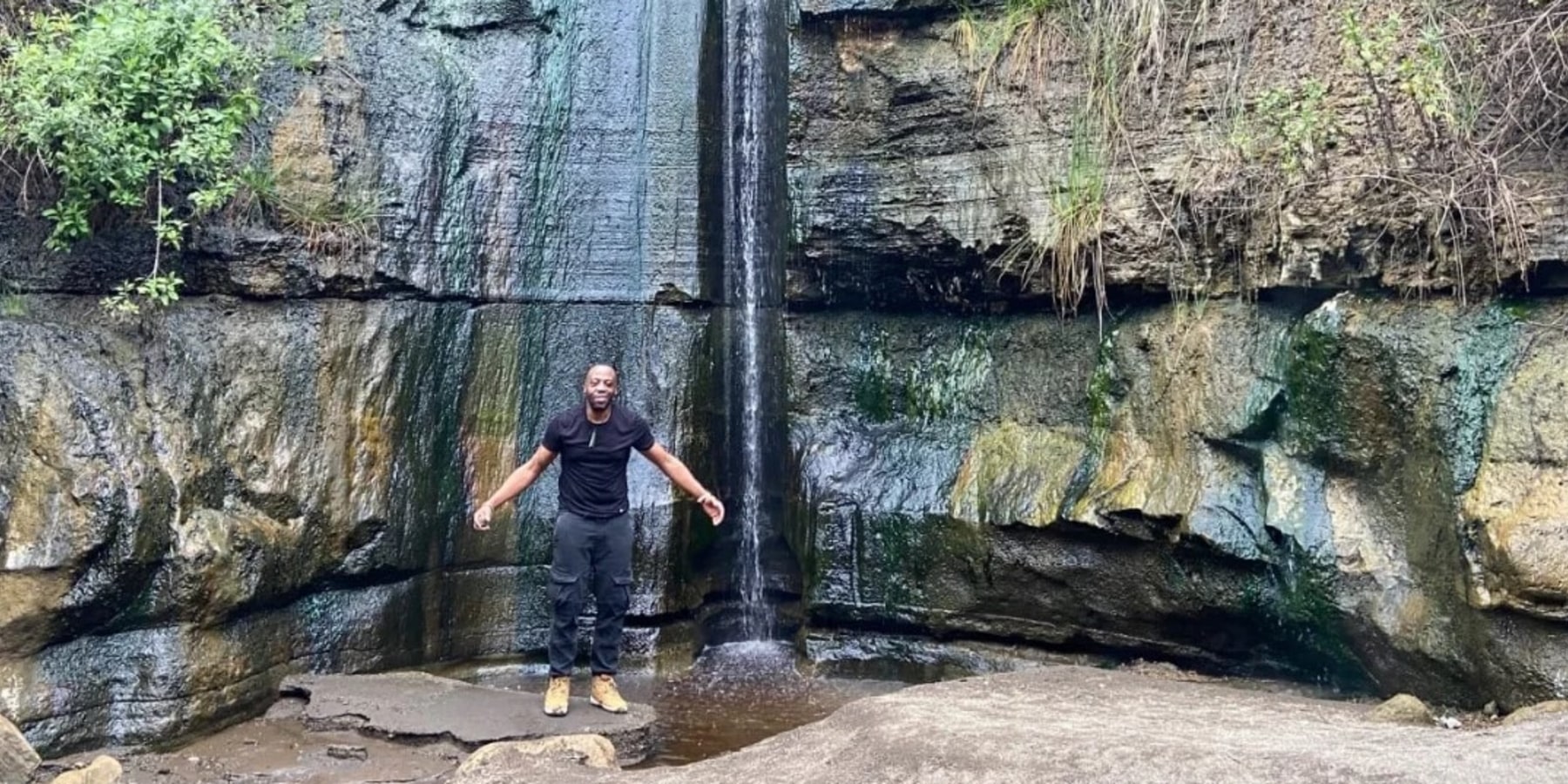
My name is Luke Biko. Whenever I stand in Hell’s Gate, the earth beneath my feet speaks. It does not whisper but tells a monumental, epic saga—one carved into the very soul of East Africa. This is the story of the Great Rift Valley, our continent’s most dramatic scar and its most generous womb. I call it "The Theater of Evolution." As your guide and storyteller, it is my greatest joy to walk with you through these pages of deep time, where every cliff, lake, and volcano holds a chapter of our past.
A Valley That Shaped a Continent
The Great Rift Valley is more than a destination—it is the main character in East Africa’s story. Formed over millions of years by titanic forces pulling the earth apart, this colossal trench runs from the Middle down through Ethiopia, Kenya, Tanzania, and beyond. Its influence is timeless. It has shaped weather, birthed ecosystems, and set the stage for the most profound drama of all: the evolution of humanity. Imagine a mountain rising here, a lake vanishing there. That was the ever-changing world of our ancestors.
Our Ancient Cradle
The slopes and ash-covered soils of the Rift have preserved our family album like no other place on Earth. At sites such as Olorgesailie in Kenya, Olduvai Gorge in Tanzania, and the Omo Valley in Ethiopia, the bones of our earliest ancestors rest as testament to this valley’s sacred role as the “Cradle of Humankind.” As forests yielded to savannahs, our forebears were challenged to adapt—to walk upright, to craft tools, to form societies. When you stand on a Rift Valley viewpoint, you are not just admiring a view. You are gazing into the homeland of every person alive today.
A Crucible for Wildlife Evolution
Just as it shaped us, the Rift Valley became a mighty engine for life itself. Its towering walls and vast floor created a natural laboratory—a barrier that separated species for millennia, allowing them to evolve independently. While humans climbed its cliffs, crossed its lakes, and adapted to its challenges, much of the wildlife specialized on whichever side of the Valley they found themselves.
On the Eastern Side, the rain-shadowed savannahs of the Maasai Mara and Amboseli host the classic plains game: vast herds of Burchell’s zebra, the striking fringe-eared oryx, the Maasai Ostrich, and the elegant Maasai Giraffe. Here, predators like the cheetah reign over the open grasslands.
On the Western Side, the land slopes toward Lake Victoria in richer, lusher shades. This is the realm of the forest-dwelling Roosevelt’s sable antelope and the elusive bongo in the highlands of Aberdare. Here, too, you find the Somali ostrich and the reticulated giraffe—that mirrors of their eastern relatives. This divide is a living lesson in how geography writes the story of life.
The Fires Beneath: Volcanic Drama
The Rift Valley is alive with the earth’s inner fire, forever reshaping itself. Volcanic forces have painted its canvas with majestic cones and enriched its soils. Mount Longonot, a perfect stratovolcano we can hike, offers a view from its rim that steals the breath. Menengai Crater, one of the largest calderas on Earth, speaks of cataclysmic creation. And to the south, Mount Kilimanjaro—Africa’s rooftop—stands as a glorious product of the same rifting violence. These volcanoes did not only shape the skyline; they forged the fertile plains that feed the greatest wildlife spectacles on the planet.
A String of Jewels: The Rift Valley Lakes
Along the valley floor, a chain of lakes shimmers like scattered jewels, each with its own character. Lakes Nakuru and Bogoria are famed for flamingo spectacles—seas of pink against blue water, fed by alkaline blooms. Lake Naivasha is a freshwater oasis, fringed by acacias, alive with birds and hippos. Lake Elementaitawa whispers with the calls of countless waterbirds. These lakes are havens, from diving fish eagles to wallowing hippos, and their shifting waters tell the ongoing story of the region’s climate.
Walk the Story with a Local
To book a tour with me is more than sightseeing—it is an invitation to understand. We will feel volcanic rock underfoot, smell acacia on the breeze, and watch a giraffe—perfected by millennia of Rift Valley evolution—amble across the horizon. We will listen to the waters of a primordial lake lap at the shore. In the evening, Maasai elders will share stories by the fire, helping you see how their culture is woven into this very landscape.
We will talk about how this mighty valley made everything you see—from the soil that grows our tea to the path of the great wildebeest migration. This is my heritage, and I am honored to share its deep, resonant story with you.
Come, let us explore the cradle together.
Luke Biko