


The biggest mistake I see with family safaris is treating them like ordinary safaris and simply putting children in the back seat.
That can work. But it's not the same as planning a safari for a couple or a group of adults.
With adults, you can happily spend six hours looking for one leopard, leave camp before sunrise every morning, and spend most of the day in the vehicle because the wildlife is the priority. With children, the wildlife still matters, but so does what happens between the sightings.
That changes the whole design of the trip.
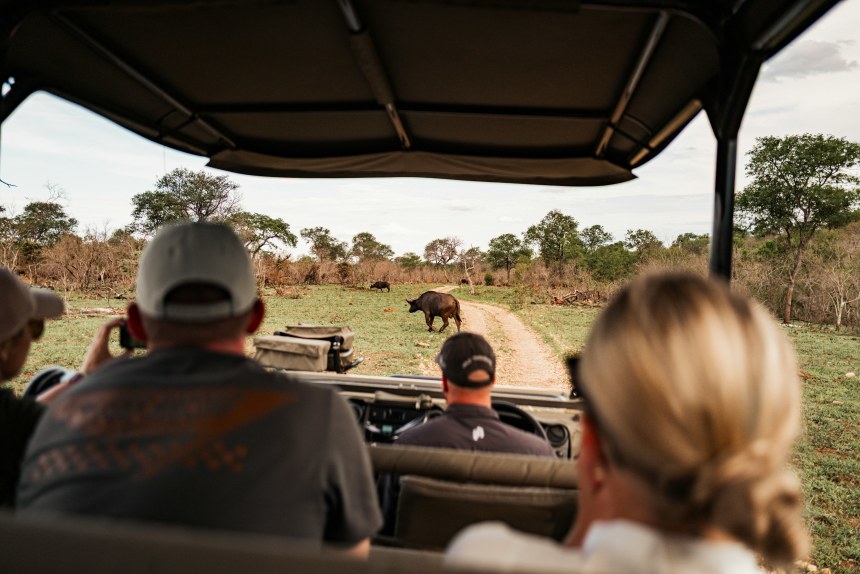
The first difference is pace, not luxury
A good family safari usually has fewer hotel changes and fewer very long driving days.
Talk to enough parents who've actually done this trip and one theme keeps coming up: keep the number of camps manageable, build in some downtime, and choose properties where children can do something besides sit in a vehicle. A pool and a change of activity between game drives does more for a family's mood than almost anything else on the itinerary.
That doesn't mean children can't handle long drives. They can.
The problem is spending a precious safari day moving between too many destinations when the family could have been enjoying one properly.
For example, Arusha to Tarangire is roughly 90 minutes in normal conditions, while Tarangire to the Ngorongoro area is around 2½–3 hours. Going from the crater area deep into the central Serengeti can take another 4 hours or more depending on exactly where you're staying.
I'd rather give a family three strong destinations and time to enjoy them than squeeze five parks onto the itinerary just because they appear on a map.
A private vehicle becomes much more valuable
For adults, sharing a safari vehicle can be an easy way to reduce the price.
For a family, I'd usually recommend going private.
The advantage isn't just privacy. It's flexibility. If a six-year-old has had enough at 2pm, you can return to camp. If everyone is fascinated by a herd of elephants, you can stay longer. If the family wants an earlier lunch, that's possible too.
There's also a cost detail worth knowing before you compare quotes: much of the vehicle-and-guide expense is fixed rather than charged separately for every passenger.
That means a family of four can actually get relatively good value from a private vehicle compared with a couple travelling privately.
Current 2026 market estimates vary widely, but a seven-day private Northern Circuit safari for a family of four can range from roughly $5,000 to $14,000+ in total, depending heavily on accommodation and what is included.
A comfortable mid-range trip is commonly quoted around $8,000–$14,000 before international flights, while high-end family camps can go substantially higher.
Don't compare quotes by the headline price alone. Check whether park fees, concession fees, internal flights, transfers, meals and activities are already included.
Children change the park-fee mathematics too
This catches many first-time parents by surprise, and honestly, it's one of the things I most often have to explain in the first planning call.
Tanzania's park charges aren't simply "adult price multiplied by four." Children have reduced rates in many cases, while very young children can be exempt from some park fees entirely. TANAPA's published information confirms that children under five are admitted free to its national parks, and current 2025–26 Serengeti fee schedules show substantially reduced child rates compared with adults.
Ngorongoro is the example I bring up most, because it trips people up every time. The conservation charge is per person, but the Crater Service Fee is charged per vehicle — currently around $295 per descent under published 2025–26 guidance. For a family travelling together, that vehicle charge gets spread across everyone rather than multiplied by the number of passengers, which is exactly the opposite of what most parents assume going in.
The best safari month can also change
For adults chasing one particular wildlife event, it's tempting to choose the month first and build the safari around it.
Families have more options.
February is a good example. Southern Serengeti during the calving period tends to be particularly rewarding for families, since there can be large numbers of newborn animals and increased predator activity — and it's a gentler pace than the peak-season crowds. One family we helped plan an early-February trip for came back saying it beat the classic dry-season months for exactly that reason.
The other important point is what not to assume.
July to September is famous for the northern migration and river crossings, but a river crossing is never a guaranteed appointment.
We try to steer families away from building the entire itinerary around sitting at one river hoping wildebeest decide to cross that particular day. Wildlife viewing away from the crossing can still be excellent, and it's a lighter ask for children who don't want to spend an entire morning waiting.
April is another good example of why generic advice can fail. The Ndutu area can turn very muddy during heavy rains, which makes a theoretically attractive migration itinerary considerably less practical with children in tow.
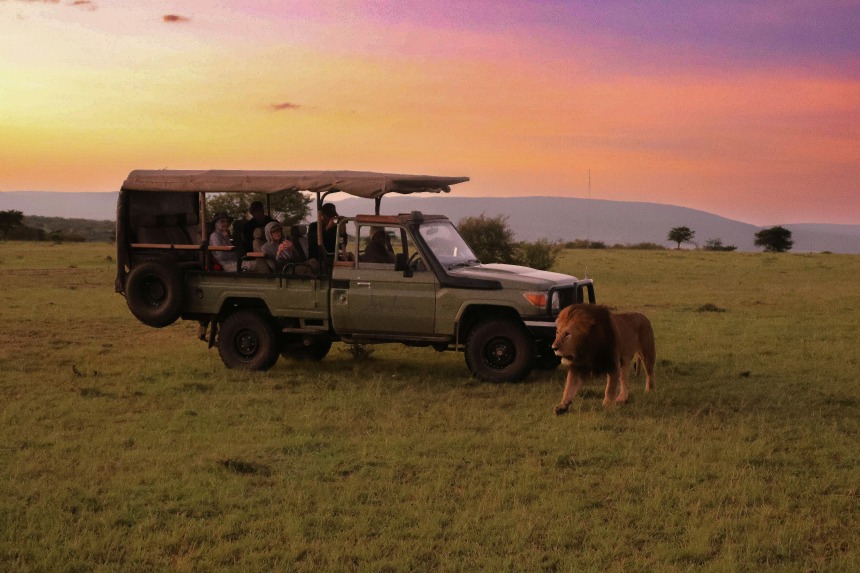
Accommodation matters more than most adults realise
Adults can tolerate a basic camp when the wildlife is exceptional.
Children are less impressed by wildlife being exceptional when they're hungry, tired and covered in dust.
For families, we pay attention to three things that often get missed: family-room configuration, whether there's somewhere for children to relax during the middle of the day, and whether the property actually welcomes children of your ages.
A family-friendly lodge isn't necessarily a luxury lodge.
A comfortable mid-range property with a pool, good meals and sensible family accommodation can be more useful than an expensive property designed mainly around adults. Private dining arrangements are also worth asking about, particularly for younger children who don't do well with a formal, shared-table dinner service.
Here's the insider question I'd ask
Don't simply ask an operator, "Is this itinerary family friendly?"
Ask:
"What will my children actually be doing between 1pm and 4pm?"
That question exposes a lot.
If the answer is basically "they'll rest in the tent," that's fine for some families. But if your children are energetic, you may be much happier at a property with a pool, nature activities, cultural visits or another way to break up the day.
I'd also ask exactly how long each driving day is from the actual camp, not just from one park to another. "Serengeti to Ngorongoro" can mean very different things depending on whether you're leaving central Serengeti or the far north — and that's the kind of question that separates an operator who knows the route from one who's just reading a map.
What I'd actually do
For a first Tanzanian safari with children, I'd normally aim for around 6–8 days, use a private vehicle, keep the itinerary to roughly three main safari areas, and spend at least two nights in some locations rather than constantly packing and unpacking.
A Northern Circuit combination such as Tarangire + Ngorongoro + Serengeti gives you variety without turning the holiday into a driving marathon. I'd then choose the Serengeti area according to the month rather than promising a particular migration event months in advance.
And I'd choose the guide as carefully as the lodge. Families need someone who can drive safely, explain wildlife well, notice when the children have had enough, and adapt without making the parents feel they're "missing out" by changing the plan.
That's really what separates a family safari from an adult safari.
The goal isn't to make the safari easier. It's to make the whole family enjoy the safari.
A well-planned family trip may contain fewer parks, shorter drives and more downtime than an adult itinerary. On paper, that can look like you're doing less. In practice, you're often getting much more out of the days you do have.
That is where a good local operator earns their keep: not by adding more activities, but by knowing when to slow the trip down, where to stay, and how to make the route work for the actual family travelling.