

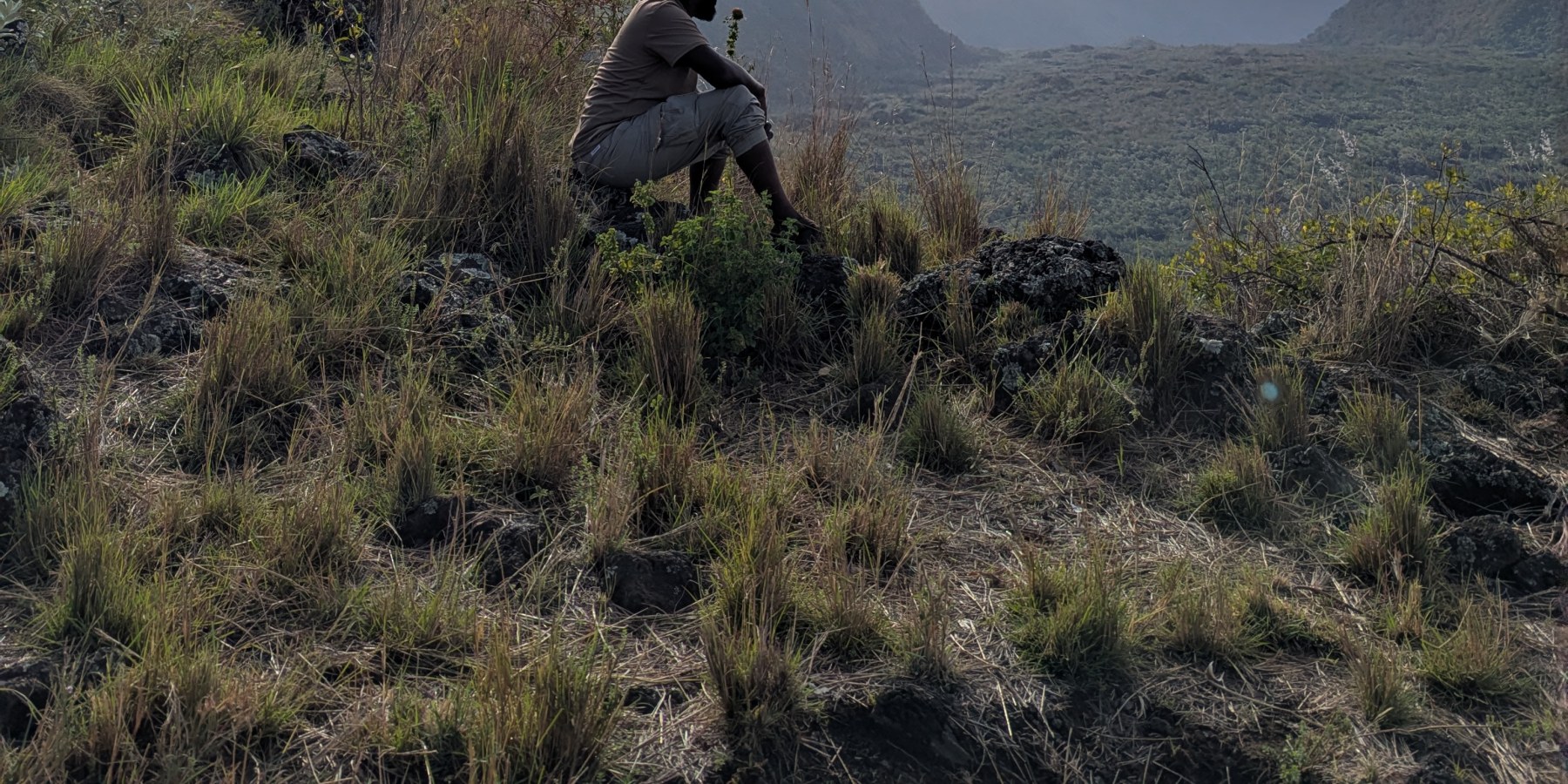

Most travelers come to Kenya looking for the classic image—acacia trees silhouetted against a setting sun, a lion resting after a kill. But after a decade of guiding, I have learned that the country's most unforgettable secrets are often the ones not featured in the brochures. Tucked away in the Great Rift Valley, roughly halfway between Nairobi and the Tanzanian border, lies Mount Suswa—a volcano so unique and unexplored that it feels like a world waiting to be discovered.
Unlike the conical peaks that draw climbers from around the world, Suswa is a shield volcano, distinguished by a rare geological phenomenon: a double crater. This means that inside its vast outer bowl, a second, perfectly formed inner crater cradles its own pristine forest. Standing on the rim, gazing down at this layered landscape, is a view that rewrites your understanding of what a volcano can be. The mountain last rumbled to life over 200,000 years ago, leaving behind terrain that is raw, powerful, and eerily beautiful.
A Sacred Mountain, A Living Community
What makes Mount Suswa truly special, however, is not just its geology—it is the fact that this ancient landscape is still very much alive with people. The mountain and its surrounding forests are home to a Maasai community that has lived here for centuries. For them, Suswa is not just a landmark; it is a sacred anchor. The caves, the water sources, and the volcanic soil are all woven into the fabric of their daily existence and spiritual beliefs. When we explore this area, we are guests in their ancestral home, and no visit is complete without experiencing the mountain through their eyes.
Into the Underworld: The Lava Tubes and Baboon Parliament
While the crater rim hikes offer panoramic views of the Rift Valley, the real magic of Suswa lies beneath your feet. The mountain is riddled with an extensive network of lava tubes—ancient tunnels carved by flowing magma. With a headlamp and a local Maasai guide, we descend into this cool, silent underworld, leaving the savannah sun behind.
The most famous chamber within this labyrinth is known locally as the "Baboon Parliament." This massive cavern serves as a nightly shelter for troops of baboons seeking protection from predators. But for the Maasai, these caves have long served a different purpose. They have been used for generations as shelter for livestock during times of conflict or drought, and certain inner chambers are considered sacred, used only for specific ceremonies and elders' meetings. To stand in that echoing space, guided by someone whose ancestors once sought refuge in the same darkness, surrounded by the sounds of the wild and the geological history of the earth, is an experience that rivals any wildlife sighting on the open plains. It is a place where nature, geology, and human tradition perform a daily ritual together.
Guardians of the Crater
The relationship between the Maasai and Mount Suswa is one of mutual dependence. The mountain provides natural springs and steam vents that offer precious water in this semi-arid land—a trick the community has perfected over time, collecting fresh water from the geothermal steam deep within the caves. In turn, the Maasai act as guardians of this fragile ecosystem. Walking across the crater floor with a local elder, you will hear stories not of eruptions and lava, but of grazing patterns, medicinal plants, and the generations of warriors who have come of age on these slopes. It is a reminder that this landscape is not a barren relic, but a thriving, lived-in home.
My Invitation to You
In all my years of guiding, I have come to realize that the places we remember best are not just the ones we see, but the ones we feel. Mount Suswa is such a place. Here, the pulse of the earth is still audible in the cracks of lava tubes, and the voices of the past echo in the stories told by Maasai elders. It is a rare corner of Kenya where adventure and ancestry walk hand in hand.
So I leave this invitation with you. Come with me to the summit as dawn breaks, when the rising sun spills gold across the entire Rift Valley floor. Come crawl into the ancient darkness where baboons retreat at dusk and where, if you listen closely, you can hear the whisper of magma that once flowed here. And when we emerge, let us sit with the people who call this mountain home—not as tourists, but as guests—and learn what it means to truly belong to a place.
This is not just another hike. This is a journey into the living, breathing soul of Kenya.
Karibu Kenya! (Welcome Home!)
Luke Biko'