

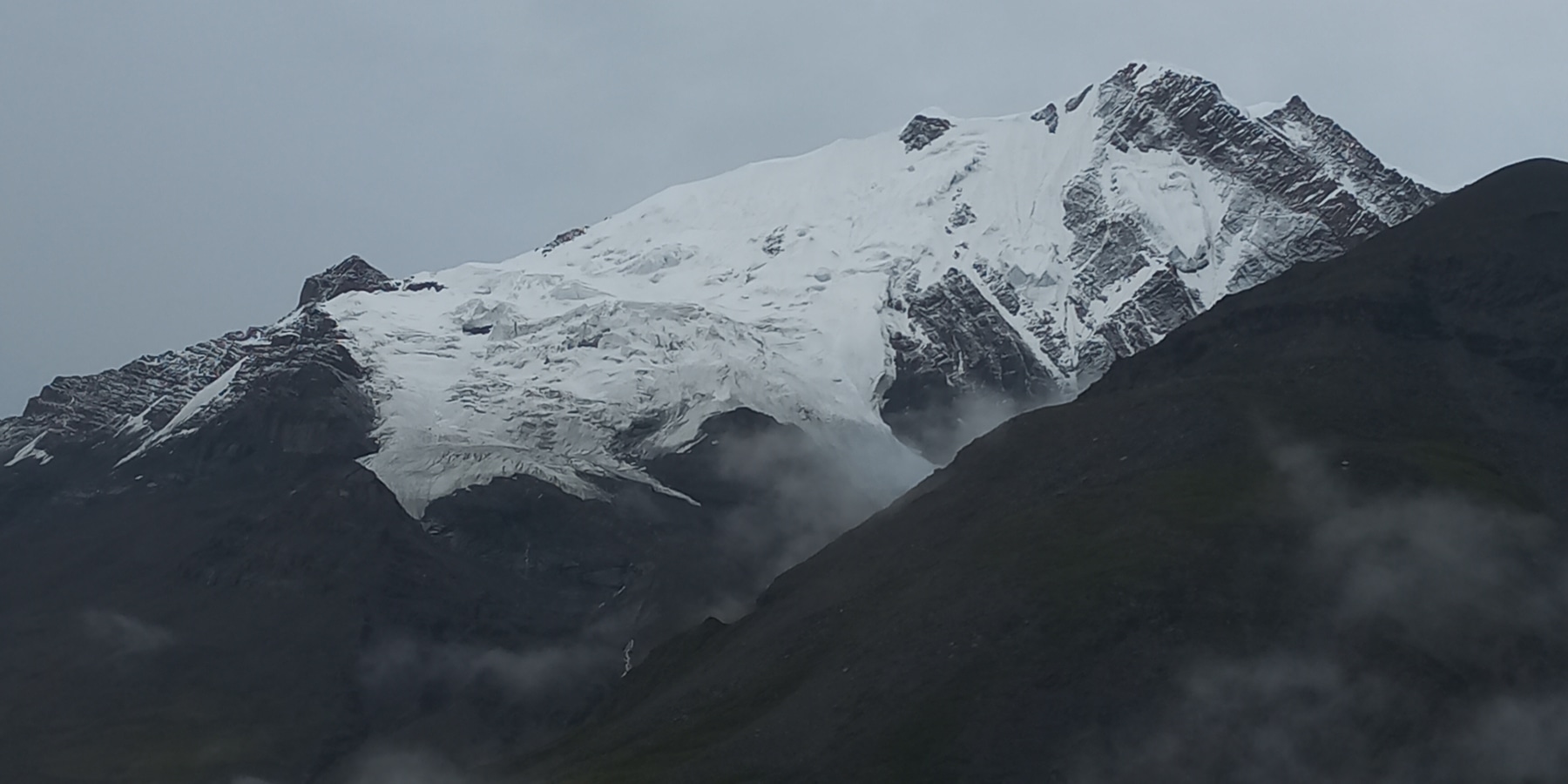

The Annapurna Circuit: Nepal's Most Complete Trek
Few trails on Earth pack in as much variety as the Annapurna Circuit. Over roughly two to three weeks, it carries you from subtropical rice terraces at under 1,000 meters to a windswept Himalayan pass at 5,416 meters, through Gurung and Manangi villages, pine forests, high-desert plateaus that feel more like Tibet than Nepal, and finally down into the pilgrimage town of Muktinath. It's this constant change of scenery, culture, and altitude — not just the mountain views — that keeps the Annapurna Circuit near the top of every serious trekker's list.
Why Trekkers Keep Choosing This Route
The circuit loops around the entire Annapurna massif, so instead of walking to a single viewpoint and back, you're moving through a new landscape almost every day. One afternoon you're crossing suspension bridges over glacial rivers; a few days later you're walking past chortens and prayer wheels in a high-altitude desert that looks like the Mustang region. Along the way, Annapurna I, Annapurna II, Gangapurna, Manaslu, and Machapuchare (Fishtail) appear from different angles at different times, which is part of what makes the trek feel so dynamic compared to shorter, single-destination hikes.
Add to that the well-developed teahouse network — hot meals, warm beds, and even bakeries and WiFi in some villages — and it's easy to see why the Annapurna Circuit remains one of the most popular multi-day treks in the world, appealing to both first-time high-altitude trekkers and seasoned mountain travelers.
Route and Duration
The classic circuit starts near Besisahar (about 760m) and finishes around Nayapul or Pokhara, after crossing the Thorong La Pass (5,416m) between Manang and Muktinath. Depending on road access, transport choices, and whether you add side trips, most itineraries run 12 to 18 days, broken down roughly like this:
Days 1–5: Besisahar to Chame, following the Marsyangdi valley through terraced farmland, waterfalls, and forest, with the terrain steadily turning more alpine.
Days 6–9: Chame to Manang, with the classic acclimatization stop in Manang village (3,519m) — most itineraries build in a rest day here, often with a side hike to Ice Lake or Gangapurna Lake.
Days 10–12: Manang to Thorong Phedi or High Camp, then over the Thorong La Pass into Muktinath — this is the physical and emotional highlight of the trek.
Days 13–16: Muktinath down to Jomsom, Marpha, and Tatopani (with its natural hot springs), optionally continuing over Ghorepani and Poon Hill for a final sunrise over the Annapurna range before descending to Pokhara.
Road construction has crept into parts of the lower valley over the years, so many operators now use jeeps for the first day or two and the final descent, which shortens the trek without cutting out any of the high-altitude sections that matter most.
Best Time to Go
Autumn (October–November): The most popular window — clear skies, stable weather, and excellent mountain visibility, right after the monsoon.
Spring (March–May): Warmer at lower altitudes, with rhododendron forests in bloom; slightly hazier skies than autumn.
Winter (December–February): Quieter trails and a real sense of solitude, but the Thorong La Pass can close during heavy snowfall — this window suits experienced, flexible trekkers.
Monsoon (June–September): Generally avoided due to leeches, landslides, and obscured views, though the rain-shadow area beyond Manang stays relatively dry.
Permits and Regulations
Every foreign trekker needs an Annapurna Conservation Area Permit (ACAP), which funds trail maintenance and conservation work in the region; it currently costs around NPR 3,000 (roughly $22–30). Since 2023, Nepal has also required trekkers in the Annapurna Conservation Area to travel with a licensed guide booked through a registered trekking agency — independent solo trekking without a guide is no longer permitted on this route. Rules around the older TIMS card have shifted in recent years, so it's worth confirming current requirements with a registered operator before departure rather than relying on older guides online.
How Difficult Is It?
The Annapurna Circuit is a moderate-to-challenging trek, achievable by anyone with reasonable fitness and no serious pre-existing altitude issues — but it should never be underestimated. Daily walking typically runs 5–7 hours, and the final push over Thorong La involves a long, cold, early-morning climb followed by a steep descent. The real risk isn't the distance, it's altitude: proper acclimatization days, a slow ascent profile, and awareness of AMS (acute mountain sickness) symptoms matter more than raw fitness. A good guide and a sensible itinerary — not a rushed one — are the biggest factors in a safe, enjoyable crossing.
What to Pack
Layered clothing for a temperature range from spring-like valleys to sub-zero mountain passes
A sturdy pair of broken-in trekking boots
A warm sleeping bag (rated to at least -10°C/14°F for the high camps)
Trekking poles, sunglasses, and high-SPF sunscreen for the exposed, high-altitude sections
A basic first-aid kit and, ideally, a travel insurance policy that covers high-altitude trekking and emergency evacuation
Booking Your Trek Through TourHQ
The Annapurna Circuit rewards good planning: the right season, a sensible acclimatization schedule, and a licensed local guide can be the difference between a trek you remember for the views and one you remember for the struggle. TourHQ connects trekkers with vetted, local tour operators across Nepal who build itineraries around exactly these priorities — pacing the ascent properly, arranging permits and guides in line with current regulations, and adapting the route for your fitness level and travel dates.
Whether you're looking for a full 16-day classic circuit, a shorter jeep-assisted version, or a circuit combined with Poon Hill or Tilicho Lake, browsing operator itineraries on TourHQ is the easiest way to compare options, read real traveler reviews, and message local experts directly before you commit.