

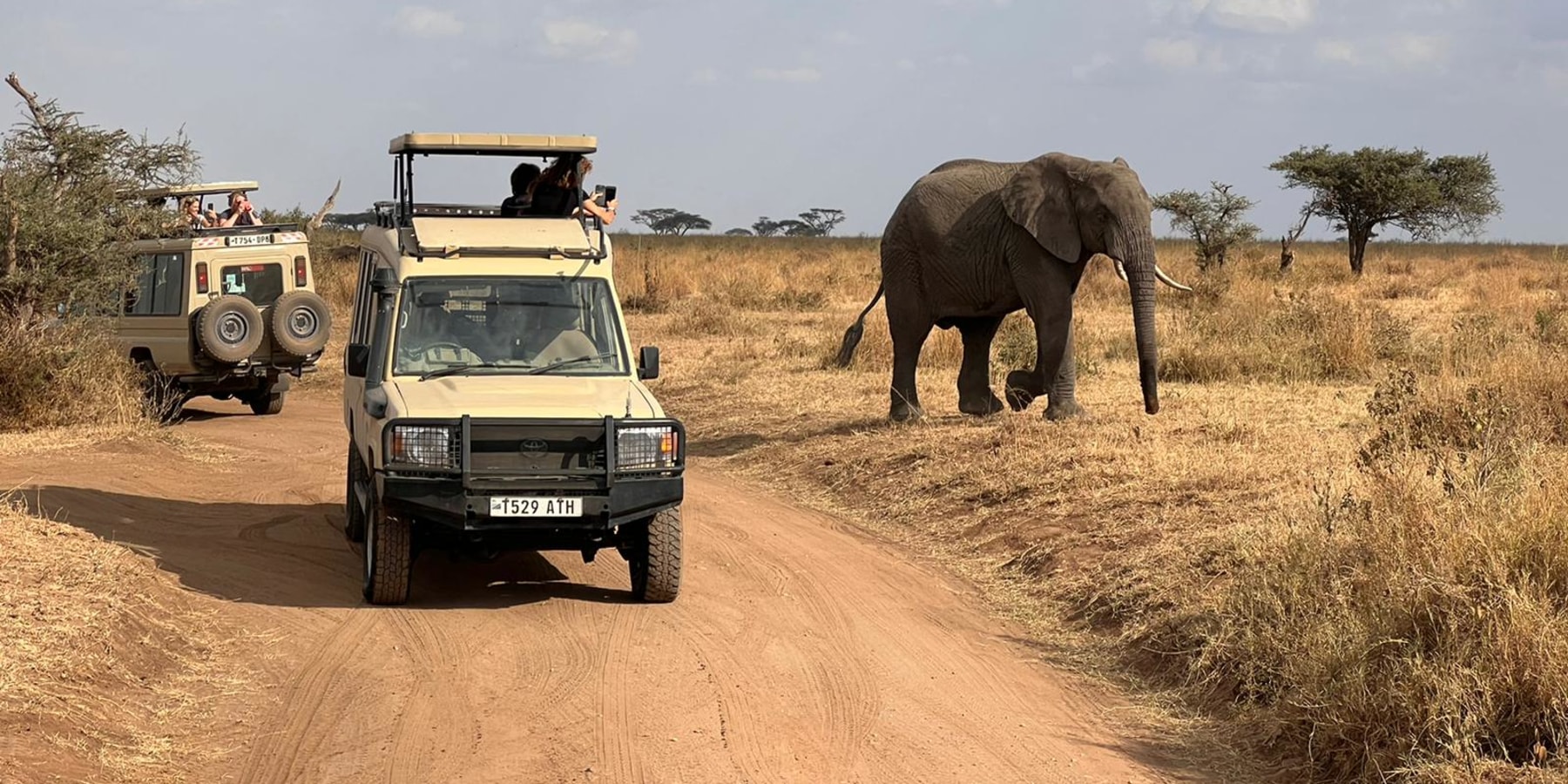

For many first-time visitors, however, an important question comes before booking a trip: Is Tanzania safe to visit?
The answer depends on where you travel, what activities you plan to do and how well you prepare. Millions of travellers visit Tanzania for safaris, beach holidays, mountain trekking and cultural experiences, but like anywhere in the world, sensible precautions are important.
The best way to enjoy Tanzania is to travel with reliable local partners, follow safety instructions, respect local laws and customs, protect your belongings, take appropriate health precautions and stay informed about conditions affecting your particular destination.
This Tanzania Travel Safety Guide explains what travellers should know before and during a safari, Zanzibar holiday, Kilimanjaro trek or other adventure in Tanzania.
Is Tanzania Safe to Visit?
Tanzania can be a rewarding destination for international travellers when appropriate precautions are taken. However, no destination can guarantee complete safety, and conditions can vary between regions.
Current foreign-government travel advice identifies risks including crime, road safety, terrorism concerns in certain areas, political demonstrations and the challenges associated with remote national parks and adventure activities. The UK Foreign, Commonwealth & Development Office, for example, currently advises against all but essential travel within 20 kilometres of Tanzania’s border with Mozambique’s Cabo Delgado Province because of the risk of attacks linked to Islamic extremism.
This regional warning should not be interpreted as applying equally to every tourist destination in Tanzania. Travellers should check current advice for the specific regions they intend to visit before departure.
For a typical Tanzania safari or holiday, one of the most important safety decisions is choosing a reputable tour operator and using experienced guides and drivers who understand the destinations, roads, wildlife and local conditions.
Tanzania Safari Safety
A Tanzania safari is an extraordinary wildlife experience, but wild animals should always be treated as wild animals.
Even animals that appear calm or accustomed to safari vehicles can be unpredictable. Elephants, lions, buffalo, hippos and other wildlife can be extremely dangerous if approached incorrectly.
Always listen to your safari guide and follow park regulations. Never leave the vehicle in an area where getting out is prohibited, and never approach animals simply to obtain a closer photograph.
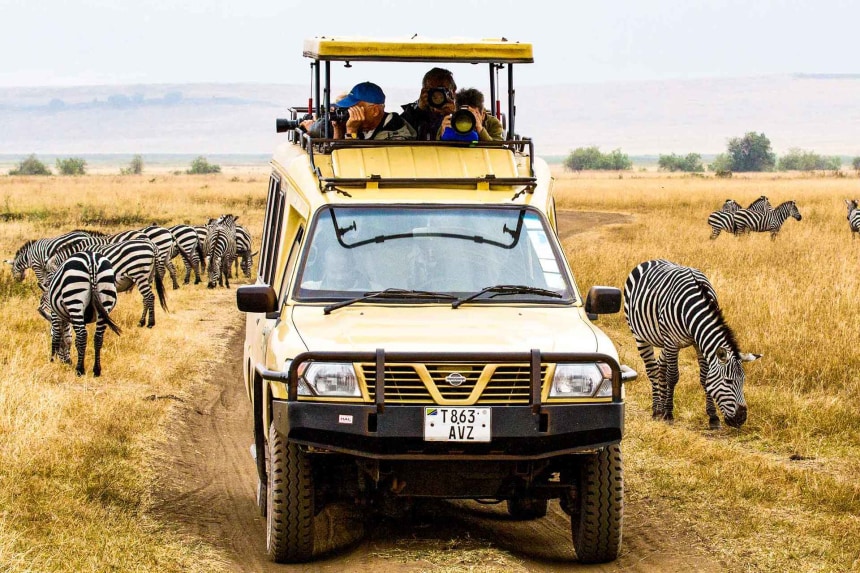
Stay Inside the Safari Vehicle When Required
In many safari situations, your vehicle provides an important safety barrier between you and wildlife.
Do not stand up, lean excessively outside the vehicle or attempt to attract an animal’s attention without your guide’s approval.
Avoid shouting, playing loud music or making sudden movements around wildlife.
A professional safari guide understands animal behaviour and knows when it is appropriate to stop, when to move away and when guests should remain quiet.
Never Feed Wild Animals
Feeding wildlife can change natural animal behaviour and potentially create dangerous situations.
Do not throw food from a safari vehicle or attempt to attract animals by offering them snacks.
Wildlife should be observed naturally and respectfully.
Be Particularly Careful Around Elephants and Buffalo
Elephants and buffalo may appear relaxed but can react quickly if they feel threatened.
Your guide will normally position the vehicle at an appropriate distance and angle for observation.
Never pressure a driver to move closer to an animal simply because another vehicle has obtained a closer photograph.
The quality of a safari is not measured by how close you get to wildlife. A responsible safari prioritises safety, conservation and respectful observation.
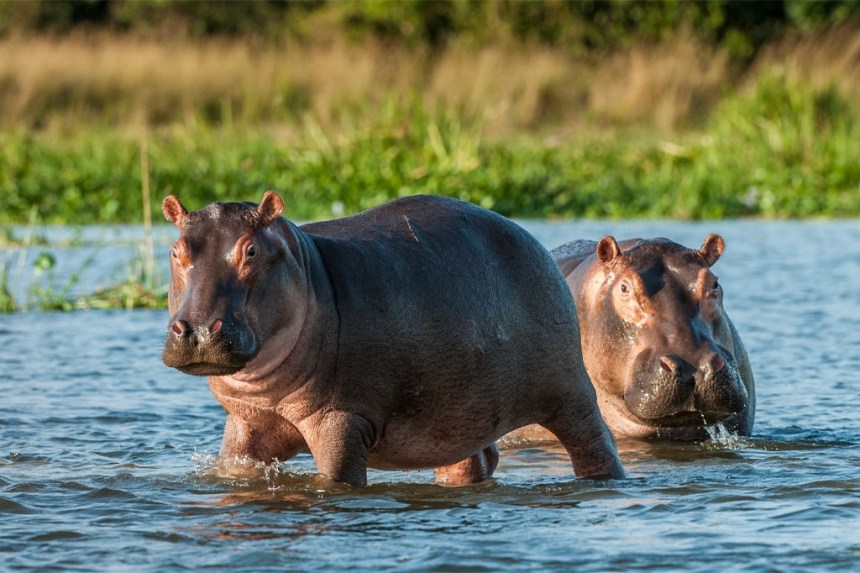
Hippos Are Extremely Dangerous
Hippos are often underestimated because they spend much of the day in water.
Never approach a hippo on foot and never walk close to a river or lake at night without appropriate local guidance.
If you are staying at a camp or lodge in an area with wildlife, follow instructions regarding walking between your room and the main buildings.
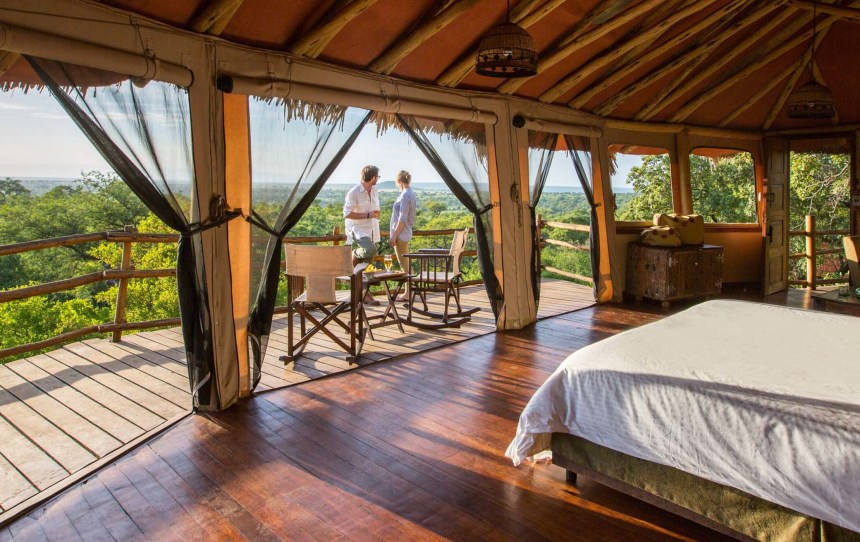
Do Not Walk Around a Safari Camp Without Guidance
Some camps and lodges are located in unfenced wilderness areas.
Wild animals may pass through camp, particularly during the night.
Always ask camp staff whether you can walk independently. At some properties, an escort may be required when moving between accommodation and common areas after dark.
Is It Safe to Go on a Tanzania Safari With Children?
Tanzania can be an excellent family destination, but safari safety becomes particularly important when travelling with children.
Children should be taught not to approach wildlife, wander away from adults or make loud noises around animals.
Parents should follow the specific age requirements and safety policies of individual lodges, camps and safari activities. Some walking safaris, boating activities and other adventures may have minimum age requirements.
A private safari can also provide greater flexibility for families because the itinerary can be adjusted around children’s energy levels, meal times and rest periods.
Tanzania Road and Transport Safety
Road travel is an important part of many Tanzania holidays because safari destinations can be several hours apart.
Road conditions vary significantly. Some major roads are paved and well travelled, while roads inside and around national parks can be rough, dusty and uneven.
For this reason, choosing an experienced safari driver-guide is an important part of travel safety.
Use a Reputable Safari Vehicle and Driver
A reputable safari operator should use appropriate vehicles and experienced drivers who understand the roads and conditions.
Your driver-guide should also understand how to navigate national parks, wildlife areas and remote routes.
Current foreign travel advice recommends using reputable transportation providers and highlights road safety as an area where travellers should exercise caution.
Avoid Unnecessary Night Driving
Travelling after dark can present additional risks because of limited visibility, pedestrians, animals, road conditions and other vehicles.
Safari itineraries are normally designed around daylight travel where practical.
If you are arranging a private transfer, ask your operator about the safest and most practical travel times.
Be Careful With Local Public Transport
Travellers using local buses, motorcycle taxis or other forms of public transportation should understand that safety standards can vary.
The FCDO specifically notes concerns about some local buses, motorcycle taxis and tuk-tuks, including vehicle condition, driving standards and accident risks.
For airport transfers, safari transfers and private excursions, booking through your hotel or reputable tour operator is generally preferable to accepting transportation from unknown individuals.
Tanzania Travel Safety at Hotels and Lodges
Your accommodation is an important part of your overall travel safety.
Choose established hotels, lodges and camps with appropriate security arrangements.
When staying at a safari lodge or unfenced camp, pay attention to the property’s briefing. Staff may explain whether you should be escorted after dark, how to respond if wildlife enters the property and which areas are safe to walk through.
Keep your accommodation doors and windows secured when appropriate and use the property’s safe for important documents and valuables.
Protecting Your Belongings in Tanzania
Petty theft and other forms of crime can occur in tourist areas, cities and crowded places.
You do not need to travel in fear, but you should avoid making yourself an easy target.
Keep expensive jewellery, large amounts of cash and unnecessary valuables out of sight. Use your accommodation’s safe where available and keep copies of important documents.
The FCDO advises travellers to avoid displaying valuables and to be cautious with bags, particularly in areas where bag snatching can occur.
Keep Your Passport Safe
Your passport is one of the most important documents you carry.
Keep the original passport secure and carry a photocopy or secure digital copy where appropriate.
You should also have copies of your travel insurance details, emergency contacts, flight information and important booking documents.
Be Careful With ATMs
When withdrawing cash, use reputable ATMs, preferably those located within or directly associated with established banks.
Avoid withdrawing large amounts of money unnecessarily and protect your PIN when using an ATM.
The FCDO specifically recommends using ATMs located within banks as one measure to reduce the risk of card cloning.
Tanzania Safety for Solo Travellers
Tanzania can be experienced by solo travellers, but independent visitors should take extra care when moving around unfamiliar areas.
Avoid walking alone at night in unfamiliar places, particularly in cities or isolated areas.
Arrange airport transfers and local transportation through reputable accommodation providers or tour operators.
If you are going on a safari, hiking excursion or other remote activity, tell someone about your itinerary and use a professional guide.
Current travel advice recommends avoiding walking or cycling alone at night and taking particular care with personal security.
Tanzania Safety for Female Travellers
Women travelling in Tanzania should use the same general precautions they would use in any unfamiliar destination, with additional awareness of their surroundings.
Avoid accepting unsolicited invitations or rides from strangers, particularly when travelling alone.
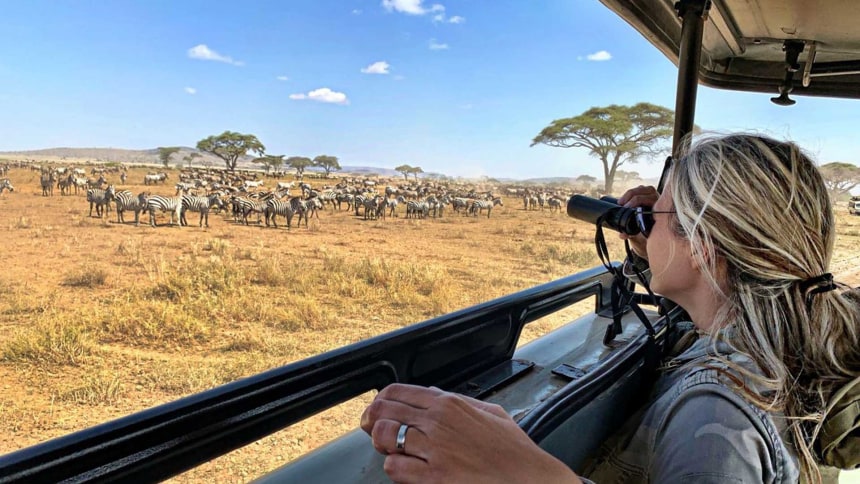
At night, use trusted transportation and avoid isolated areas.
When staying at beach resorts or safari lodges, follow the property’s security advice.
Female travellers should also consider appropriate clothing according to the location they are visiting. Tanzania is culturally diverse, and Zanzibar in particular has strong Muslim cultural traditions.
Zanzibar Travel Safety
Zanzibar is a popular extension to a Tanzania safari and is generally associated with beaches, Stone Town, cultural experiences and water activities.
However, visitors should remember that Zanzibar is not simply a beach resort environment. It has its own cultural traditions and laws, and travellers should behave respectfully.
Dress Respectfully in Zanzibar
Beachwear is appropriate at beaches and many resorts, but more conservative clothing is recommended when visiting Stone Town, villages and other local communities.
Cover shoulders and knees where appropriate, especially when visiting religious or culturally significant places.
During Ramadan, travellers should also be particularly considerate of local customs. Current foreign travel advice notes the importance of respecting local traditions and religious practices in Zanzibar.
Take Care on Beaches
Do not assume every beach is safe for swimming at all times.
Pay attention to tides, currents, weather conditions, boats and local warnings.
If you participate in snorkelling, diving, kayaking, sailing or other water activities, use reputable operators and appropriate safety equipment.
Zanzibar Night Safety
Avoid walking alone on isolated beaches or unfamiliar streets after dark.
Use transportation arranged by your hotel or trusted tour operator when travelling at night.
Stone Town and popular beach areas can become quiet in certain places after dark, so plan your evening transportation in advance.
Health and Medical Safety in Tanzania
Good health preparation is an important part of a Tanzania holiday.
The health precautions you need depend on your itinerary, the areas you visit, the time of year, your personal medical history and the activities you plan to undertake.
The CDC currently recommends that travellers seek appropriate medical advice before visiting Tanzania and notes malaria risk in areas below 1,800 metres, along with recommendations concerning routine and travel-related vaccinations and preventive measures.
Speak to a Travel Health Professional Before Your Trip
Visit a doctor or travel clinic before travelling, ideally well in advance of your departure.
Ask about vaccinations, malaria prevention and any medicines you may need for your itinerary.
Do not rely on general internet advice for personal medical decisions because recommendations can differ depending on your health and exact travel plans.
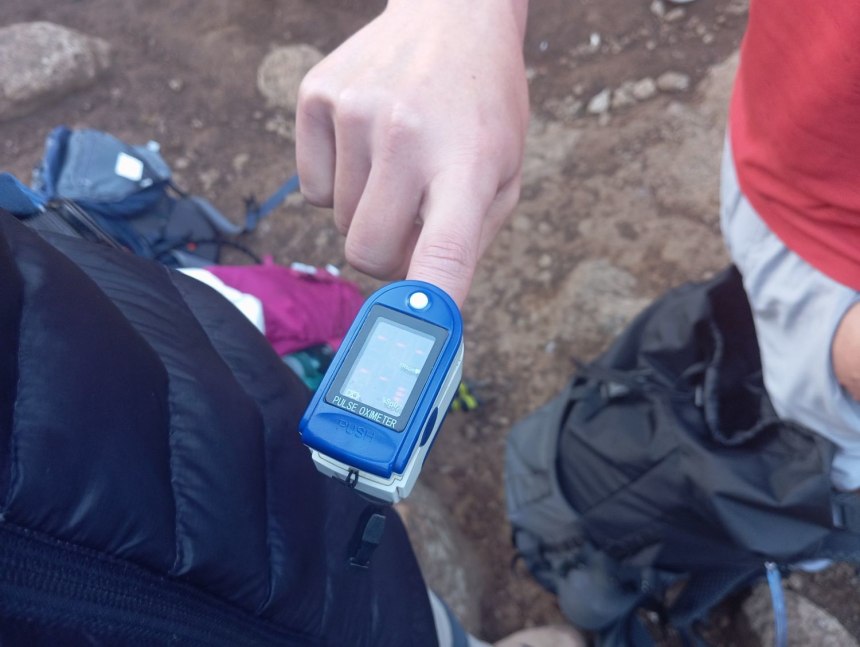
Protect Yourself From Mosquito Bites
Mosquitoes can transmit diseases including malaria.
Use insect repellent, wear appropriate clothing and follow your healthcare professional’s advice regarding malaria prevention.
Consider using accommodation mosquito nets where provided and keep doors and windows closed or screened when appropriate.
If you develop a fever during your trip or after returning home, tell a healthcare professional that you have recently travelled to Tanzania. The CDC notes that malaria can be serious and that travellers should seek prompt medical attention if they develop fever after travel to a malaria-risk area.
Drink Safe Water
To reduce the risk of stomach illness, travellers should be careful about drinking water and consuming food.
Use bottled, treated or otherwise reliably safe drinking water according to your accommodation or tour operator’s advice.
Be cautious with untreated water and practise good hand hygiene, particularly before eating.
Protect Yourself From the Sun
Tanzania can be hot and sunny, particularly during safari and beach activities.
Drink enough water, use sunscreen and wear a hat and sunglasses.
During hiking activities such as Kilimanjaro or Ol Doinyo Lengai, hydration and protection from the sun are particularly important.
Kilimanjaro and Mountain Trekking Safety
Mountain trekking requires additional preparation.
Whether you are climbing Kilimanjaro, hiking in the Usambara Mountains or undertaking another trekking adventure, use a reputable operator and experienced guides.
Current travel advice recommends using reputable companies, sticking to established routes and being properly prepared for terrain and low temperatures when trekking or climbing in Tanzania.
Take Altitude Seriously
On Mount Kilimanjaro, altitude is one of the most important safety considerations.
A successful climb is not only about physical fitness. Your body needs time to adjust to reduced oxygen levels.
Choosing an itinerary with adequate acclimatisation days can improve your chances of completing the climb safely.
Never ignore symptoms of altitude sickness because you are determined to reach the summit.
Your mountain guide should monitor the group and make decisions based on safety rather than simply pushing towards the summit.
Follow Your Guide’s Instructions
Mountain guides have local knowledge of the terrain, weather and route.
Stay with the group, maintain an appropriate pace and communicate immediately if you feel unwell, unusually tired, dizzy or short of breath.
Wildlife Walking Safety
Walking in wildlife areas is very different from walking in a normal forest or park.
Animals may be nearby even when you cannot see them.
Never leave a designated walking route or approach wildlife without an experienced guide.
If your itinerary includes a walking safari, follow your guide’s instructions at all times.
The FCDO specifically warns that wildlife viewing, particularly on foot or at close range, carries risks and advises travellers to follow park regulations and the instructions of wardens.
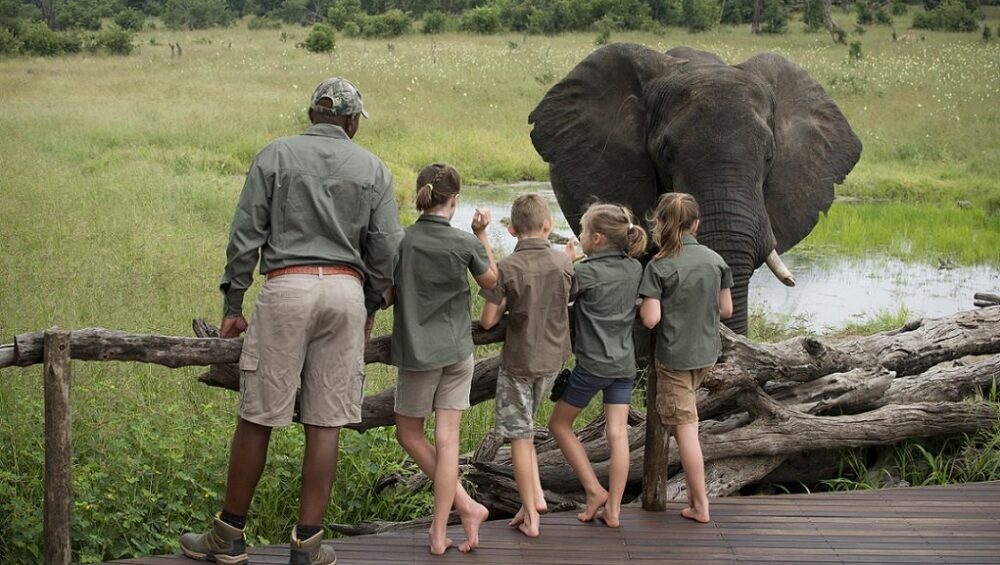
Safety Around Rivers, Lakes and Waterfalls
Tanzania offers many aquatic experiences, including boat safaris, lake visits, waterfalls, snorkelling and ocean activities.
Do not enter unfamiliar rivers or lakes without checking local conditions.
Some waters can contain strong currents, deep sections, wildlife or other hazards.
At waterfalls, stay on designated paths and follow local guide instructions. Rocks can become extremely slippery, particularly after rain.
Food Safety in Tanzania
Tanzania offers an exciting variety of local and international cuisine.
Travellers should use normal food hygiene precautions.
Choose restaurants and accommodation with good hygiene standards, wash your hands regularly and be cautious with food that has been left exposed for long periods.
Your safari operator can also advise you about food and drinking water arrangements during remote safari and camping trips.
Respect Tanzania’s Local Laws and Customs
One of the simplest ways to stay safe is to understand and respect local laws and cultural expectations.
Tanzania is culturally diverse, and customs can differ between mainland Tanzania, Zanzibar, cities, villages and rural communities.
Dress appropriately, ask permission before photographing people and behave respectfully around religious and cultural sites.
Avoid political demonstrations and large gatherings where tensions may exist.
Current travel advice also warns travellers to avoid demonstrations and notes that photographing or sharing footage of protests and violence can create legal problems.
Photography and Social Media Safety
Tanzania provides extraordinary opportunities for photography, but not everything should automatically be photographed.
Always ask permission before photographing local people, particularly in villages and cultural settings.
Do not photograph sensitive locations or security installations without permission.
Be especially cautious around demonstrations, political events and security incidents. Current travel advice specifically warns against taking or sharing photographs and video of protests and violence.
Keep Your Travel Documents and Emergency Contacts
Before leaving home, save copies of:
Your passport
Your visa or entry documentation
Your travel insurance policy
Your flight details
Your hotel and safari bookings
Your tour operator’s emergency contact
Your airline information
Your country’s embassy or consular contact details
Store copies securely online and keep an offline copy available in case you lose internet access.
Travel Insurance for Tanzania
Travel insurance is strongly recommended for a Tanzania holiday.
Your policy should match the activities you are planning.
For example, if you are climbing Kilimanjaro, participating in adventure activities or travelling to remote safari areas, make sure your insurance specifically covers those activities and any relevant emergency evacuation.
The FCDO (Foreign, Commonwealth & Development Office.) recommends appropriate travel insurance that covers the planned itinerary, activities and emergency expenses.
Do not assume that a standard holiday policy automatically covers mountain trekking, high-altitude activities or other adventure experiences.
What to Do in an Emergency in Tanzania
If you experience an emergency, contact the appropriate local emergency service and your tour operator or accommodation as soon as possible.
The current FCDO Tanzania guidance lists 112 for ambulance, fire and police emergency services.
If you are travelling with Sweet Memory Adventure, keep the company’s emergency contact details easily accessible throughout your trip.
In remote safari and trekking areas, emergency response times can be longer than in major cities. This is another reason to travel with an experienced operator that has established emergency procedures.
How Sweet Memory Adventure Helps Keep Travellers Safe
A professional Tanzania travel company should consider safety throughout the entire journey, not only when an emergency occurs.
At Sweet Memory Adventure, your itinerary can be planned around your interests, travel style and activities while taking into account practical considerations such as transportation, accommodation, safari routes and trekking requirements.
For safari journeys, experienced driver-guides provide important local knowledge about wildlife behaviour, park regulations and road conditions.
For trekking adventures, professional mountain guides help monitor the group, manage the pace and respond to changing mountain conditions.
For Zanzibar and other excursions, using trusted local partners helps travellers navigate unfamiliar destinations more confidently.
The goal is not to eliminate every possible risk—something no travel company can promise—but to reduce avoidable risks through good planning, experienced local teams and responsible travel practices.
Is Tanzania Safe for First-Time Visitors?
Yes, Tanzania can be an excellent destination for first-time visitors when the trip is properly planned.
First-time travellers should avoid trying to organise every part of the journey independently without understanding distances, road conditions, park regulations and local customs.
A local tour operator can simplify the experience by arranging transportation, accommodation, safari activities, guides and other services.
You can then concentrate on enjoying Tanzania’s wildlife, landscapes, culture and beaches while your local team handles much of the logistics.
Tanzania Travel Safety Checklist
Before travelling to Tanzania, make sure you have:
A valid passport and required travel documents
Appropriate travel insurance
Copies of important documents
A reliable airport transfer
A reputable safari or tour operator
Appropriate medical and travel advice
Any recommended vaccinations or medications
Mosquito protection
Sun protection
Secure luggage and valuables
Emergency contact numbers
Appropriate clothing for your destinations
Comfortable footwear for walking and trekking
A reliable method of communication
Current information about your specific destinations
Final Thoughts: Travel Smart and Enjoy Tanzania
Tanzania is a destination of extraordinary natural and cultural diversity. From the wildlife-rich plains of the Serengeti to the summit of Mount Kilimanjaro and the beaches of Zanzibar, there are countless experiences to discover.
The key to a successful trip is not to travel with unnecessary fear, but to travel prepared.
Choose reputable local operators, listen to your guides, protect your belongings, take health precautions, respect wildlife, follow park regulations and understand local customs.
Most importantly, check current travel and health advice before departure because conditions and official recommendations can change.
With thoughtful preparation and responsible travel, you can focus on what makes Tanzania so special: its wildlife, landscapes, people, culture and unforgettable adventures.
Frequently Asked Questions About Tanzania Travel Safety
Is Tanzania safe for tourists?
Tanzania is a popular destination for international tourists, but travellers should take normal precautions and stay informed about local conditions. Safety can vary by region and activity, so check current official advice before travelling.
-----
Is Tanzania safe for a safari?
Tanzania safaris can be enjoyed safely when travellers use reputable operators and follow their guides’ instructions. The most important rule is to respect wildlife and never approach animals without professional guidance.
------
Is Zanzibar safe for tourists?
Zanzibar is a popular tourist destination, but visitors should take normal personal-security precautions, particularly at night and in isolated areas. Travellers should also respect local customs and dress appropriately outside beach resorts.
------
Is Tanzania safe for solo travellers?
Solo travel is possible, but visitors should take additional precautions. Avoid isolated areas at night, use trusted transportation and consider joining organised tours or using reputable local guides for safaris and excursions.
------
Is Tanzania safe for female travellers?
Women can travel to Tanzania, but should use sensible precautions such as avoiding isolated areas at night, using trusted transportation and being aware of their surroundings.
-----
Is Tanzania safe for families with children?
Tanzania can be a wonderful family destination. Families should choose age-appropriate activities and accommodation and ensure children understand the importance of staying close to adults and following wildlife safety rules.
------
Do I need travel insurance for Tanzania?
Travel insurance is strongly recommended. Your policy should cover your planned activities, medical treatment and emergency expenses. If you are climbing Kilimanjaro or participating in adventure activities, check that these activities are specifically covered.
-------
Do I need vaccinations before travelling to Tanzania?
Health recommendations depend on your individual circumstances and itinerary. Speak with a doctor or travel health professional before your trip to determine which vaccinations and preventive measures are appropriate.
-------
Is malaria a risk in Tanzania?
Malaria is present in parts of Tanzania, particularly at lower elevations. The CDC currently recommends discussing malaria prevention medication and other protective measures with a healthcare professional before travelling.
-------
What should I do if I get sick in Tanzania?
Seek medical assistance promptly, particularly if you develop a fever or other serious symptoms. Tell the healthcare provider that you have been travelling in Tanzania and explain where you have visited.
-------
Is it safe to walk around Tanzania at night?
Travellers should avoid walking alone at night in unfamiliar or isolated areas. Use trusted transportation arranged through your hotel or tour operator when appropriate.
--------
Can I drink tap water in Tanzania?
Water quality can vary by location. Travellers should follow advice from their accommodation or tour operator and use bottled, treated or otherwise reliably safe drinking water.
-------
Is it safe to travel around Tanzania by road?
Road conditions vary, and long-distance travel can involve rough roads and remote areas. Using an experienced driver and reputable transportation provider is recommended, particularly for safari travel.
-------
Is it safe to climb Mount Kilimanjaro?
Kilimanjaro can be climbed safely with proper preparation, experienced guides and an itinerary that allows adequate acclimatisation. Altitude sickness is a serious consideration, and trekkers should follow their guide’s instructions and report symptoms immediately.
--------
What emergency number should I use in Tanzania?
The current UK government travel guidance lists 112 for ambulance, fire and police emergency services. Travellers should also keep their tour operator, accommodation and insurance emergency contacts readily available.
-------
Should I check travel advice before visiting Tanzania?
Yes. Travel advice can change because of health, security, political or regional developments. Check the latest advice from your own government’s foreign affairs or travel authority shortly before departure.