

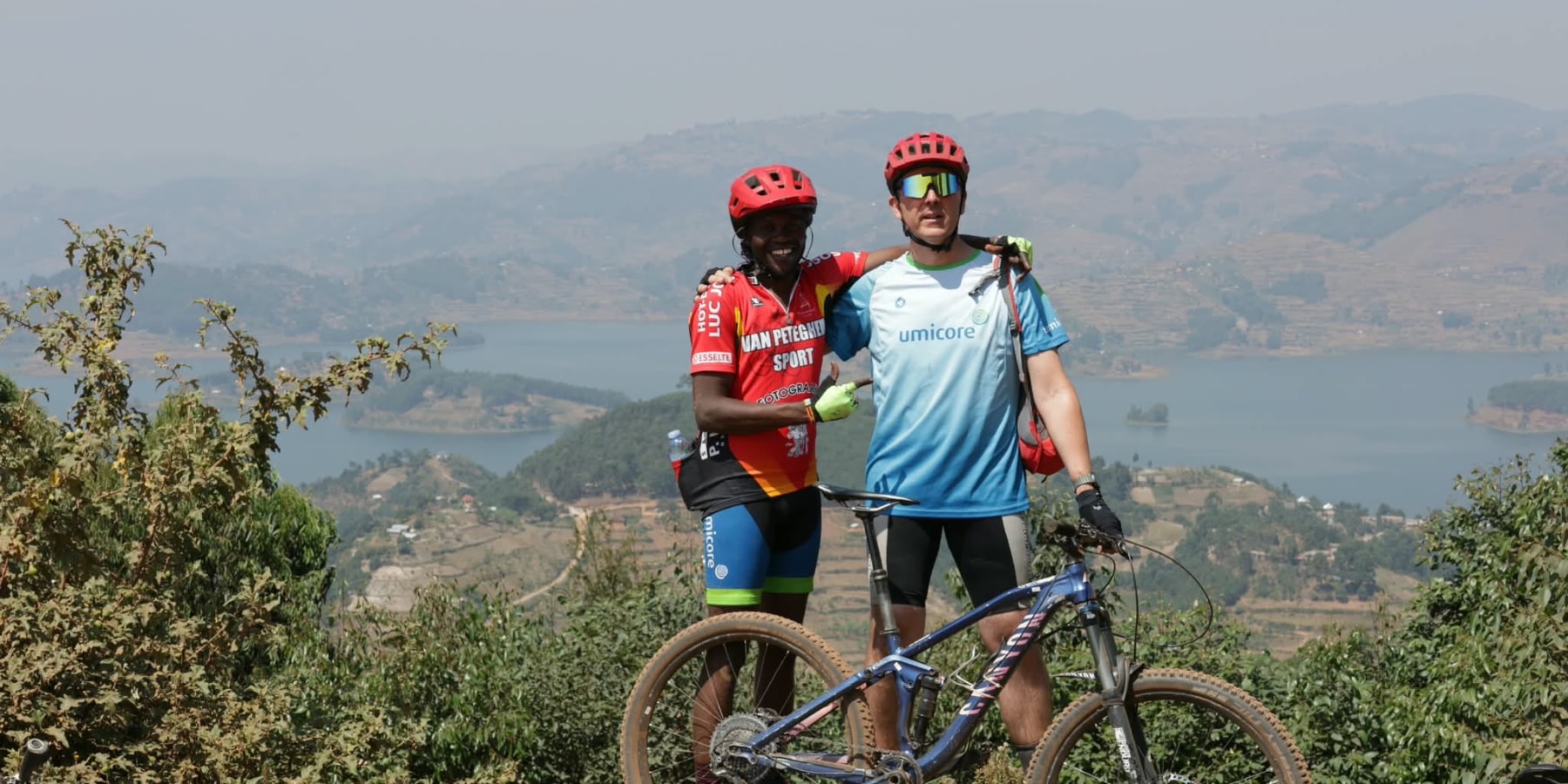

Why Timing a Ride Around Light Actually Matters

Beyond the obvious appeal of better photographs, sunrise and sunset riding offers real practical advantages that shape how we plan itineraries across all four countries. Wildlife activity peaks during these low-light hours, with animals more active and visible than at midday, when most sensible creatures rest in the shade. Temperatures sit at their most comfortable for physical effort, meaningfully cooler than the same route ridden three hours later. And the specific quality of equatorial light at these hours, warm, angled, dramatically contrasted, turns even a familiar stretch of road into something that feels genuinely new.
Sunrise Rides: Uganda's Misty Hills
Starting a ride before or right at sunrise near Bwindi or Lake Bunyonyi means riding through mist that hasn't yet burned off the terraced hillsides, a landscape that looks almost staged in its beauty despite being entirely natural. Villages are just beginning to stir at this hour, smoke rising from cooking fires, kids beginning the walk to school, farmers already moving toward their fields, all lit by a specific golden quality of early light that midday riding simply doesn't offer. Guests who choose an early departure consistently describe this stretch of riding as some of the most beautiful of their entire trip, worth the earlier alarm by a wide margin.
Sunset Rides: Savanna Silhouettes in Kenya and Tanzania

Open savanna terrain around the Maasai Mara and Tanzania's northern circuit delivers a completely different but equally striking version of golden hour, acacia trees silhouetted against a sky moving through orange and deep red, wildlife often more active as temperatures finally drop from the day's peak heat. Riding a final stretch toward camp as the sun drops toward the horizon, elephants or giraffe visible in silhouette against that same sky, is the kind of moment that anchors an entire day's memory, regardless of what else happened during the hours before it.
Lake Kivu and Bunyonyi: Water at Its Most Reflective
Still water does something specific at both ends of the day that it doesn't do under harsh midday sun, mirrors the sky with startling clarity, doubling every color and cloud formation into a reflection nearly as vivid as the original. Riding sections of the Congo Nile Trail near Lake Kivu, or the shoreline roads around Lake Bunyonyi, during these low-light windows delivers some of the most photographed moments across our entire network, not through any special effort beyond simply timing the ride correctly.
Photography Tips Specific to These Hours

Shooting directly into a rising or setting sun tends to wash out detail unless you angle slightly away from it, letting the light rake across the landscape rather than facing it head-on. Silhouettes work best against a clean horizon, an acacia tree or a distant animal shape reads far more dramatically than a busier, more cluttered background competing for attention. If you're shooting on a phone, a slight underexposure compared to what the camera suggests automatically usually preserves more of the sky's color rather than blowing out the highlights entirely, a small adjustment most phone cameras allow with a simple tap and slide on the screen.
The Practical Trade-Offs Worth Knowing
Early starts mean earlier wake-up calls and earlier breakfast, sometimes packed to eat on the move rather than sitting down at a leisurely pace beforehand. Sunset-timed rides mean finishing a riding day later than usual, occasionally arriving at camp or a lodge closer to dark than daylight riders prefer. Both trade-offs are minor compared to what they deliver, but worth flagging clearly when planning your itinerary, since not every guest wants their schedule built around chasing specific light conditions rather than simple convenience.
A Different Version of the Same Route

Riders who cycle a particular stretch of road twice, once at midday and once during golden hour, often describe it as feeling like two entirely different routes rather than one repeated ride. The same hill, the same village, the same lake shoreline reads completely differently depending on the angle and color of the light hitting it, a detail that rewards guests planning a longer trip with the flexibility to revisit a favorite stretch specifically to see it under different conditions.
How We Build This Into an Itinerary
Rather than making every single day a sunrise or sunset chase, which would exhaust even enthusiastic photographers by day three, we typically identify the two or three specific stretches of a route where the light payoff is genuinely worth the early alarm or late finish, a particular ridge overlooking Bunyonyi, a savanna stretch near the Mara during migration season, a coffee farm hillside near Kilimanjaro, and build the day's schedule around hitting that spot at the right moment rather than optimizing every single day equally.
What to Bring If Chasing Light Matters to You

A headlamp for the walk to breakfast before sunrise, a warm layer for the surprisingly cool temperatures at both ends of the day even in locations that felt hot by midday, and whatever camera setup you're most comfortable with, though even a phone captures remarkably good results during these specific lighting windows given how dramatic the natural light already is without much technical assistance needed.
Why This Matters Beyond the Photographs
There's something beyond aesthetics that makes these hours feel different, a stillness before the day's heat and activity fully arrive, a sense of having the landscape briefly to yourself before it wakes up properly, or having it settle into evening calm after a full day of movement. Guests who prioritize these windows consistently describe a specific quality of presence during sunrise and sunset riding that the rest of a demanding day, however enjoyable, doesn't quite match.
If chasing the best light in East Africa sounds like the kind of detail worth building into your itinerary, tell us which moments matter most to you and we'll time your route to catch them.
Also worth reading: Lake Bunyonyi by Bike, Cycling Kenya's Maasai Mara, and The Congo Nile Trail in Rwanda.