


Sagarmatha National Park, Nepal
Sagarmatha National Park is one of Nepal’s most famous protected areas and a gateway to the spectacular Everest region. Established in 1976, the park covers an area of about 1,148 square kilometers in the Solukhumbu District of northeastern Nepal.
The park is best known as the home of Mount Everest (8,849 m), the highest mountain in the world. It also protects dramatic Himalayan peaks, glaciers, deep valleys, alpine forests, and unique wildlife. In 1979, Sagarmatha National Park was designated a UNESCO World Heritage Site because of its outstanding natural and cultural importance.
Where Is Sagarmatha National Park?
Sagarmatha National Park lies in the Khumbu region of Nepal, in the northern part of Solukhumbu District. The park extends toward the Nepal–Tibet border and includes some of the most spectacular landscapes in the Himalayas.
Most visitors enter the Everest region by flying from Kathmandu to Lukla and then trekking through villages, forests, valleys, and high mountain terrain. Another option is to travel by road toward the lower Everest region and continue on foot.
Mount Everest and the Himalayan Landscape
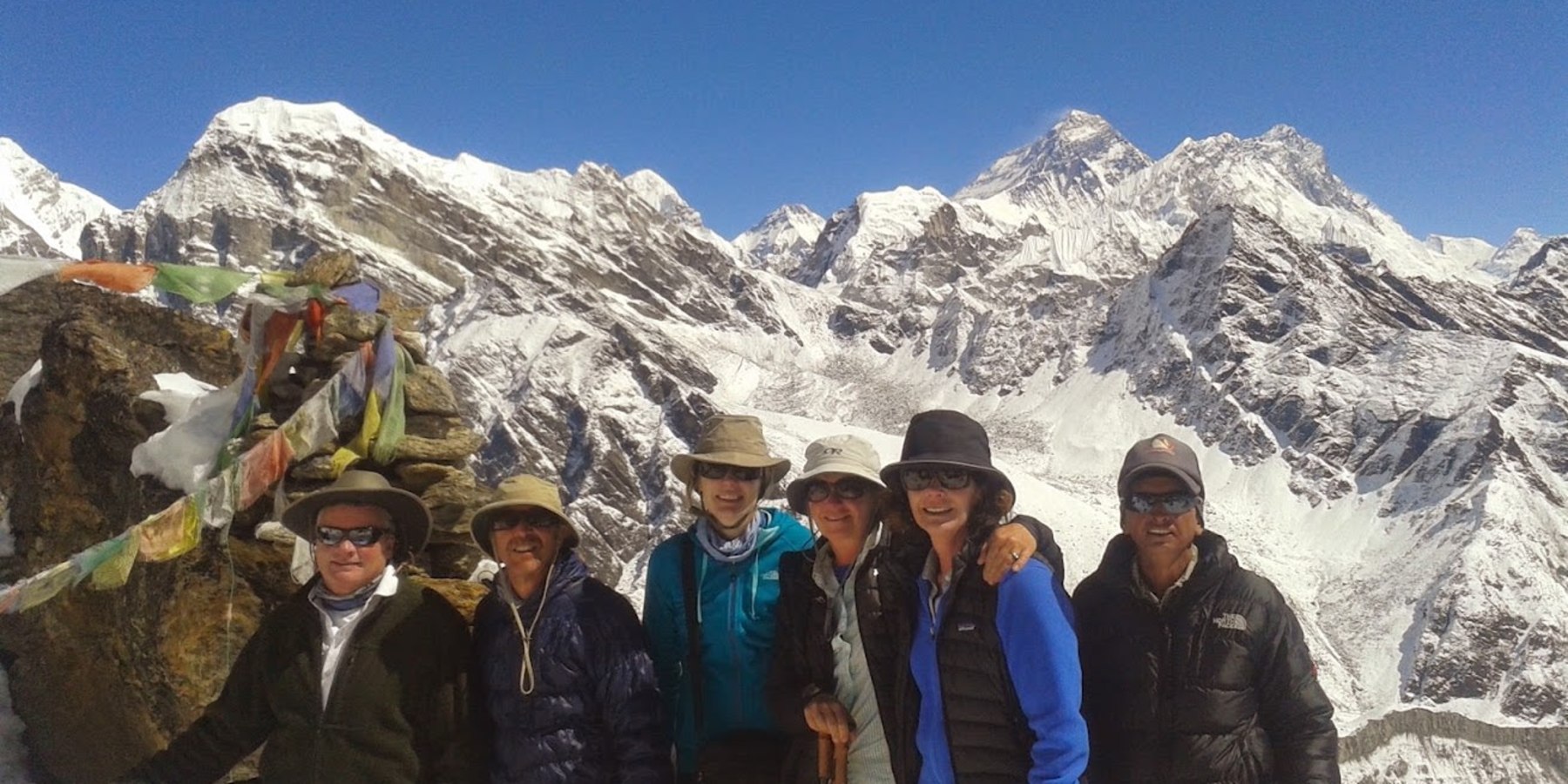
The greatest attraction of Sagarmatha National Park is Mount Everest. However, Everest is only one of many magnificent mountains found in the region.
The park is surrounded by famous Himalayan peaks, including Lhotse, Nuptse, Ama Dablam, Pumori, Thamserku, and Kongde. Glaciers and high-altitude valleys create an impressive landscape throughout the park.
Trekkers can enjoy spectacular mountain views from locations such as Namche Bazaar, Tengboche, Dingboche, Lobuche, Gorak Shep, and Kala Patthar.
Sherpa Culture and Villages
Sagarmatha National Park is not only famous for its mountains. It is also an important center of Sherpa culture and traditions.
Sherpa communities have lived in the Khumbu region for generations. Their culture, Buddhist traditions, monasteries, prayer flags, mani walls, and traditional villages add an important cultural dimension to trekking.
Namche Bazaar is the main trading and tourism center of the Everest region. It is also a popular acclimatization stop for trekkers traveling toward Everest Base Camp.
Another important cultural site is Tengboche Monastery, one of the most famous Buddhist monasteries in the Khumbu region.
Wildlife of Sagarmatha National Park
Despite its high altitude and harsh climate, Sagarmatha National Park supports a variety of wildlife.
Animals found in the region include the Himalayan tahr, musk deer, Himalayan serow, pika, and several species of birds. The park is also known for the elusive snow leopard, although seeing one in the wild is extremely rare.
The Himalayan monal, Nepal’s national bird, can also be found in the lower forested areas.
Forests and Vegetation
The lower parts of the park contain forests of pine, hemlock, fir, juniper, birch, and rhododendron. During spring, rhododendron flowers add color to the trekking trails.
As the altitude increases, forests gradually become smaller and thinner. Above the tree line, the landscape changes to alpine meadows, rocky terrain, glaciers, and permanent snow.
This changing vegetation makes the trek through Sagarmatha National Park particularly interesting.
Popular Treks in Sagarmatha National Park
The park contains some of Nepal's most famous trekking routes.
Everest Base Camp Trek
The Everest Base Camp Trek is the most popular trekking adventure in the park. The route passes through Lukla, Phakding, Namche Bazaar, Tengboche, Dingboche, Lobuche, and Gorak Shep before reaching Everest Base Camp.
Trekkers can also climb Kala Patthar, one of the best viewpoints for Mount Everest and the surrounding peaks.
Gokyo Valley Trek
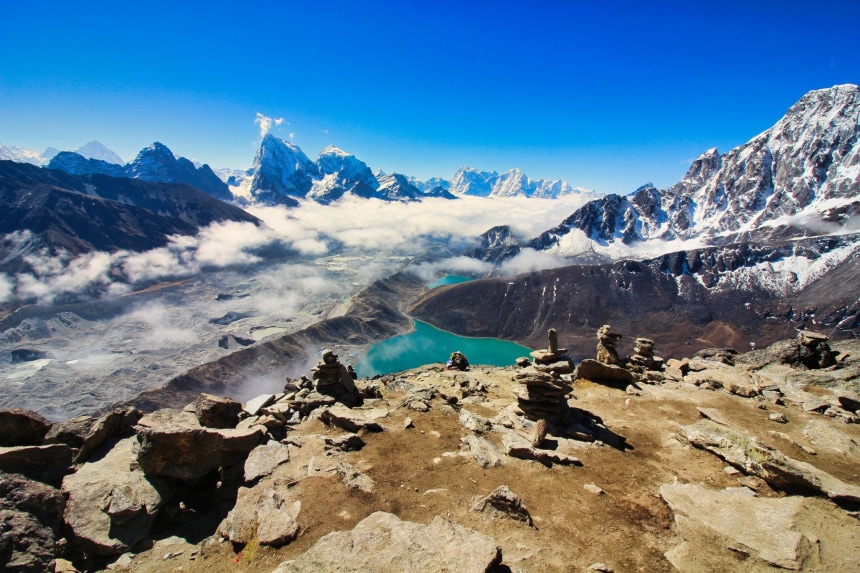
The Gokyo Valley Trek takes trekkers through the beautiful Gokyo Lakes and surrounding Himalayan valleys. Gokyo Ri provides spectacular views of Everest, Cho Oyu, Lhotse, and Makalu.
Everest Three Passes Trek
For experienced trekkers, the Everest Three Passes Trek is a challenging adventure through three high mountain passes: Kongma La, Cho La, and Renjo La.
This route offers dramatic mountain scenery and connects several valleys of the Everest region.
Best Time to Visit Sagarmatha National Park
The best seasons for trekking in Sagarmatha National Park are generally spring and autumn.
Spring (March–May) offers relatively stable weather, clear mountain views, and blooming rhododendrons.
Autumn (September–November) is another excellent season, with generally clear skies and excellent visibility of the Himalayan peaks.
Winter can be very cold at higher elevations, while the summer monsoon brings rain, clouds, and possible flight and trail disruptions.
How to Reach Sagarmatha National Park
Most trekkers begin their journey in Kathmandu. From Kathmandu, travelers commonly fly to Lukla, followed by a trek into the park.
The trek from Lukla to Namche Bazaar usually takes several days and provides gradual acclimatization before continuing toward higher elevations.
Because mountain weather can change quickly, travelers should allow some flexibility in their itinerary.
Permits for Sagarmatha National Park
Trekkers entering the national park need the appropriate permits and local entry documentation. Requirements can change, so travelers should check the latest regulations before starting their trek.
A licensed trekking guide can help arrange the necessary permits and explain the current entry requirements.
Altitude and Acclimatization
Altitude is an important consideration when visiting Sagarmatha National Park. Popular destinations such as Namche Bazaar, Tengboche, Dingboche, Lobuche, Everest Base Camp, and Kala Patthar are all located at high elevations.
A properly planned itinerary includes acclimatization days to allow the body to adjust gradually to the increasing altitude.
Trekkers should walk at a comfortable pace, stay hydrated, eat properly, and communicate with their guide if they experience symptoms of altitude illness.
Accommodation and Food
Tea houses and lodges are available along the major trekking routes. Accommodation becomes simpler as you travel toward higher elevations.
Most lodges provide basic rooms, dining areas, and common facilities. Popular meals include dal bhat, noodles, pasta, potatoes, soups, Tibetan bread, and other local and international dishes.
Facilities such as hot showers, Wi-Fi, electricity, and charging may be limited or cost extra at higher elevations.
Responsible Tourism
Sagarmatha National Park is a fragile Himalayan environment. Responsible tourism is important for protecting its natural and cultural heritage.
Visitors should avoid littering, use designated trails, respect local traditions, reduce plastic waste, and follow park regulations.
Supporting local tea houses, guides, porters, and community businesses also helps tourism contribute to local livelihoods.
Why Visit Sagarmatha National Park?
Sagarmatha National Park offers much more than a view of Mount Everest. It combines spectacular mountains, glaciers, wildlife, forests, Sherpa culture, Buddhist monasteries, and unforgettable trekking experiences.
Walking through the Khumbu Valley gives travelers the opportunity to experience the Himalayas at a slower pace while visiting traditional mountain communities and some of the world's most famous trekking destinations.
Whether you choose the Everest Base Camp Trek, Gokyo Valley Trek, or Everest Three Passes Trek, Sagarmatha National Park provides an extraordinary Himalayan adventure.
Plan Your Sagarmatha National Park Trek
If you are planning to visit Sagarmatha National Park, it is important to choose an itinerary suitable for your fitness level, available time, and trekking experience.
A professional trekking company or licensed guide can assist with permits, accommodation, transportation, guides, porters, acclimatization, and emergency planning.
Sagarmatha National Park remains one of Nepal's greatest natural treasures and an unforgettable destination for anyone who wants to explore the Everest region.