

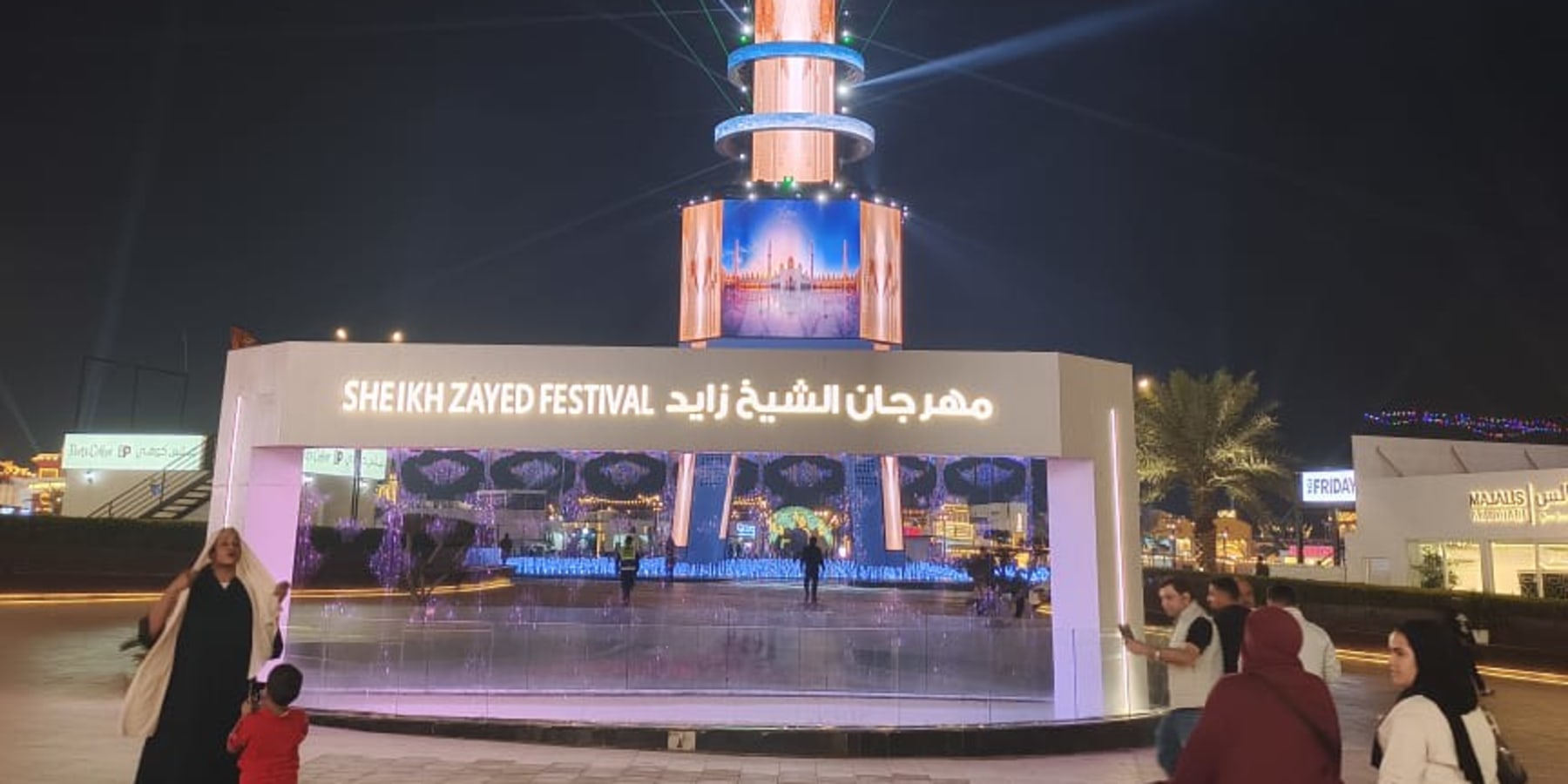

The Sheikh Zayed Festival at Al Wathba, Abu Dhabi, is not merely an annual event; it is a deeply immersive cultural journey that brings together history, identity, and community spirit under one roof. Named in honor of the late Sheikh Zayed bin Sultan Al Nahyan, the founding father of the UAE, the festival beautifully reflects his lifelong vision of preserving Emirati heritage while embracing openness, tolerance, and global cultural exchange.
What makes the festival truly distinctive is its unique ability to appeal to both international tourists and residents. For visitors, it offers an authentic insight into Emirati traditions, far removed from the glittering skyscrapers and luxury malls often associated with the UAE. For residents, the festival becomes a space of reflection and pride, reconnecting them with their roots, values, and collective national identity.
One of the most captivating highlights of the festival is the traditional dates auction, where premium varieties of Emirati dates are showcased and bid upon in a vibrant, energetic setting. Beyond this, guests can wander through heritage villages, watch live folk dances and musical performances, enjoy camel and horse shows, and observe artisans practicing age-old crafts such as weaving, pottery, and calligraphy. The aroma of authentic Emirati cuisine fills the air, inviting visitors to experience local flavors passed down through generations.
Adding to its richness, the festival also hosts international pavilions, reinforcing the idea that heritage is a shared global language. Each pavilion tells a story of the UAE’s past and of cultures from around the world connected through tradition, craftsmanship, and storytelling.
Held annually from November to March at Al Wathba, the festival aligns perfectly with Abu Dhabi’s winter tourism season. It generally opens daily from 4:00 PM to 11:00 PM, extending until 12:00 AM on weekends, making it an ideal evening outing for families and travelers alike.
The Sheikh Zayed Festival stands as a benchmark for cultural tourism done right, educational, emotional, and deeply memorable. It reminds us that tourism is not just about destinations, but about people, stories, and the preservation of shared heritage for future generations.