

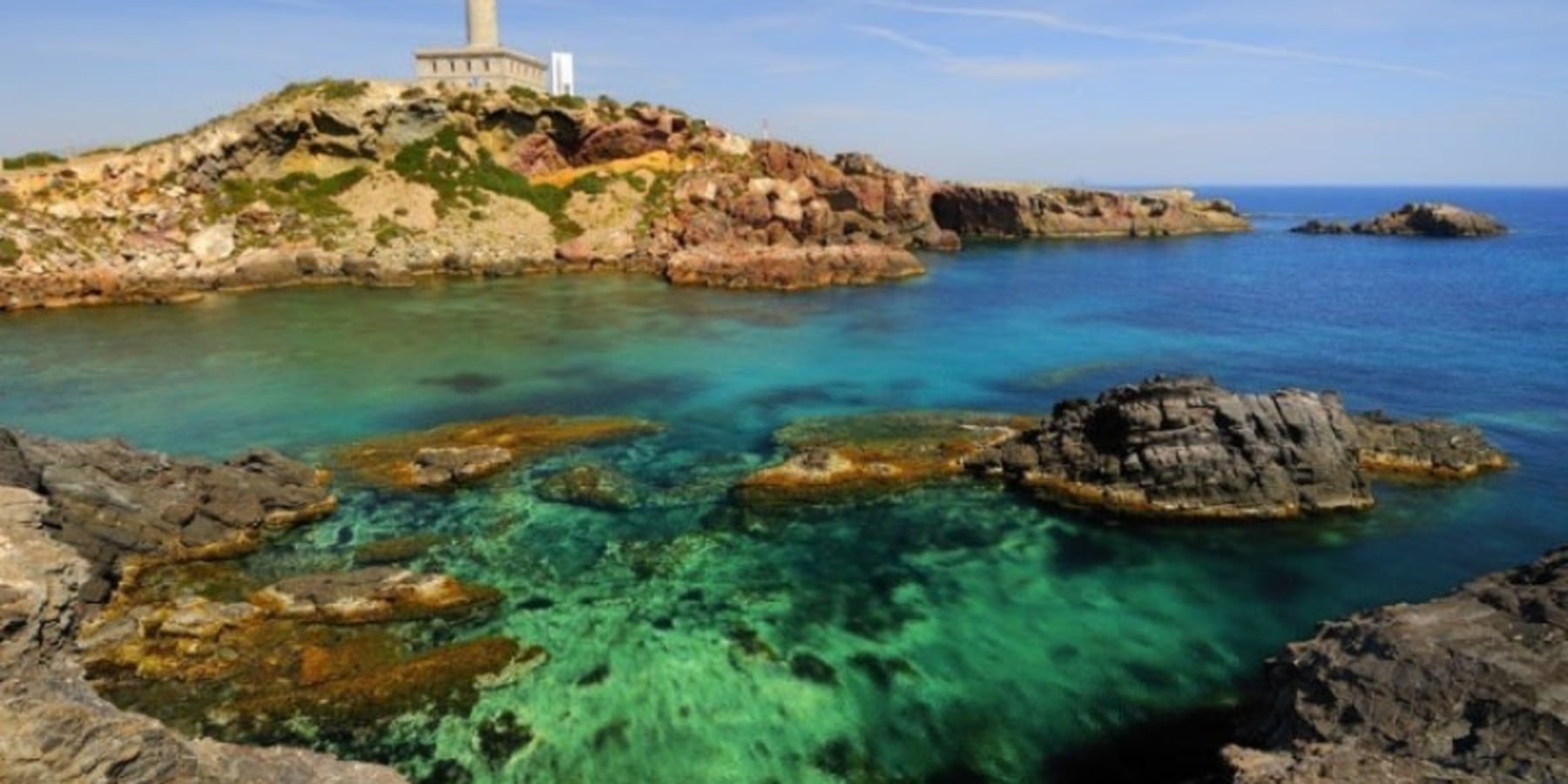

The Kind of Tour I Personally Look for When I Travel — And Why We Chose This Style in Spain 12 Years Ago
Long before free walking tours became popular and before mass tourism experiences started dominating many European cities, we had already chosen a different way of showing Spain.
For more than 12 years, we have believed that travel should feel human, personal and meaningful — not like following a flag in a group of 50 people where visitors often receive only a small fraction of the real cultural experience.
When I travel myself, this is also exactly the kind of journey I look for:
smaller groups, authentic conversation, hidden places, local interaction and enough time to truly feel the atmosphere of a destination rather than simply “checking” monuments from a list.
That philosophy became the foundation of our multi-day tours across Spain.
Instead of rushing travelers from one crowded attraction to another, we design journeys that combine iconic destinations with lesser-known places, scenic roads, local gastronomy, Mediterranean lifestyle and authentic cultural interaction.
From Barcelona to Girona, from Valencia to Alicante, from Andalusian flamenco culture to hidden Mediterranean villages, the goal is not simply transportation between places — but creating experiences during the journey itself.
Today, this approach also connects strongly with the new direction many Spanish destinations are trying to encourage.
In recent tourism discussions in Spain — including conversations during the Digital Tourist Congress in Benidorm in May 2026 — increasing attention has been placed not only on attracting visitors, but also on managing tourism responsibly and protecting the quality of life in local communities.
Across the country, cities and regions are working to:
reduce overcrowding,
preserve historic neighborhoods,
improve coexistence between visitors and residents,
support local businesses,
protect traditions,
and maintain the identity that makes Spain unique.
In places such as Seville, tourist accommodation guidelines increasingly encourage respectful coexistence during important traditions like Semana Santa, helping visitors better understand local customs, appropriate dress and cultural sensitivity in shared public spaces.
This reflects a broader evolution in Spanish tourism:
travel that is more conscious, more respectful and more connected to local life.
That is also why our routes often avoid only focusing on the biggest tourist concentrations during peak seasons.
Especially in summer, we actively search for alternatives:
quieter villages,
local wineries,
coastal nature areas,
family restaurants,
hidden viewpoints,
local markets,
and authentic regional experiences.
Along the Mediterranean coast, for example, a journey may include:
Tarragona,
Peñíscola,
flamingos near the salt lakes of Santa Pola,
wine regions in Alicante,
or scenic inland routes towards Granada and Ronda.
These experiences can be organized for:
families,
couples,
women groups,
schools,
teens,
corporate groups,
language immersion programs,
cultural associations,
gastronomy lovers,
music and flamenco travelers,
or private tailor-made groups.
The journeys themselves can take place in:
private cars,
premium vans for small groups,
or larger coaches with professional drivers.
But the important idea remains the same:
transportation is not separated from the experience — it becomes part of the experience itself.
Because often the most memorable moments in Spain are not only found inside monuments.
Sometimes they happen:
during a conversation on the road,
in a village square,
at a local market,
in a family winery,
while sharing tapas,
or while watching a sunset with people who started the journey as strangers and ended it as friends.
That is the kind of Spain we continue trying to share.