


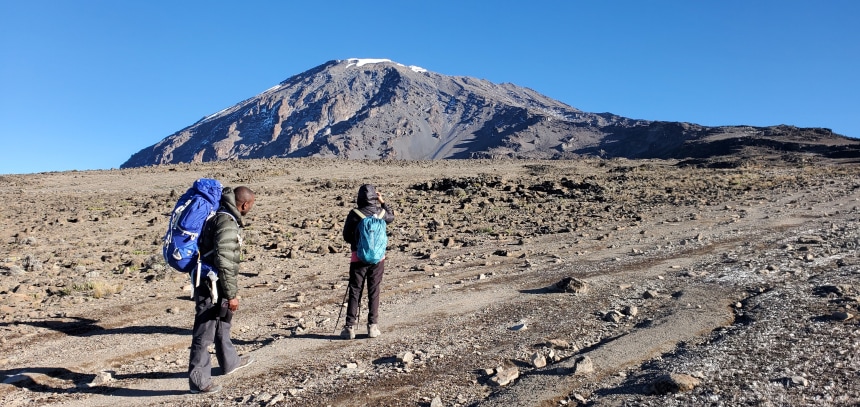
Mount Kilimanjaro is the highest mountain in Africa and one of the most iconic trekking destinations in the world. Located in northern Tanzania, it rises to 5,895 meters above sea level and attracts thousands of adventure travelers every year. The mountain is part of Kilimanjaro National Park and is recognized globally as one of the Seven Summits.
What makes the Kilimanjaro trek unique is that it is a non-technical climb. This means that no mountaineering equipment, such as ropes or ice axes, is required for most routes. However, the challenge lies in altitude gain, weather changes, and physical endurance.
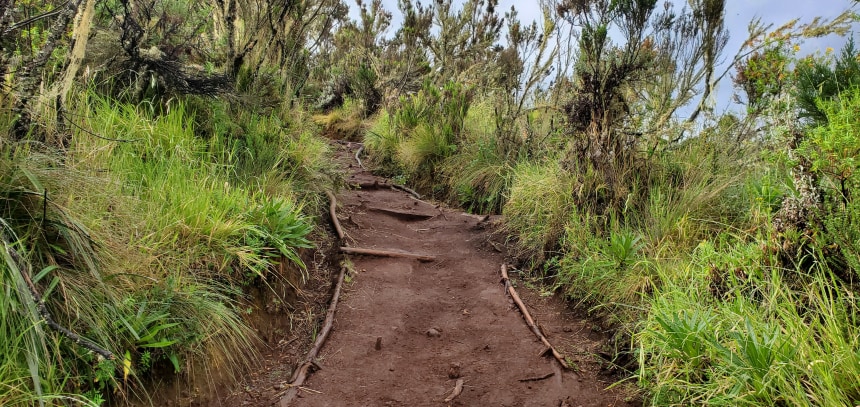
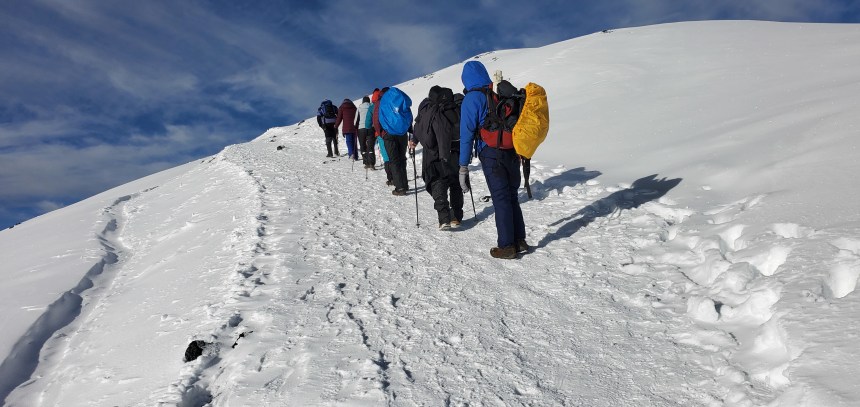
Climbers pass through five distinct ecological zones: cultivated farmland, rainforest, heath, alpine desert, and arctic summit zone. Each zone offers a different landscape and climate, making the journey visually and physically diverse.
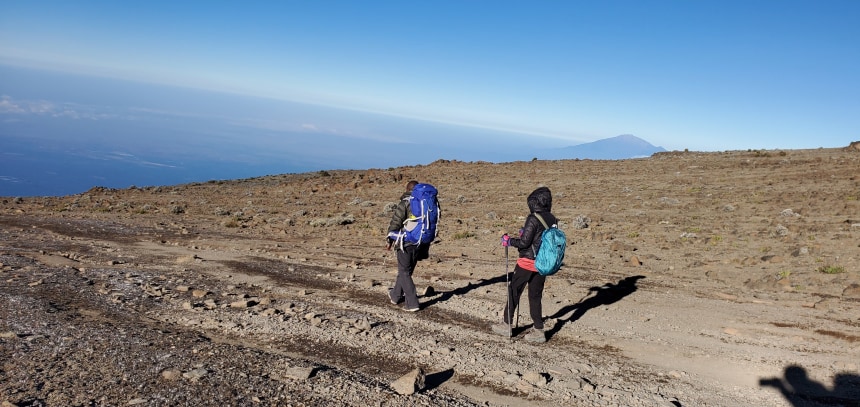
There are several routes to the summit. The Machame Route is popular for its scenic beauty. The Lemosho Route is highly recommended for acclimatization and higher success rates. The Marangu Route offers hut accommodation, while Rongai is quieter and less crowded.
A typical Kilimanjaro climb takes between 5 and 9 days, depending on the route. Longer routes provide better acclimatization and increase the chance of reaching Uhuru Peak successfully.
The best time for Kilimanjaro trekking is during the dry seasons: January–March and June–October. Proper preparation, fitness, and experienced guides are essential for a safe and successful climb.