


Introduction
Nepal is widely known for its towering Himalayan peaks, legendary trekking routes, and rich cultural diversity. While iconic journeys like Everest Base Camp and the Annapurna Circuit attract thousands of trekkers every year, there are still hidden experiences that remain untouched by mass tourism. One such extraordinary experience is honey hunting in Chamche, a remote village in the Annapurna region.
This rare adventure combines scenic travel, light trekking, and deep cultural immersion into a centuries-old tradition practiced by the Gurung community. Unlike typical tours, this journey offers something far more meaningful—an opportunity to witness human courage, tradition, and harmony with nature in its rawest form.
The Ancient Tradition of Honey Hunting
Honey hunting in Nepal is not just a livelihood; it is a cultural heritage passed down through generations. The Gurung people, known for their resilience and deep connection with nature, have practiced this tradition for centuries.
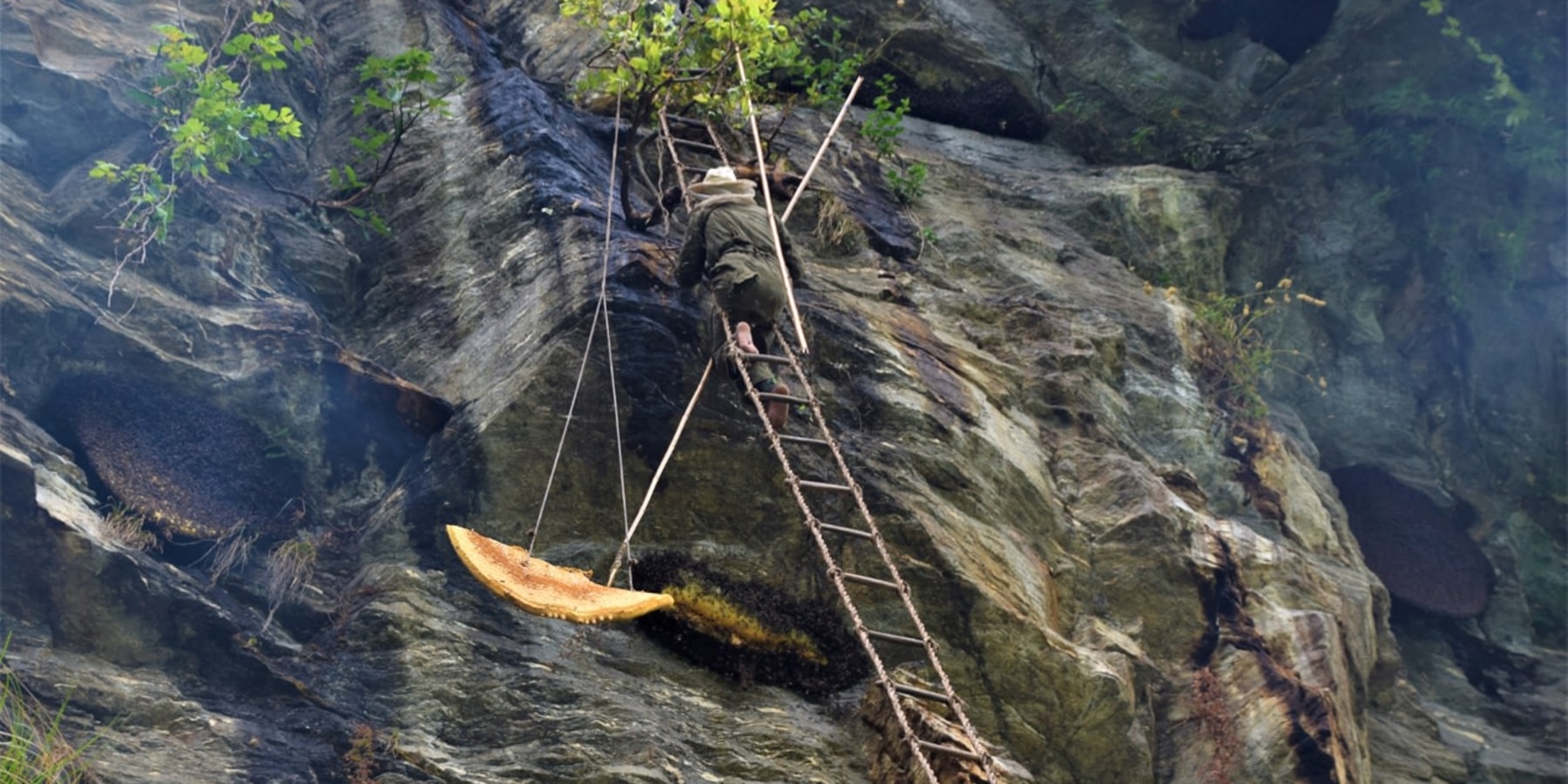
What makes this activity truly remarkable is the method. Honey hunters scale steep cliffs—sometimes hundreds of meters high—using handmade rope ladders. Armed with simple tools like bamboo sticks and smoke torches, they carefully approach giant beehives built by wild Himalayan bees.
Before the hunt begins, rituals are often performed to seek blessings from nature and ensure safety. These spiritual elements highlight the deep respect locals have for the environment and the risks involved in the process.
The honey collected is not ordinary—it is often referred to as wild Himalayan honey, known for its medicinal properties and, in certain seasons, its unique psychoactive effects.
Where is Chamche?
Chamche is a small but stunning village located in the Lamjung district of Nepal, along the famous Annapurna Circuit trail. Positioned beside the Marsyangdi River and surrounded by dramatic cliffs and waterfalls, Chamche serves as a perfect gateway to this unique experience.
Unlike more commercial trekking hubs, Chamche remains relatively untouched, offering travelers an authentic glimpse into rural Himalayan life. Its peaceful environment, combined with breathtaking natural beauty, makes it an ideal destination for those seeking something beyond mainstream tourism.
Journey to Chamche: A Blend of Road and Trail
The journey to Chamche is as rewarding as the destination itself. It begins with a scenic drive from Kathmandu to Besisahar, passing through lush hills, terraced farms, and river valleys. The road follows the Trishuli and Marsyangdi rivers, offering ever-changing landscapes and glimpses of rural life.
From Besisahar, the journey continues to Bhulbhule, where the trekking portion begins. The trail from Bhulbhule to Chamche is part of the Annapurna Circuit and offers a moderate walking experience through forests, villages, and waterfalls.
Suspension bridges, flowing rivers, and friendly local encounters make this trek both visually stunning and culturally enriching.
The Honey Hunting Experience
The highlight of the tour is, without a doubt, the honey hunting day. Early in the morning, travelers hike to nearby cliffs where wild bees have built their massive hives.
The atmosphere is filled with anticipation as locals prepare for the hunt. Smoke is used to calm the bees, and a designated honey hunter begins the descent using a rope ladder anchored at the top of the cliff.
Watching this process is both thrilling and humbling. The hunter carefully cuts sections of honeycomb while balancing against the cliff face, surrounded by swarming bees. Each movement is precise, reflecting years of experience and skill.
Visitors observe from a safe distance, guided by experts who explain every step of the process. The experience offers a rare insight into human bravery and the delicate balance between nature and survival.
Cultural Significance and Community Connection
Honey hunting is deeply rooted in the identity of the Gurung community. It is not just about collecting honey—it is about preserving tradition, strengthening community bonds, and respecting nature.
Travelers have the opportunity to interact with locals, learn about their way of life, and understand the importance of this practice. These interactions often become the most memorable part of the journey.
Unlike commercial tours, this experience fosters genuine cultural exchange, allowing visitors to connect with people and traditions on a deeper level.
Natural Beauty of the Annapurna Region
The Annapurna region is one of the most diverse and beautiful areas in Nepal. Even within a short trip, travelers experience a wide range of landscapes—from river valleys and terraced farms to dense forests and rocky cliffs.
Chamche itself is famous for its dramatic waterfalls cascading down steep rock faces, creating a magical setting that feels untouched by time.
The combination of natural beauty and cultural richness makes this journey truly special.
Best Time for Honey Hunting
Honey hunting is a seasonal activity, typically taking place during spring (March–May) and autumn (September–November). These seasons offer stable weather, clear skies, and optimal conditions for both trekking and honey harvesting.
However, it’s important to note that the exact timing of honey hunting depends on bee activity and local schedules, making each experience unique.
Challenges and Considerations
While this tour is relatively short, it comes with certain challenges:
Remote Conditions: Facilities are basic, and comfort is limited
Road Conditions: Some parts of the journey involve rough, off-road driving
Physical Activity: Moderate trekking is required
Unpredictability: Honey hunting depends on natural conditions
Despite these challenges, the rewards far outweigh the difficulties, offering an authentic and unforgettable experience.
Responsible and Sustainable Travel
Participating in a honey hunting tour also means embracing responsible travel. Visitors are encouraged to:
Respect local customs and traditions
Avoid disturbing wildlife and natural habitats
Minimize plastic use and environmental impact
Support local communities through ethical tourism
Sustainable tourism ensures that this unique tradition can be preserved for future generations.
Why Choose This Experience?
In a world where travel is becoming increasingly commercialized, the honey hunting tour in Chamche stands out as something truly original. It offers:
A rare cultural experience not found anywhere else
A perfect blend of adventure and authenticity
Close interaction with local communities
A deeper understanding of human resilience and tradition
This is not just a trip-it is a story, an experience, and a memory that stays with you long after the journey ends.
Conclusion
The Honey Hunting Tour in Chamche is one of Nepal’s most unique and meaningful travel experiences. It goes beyond sightseeing and trekking, offering a glimpse into a way of life that has remained unchanged for generations.
From the scenic journey through river valleys to the thrilling moment of watching a honey hunter descend a cliff, every part of this trip is filled with wonder and discovery.
For travelers seeking something different-something authentic, adventurous, and culturally rich-this tour is an ideal choice. It is a reminder that the true beauty of Nepal lies not only in its mountains but also in its people, traditions, and timeless stories.
Khushi Travels and consulting Group can arrange you the lifetime experience of wild mad Honey harvesting in all over Nepal .
You can taste it during the harvesting as well and if you need to buy mad Honey , it is possible as well.