


Overlook of Lake Manyara National Park Located on the way to Ngorongoro Crater and the Serengeti, Lake Manyara National Park is worth a stop in its own right. Its ground water forests, bush plains, baobab strewn cliffs, and algae-streaked hot springs offer incredible ecological variety in a small area, rich in wildlife and incredible numbers of birds.
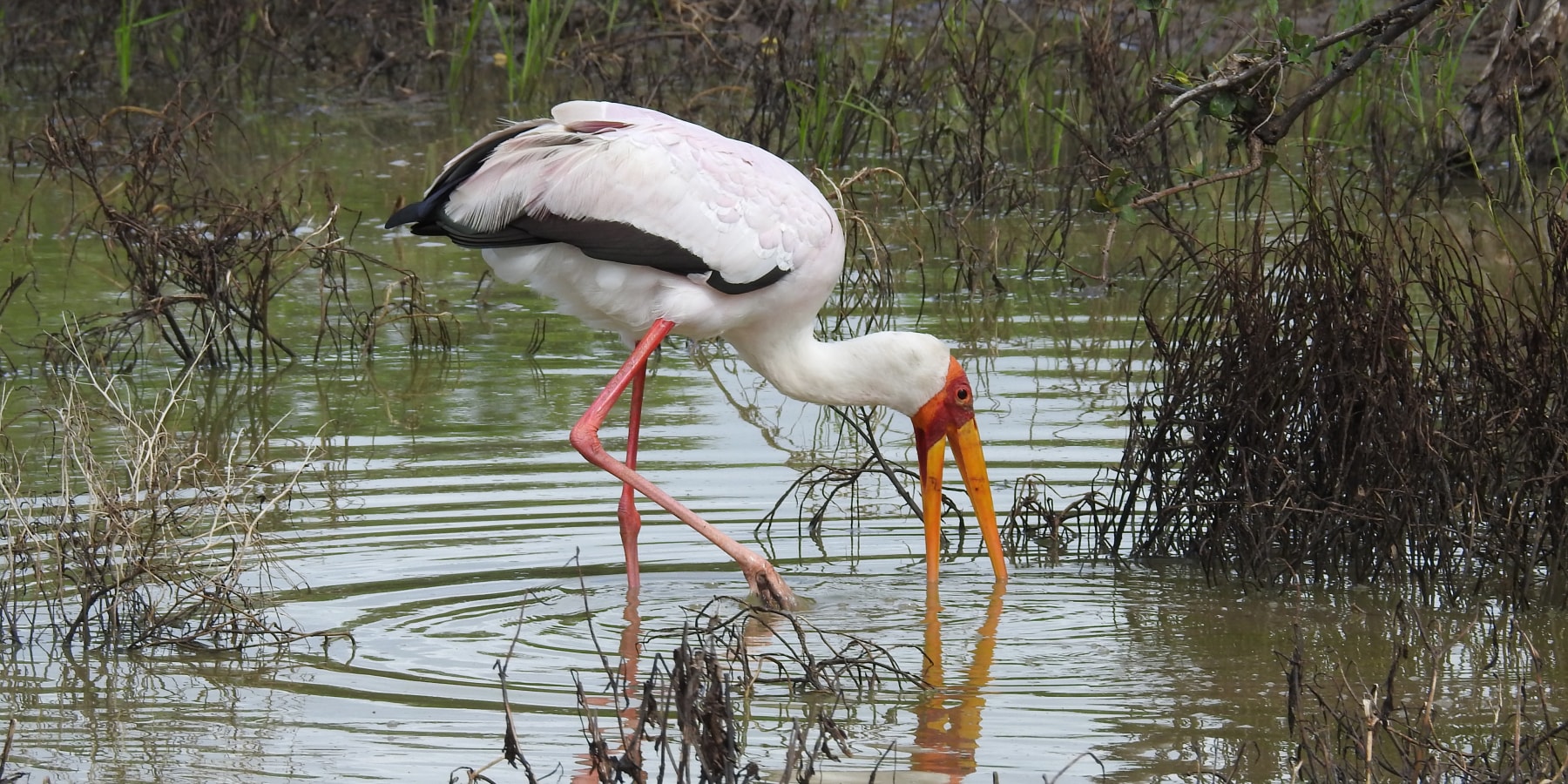
The alkaline soda of Lake Manyara is home to an incredible array of bird life that thrives on its brackish waters. Pink flamingo stoop and graze by the thousands colorful specks against the grey minerals of the lake shore. Yellow-billed storks swoop and corkscrew on thermal winds rising up from the escarpment, and herons flap their wings against the sun-drenched sky. Even reluctant bird-watchers will find something to watch and marvel at within the national park.
Tree Climbing lion
Lake Manyara’s famous tree-climbing lions are another reason to pay a visit to this park. The only kind of their species in the world, they make the ancient mahogany and elegant acacias their home during the rainy season, and are a well-known but rather rare feature of the northern park. In addition to the lions, the national park is also home to the largest concentration of baboons anywhere in the world — a fact that accounts for interesting game viewing of large families of the primates. Inland of the floodplain, a narrow belt of acacia woodland is the favoured haunt of Manyara’s legendary tree-climbing lions and impressively tusked elephants. Squadrons of banded mongoose dart between the acacias, whereas the diminutive Kirk’s dik-dik forages in their shade.
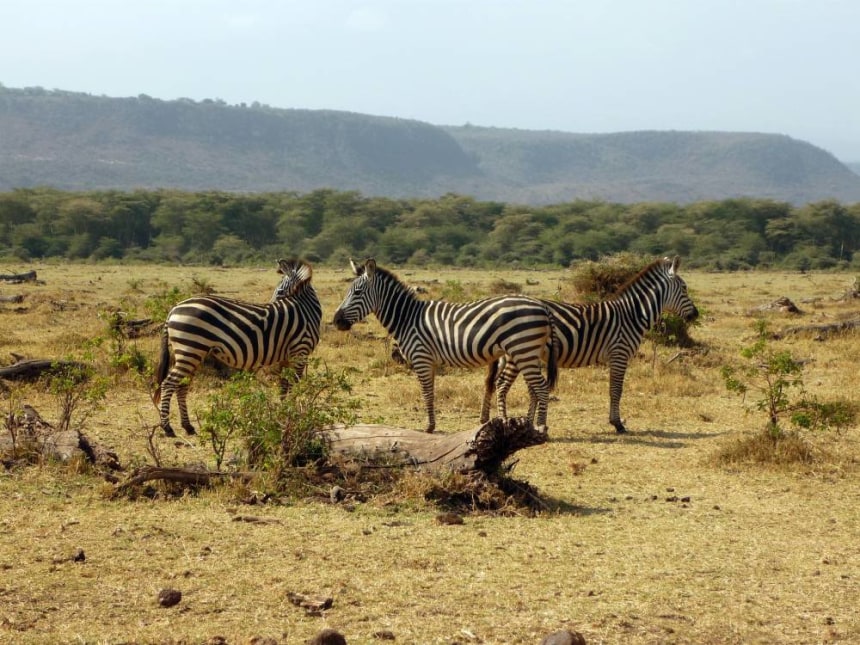
Elephants live here in huge numbers (about 4000 in the park), there are large groups of zebra, giraffe, hartebeest, impala and other antelope and impressive herds of buffalo, sometimes numbering thousands. Several prides of lion follow their prey around and hyaenas are common. Leopard are plentiful but as with everywhere, difficult to see.
Birdlife in Lake Manyara
Manyara provides the perfect introduction to Tanzania’s birdlife. More than 400 species have been recorded, and even a first-time visitor to Africa might reasonably expect to observe 100 of these in one day. The birdlife here is exceptionally varied, in the middle of the lake you’ll often see flocks of pelicans and the pink-shading of distant flamingos, whilst the margins and floodplains feed innumerable herons, egrets, stilts, stalks, spoonbills and other waders. With so much water around, the woodlands are equally productive, but it’s the evergreen forests where you’ll spot some more entertaining species such as the noisy silvery-cheeked hornbills, crowned eagles and crested guinea fowl.
What to Do
Game drives
Bird Watching
Canoeing when the water levels is sufficiently high
Cultural tours
Mountain bike tour
Getting There -
By road, charter or scheduled flight from Arusha, en route to Serengeti and Ngorongoro Crater.
Best time to Visit -
Dry season (July - October) for large mammals; Wet season (November - June) for bird watching, the waterfalls and canoeing.