

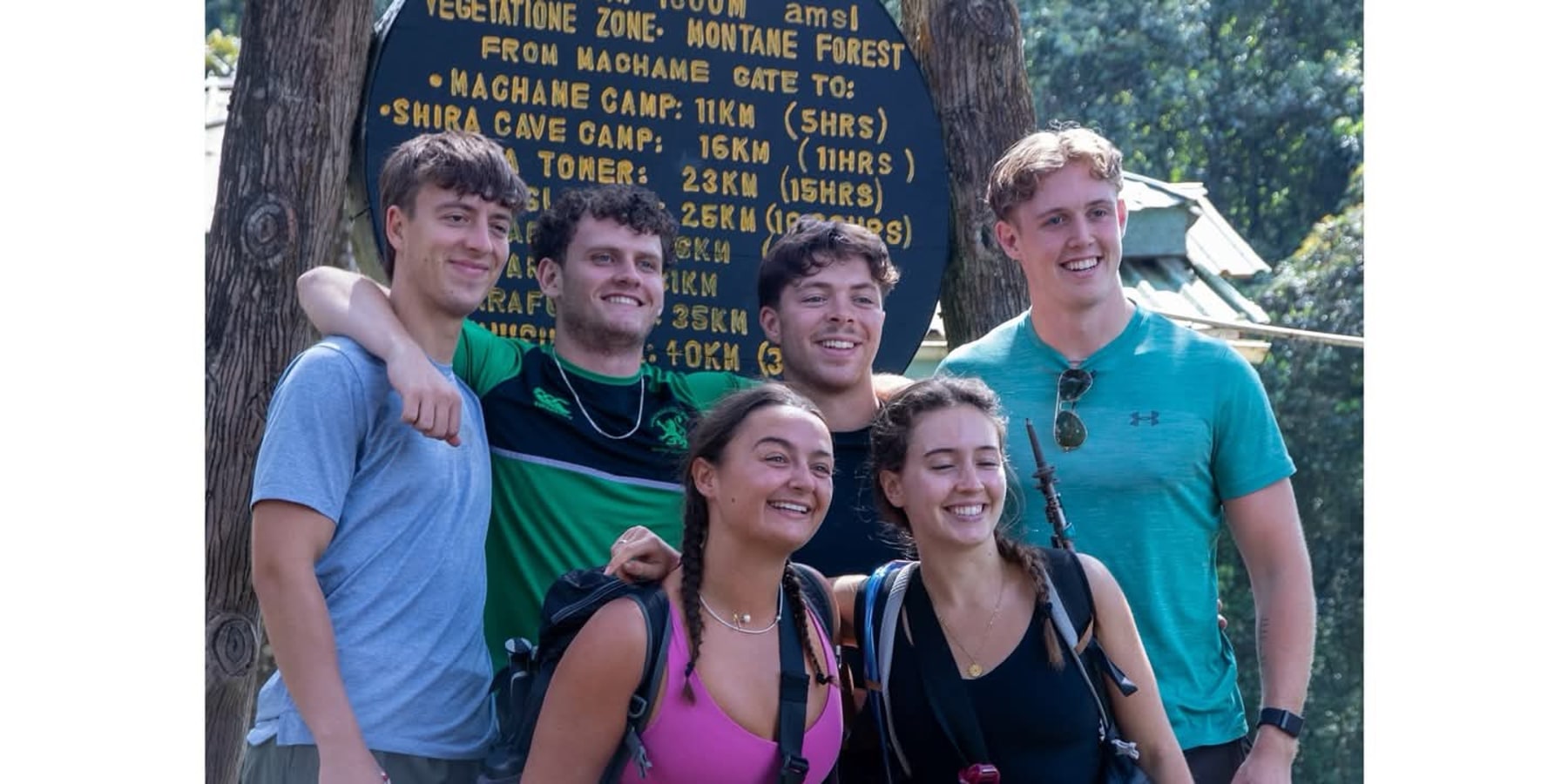

Climbing Mount Kilimanjaro: Honest Tips for First-Time Trekkers
Climbing Mount Kilimanjaro is one of the most rewarding challenges I’ve ever taken on. Standing at 5,895 meters (19,341 feet), it’s the highest mountain in Africa and the tallest free-standing mountain in the world. If you’re a beginner, the idea of reaching the summit can feel intimidating. I felt the same way before my first climb. But with the right mindset and preparation, it’s absolutely achievable.
Here’s the advice I would give any first-time climber.
1. Choose the Right Route for Your Ability
Not all Kilimanjaro routes are the same. Some are shorter and steeper, while others give you more time to acclimatize.
If you’re new to high-altitude trekking, I strongly recommend a longer route like the Lemosho Route or the Machame Route. These routes offer better acclimatization profiles, which significantly increase your chances of reaching the summit.
Avoid choosing the shortest route just to save money or time. Altitude is the real challenge on Kilimanjaro, not technical climbing. Giving your body extra days to adjust makes a huge difference.
2. Take Training Seriously (But Keep It Practical)
You don’t need mountaineering experience to climb Kilimanjaro, but you do need decent fitness.
Before my climb, I focused on:
Long walks with a backpack
Stair climbing
Hiking on uneven terrain
Leg strength exercises
Cardio endurance matters more than speed. Practice slow, steady hiking. On the mountain, your guides will repeat “pole pole” (slowly, slowly). It may feel almost too slow, but that pace is what gets you to the top.
3. Respect the Altitude
Altitude sickness is the biggest reason people turn back. It can affect anyone, regardless of age or fitness level.
My best advice:
Drink plenty of water (3–4 liters daily)
Eat even if you don’t feel hungry
Be honest about how you feel
Ascend slowly
Listen to your guides. They climb the mountain constantly and know the signs of trouble. Pride has no place at high altitude.
4. Invest in Good Gear (Especially Boots)
You don’t need luxury equipment, but certain items are essential:
Properly broken-in hiking boots
Warm layers (temperatures drop well below freezing on summit night)
A quality sleeping bag rated for extreme cold
A headlamp with extra batteries
Summit night is long, cold, and mentally tough. I remember feeling exhausted and doubting myself. But staying warm and comfortable made a huge difference in pushing through.
5. Mentally Prepare for Summit Night
Summit night is the hardest part of the climb. You’ll wake around midnight and hike in the dark for 6–8 hours in freezing temperatures.
It’s not technical, but it’s slow and relentless.
What helped me most:
Focusing on one step at a time
Avoiding negative thoughts
Remembering why I started
Reaching Uhuru Peak at sunrise was emotional in a way I can hardly describe. The fatigue disappears quickly when you see the view above the clouds.
6. Trust Your Team
One thing that surprised me was how much the experience depends on your crew. The porters, cooks, and guides work incredibly hard to make your climb successful.
Choose a reputable operator that treats its staff ethically. A strong, motivated team directly affects your own morale. On difficult days, their encouragement can carry you forward.
7. Understand That It’s More Than a Hike
Climbing Kilimanjaro is not just about reaching the summit. It’s about patience, resilience, and humility.
There were moments when I questioned myself. There were cold mornings when I wanted to stay in my sleeping bag. But every step upward built confidence I didn’t know I had.
Even if you don’t reach the summit, the journey itself is powerful.
Final Thoughts
If you’re a beginner considering Kilimanjaro, my honest advice is this: prepare well, choose the right route, respect the altitude, and trust the process.
You don’t need to be an elite athlete. You need determination, patience, and the willingness to move slowly toward a big goal.
Standing on the roof of Africa is unforgettable. But the growth you experience on the way up is what truly stays with you.