

| 7 mins read
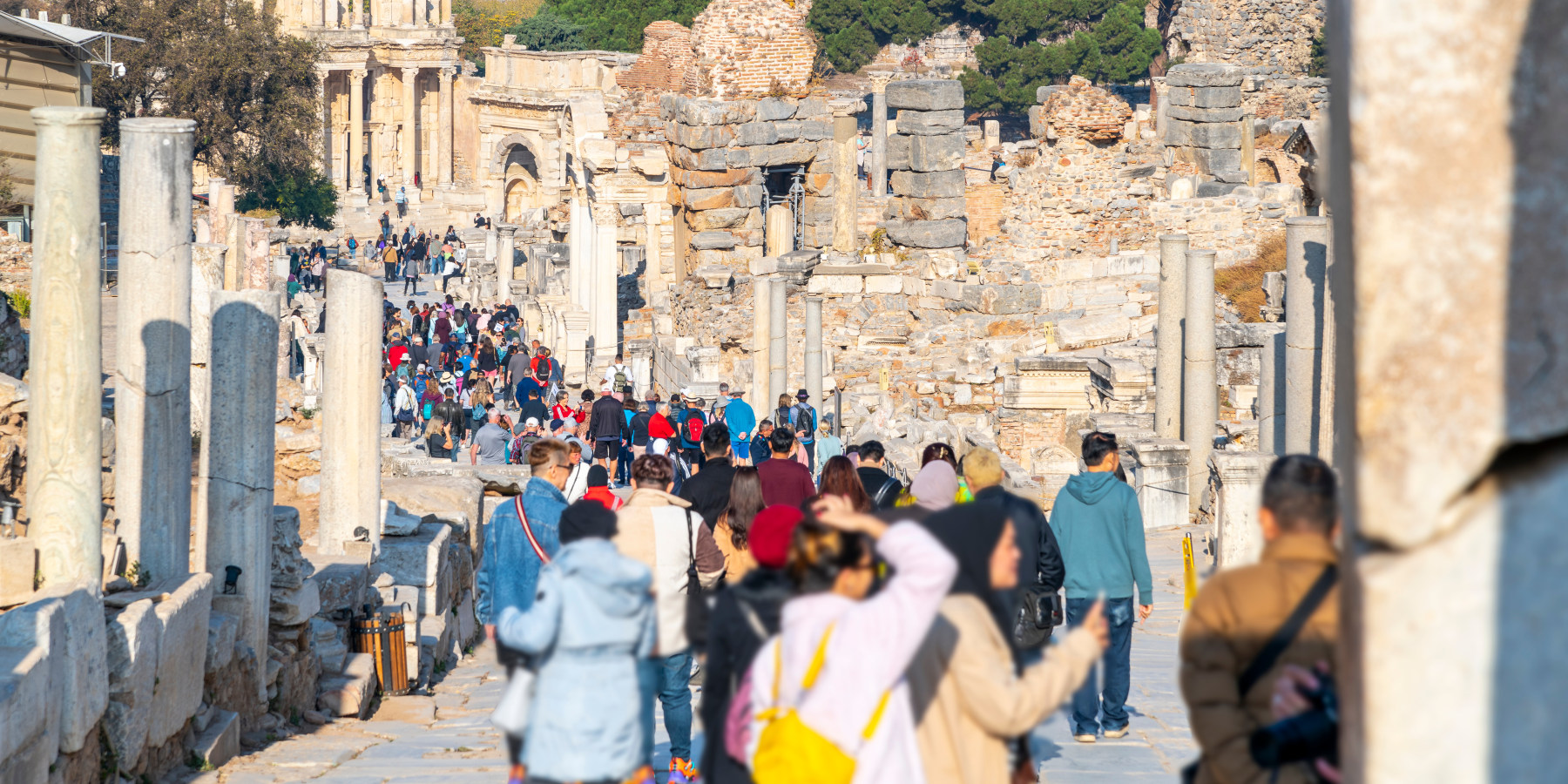
A visit to a famous landmark can easily become a day of queues, crowded streets, and rushed sightseeing. In recent years, destinations such as Venice, Barcelona, Dubrovnik, Kyoto, Prague, Bangkok, and Istanbul have been experiencing heavy visitor pressure at different times of the year.
The answer is not always to avoid these places. Better timing, quieter neighbourhoods, alternative routes, and local knowledge can completely change the experience. A private guide can help you choose the right hour for a major attraction, navigate less crowded streets, and find local places beyond the standard tourist trail.
What Is Overtourism?
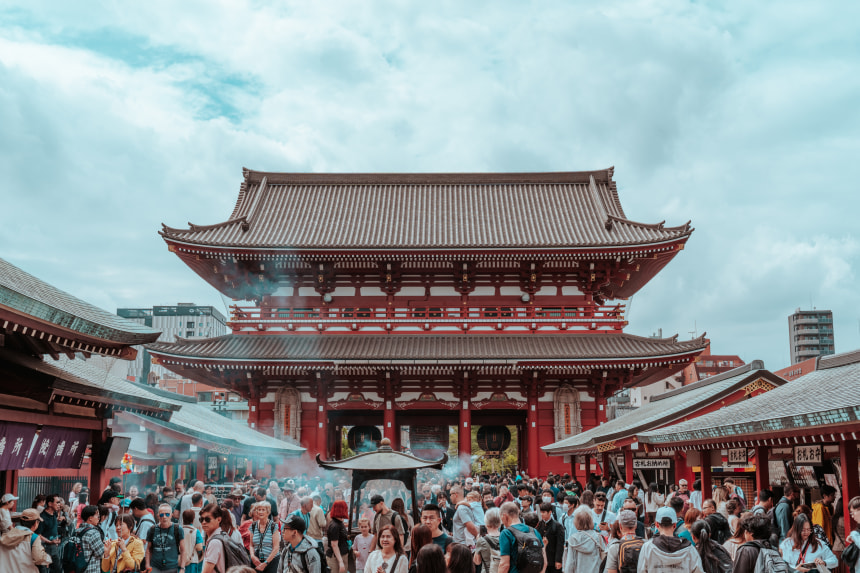
Overtourism occurs when visitor numbers exceed what a destination can comfortably handle. Residents may face congestion and rising living costs, historic sites can experience greater wear, and travellers can find local life hidden beneath crowds.
The pressure takes different forms. Venice deals with congestion in its narrow streets and cruise tourism. Barcelona faces heavy visitor numbers in popular neighbourhoods, while Dubrovnik can become dramatically busier when cruise ships arrive. Santorini faces intense summer pressure on its limited infrastructure. Amsterdam, Bali, Kyoto, Prague, Bangkok, and Istanbul also experience heavy visitor traffic around their most popular areas.
The hidden cost for travellers is clear: longer queues, higher prices, packed public transport, and less time for genuine discovery. Traditional cafés can become souvenir shops, local restaurants can give way to international chains, and markets can become photo stops.
Why a Private Guide Makes a Difference
A private guide can do more than explain a landmark's history. Local knowledge can help you understand how a destination changes throughout the day.
A guide may suggest visiting at sunrise, choosing a weekday, using a quieter entrance, or reversing the usual sightseeing order. They can also recommend alternative walking routes, local markets, independent cafés, artisan workshops, and neighbourhoods that receive fewer visitors.
This flexibility matters when cruise ships arrive, festivals begin, weather changes, or roads close. Instead of following a fixed itinerary, you can adjust the day around actual conditions.
Smart Destination Swaps for 2026
Ljubljana Instead of Prague
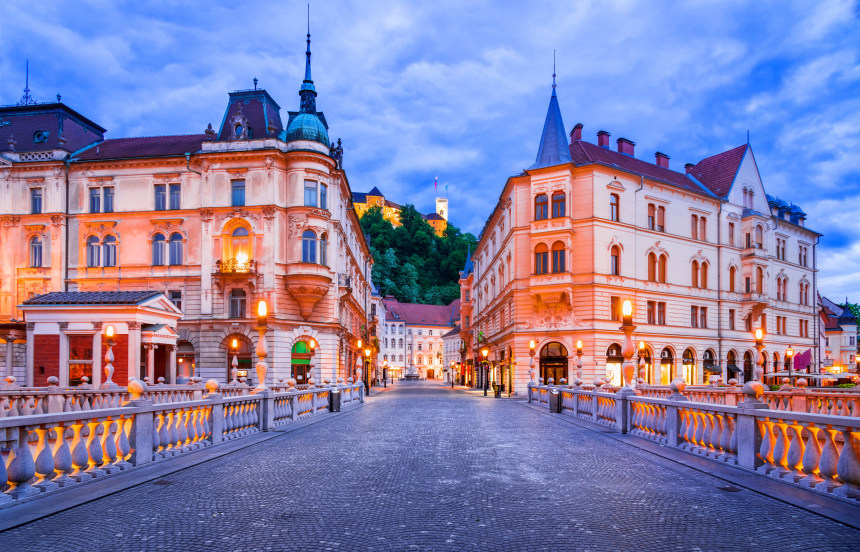
Prague remains one of Central Europe's great cities, but its historic centre can become extremely busy during peak periods. Ljubljana offers a more relaxed alternative, with riverside architecture, a compact Old Town, café culture, excellent food, and easy access to the surrounding countryside.
Ljubljana Castle provides views across the city, while the riverside streets are easy to explore on foot. A local Ljubljana guide can take you beyond the main centre to smaller cafés, local food spots, and neighbourhoods that short visits often miss.
Kotor Instead of Dubrovnik
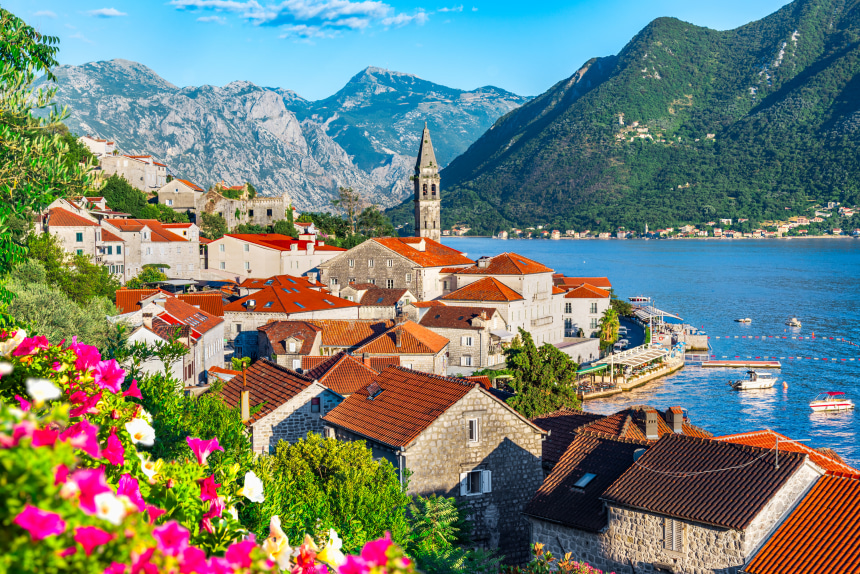
Dubrovnik's medieval walls and Adriatic setting are hard to resist, but cruise arrivals can transform the historic centre within hours.
Kotor offers a similarly dramatic combination of medieval architecture, mountain scenery, and coastal views. Its Old Town sits beneath steep mountains beside the Bay of Kotor, while the historic walls provide impressive views over the surrounding landscape.
If Dubrovnik is essential to your trip, a private guide in Dubrovnik can plan your visit before major cruise arrivals or later in the afternoon when crowds begin to thin.
Plovdiv Instead of Sofia
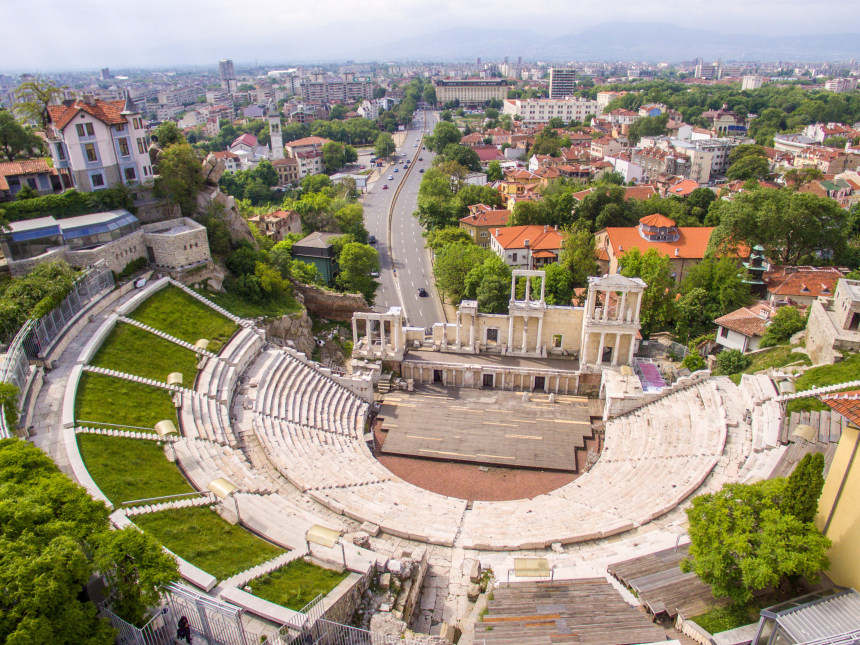
Many travellers use Sofia as a gateway and leave quickly. Plovdiv rewards those who stay longer.
Its Roman theatre, colourful Old Town, creative Kapana district, independent cafés, and layers of history make it one of Bulgaria's most interesting city breaks. Spend time walking between the Old Town and Kapana, stopping for Bulgarian food and exploring the city's contemporary arts scene.
Penang Instead of Bangkok
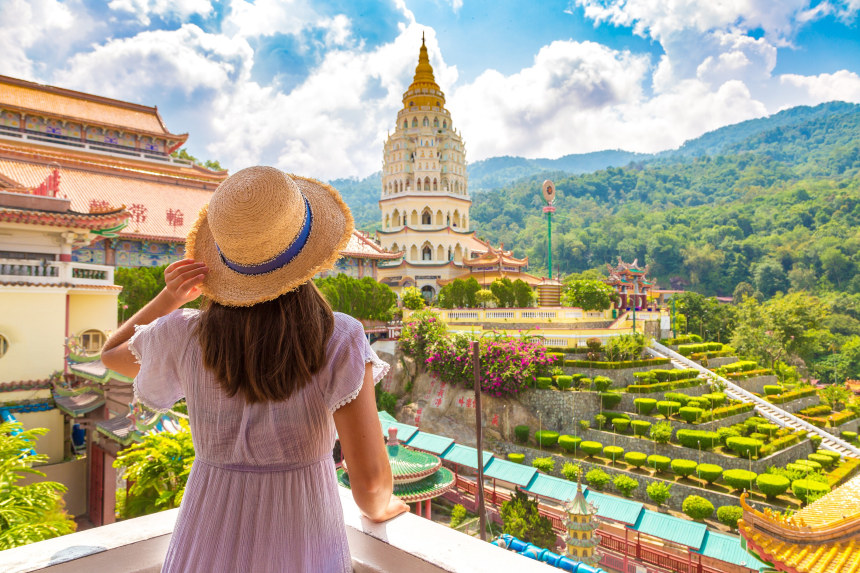
Bangkok offers extraordinary temples, markets, food, and neighbourhoods, but its size and traffic can overwhelm first-time visitors.
Penang provides a more compact cultural experience. George Town's UNESCO heritage area combines colonial buildings, Chinese temples, mosques, street art, and traditional shophouses.
Food is a major reason to visit. Hawker centres bring together Malay, Chinese, Indian, and Peranakan influences. A local guide can help you understand what to order and identify places that locals actually frequent.
Tbilisi Instead of Istanbul for Budget Travellers
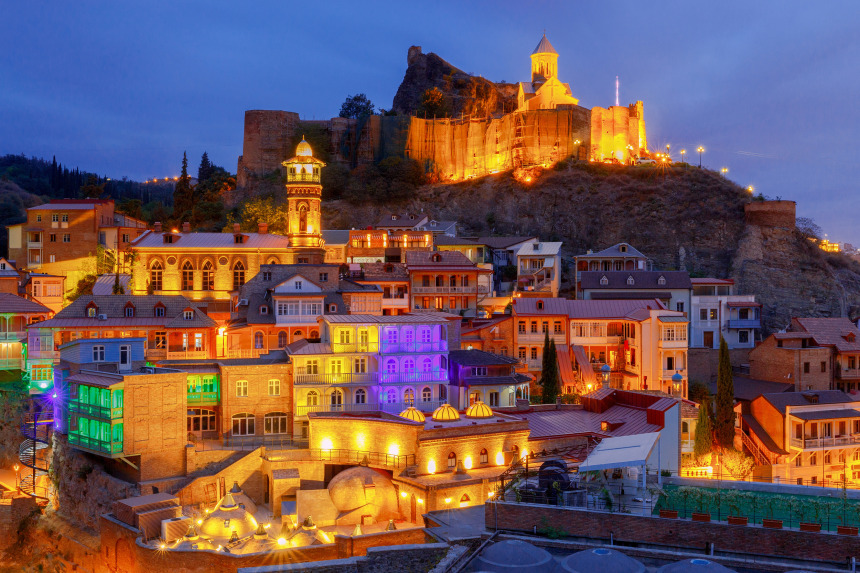
Istanbul combines two continents, centuries of history, and extraordinary food, but the areas around Hagia Sophia, the Blue Mosque, and the Grand Bazaar can become intensely busy.
Tbilisi offers historic districts, Georgian wine culture, mountain-influenced cuisine, affordable accommodation, and a more compact city experience. Its older neighbourhoods are rewarding on foot, while a local guide can introduce you to Georgian food and wine and explain the city's layered history.
Sapporo Instead of Tokyo
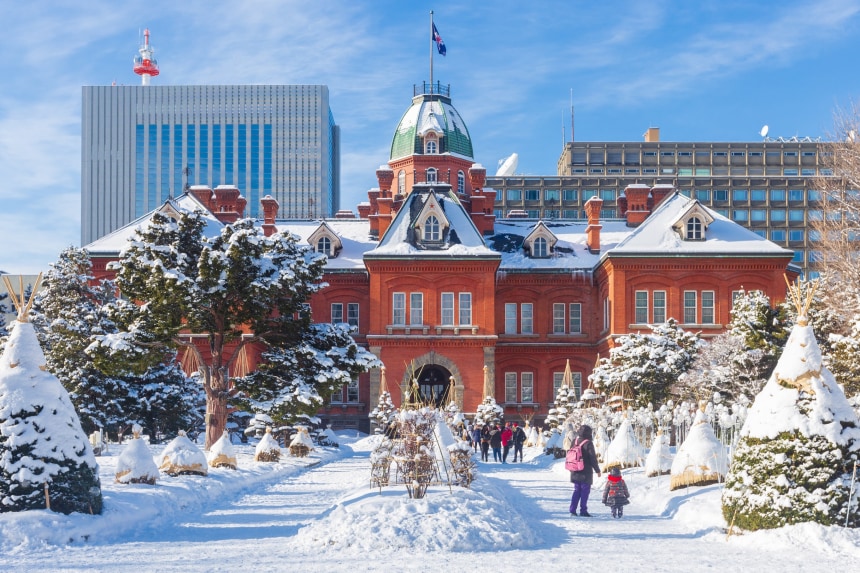
Tokyo's scale is part of its appeal, but it can be overwhelming for travellers who prefer more space.
Sapporo offers spacious streets, straightforward public transport, excellent seafood, famous miso ramen, and easy access to nature. Winter is particularly distinctive, with the city's snow season culminating in the Sapporo Snow Festival.
You Can Also Experience Popular Destinations Differently
You do not have to replace a famous destination to avoid its busiest moments.
In Venice, explore quieter districts beyond San Marco and spend time in residential areas. In Kyoto, consider lesser-known temples and traditional districts on weekdays rather than concentrating your visit around the busiest sites.
In Barcelona, move beyond Las Ramblas and explore neighbourhood food culture. In Istanbul, combine the historic peninsula with districts on the Asian side. In Tokyo, balance famous attractions with quieter neighbourhood walks.
Popular Destination | Smarter Approach |
| Dubrovnik | Visit early before the cruise arrivals |
| Venice | Explore districts beyond San Marco |
| Kyoto | Choose lesser-known temples on weekdays |
| Barcelona | Explore neighbourhood food beyond Las Ramblas |
| Istanbul | Combine historic sights with Asian side districts |
| Tokyo | Add quieter neighbourhood walks |
Practical Smart Travel Tips
Shoulder season can bring smaller crowds, better accommodation availability, and pleasant conditions. Starting early is another simple strategy, especially at major landmarks.
Staying longer also helps. Rather than rushing through several cities, spend more time in fewer places and explore beyond the centre.
Leave some flexibility in your itinerary. A local recommendation can lead to a market, restaurant, workshop, viewpoint, or nearby town that you would never have found through a standard sightseeing plan.
Questions to Ask Your tourHQ Guide About Avoiding Crowds

Ask which attractions are likely to be busiest during your travel dates, what time to visit major landmarks, and which neighbourhoods locals recommend. It is also worth asking about hidden viewpoints, quieter walking routes, festivals, cruise ship schedules, and restaurants that residents actually visit.
Ask whether a nearby town or an alternative destination would suit your interests better. Sometimes the best way to avoid overtourism is to change your plans before you arrive.
Responsible Travel Benefits Everyone
Travelling outside peak periods, supporting independent local businesses, exploring less visited neighbourhoods, and choosing alternative destinations can help distribute tourism more evenly.
That can mean less pressure for residents, more business for communities beyond the main tourist zones, and more meaningful experiences for travellers.
Final Thoughts
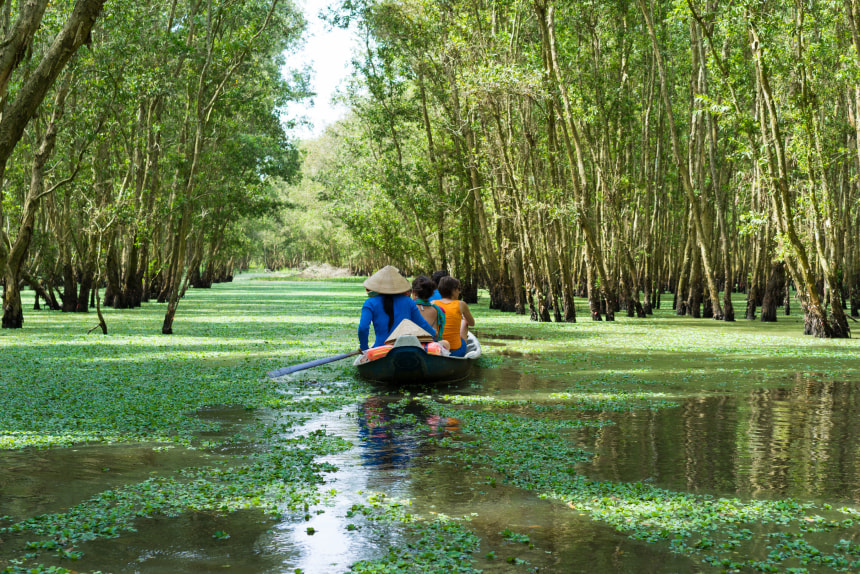
Overtourism does not make Venice, Prague, Dubrovnik, Kyoto, Bangkok, Istanbul, or Tokyo less worthwhile. It simply means that following the same routes at the same time as everyone else is becoming less rewarding.
Sometimes the answer is a different destination: Ljubljana instead of Prague, Kotor instead of Dubrovnik, Plovdiv instead of Sofia, Penang instead of Bangkok, Tbilisi instead of Istanbul, or Sapporo instead of Tokyo.
Sometimes all you need is a different route, a quieter neighbourhood, an early start, or a local guide who knows how the city changes throughout the day.
Travelling smarter means looking beyond the obvious and experiencing a destination on its own terms.
FAQ
What is overtourism?
Overtourism occurs when visitor numbers exceed what a destination can comfortably manage, placing pressure on residents, infrastructure, cultural sites, and the environment.
How can I avoid tourist crowds?
Travel during shoulder season, start early, explore beyond city centres, choose quieter attractions, and remain flexible with your itinerary.
Can I visit popular destinations without contributing to overtourism?
Yes. Visiting at quieter times, supporting local businesses, exploring less crowded neighbourhoods, and choosing alternative destinations can help spread tourism more responsibly.
Why use a private tour guide?
A local guide can provide practical knowledge about crowd patterns, alternative routes, neighbourhoods, transport, restaurants, and cultural context.
Which destinations are good alternatives to overcrowded cities?
Ljubljana can replace Prague, Kotor can replace Dubrovnik, Plovdiv can replace Sofia, Penang can replace Bangkok, Tbilisi can replace Istanbul for budget travellers, and Sapporo can replace Tokyo.