

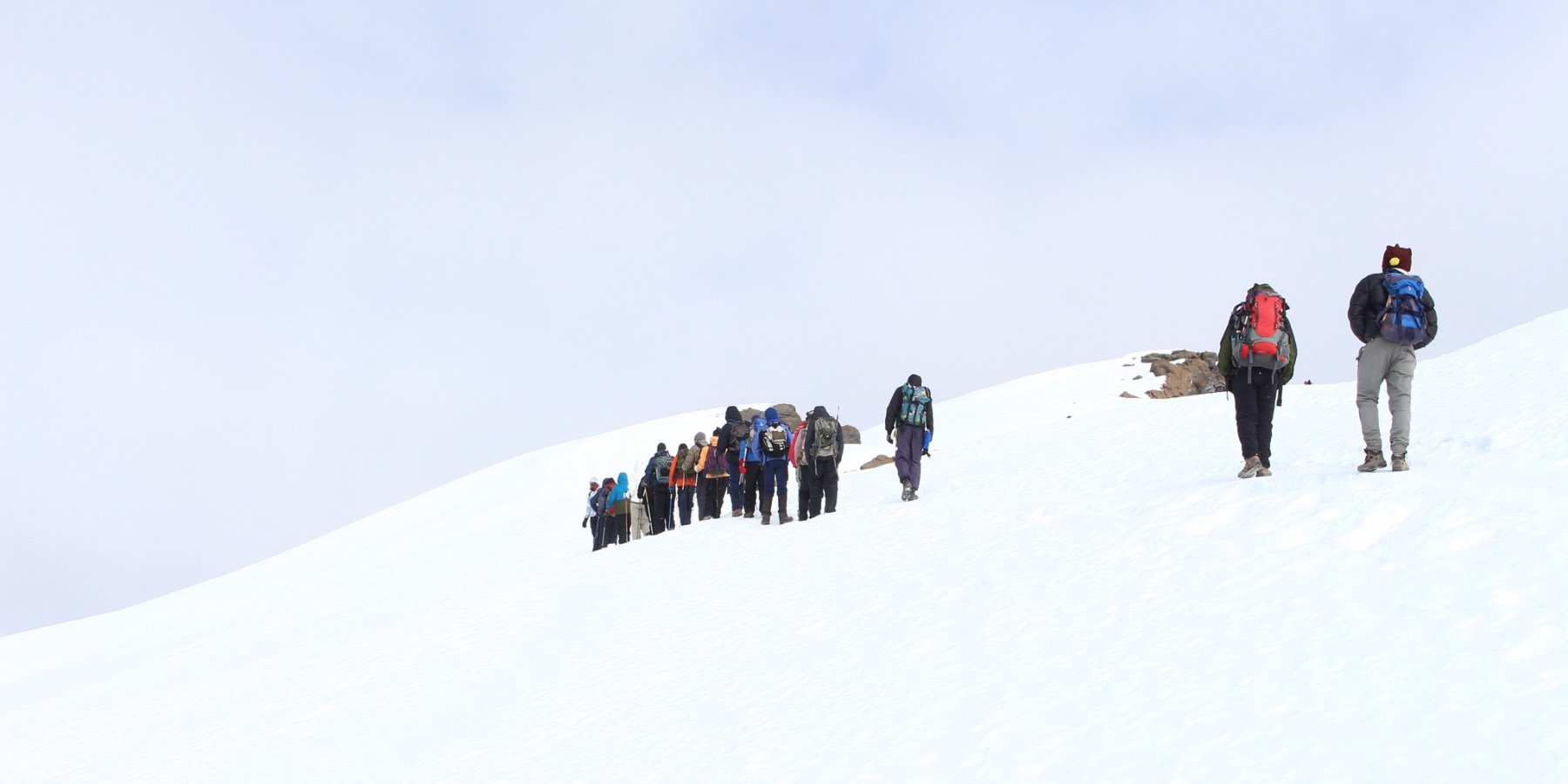

Although Kilimanjaro does not require technical mountaineering skills for the standard trekking routes, reaching the summit requires proper planning, physical preparation, appropriate equipment, a suitable itinerary, and a strong understanding of altitude.
If you are dreaming of reaching Uhuru Peak, preparation should begin well before you arrive in Tanzania.
This guide explains how to plan and prepare for climbing Kilimanjaro, from choosing the right route and training your body to preparing your equipment, understanding altitude acclimatization, selecting the best season, and knowing what to expect on summit day.
Why Proper Preparation Matters for Kilimanjaro
Kilimanjaro is often described as a non-technical mountain, meaning most trekkers do not need ropes, climbing equipment, or previous mountaineering experience.
However, that does not mean the climb is easy.
The main challenge for many trekkers is the combination of long hiking days, altitude, cold temperatures, steep terrain, limited oxygen, and several consecutive days of physical activity.
Good preparation can make the experience more comfortable and help you respond better to the demands of the mountain.
The goal is not simply to become extremely fit. Your preparation should address several areas:
Physical fitness + altitude awareness + appropriate equipment + mental preparation + good itinerary planning = better Kilimanjaro experience.
When Should You Start Preparing for Kilimanjaro?
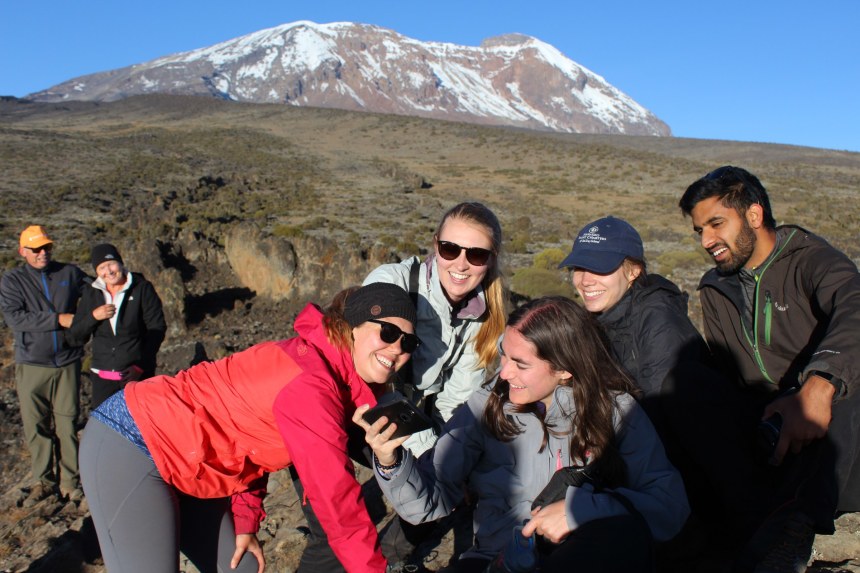
Ideally, begin preparing at least 8–12 weeks before your climb.
If you already exercise regularly and have experience with hiking, your preparation may require less time. If you are new to hiking or physical exercise, starting earlier gives you more time to build endurance gradually.
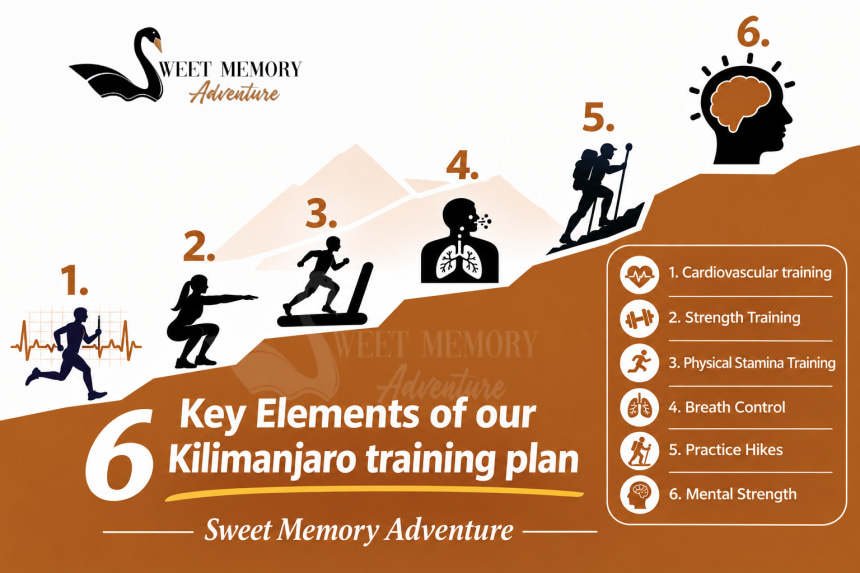
Your preparation should include walking, hiking, cardiovascular exercise, strength training, and longer weekend activities.
You should also use some of your training time to test your hiking boots, backpack, clothing, hydration system, and other equipment before traveling to Tanzania.
How to Train for Climbing Kilimanjaro
Physical training is an important part of preparing for Kilimanjaro.
You do not necessarily need to become a marathon runner or professional athlete. Instead, focus on developing endurance, leg strength, balance, and the ability to walk for several hours at a steady pace.
Walking and Hiking Training
Walking is one of the most useful forms of training because it closely resembles what you will be doing on the mountain.
Start with regular walks and gradually increase the distance and duration.
If possible, include hills, stairs, or uneven terrain in your training.
As your climb approaches, try to complete longer hikes while carrying a daypack similar to the one you will use on Kilimanjaro.
Cardiovascular Training
Activities such as:
Walking
Hiking
Jogging
Cycling
Swimming
Stair climbing
can help improve cardiovascular endurance.
The objective is to build sustainable endurance rather than maximum speed.
Kilimanjaro trekking is generally done at a controlled pace, and your guide will encourage you to walk slowly, particularly at higher elevations.
Strength Training
Strengthening your legs and core can help prepare you for repeated uphill and downhill walking.
Useful exercises can include:
Squats
Lunges
Step-ups
Calf raises
Glute exercises
Core exercises
You do not need to lift extremely heavy weights. Consistent functional training is more important.
Practice Long Hiking Days
As your climb approaches, include occasional longer hikes.
This allows you to understand how your body responds after several hours of walking.
It is also an opportunity to test your footwear, socks, clothing, backpack, snacks, and hydration system.
Avoid waiting until your first day on Kilimanjaro to discover that your boots cause blisters or that your backpack is uncomfortable.
Choosing the Right Kilimanjaro Route
Choosing the right route is one of the most important decisions when planning your climb.
Different routes vary in scenery, duration, difficulty, traffic, accommodation style, and acclimatization opportunities.
Lemosho Route
The Lemosho Route is known for beautiful scenery and a gradual approach to the mountain.
It is particularly popular with trekkers who want a scenic route with good acclimatization opportunities.
For many travelers, an 8-day Lemosho itinerary provides a good balance between trekking and acclimatization.
Machame Route
The Machame Route is one of the most popular routes and is often known for its dramatic scenery.
It is sometimes called the Whiskey Route and usually takes around 6–7 days.
It can be a good option for trekkers looking for a scenic and challenging experience.
Marangu Route
Marangu is sometimes called the Coca-Cola Route and is unique because accommodation is provided in mountain huts rather than tents.
The route can be completed in fewer days, although choosing a longer itinerary can provide better acclimatization.
Rongai Route
The Rongai Route approaches Kilimanjaro from the northeastern side.
It is known for a quieter trekking experience and provides a different perspective of the mountain.
Northern Circuit
The Northern Circuit is the longest main route and provides extensive time for acclimatization.
It is an excellent option for trekkers who have more time and want to experience quieter areas of Kilimanjaro.
Umbwe Route
Umbwe is a steeper and more direct route and is generally better suited to experienced trekkers.
It offers dramatic scenery but provides less gradual acclimatization compared with some longer routes.
How Many Days Should You Spend Climbing Kilimanjaro?
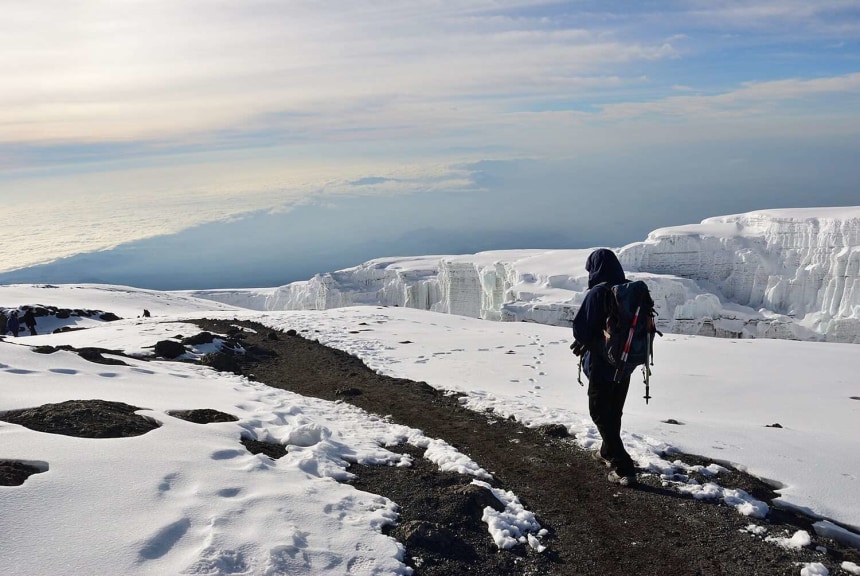
The number of days you spend on Kilimanjaro can significantly influence your experience.
Although shorter itineraries are available, longer routes generally provide more time for acclimatization.
For many trekkers, a 7–9 day itinerary provides a good balance between physical challenge, acclimatization, scenery, and summit opportunity.
For example, an 8-day Lemosho itinerary allows the trek to progress gradually and gives your body more time to adjust to increasing altitude.
When comparing Kilimanjaro packages, do not focus only on price or the shortest number of days.
A cheaper, shorter itinerary may not provide the same acclimatization opportunities as a longer climb.
What Is the Best Time to Climb Kilimanjaro?
Kilimanjaro can be climbed throughout much of the year, but the most popular trekking periods generally correspond with the drier seasons.
The main periods are:
January to March — generally favorable conditions, with cooler temperatures at higher elevations and possible quieter periods compared with the busiest months.
June to October — another popular period, generally characterized by drier conditions and good trekking weather.
The months of April and May tend to receive more rainfall, while November can experience the short rains.
However, weather conditions can vary, and mountain weather is unpredictable.
If your priority is generally drier trekking conditions, the main dry seasons are usually the best periods to consider.
Understand Kilimanjaro Altitude and Acclimatization
Altitude is one of the most important factors to understand before climbing Kilimanjaro.
As you ascend, atmospheric pressure decreases, meaning there is less available oxygen.
Your body needs time to adapt.
This process is called acclimatization.
Why Acclimatization Is Important
A well-designed itinerary allows you to gain altitude gradually and gives your body opportunities to adapt.
This is one reason longer Kilimanjaro routes are often recommended.
A common principle used on the mountain is:
“Pole pole.”
This Swahili phrase means slowly, slowly.
Walking slowly helps conserve energy and gives your body more time to adjust to the increasing altitude.
Can You Train for Altitude?
Physical fitness can prepare your body for hiking, but you cannot completely train away the effects of high altitude at sea level.
Even very fit athletes can experience altitude-related symptoms.
This is why route selection, gradual ascent, rest, hydration, and listening to your guide are so important.
If you feel unwell at altitude, tell your guide immediately.
What Should You Pack for Kilimanjaro?
Your packing list should account for dramatically changing temperatures.
At lower elevations, conditions can be warm and humid.
Near the summit, temperatures can fall well below freezing, especially during the early-morning summit attempt.
Essential Kilimanjaro Clothing
A practical clothing system includes:
Moisture-wicking base layers
Hiking trousers
Warm fleece or insulating layer
Down or synthetic insulated jacket
Waterproof and windproof jacket
Waterproof trousers
Warm hat
Sun hat
Gloves
Warm socks
Hiking boots
Comfortable camp shoes
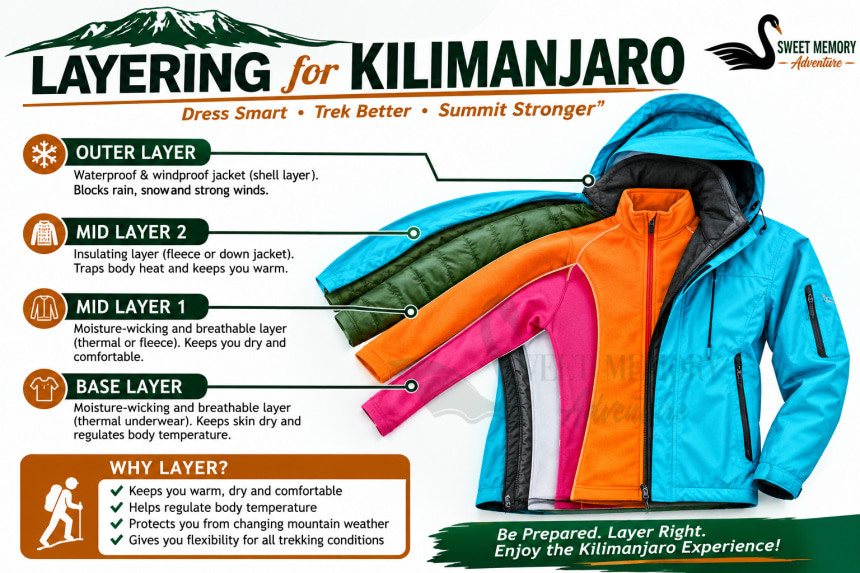
Layering is important because you can add or remove clothing as temperatures change.
Kilimanjaro Equipment
You should also consider:
Backpack
Daypack
Sleeping bag
Headlamp
Trekking poles
Water bottles or hydration system
Sunglasses
Sunscreen
Personal first-aid supplies
Toiletries
Power bank
Camera or smartphone
Your tour operator should provide a detailed packing list before departure.
Choose the Right Hiking Boots
Your hiking boots are among the most important items you will bring.
They should be comfortable, supportive, and properly broken in before your trek.
Avoid wearing brand-new boots for the first time on Kilimanjaro.
Your footwear should also be suitable for wet and cold conditions.
Pack enough good-quality hiking socks and consider carrying blister treatment supplies.
What Should You Eat and Drink on Kilimanjaro?
Proper nutrition and hydration are important during the climb.
Your trekking team will normally provide meals designed to support the physical demands of the journey.
A typical mountain menu can include carbohydrates, vegetables, fruit, protein sources, soups, and other energy-rich foods.
You should drink regularly throughout the day and follow your guide’s recommendations regarding hydration.
Some trekkers also carry snacks such as:
Energy bars
Nuts
Dried fruit
Chocolate
Biscuits
Energy gels
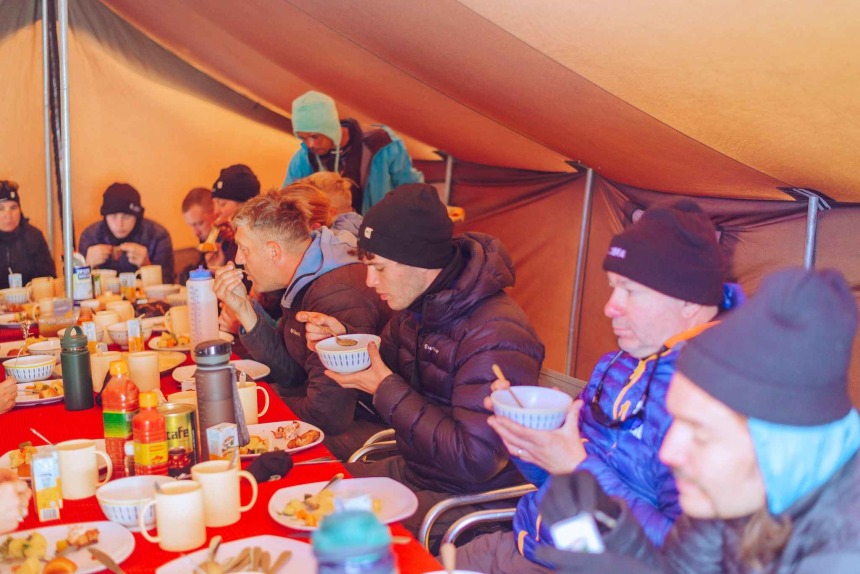
Choose foods that you know your body tolerates well.
Prepare Mentally for the Kilimanjaro Climb
Physical fitness is only part of the challenge.
Mental preparation can be equally important.
There may be days when you feel tired, cold, uncomfortable, or uncertain about reaching the summit.
The summit night is particularly demanding because you will hike for several hours during darkness and cold temperatures.
Having realistic expectations helps.
Instead of focusing only on the summit, concentrate on reaching each day’s destination.
Listen to your guides, maintain a steady pace, and remember why you decided to climb Kilimanjaro.
What Is Summit Day Like?
Summit day is usually the most challenging part of the climb.
Trekkers typically begin the final ascent during the night.
The objective is to reach the summit around sunrise.
The final ascent can be physically and mentally demanding because of the altitude, cold temperatures, darkness, and steep terrain.
Reaching Uhuru Peak, the highest point on Mount Kilimanjaro, is an extraordinary moment.
After spending time at the summit, you descend to lower elevations according to your itinerary.
How Long Does Summit Day Take?
The timing varies according to your route, pace, weather, and group.
The ascent to Uhuru Peak can take several hours, followed by a long descent.
This is why physical and mental preparation are so important.
Should You Hire a Kilimanjaro Guide?
Yes.
Kilimanjaro climbs are organized with professional mountain teams, and experienced local guides play an essential role in the trekking experience.
Your guides help with route navigation, pacing, safety, weather awareness, and monitoring how trekkers are responding to altitude.
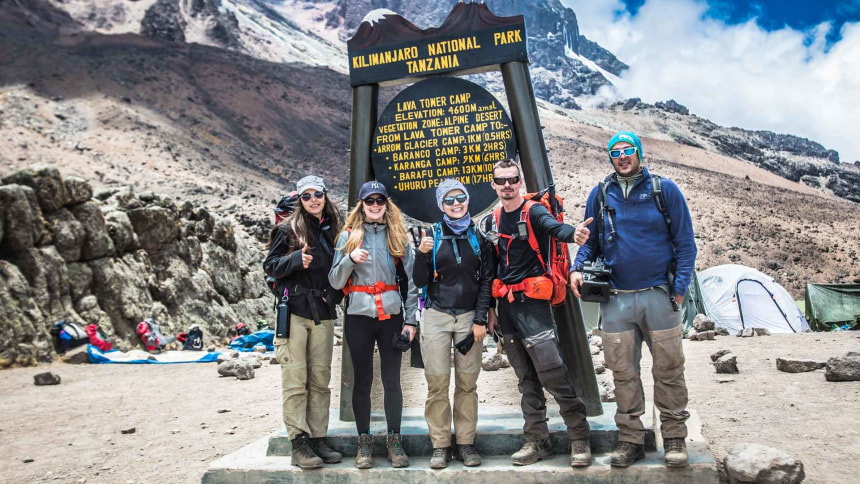
A knowledgeable guide can also provide valuable information about Kilimanjaro’s environment, culture, wildlife, and history.
Choosing an experienced and responsible local operator is therefore an important part of planning your climb.
How Much Does It Cost to Climb Kilimanjaro?
Kilimanjaro climbing costs vary depending on several factors.
These can include:
Route
Number of trekking days
Private or group climb
Number of trekkers
Accommodation before and after the climb
Transfers
Park fees
Mountain crew
Meals
Equipment
Additional safari or Zanzibar arrangements
When comparing prices, make sure you understand what is included.
A very low price may not provide the same level of service, crew support, accommodation, equipment, or itinerary quality.
Do You Need to Budget for Tipping?
Yes.
Tipping the mountain crew is customary and is an important part of recognizing the work of guides, cooks, and porters.
Your tour operator should explain the recommended tipping approach before your climb.
How to Choose a Kilimanjaro Tour Operator
Your choice of tour operator can significantly influence your experience.
Look for a company that provides:
Experienced local guides: Guides should have extensive mountain experience and knowledge of Kilimanjaro.
Proper safety procedures: The operator should have clear procedures for monitoring trekkers and responding to emergencies.
Good acclimatization itineraries: Avoid choosing an itinerary based solely on the lowest price or shortest duration.
Responsible porter practices: Consider operators that demonstrate fair treatment of mountain crew.
Clear pricing: Your quotation should explain what is included and excluded.
Good communication: Your operator should answer your questions clearly before you arrive in Tanzania.
Should You Climb Kilimanjaro Before or After a Safari?
Either option can work.
Some travelers prefer to climb first and relax afterward on safari.
Others prefer to enjoy a safari before their mountain adventure.
If you are combining Kilimanjaro with a Tanzania safari, your itinerary should allow enough time for recovery between major activities.
A common combination is:
Kilimanjaro → Tanzania Safari → Zanzibar
This gives you a challenging mountain adventure, followed by wildlife viewing and then beach relaxation.
Can Couples Climb Kilimanjaro Together?
Absolutely.
Kilimanjaro can be a memorable experience for couples.
A private climb allows couples to enjoy a more personalized pace and itinerary.
For couples celebrating a honeymoon, anniversary, birthday, or other milestone, the mountain can be combined with a Tanzania safari or Zanzibar beach escape.
Can Families Climb Kilimanjaro?
Families can climb Kilimanjaro, but age, fitness, preparation, and itinerary selection need to be considered carefully.
The physical and altitude demands make it particularly important to select an appropriate route and pace.
Families should discuss the children’s ages and previous hiking experience with their tour operator before choosing an itinerary.
A Practical Kilimanjaro Preparation Timeline
3–6 Months Before
Start researching routes, travel seasons, tour operators, and approximate costs.
2–3 Months Before
Begin structured fitness and hiking preparation.
Choose your route and confirm your trekking dates.
4–8 Weeks Before
Test your hiking boots and equipment.
Increase the duration of your weekend hikes.
Review your packing list.
1–2 Weeks Before
Avoid introducing major changes to your training routine.
Check your travel documents and equipment.
Confirm your airport transfers, accommodation, and trekking arrangements.
During the Climb
Walk slowly, stay hydrated, eat regularly, communicate with your guides, and listen to your body.
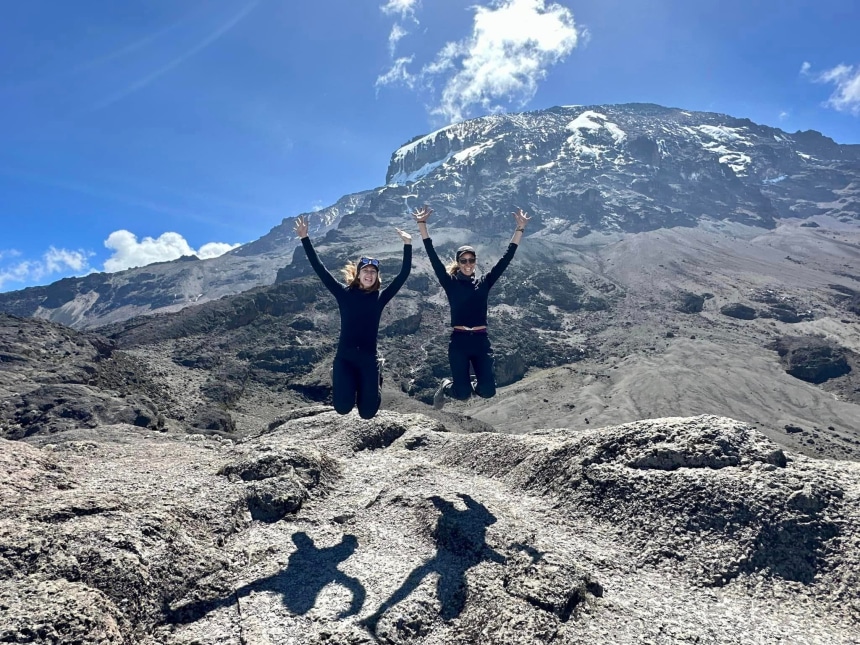
Common Mistakes to Avoid When Planning Kilimanjaro
Choosing the Shortest Route Simply Because It Is Cheaper
A shorter itinerary may provide less time for acclimatization.
Buying Hiking Boots at the Last Minute
New footwear can cause painful blisters and discomfort.
Underestimating the Cold
The summit environment can be extremely cold, especially during the early-morning ascent.
Ignoring Altitude Symptoms
Never hide symptoms from your guide because you are worried about slowing down the group.
Packing Too Much
You need to be prepared, but unnecessary weight can make trekking more difficult.
Focusing Only on the Summit
The journey itself is a major part of the experience.
Final Kilimanjaro Preparation Checklist
Before leaving for Tanzania, make sure you have:
Selected a suitable route
Chosen an appropriate number of trekking days
Started your physical preparation
Broken in your hiking boots
Prepared warm and waterproof clothing
Organized your travel documents
Reviewed altitude and acclimatization information
Confirmed your accommodation and transfers
Checked what your tour operator provides
Prepared personal medication and essential items
Budgeted for tips and additional expenses
Discussed your expectations with your mountain guide
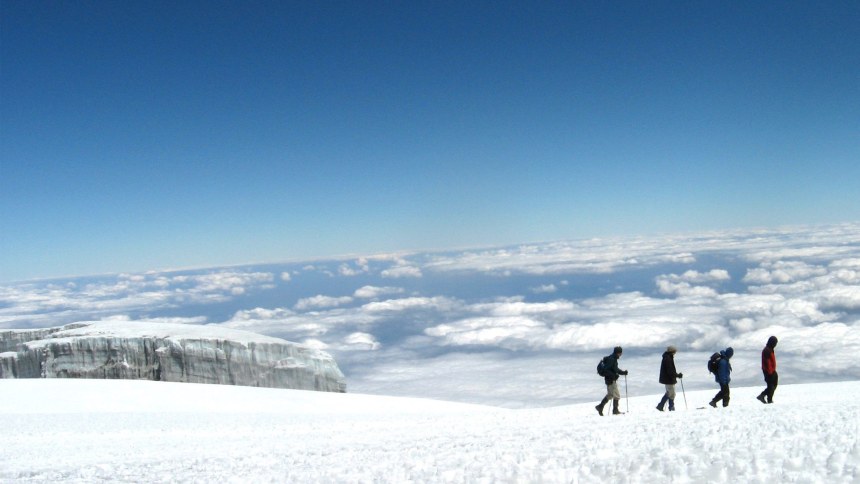
Plan Your Kilimanjaro Adventure With Sweet Memory Adventure
Climbing Mount Kilimanjaro is much more than reaching the highest point in Africa. It is a journey through changing landscapes, challenging physical conditions, and unforgettable moments on one of the world’s most iconic mountains.
At Sweet Memory Adventure, we help travelers plan Kilimanjaro climbs around their preferred route, travel dates, trekking duration, fitness level, and overall Tanzania travel plans.
Whether you are considering the scenic Lemosho Route, the popular Machame Route, the hut-based Marangu Route, or another Kilimanjaro route, our team can help you understand your options and prepare for the journey.
You can also combine your climb with a Tanzania safari or Zanzibar beach holiday to create a complete Tanzania adventure.
Ready to start planning your Kilimanjaro climb?
Call/WhatsApp: +255 756 775 771
Email: info@sweetmemoryadventure.com
Website: www.sweetmemoryadventure.com
Sweet Memory Adventure — Your local partner for unforgettable Tanzania mountain, safari, and travel experiences.
Frequently Asked Questions About Planning and Preparing for Kilimanjaro
How long should I train before climbing Kilimanjaro?
A preparation period of around 8–12 weeks is a reasonable starting point for many trekkers. People who are new to hiking or exercise may benefit from starting earlier. Training should focus on endurance, hiking, leg strength, and getting comfortable walking for several hours.
------
Do I need to be very fit to climb Kilimanjaro?
You do not need to be an elite athlete, but a good level of physical fitness is highly beneficial. You should be comfortable walking for several hours on consecutive days and prepared for steep and uneven terrain.
------
What is the easiest route to climb Kilimanjaro?
There is no route that can accurately be described as simply “easy.” Routes differ in duration, terrain, scenery, and acclimatization opportunities. Longer itineraries are generally preferable for allowing more time to adapt to altitude.
--------
How many days are recommended to climb Kilimanjaro?
Many trekkers choose a 7–9 day itinerary, depending on the route. Longer climbs can provide additional acclimatization time and a more gradual ascent.
--------
What is the best route for first-time Kilimanjaro climbers?
The Lemosho and Machame routes are popular choices, while longer itineraries can offer useful acclimatization opportunities. The best route depends on your fitness, available time, preferred scenery, and trekking experience.
--------
What is the best month to climb Mount Kilimanjaro?
The main dry seasons, particularly January to March and June to October, are generally popular periods for climbing Kilimanjaro. However, weather conditions can change quickly on the mountain.
--------
Can beginners climb Kilimanjaro?
Yes. Kilimanjaro does not normally require technical climbing skills, and many first-time mountain trekkers reach the summit. Proper preparation, a suitable itinerary, experienced guides, and good acclimatization are important.
--------
Can I climb Kilimanjaro without previous hiking experience?
Yes, previous mountain-climbing experience is not essential. However, you should prepare physically and understand that Kilimanjaro involves several days of demanding hiking at increasing altitude.
--------
What should I eat while climbing Kilimanjaro?
Mountain meals generally include carbohydrates, vegetables, fruits, proteins, soups, and other energy-rich foods. You can also carry familiar snacks such as nuts, dried fruit, chocolate, or energy bars.
---------
What happens if I become sick at high altitude?
Tell your mountain guide immediately if you experience symptoms that concern you. Your guide and trekking team should monitor your condition and follow appropriate safety procedures. Never try to hide symptoms to continue toward the summit.
---------
Can I combine Kilimanjaro with a safari?
Yes. Kilimanjaro can be combined with a Tanzania safari to destinations such as Tarangire, Ngorongoro, and Serengeti. Zanzibar can also be added for a relaxing beach holiday.
---------
Can Sweet Memory Adventure organize a private Kilimanjaro climb?
Yes. Sweet Memory Adventure can arrange private Kilimanjaro climbs and tailor the route, duration, transfers, accommodation, and additional Tanzania experiences around your travel plans.