

| 8 mins read
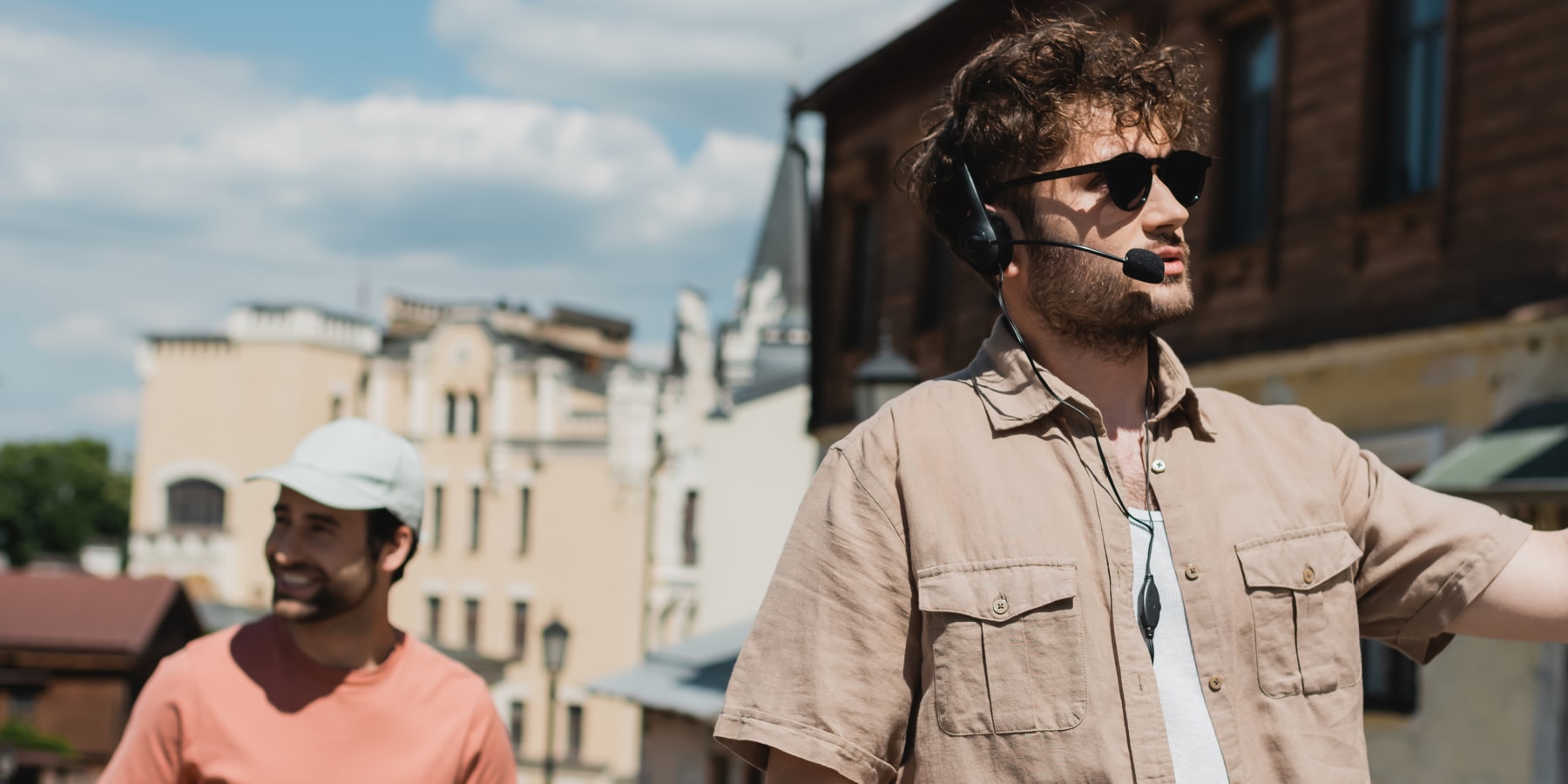
Travellers often spend weeks researching destinations, comparing hotels, and planning activities, but one factor that can have a surprisingly big impact on a trip is often overlooked: the relationship between the traveller and the guide.
A knowledgeable guide can transform an ordinary itinerary into a memorable journey. They can introduce you to hidden viewpoints, bring centuries of history to life, recommend family-run restaurants that never appear in guidebooks and adapt the day around your interests. But even the most experienced guide will tell you that the quality of a tour depends just as much on the traveller as it does on the guide.
The best travel experiences are a partnership. When travellers and guides communicate openly, respect each other's time and share genuine curiosity about a destination, the itinerary becomes more flexible and conversations become more meaningful.
At tourHQ, travellers can communicate directly with local guides before booking, giving both sides an opportunity to understand expectations and create experiences that go beyond standard sightseeing.
Why Your Attitude Shapes the Tour
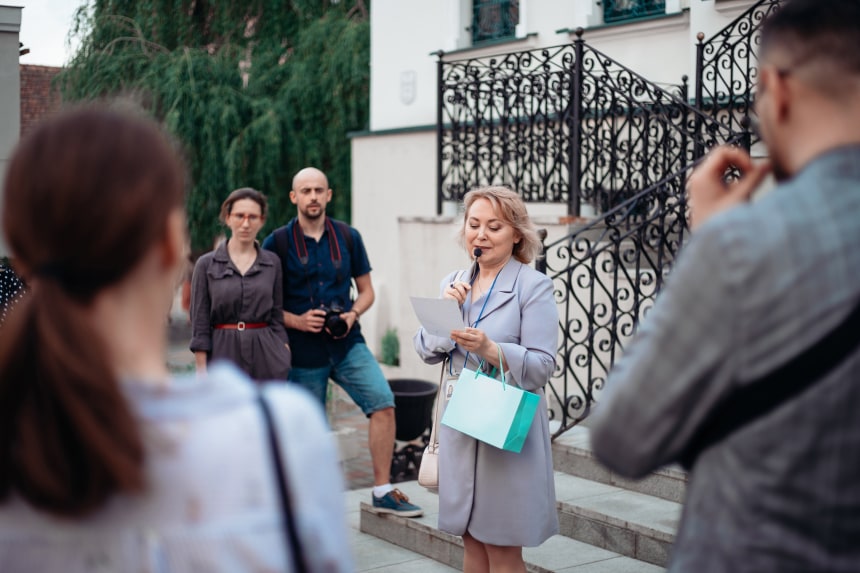
Why do you need a guide? Experienced guides do much more than follow an itinerary. Throughout the day, they adjust routes to avoid crowds, recommend local events, suggest better photo opportunities, respond to the weather and adapt to the interests of their guests.
If a guide knows you are passionate about architecture, they may spend more time explaining details others might overlook. If you love food, they may recommend a family bakery or neighbourhood restaurant. If you are travelling with children, your guide can adjust the pace to keep everyone comfortable.
A guide's greatest skill is not simply sharing information. It is understanding people.
The more openly you communicate, the better they can tailor the experience.
Seven Things Great Travellers Always Do
1. Read Your Guide's Profile Before You Send a Message
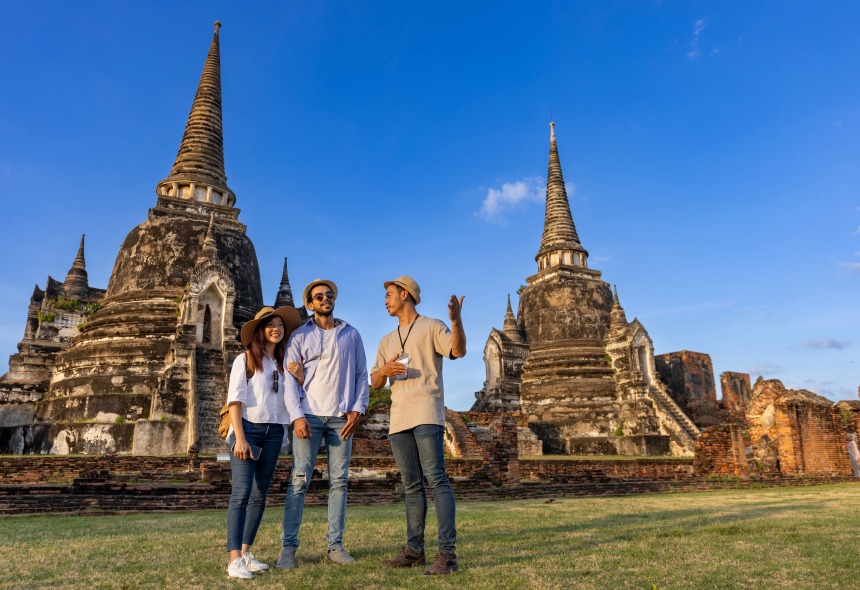
One of the advantages of booking through tourHQ is being able to learn about individual guides and their areas of expertise. Some specialise in history, while others focus on food, photography, hiking, wildlife or local culture.
Take a few minutes to read a guide's profile, specialities and reviews before contacting them. Choosing the right guide is not just about availability. It is about finding someone whose interests and expertise match your own. When there is a natural fit, the experience is often much more enjoyable.
2. Write a Clear and Honest Brief
Tell your guide what you actually want from the experience.
Perhaps you are travelling with elderly parents and prefer a relaxed pace. Maybe you are passionate about architecture, photography or local food. You could be travelling with young children or celebrating a special occasion.
The more your guide understands about your interests, energy levels and expectations, the easier it becomes to create a personalised itinerary. A thoughtful brief also saves time and helps avoid misunderstandings.
If you are unsure what to include, consult the custom itinerary guidance available on tourHQ before contacting your guide.
3. Arrive on Time and Do Not Skip Breakfast
Starting the day well can make a significant difference.
Guides may be coordinating transport, attraction timings, restaurant reservations and entry tickets. Arriving late can create a domino effect that affects the rest of the schedule.
Being rested and properly fed matters too. Hunger and tiredness can quickly turn into frustration, especially during a busy sightseeing day. Start with breakfast, water and comfortable footwear, and you will be in a much better position to enjoy the experience.
4. Put Your Phone Away for the First Thirty Minutes
It is tempting to begin a tour by taking photographs, replying to messages or posting on social media. Instead, try putting your phone away for the first thirty minutes.
Listen to your guide's introduction, learn about the destination and get a sense of the place before reaching for your camera. Those first conversations often establish the connection that shapes the rest of the day.
You may also find that you take better photographs afterwards because you understand what you are seeing and know which moments are worth capturing.
5. Ask Questions: Guides Love Curious Travellers
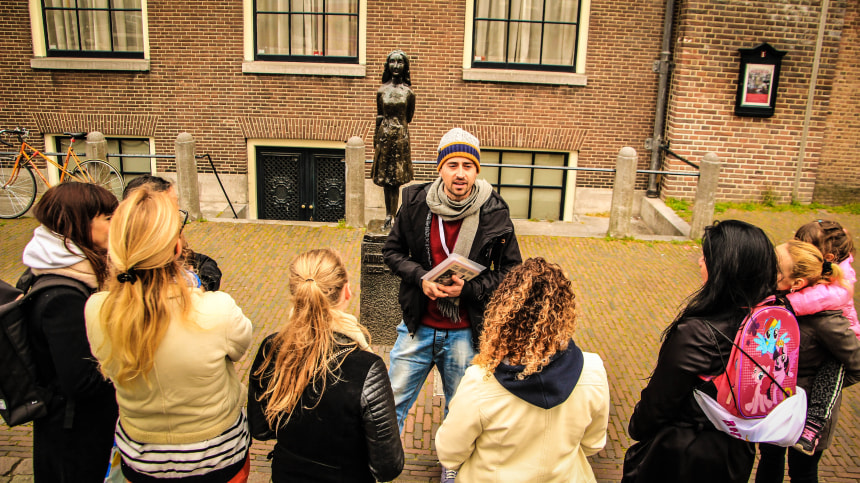
The best tours are conversations, not lectures.
Ask why buildings look a certain way, what local families eat at home, how a neighbourhood has changed or where your guide would go on their day off. Questions like these can turn sightseeing into a genuine cultural exchange.
You do not need to be an expert. Curiosity is far more valuable. Guides often enjoy sharing more when travellers show a genuine interest in understanding the destination.
6. Be Honest If Something Is Not Working
Even the best-planned tour sometimes needs adjusting.
Perhaps the pace is too fast, you are spending more time in museums than expected, or you would rather stop for coffee than visit another attraction. Speak up politely and early.
Your guide cannot know what you are thinking, but they can often adapt when they understand what you need. Many private tours booked through tourHQ offer flexibility, allowing guides to personalise the experience where practical.
Honest communication usually leads to a better day for everyone.
7. Leave a Detailed and Specific Review
Your journey does not necessarily end when the tour does.
A thoughtful review helps future travellers choose a guide with confidence and gives guides valuable recognition for their work.
Instead of writing, "Great guide. Highly recommended," explain what made the experience special. Did your guide recommend an excellent restaurant? Were they particularly knowledgeable about history? Did they adapt the itinerary because of the weather or keep your children engaged?
Specific details give future travellers a much clearer idea of what makes a guide unique.
What Not to Do
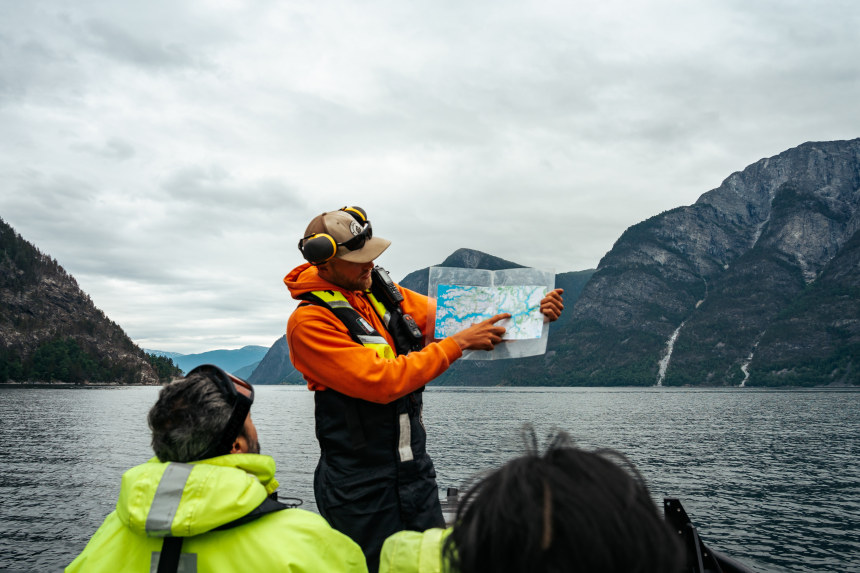
Knowing what to avoid is just as important as knowing what to do.
Avoid Comparing Your Guide With Someone Else
Every guide has a different personality, expertise and storytelling style. Comments such as "Our guide in Italy did it differently" rarely create a positive atmosphere.
Instead, appreciate each guide for their individual strengths. Every destination and every guide brings something different to the experience.
Do Not Rush Every Stop
It is natural to want to see as much as possible, especially when time is limited. But constantly asking what is next or squeezing in one more attraction can take away from the experience.
Some of the most memorable moments happen when you slow down.
It could be sharing tea with a local family, watching artisans work or simply enjoying a spectacular view without checking the time. Trust your guide's judgement. They understand how to balance sightseeing with meaningful experiences.
Do Not Demand Major Itinerary Changes Without Discussion
Private tours offer flexibility, but they still require planning.
Adding several attractions or suddenly changing destinations can affect transport, timings, entrance tickets and reservations. Discuss changes with your guide rather than making last-minute demands. A collaborative approach gives your guide the opportunity to find the best solution.
Do Not Bargain After You Have Booked
Price negotiations should take place before a booking is confirmed, not during or after the tour.
Once an itinerary has been agreed upon, your guide has already invested time preparing routes, arranging logistics and reserving their day. Respecting the agreed price recognises the expertise and preparation they bring to the experience.
How a Well-Prepared Traveller Unlocks a Guide's Best Performance
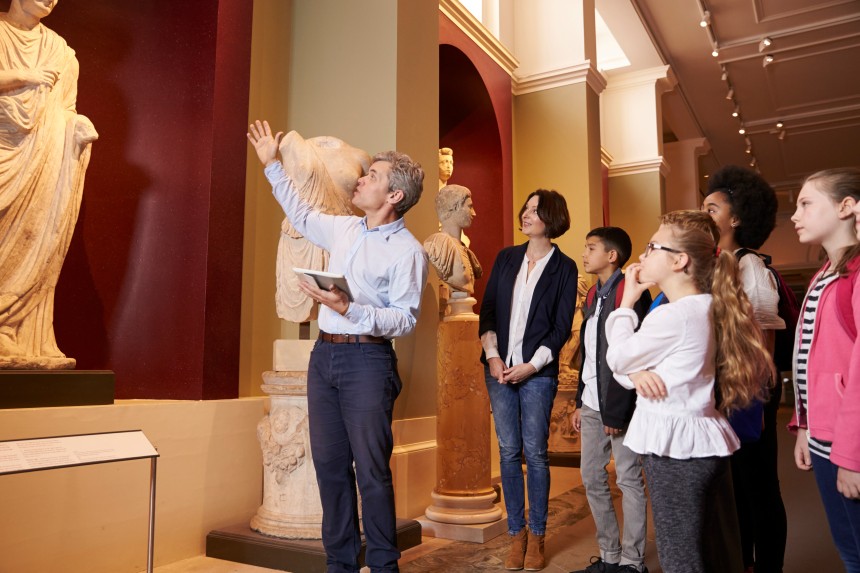
The best guides do not simply follow a script. They adapt.
When travellers arrive prepared, communicate openly and show genuine curiosity, guides are more likely to go beyond the basics. They may recommend places that do not appear on standard itineraries, introduce trusted local businesses or share personal stories.
Perhaps they will take you to a bakery that has been in the same family for generations, introduce you to an artisan they have known for years or stop at a viewpoint rarely visited by tourists.
These moments are rarely planned months in advance. They emerge from the relationship between traveller and guide.
Why Your Review Matters
Many travellers wonder whether they should leave a tip at the end of a tour. While gratuities are appreciated where culturally appropriate, a thoughtful review can have an important long-term impact.
A detailed review helps future travellers make informed choices, recognises good service and strengthens a guide's professional reputation.
Rather than simply saying a guide was "good", explain why. Mention their storytelling, local recommendations, flexibility or the way they made your family feel welcome.
For many guides on tourHQ, positive and specific reviews can contribute to future bookings and help build a successful career.
Great Tours Are Built Together
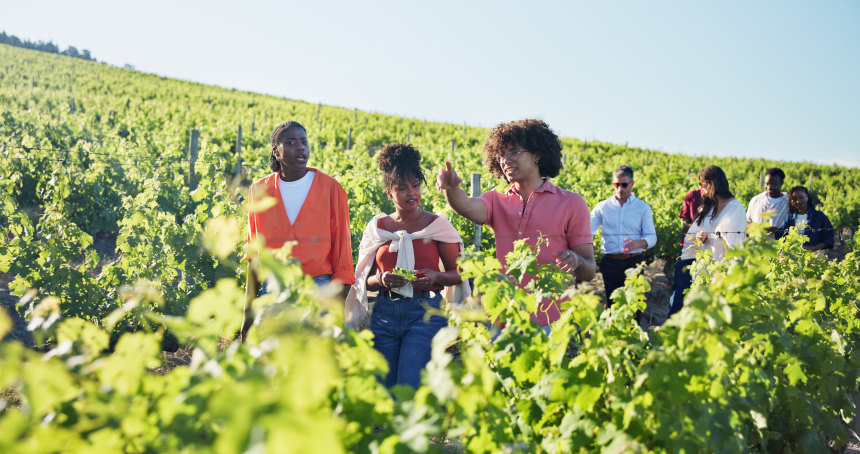
The best travel experiences are created through collaboration.
A knowledgeable guide brings expertise, local insight and years of experience. An engaged traveller brings curiosity, openness and a willingness to embrace something new. Together, they can create journeys that no guidebook or travel app can fully replicate.
Before your next adventure, read your guide's profile, share a thoughtful itinerary brief and consider what you genuinely want from the experience. During the tour, stay curious, communicate openly and allow yourself to enjoy the unexpected.
Afterwards, share your experience through a detailed review so future travellers can benefit from what you learned.
At tourHQ, local guides bring their knowledge and personal connection to the places they call home. Arriving prepared and travelling with an open mind helps your guide perform at their best, while giving you the opportunity to experience a destination through genuine conversations, local insights and memorable moments.