

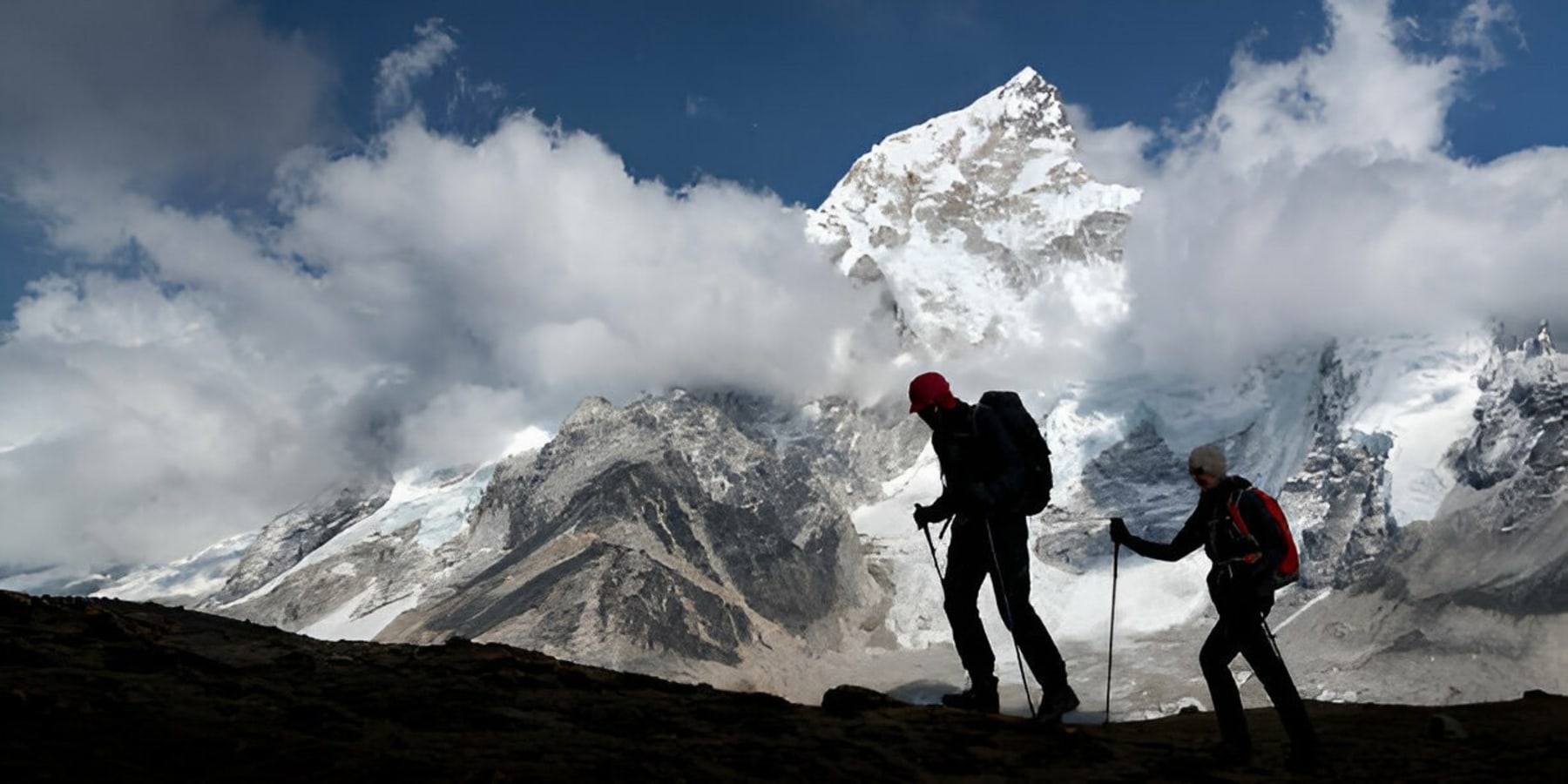

Nepal may look small on the map, but for trekkers it offers an extraordinary variety of landscapes, cultures, climates, and mountain experiences. From the foothills around Pokhara to the high valleys beneath Mount Everest, every trekking region has its own character.
For first-time visitors, one of the hardest questions is often not whether to trek in Nepal, but which trek to choose.
Everest Base Camp, Annapurna Base Camp, Annapurna Circuit, Manaslu Circuit, Langtang Valley, Mardi Himal and many other routes can all provide memorable Himalayan experiences. However, the best trek is not necessarily the most famous one. It is the trek that matches your available time, physical condition, interests and expectations.
Here are some practical points to consider before choosing your trekking adventure in Nepal.
1. First, Decide How Much Time You Have
The number of days available is one of the easiest ways to narrow your choices.
Travelers with less than a week can still experience beautiful Himalayan scenery on shorter routes such as Mardi Himal, Poon Hill or treks around the Annapurna foothills.
If you have around one to two weeks, options expand considerably. Langtang Valley, Annapurna Base Camp and several Everest-region itineraries become possible.
Trekkers with two weeks or more can consider longer adventures such as Everest Base Camp, the Annapurna Circuit or the Manaslu Circuit.
Always remember to keep some flexibility in your Nepal itinerary. Weather, mountain transportation and altitude can occasionally cause delays, particularly when flights are involved.
2. Think About the Experience You Want
Not everyone comes to Nepal looking for the same thing.
If seeing Mount Everest is your lifelong dream, the Everest region is naturally one of the best choices. The journey through Lukla, Namche Bazaar, Tengboche and the upper Khumbu provides not only dramatic mountain scenery but also an introduction to Sherpa culture and Buddhist traditions.
For trekkers who want a combination of mountains, forests, villages and varied landscapes, the Annapurna region offers exceptional diversity.
Those looking for a quieter and more remote experience may prefer the Manaslu Circuit, where traditional villages, Tibetan-influenced culture and dramatic Himalayan terrain create a very different atmosphere from Nepal's busier trekking routes.
The Langtang Valley is another excellent choice for travelers seeking mountain scenery and cultural experiences without travelling far from Kathmandu.
Choosing a trek based on the experience you want is often more rewarding than simply choosing the most famous route.
3. Be Realistic About Altitude
Altitude is one of the most important considerations when trekking in Nepal.
Many Himalayan trekking routes gradually climb above 3,000 metres, while some reach 5,000 metres or higher.
Everest Base Camp sits at approximately 5,364 metres, while Kala Patthar rises even higher. The Manaslu Circuit crosses Larkya La at about 5,106 metres, and the Annapurna Circuit traditionally crosses Thorong La at approximately 5,416 metres.
At these elevations, proper acclimatization is essential.
Walking slowly, drinking enough water, eating properly and following a well-designed itinerary can make a major difference. Extra acclimatization days should never be considered wasted time. They are an important part of travelling safely in the Himalayas.
A good trekking itinerary should allow your body time to adapt rather than simply trying to reach the destination as quickly as possible.
4. Choose the Right Season
The most popular trekking seasons in Nepal are generally spring and autumn.
Spring, particularly March to May, brings warmer temperatures, blooming rhododendrons and excellent trekking conditions in many regions.
Autumn, especially October and November, is famous for clear skies, stable weather and impressive mountain visibility.
Winter can also be beautiful, particularly on lower-altitude treks. Trails are often quieter and mountain views can be extremely clear, although temperatures become very cold at higher elevations.
The summer monsoon brings rain to much of Nepal, but it does not mean trekking becomes impossible. Certain regions located in the Himalayan rain shadow can offer interesting alternatives during this period.
There is no single perfect month for every trek. The best season depends on the route, altitude and type of experience you are looking for.
5. Do Not Judge Difficulty Only by Distance
A trekking day of 12 kilometres in the Himalayas can feel very different from walking 12 kilometres on flat ground.
Steep ascents, stone staircases, rocky trails, suspension bridges, altitude and changing weather all affect trekking difficulty.
This is why travelers should look beyond the total distance when comparing itineraries.
Ask questions such as:
How much altitude will I gain each day?
How many hours will I normally walk?
Are there steep passes?
Are acclimatization days included?
What is the highest sleeping altitude?
These details give a much better understanding of a trek than distance alone.
6. Culture Is an Important Part of Himalayan Trekking
The mountains may initially bring travelers to Nepal, but for many visitors it is the people and culture that become their strongest memories.
Trekking routes pass through communities with their own languages, traditions, architecture and religious practices.
In the Everest region, trekkers encounter Sherpa villages, monasteries, mani walls and prayer wheels.
Around Manaslu and other northern Himalayan areas, Tibetan Buddhist influences are particularly strong.
The Annapurna region introduces travelers to communities including Gurung, Magar, Thakali and others, each contributing to the cultural richness of the journey.
Take time to stop in villages, visit monasteries where appropriate, talk with local people and learn about the places you are walking through.
A Himalayan trek is far more than travelling from one overnight stop to another.
7. Consider Whether You Prefer Popular or Quiet Trails
Some trekkers enjoy the energy of famous trekking routes, while others prefer remote trails with fewer people.
Everest Base Camp and Annapurna Base Camp are popular for good reasons. They offer outstanding scenery, established trekking infrastructure and internationally recognized destinations.
Other routes provide a quieter experience.
The Manaslu region, for example, attracts trekkers who often want something more remote and culturally immersive. Less-travelled routes elsewhere in Nepal can provide an even greater sense of exploration.
Neither style is better. It depends on your personality.
If you enjoy meeting travelers from around the world and staying in lively trekking villages, a popular trail can be ideal.
If solitude and remote landscapes matter more, consider one of Nepal's less crowded routes.
8. Understand What Accommodation Is Really Like
Most popular trekking routes in Nepal use local mountain lodges commonly known as teahouses.
These are not luxury hotels, although facilities have improved considerably in many trekking regions.
Rooms are generally simple, while the dining room becomes the social centre of the lodge. Hot showers, charging and Wi-Fi may be available in many places, sometimes for an additional fee.
As altitude increases, facilities normally become more basic.
This simplicity is part of the Himalayan experience. Waking in a small mountain village and seeing snow-covered peaks outside your lodge can be far more memorable than staying in a luxurious room.
9. A Local Guide Adds More Than Navigation
A knowledgeable trekking guide does much more than show the trail.
Good guides help manage the trekking pace, monitor altitude, organize accommodation, communicate with local communities and deal with unexpected changes.
They can also explain the mountains, villages, religions, customs and history of the region.
Many travelers arrive knowing the names of Mount Everest, Annapurna or Manaslu. A good local guide helps them understand everything in between.
That local knowledge can turn a beautiful walk into a much deeper travel experience.
10. Do Not Rush the Himalayas
One of the most common mistakes travelers make is trying to fit too much into too little time.
Nepal rewards slower travel.
Allow yourself time to enjoy a sunrise, drink tea in a mountain village, visit a monastery, watch a yak caravan pass or simply stop and look at the mountains.
The Himalayas are not a place where reaching the final destination should be the only goal.
Everest Base Camp, Annapurna Base Camp or a high mountain pass may be the headline of your journey, but the small experiences along the trail are often what you remember years later.
Which Trek Is Right for You?
There is no single "best trek in Nepal."
For one traveler, the perfect journey may be standing beneath Mount Everest. For another, it may be crossing the remote landscapes of Manaslu, watching sunrise over the Annapurna range, or spending several peaceful days exploring Langtang Valley.
Before choosing, consider your available days, fitness level, previous altitude experience, preferred season, budget and the kind of atmosphere you want.
Then choose an itinerary that allows you to experience the Himalayas safely rather than simply completing them quickly.
Nepal's mountains have welcomed travelers for generations, but every journey remains personal.
Choose the route that suits you, walk at your own pace, respect the mountains and local communities, and leave enough time to enjoy the unexpected moments along the way.
That is often where the real magic of trekking in Nepal begins.