


| 9 mins read
Choosing a local tour guide is not simply about picking the person with the highest rating or the longest list of tours. The better question is: how well does this guide fit the way you want to travel?
Imagine arriving in a city you have wanted to explore for years. You could spend the day moving between famous sights on a fixed schedule. Or you could linger at a historic building, stop at a neighbourhood market, ask questions about local life and change the plan when something unexpected catches your attention.
Both can be good experiences. The right guide is the one who understands which experience you want!
How to choose a local tour guide for your travel style
Start by thinking about what you actually want from the trip.
Are you interested in history, food, photography, architecture, nature, shopping or adventure? Do you enjoy walking for hours, or would you rather take things slowly? Are you travelling alone, as a couple, with children or with older family members?
These details can completely change which guide is right for you.
A history traveller may want someone who can explain the context behind a monument. A food traveller may care more about markets and regional dishes. Families may prioritise patience, shorter walks and flexibility.
The best local guide is not necessarily the most popular. It is the one whose expertise and personality match your trip.
Look for local knowledge that matches your interests
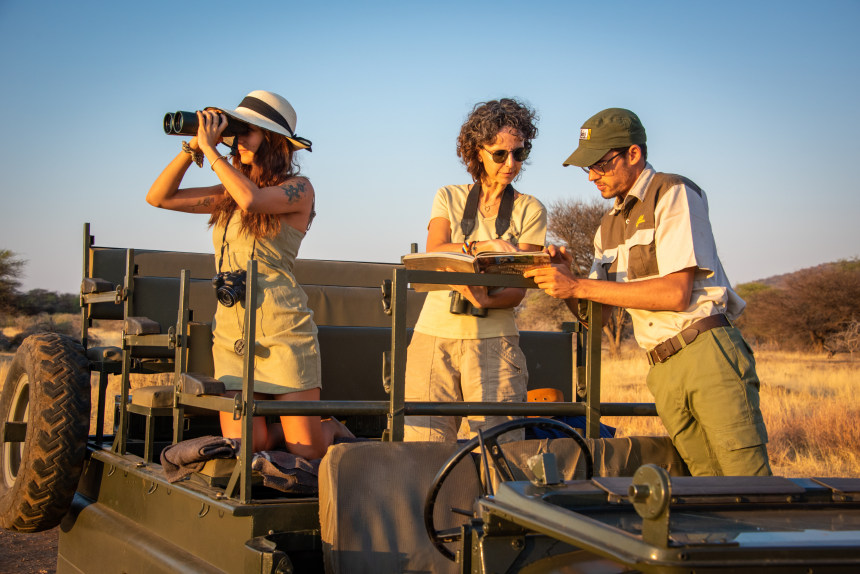
Knowing a destination well does not automatically make someone the right guide for every traveller.
Look at the guide's tour guide specialities. If architecture interests you, seek someone experienced with historic buildings and heritage sites. If food is central to your trip, look for genuine knowledge of local cuisine, markets and dining customs.
Photography travellers have different needs. A guide who understands viewpoints, changing light and quieter locations can be far more useful than someone who simply follows a standard sightseeing route.
Current guide profiles on tourHQ include interests such as culture, history, architecture, food, wildlife and photography, alongside information about languages and experience.
If one particular interest is driving your trip, make that specialisation an important part of your decision.
Read tour guide reviews carefully
Reviews are useful when you are trying to find a local tour guide, but do not rely only on the overall rating.
Read several reviews and look for details that matter to you. Did travellers mention patience, clear explanations, flexibility or a comfortable pace? Did families find the guide good with children? Did food travellers appreciate their local recommendations?
These details tell you much more than a simple five-star rating.
A guide with hundreds of reviews may be excellent, but someone with fewer reviews could be a better match if their feedback consistently reflects your interests and travel style.
However, reviews reflect individual traveller experiences, so they are best treated as useful context rather than an absolute measure of quality.
Consider experience and tour guide qualifications
When deciding how to choose a tour guide, experience naturally matters.
An experienced tour guide may have a better understanding of local transport, busy attractions, timing and the practical problems that can affect a day out.
However, years of experience should not be the only deciding factor.
A guide with many years of general sightseeing experience may not be the best choice for someone seeking a specialist food or photography experience. Relevant experience is often more valuable than simply having more years in the profession.
Tour guide qualifications can also matter, particularly for regulated guiding or specialist activities. Check whether your destination or chosen activity requires a particular licence, registration or qualification.
Guide profiles on tourHQ can include information about registration, experience, languages and areas of expertise, helping travellers compare individual guides before booking.
Pay attention to communication and language
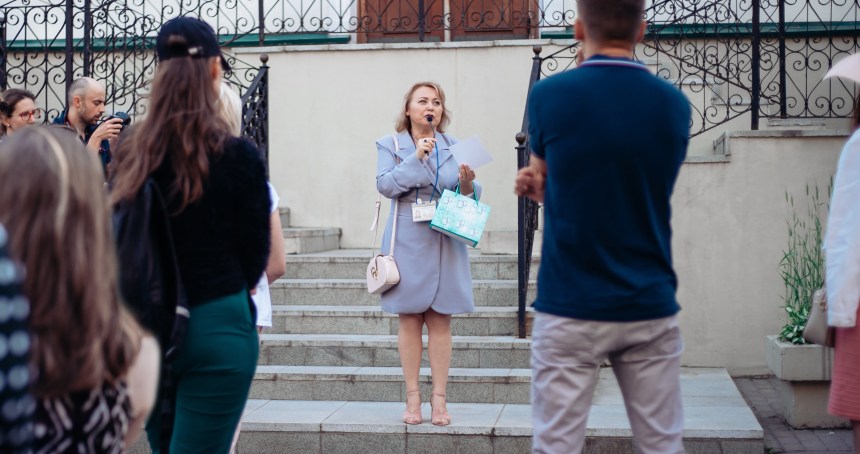
A professional tour guide needs more than knowledge. They need to communicate that knowledge in a way you enjoy.
Some travellers like detailed stories and plenty of conversation. Others prefer concise explanations followed by time to explore independently.
Language is equally important. Make sure everyone in your group can communicate comfortably, especially if you want to discuss detailed historical or cultural subjects.
Before booking, send the guide a few specific questions. Explain your interests, preferred pace and anything you would rather avoid.
Their response can be revealing. A thoughtful answer that addresses your questions suggests they have understood your requirements.
tourHQ encourages travellers to communicate with guides before booking so expectations and personalised requirements can be discussed in advance.
Think about personality, group size and pace
You may spend several hours with your guide, so personality matters.
A naturally curious and conversational guide can be ideal for travellers who want to understand everyday life. A calm guide may suit a photographer who wants time to compose images. Families may value patience and warmth more than an encyclopaedic knowledge of monuments.
Physical pace deserves equal attention.
Ask how much walking is involved, whether there are stairs, how often you can stop and whether transport is included. If someone in your group has accessibility requirements, discuss them before booking.
Families should also consider children's ages, meal breaks and how easily the itinerary can change when younger travellers become tired.
A good guide should be honest about what is realistic rather than promising everything.
Decide how much flexibility you need
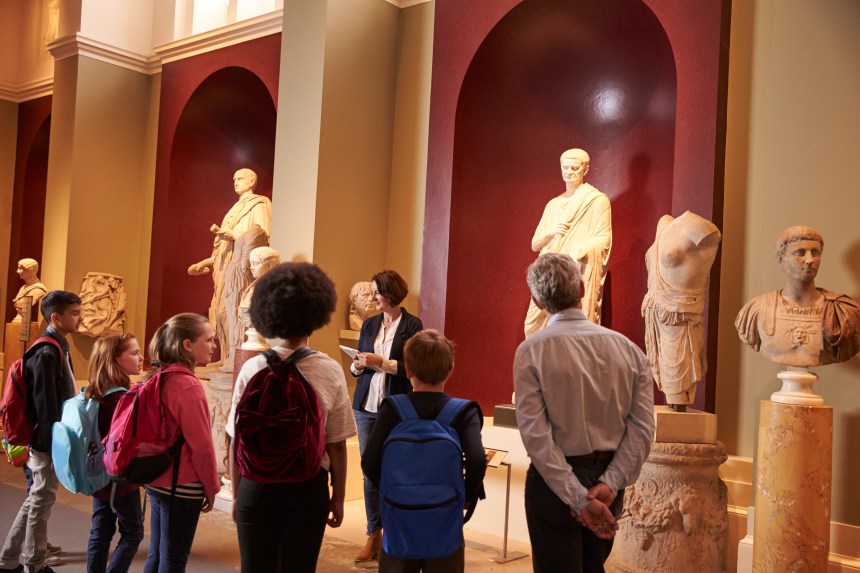
Some travellers prefer a clear itinerary. Others want room to change direction.
A private local guide can be particularly useful when you want the day to reflect your interests rather than follow a standard route.
Perhaps a museum turns out to be the highlight of your morning, and you want more time there. Perhaps a crowded market makes another neighbourhood more appealing. A flexible guide can adjust without making the day unnecessarily complicated.
A personalised tour can also work well when your group has different interests or limited time.
tourHQ offers individual guide profiles and personalised experiences where travellers can discuss their requirements and interests with guides before booking.
Compare two or three guides before booking
Once you have narrowed your choices, score each guide from one to five for the factors that matter most:
Local knowledge: How strong is their understanding of the places you want to visit?
Specialisation: Do their interests match yours?
Communication: Were their answers clear and useful?
Language: Can everyone communicate comfortably?
Tour guide reviews: Do recent travellers describe qualities you value?
Experience: Is their background relevant to your itinerary?
Personality: Does their style suit your group?
Flexibility: Can the pace and itinerary change?
Group suitability: Can they accommodate your group size and needs?
Value: Does the price make sense once you know what is included?
Do not simply choose the guide with the highest total. Give extra weight to what matters most to you.
For a history traveller, specialist knowledge may decide the choice. For a family, patience and flexibility could matter more. For a photographer, timing and route knowledge might be essential.
Match the guide to the experience you want
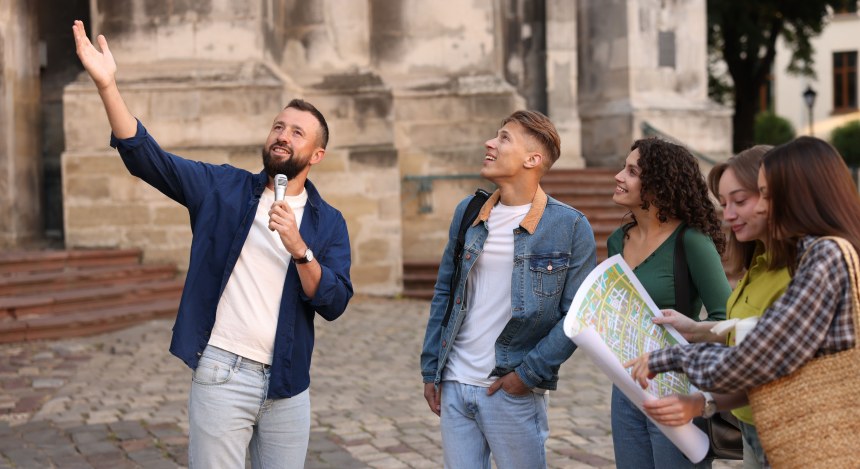
A history traveller should look for someone who can explain why a place matters, rather than repeat dates and names.
A food traveller should seek someone who understands regional dishes, ingredients, markets and local dining customs.
A photography traveller may benefit from a guide who understands viewpoints, timing and the need to pause.
A family should prioritise patience, manageable walking distances, child-friendly stops and flexibility.
An adventure traveller should check relevant experience, physical demands, equipment and any qualifications required for the activity.
There is no universal definition of the perfect tour guide. The right choice depends on the experience you want.
Confirm the details before you book
Before confirming your local tour guide, make sure the practical details are clear.
Confirm the meeting point, start time, duration and group size. Check whether the person you have been communicating with will personally lead the tour.
Ask exactly what the price includes and excludes. Transport, entrance fees, meals, parking, equipment and personal expenses may be handled differently depending on the experience.
If you have accessibility requirements, dietary needs, children in the group or specific places you want to visit, discuss them in advance.
Choosing a local tour guide ultimately comes down to compatibility.
Look beyond the price and headline rating. Read the tour guide reviews carefully. Examine relevant experience and qualifications. Consider specialisation, communication, personality, language and physical pace.
When the match is right, local knowledge becomes more than a collection of facts. It helps you understand the destination, navigate it more confidently and spend your limited holiday time on the experiences that brought you there.
FAQ
How do I choose a local tour guide?
Start with your interests, preferred pace, group needs and communication preferences. Then compare two or three guides based on relevant experience, specialisation, reviews, flexibility and what is included in the price.
Is a private local guide worth the cost?
A private guide can be particularly useful when you want a personalised itinerary, specialist knowledge, language support, flexible pacing or help navigating complicated local transport and customs.
Should I choose the guide with the most reviews?
Not necessarily. Reviews are most useful when they describe qualities that matter to your trip. A guide with fewer reviews but strong experience in your specific interest may be a better choice.
What should I ask a tour guide before booking?
Ask about experience, specialities, languages, itinerary flexibility, walking requirements, group size and inclusions. Also clarify entrance fees, transport, meals and other costs.
How important are tour guide qualifications?
They can be very important for regulated guiding and specialist activities. Check the requirements for your destination and the activity you are booking, and consider practical experience and subject knowledge.
Can a local guide customise an itinerary?
Many private guides can adapt an itinerary around your interests, timing and group requirements. Discuss your priorities before booking and confirm what changes are possible.
What makes an experienced tour guide different?
Experience can help with local logistics, pacing, unexpected changes and destination-specific questions. However, consider experience alongside communication, specialisation and personality fit.