


Kaohsiung is a city shaped by the sea. As Taiwan’s major southern harbor, its food culture has always been closely connected with fishing, seafood markets, coastal communities, and the ingredients brought in through the port.
For travellers who love food, Kaohsiung is much more than night markets and snacks. It is a place where you can enjoy freshly grilled seafood, sashimi, squid, shellfish, milkfish, oysters, and one of southern Taiwan’s most distinctive delicacies—mullet roe, or 烏魚子 (wūyúzǐ).
Mullet Roe: One of Kaohsiung’s Most Famous Specialties
Among the many foods associated with southern Taiwan, mullet roe—烏魚子—is one of the most distinctive.
Mullet migrate through waters around Taiwan during the cooler months, and their roe has traditionally been salted and dried to create a rich, savoury delicacy.
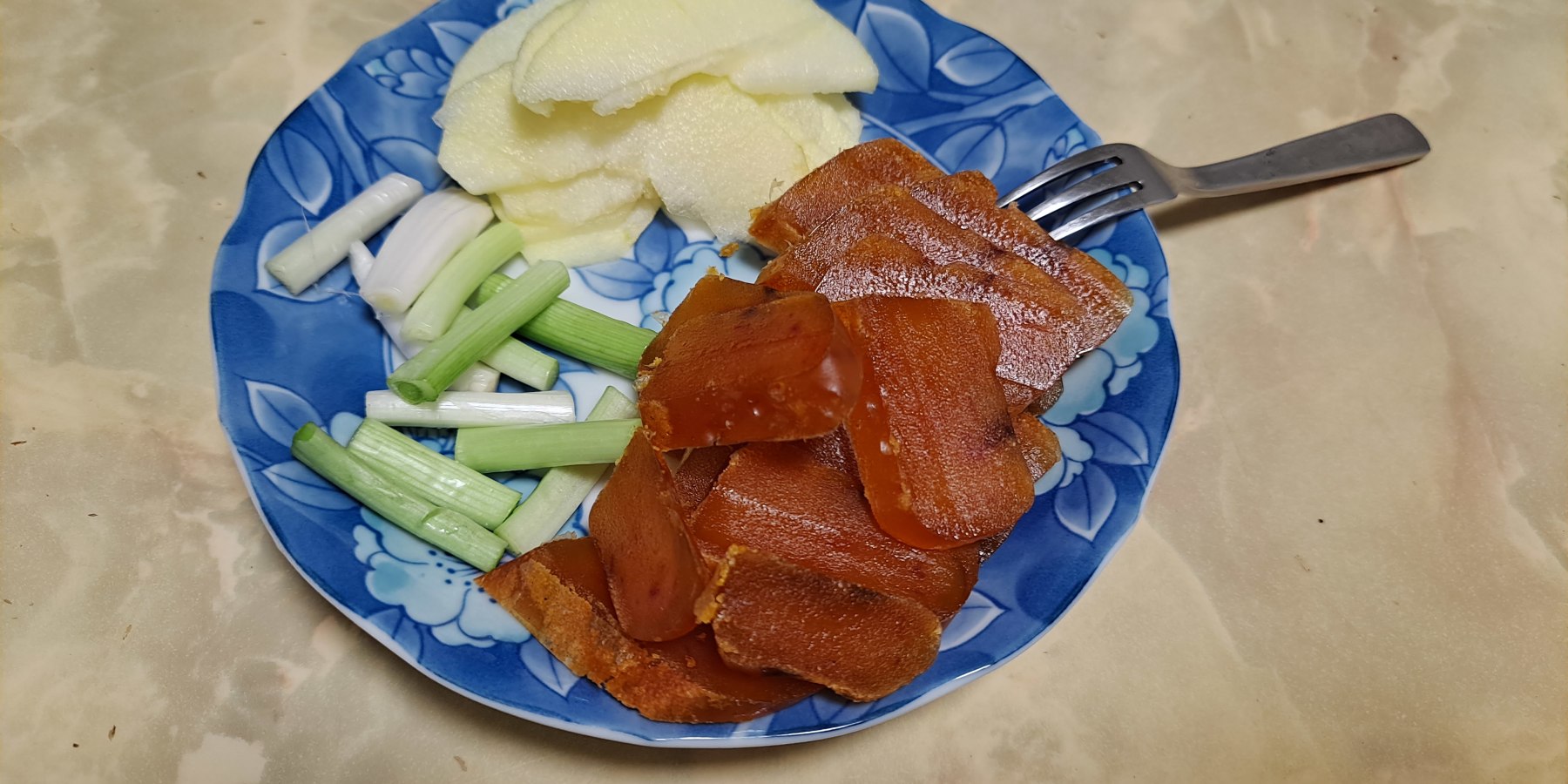
The finished roe has a deep amber colour, firm texture and intense umami flavour.
In Taiwan, it is often served during Lunar New Year or important family gatherings, but in Kaohsiung and southern Taiwan it is also closely associated with local fishing culture and traditional food craftsmanship.
A classic way to eat mullet roe is to lightly grill or sear it and slice it thinly.
It is often paired with:
fresh garlic or garlic sprouts
white radish
apple or pear
Taiwanese rice wine or tea
The contrast is important. Mullet roe itself is salty, rich and concentrated, while fruit or radish adds freshness and crispness.
For someone trying it for the first time, I usually recommend eating a small slice together with radish or fruit rather than eating it alone.
It is not just a snack—it is a flavour that reflects Taiwan’s coastal history.
More Than Just Seafood
Kaohsiung’s food culture also includes many everyday dishes that travellers should not overlook.
You may come across milkfish, seafood porridge, duck rice, braised pork rice, Taiwanese sausages, oyster dishes, traditional noodles, shaved ice and local desserts.
Night markets are another important part of the experience, but I personally enjoy taking visitors beyond the most famous stalls.
Sometimes the most interesting meal is found in a small neighbourhood restaurant that has been serving the same dish for decades.
That is where travelling with a local can make a difference.
Instead of simply asking, “What is famous?”, I prefer to ask:
What do local people actually eat?
Food as a Way to Understand Kaohsiung
For me, food is one of the best ways to understand a city.
Kaohsiung’s seafood reflects its relationship with the harbor. Mullet roe reflects traditional fishing seasons and preservation techniques. Street food reflects working-class history, migration and everyday family life.
When I guide visitors, I do not want food to be just a stop between sightseeing attractions.
I want travellers to understand why people eat certain foods, how those foods became part of the city, and what they mean to local families.
That is also why I enjoy combining food with places such as Cijin, Gushan, the harbor and traditional neighbourhoods.
You are not only tasting Kaohsiung—you are tasting the story of the city