

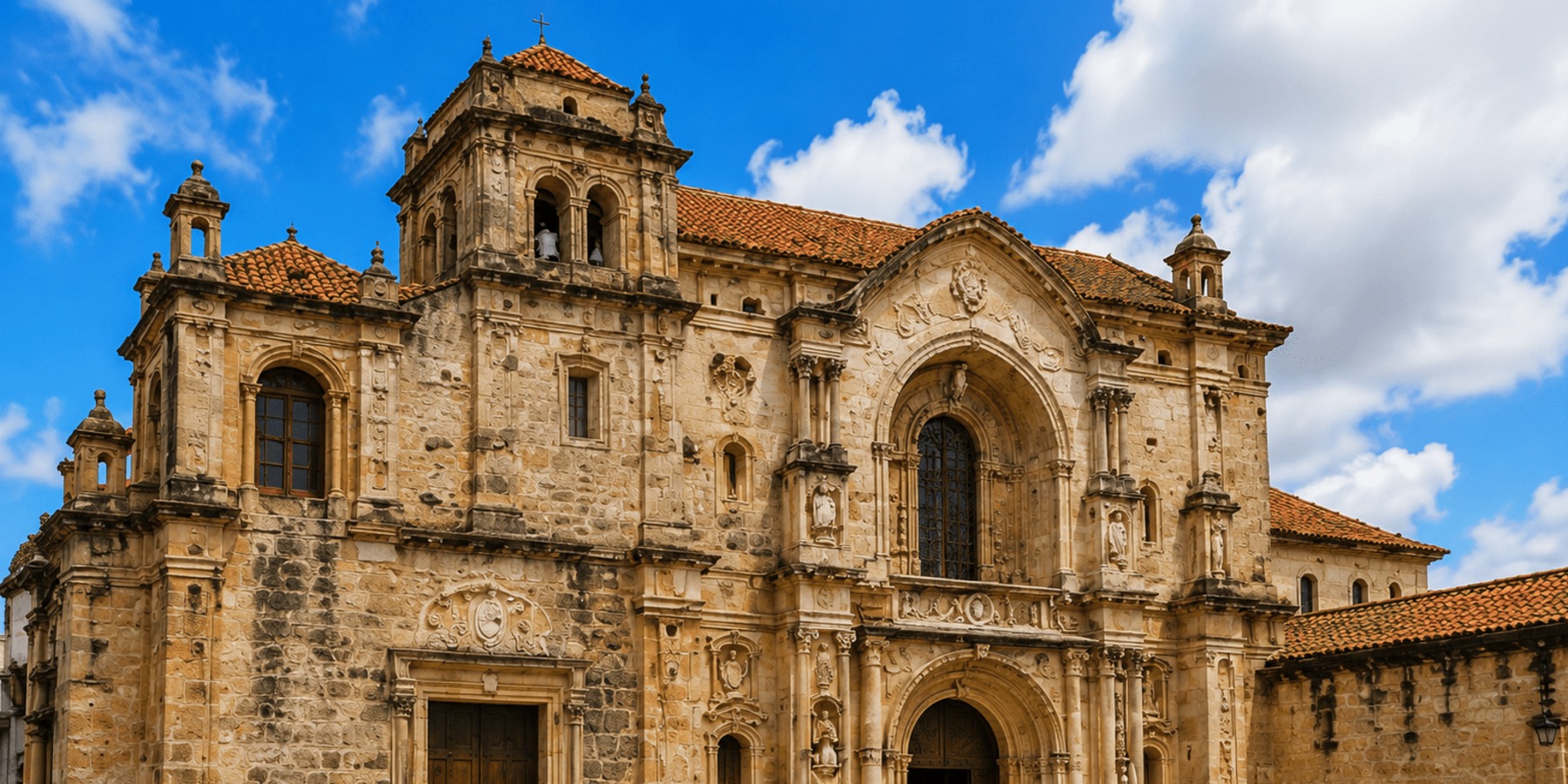

Discover Santo Domingo’s Colonial City on a full-day cultural journey from Punta Cana. Explore historic monuments, UNESCO-listed streets, Dominican traditions, local cuisine, and essential landmarks while learning practical tips for a comfortable and rewarding visit.
Full Article
Santo Domingo offers a completely different experience from the beaches and resorts of Punta Cana. As the capital of the Dominican Republic and one of the Caribbean’s most historically significant cities, it combines colonial architecture, museums, churches, lively neighborhoods, traditional cuisine, and important national monuments.
A Santo Domingo Colonial City tour is an excellent choice for travelers who want to understand the history and culture of the Dominican Republic beyond its coastal resorts. The journey commonly includes natural attractions, panoramic monuments, a guided walk through the Colonial City, a Dominican lunch, and time to explore local shops.
For visitors staying in Punta Cana, Bávaro, Cap Cana, Cabeza de Toro, Macao, Arena Gorda, or Uvero Alto, this is usually a full-day excursion. The day can be long, but it provides a rewarding introduction to Dominican history, architecture, traditions, and everyday urban life.
Why Visit Santo Domingo?
Many travelers associate the Dominican Republic primarily with tropical beaches, palm trees, and all-inclusive resorts. Santo Domingo reveals another side of the country.
The city has played a central role in Caribbean history for more than five centuries. Its Colonial City contains old churches, stone houses, defensive structures, plazas, museums, and streets connected to the early Spanish colonial period.
A guided visit allows travelers to understand the meaning of these buildings rather than simply photographing them. Local guides explain how the city developed, how its architecture changed, and how important historical events influenced Dominican identity.
Santo Domingo also offers an opportunity to experience local food, music, markets, urban neighborhoods, and modern Dominican life.
Traveling From Punta Cana to Santo Domingo
Santo Domingo is located west of Punta Cana, so travelers should prepare for a full-day journey. Pickup usually begins early in the morning because the itinerary includes road transportation, several attractions, lunch, and the return trip.
Travel time depends on:
The location of the hotel
Traffic conditions
The number of pickup stops
Weather and road conditions
The final order of the itinerary
Guests staying in Uvero Alto, Macao, or northern resort areas may be collected earlier than those staying near Punta Cana or Cap Cana.
The exact pickup time is often confirmed the day before the excursion. Travelers should be ready in the hotel lobby or designated meeting area before the scheduled time.
Comfortable transportation is especially important for this excursion because of the distance. Air conditioning, adequate seating, and planned comfort stops can make the journey more enjoyable.
What to Bring for the Tour
The Santo Domingo climate is warm and humid, so lightweight clothing is recommended. However, visitors should remember that the itinerary may include religious and historic buildings where respectful clothing is appropriate.
Recommended items include:
Comfortable walking shoes
Lightweight clothing
Sunglasses
Sun hat
Sunscreen
Reusable water bottle
Small umbrella or rain jacket
Personal medication
Camera or smartphone
Portable battery charger
Small bills for optional purchases
Copy of identification
Avoid wearing only beachwear. Shoulders and knees should be reasonably covered when entering churches or formal cultural sites.
The streets of the Colonial City include stone surfaces and uneven sections, so suitable footwear is more practical than beach sandals.
Los Tres Ojos National Park
Many Santo Domingo excursions begin with a visit to Los Tres Ojos, one of the city’s best-known natural attractions.
The park contains a series of open-air limestone caves with freshwater lagoons. The name “Los Tres Ojos,” meaning “The Three Eyes,” refers to the three principal underground lakes traditionally viewed along the walking route.
Stone stairways lead visitors beneath the surface into a cooler environment surrounded by rock formations, vegetation, and clear water. Light enters through openings above, creating reflections across the lagoons.
The site offers a dramatic contrast to the busy capital city outside. It combines geology, nature, photography, and local history in one stop.
Visitors should be prepared for stairs and humid surfaces. Anyone with limited mobility should ask about accessibility before booking because reaching the lower areas can be physically demanding.
Photography is popular, but travelers should remain behind barriers and follow the guide’s instructions.
The Columbus Lighthouse
The Columbus Lighthouse, known locally as Faro a Colón, is one of Santo Domingo’s most recognizable modern monuments.
Its large cross-shaped design and monumental scale make it an important visual landmark. The building was created to commemorate the arrival of Christopher Columbus in the Americas and contains exhibitions related to different countries and historical themes.
Depending on the day, schedule, and operating conditions, a tour may include an exterior panoramic stop or an interior visit.
Even when viewed from outside, the monument provides an opportunity to discuss the complex history of European arrival, colonization, indigenous communities, and the development of the Americas.
A knowledgeable guide should explain the site within its broader historical context rather than presenting it only as a photo stop.
Entering Santo Domingo’s Colonial City
The Colonial City, also called the Zona Colonial or Ciudad Colonial, is the historical center of Santo Domingo.
Once inside the district, the atmosphere changes noticeably. Modern avenues give way to narrow streets, stone buildings, shaded courtyards, plazas, museums, restaurants, churches, galleries, and restored colonial houses.
Walking is the best way to explore the area. Many major landmarks are located relatively close together, although the route can still involve considerable time on foot.
A guided walking tour helps visitors identify architectural details and understand the historical importance of sites that might otherwise appear to be ordinary old buildings.
Alcázar de Colón
The Alcázar de Colón is one of the most important buildings in the Colonial City.
Located beside Plaza de España, the palace is associated with Diego Colón, the son of Christopher Columbus, and his wife, María de Toledo. The building reflects the political and social importance of Santo Domingo during the early colonial period.
Its stone façade, arched windows, large rooms, and elevated position make it one of the district’s most photographed landmarks.
When the itinerary includes an interior visit, travelers may see period-style furniture, decorative objects, religious pieces, and exhibits representing elite colonial life.
From the surrounding plaza, visitors can also enjoy views of the historic building, nearby restaurants, and the surrounding colonial architecture.
Plaza de España
Plaza de España is one of the largest and most attractive open spaces in the Colonial City.
The plaza lies directly in front of the Alcázar de Colón and provides a broad view of the palace. Today, the surrounding area contains restaurants, terraces, cultural spaces, and restored buildings.
During the daytime, it is a good location for photographs and historical explanation. In the evening, the area becomes more active with dining, music, and social activity.
The plaza demonstrates how Santo Domingo’s historic spaces continue to function as part of modern city life.
Calle Las Damas
Calle Las Damas is among the most historically significant streets in Santo Domingo.
The stone-paved street is linked to the earliest years of the Colonial City and passes several important buildings. Its name is traditionally associated with noblewomen who walked along the street during the colonial period.
A guided walk may pass monuments such as:
Fortaleza Ozama
The National Pantheon
Colonial residences
Historic courtyards
Government buildings
Museums and cultural institutions
The street is relatively peaceful compared with some of the city’s busier commercial areas, making it ideal for walking and photography.
Travelers should take time to observe the balconies, stone walls, wooden doors, and architectural details rather than focusing only on the largest monuments.
The National Pantheon
The National Pantheon, or Panteón Nacional, is an important memorial dedicated to prominent figures in Dominican history.
The building originally served a different religious purpose before eventually becoming a national mausoleum. Inside, visitors may see memorial plaques, ceremonial guards, flags, and the resting places of individuals connected to the country’s political, military, and cultural history.
The atmosphere is more formal than at many other attractions. Visitors should speak quietly, follow photography rules, and respect any ceremonies taking place.
A guide can explain the importance of the people honored there and their role in the development of the Dominican Republic.
The First Cathedral of the Americas
The Cathedral of Santa María la Menor is one of the most significant religious buildings in the Colonial City. It is commonly known as the First Cathedral of the Americas.
Its exterior combines stone construction with architectural influences developed over different historical periods. Inside, visitors may find chapels, religious artwork, vaulted spaces, stone columns, and a quiet atmosphere that contrasts with the activity outside.
The cathedral remains an active religious site. Travelers should dress respectfully, speak softly, and avoid disturbing services or private worship.
Access may occasionally change because of ceremonies, maintenance, or religious events. When entry is not possible, guides can still explain the building’s history from the exterior.
Parque Colón
Parque Colón is one of the central gathering points in the Colonial City.
The square is surrounded by the cathedral, historic buildings, restaurants, cafés, shops, street performers, guides, and local residents. A statue of Christopher Columbus stands near the center.
This plaza is a useful place to observe the mix of tourism and daily life. Visitors may see musicians, artists, families, school groups, pigeons, and travelers from many countries.
It is also a practical meeting point during guided tours. Guests should listen carefully to the guide’s instructions if free time is provided because several streets lead away from the square.
Fortaleza Ozama
Fortaleza Ozama is one of the oldest surviving military structures associated with the colonial period in the Americas.
The fortress was positioned strategically near the Ozama River to protect the city and monitor access from the water. Its thick walls, towers, courtyards, and defensive design illustrate the military concerns of the period.
Depending on the tour itinerary and available time, travelers may view the fortress from outside or enter the complex.
The site is particularly interesting for visitors who enjoy military history, architecture, and panoramic views.
The Monastery of San Francisco
The ruins of the Monastery of San Francisco are another important part of Santo Domingo’s historic landscape.
Although the structure has suffered damage over the centuries, its remaining walls and arches create a dramatic visual reminder of the city’s past.
The surrounding area may also offer insight into how historic spaces are integrated into modern neighborhoods. Cultural activities and community gatherings sometimes take place nearby.
The ruins are particularly attractive for photography because of their textures, arches, vegetation, and open-air setting.
Dominican Lunch Experience
A full-day Santo Domingo tour commonly includes lunch, giving travelers an opportunity to try Dominican flavors.
The exact menu depends on the restaurant and tour package, but a buffet or traditional meal may include:
White rice or moro
Beans
Chicken
Pork
Beef
Pasta
Salad
Fried plantains
Cassava or other root vegetables
Fresh fruit
Water or a selected beverage
Dominican cuisine is generally flavorful and filling. Rice, beans, meat, plantains, and local vegetables form the basis of many traditional meals.
Travelers with allergies, vegetarian diets, or medical dietary requirements should communicate their needs before the tour. Not every restaurant can prepare specialized options without advance notice.
Before ordering additional beverages, confirm whether they are included in the excursion price.
Shopping and Free Time
Many itineraries include a short period for shopping or independent exploration.
Popular local products may include:
Dominican coffee
Cacao and chocolate
Rum
Mamajuana
Larimar jewelry
Amber
Cigars
Handmade crafts
Paintings
Souvenirs
Larimar is a blue-colored stone associated with the Dominican Republic and is frequently used in jewelry. Amber is also popular, but quality and authenticity can vary.
Purchase from established sellers and request information about the product before buying expensive items.
Travelers should also confirm customs restrictions before transporting alcohol, tobacco, food, or plant products to their home country.
Experiencing Dominican Culture Beyond the Monuments
The value of visiting Santo Domingo extends beyond checking landmarks from a list.
During the journey, travelers may observe:
Local neighborhoods
Public transportation
Street vendors
Dominican music
Urban markets
Schools and universities
Modern business districts
Traditional and contemporary architecture
A responsible guide can explain social customs, food, music, family life, national celebrations, and the differences between tourism areas and urban communities.
Visitors should approach the city with curiosity and respect. Santo Domingo is not an attraction created solely for tourists; it is a living capital where millions of people work, study, travel, and raise families.
Practical Safety Tips
As in any large city, travelers should use normal precautions.
Keep phones, cameras, wallets, and bags secure, particularly in busy plazas or shopping areas. Carry only the cash needed for the day and leave unnecessary valuables in the hotel safe.
Follow the guide’s instructions and avoid walking away from the group without communicating.
Additional recommendations include:
Use a bag that closes securely
Keep expensive jewelry at the hotel
Avoid displaying large amounts of cash
Cross streets carefully
Stay within designated visitor areas
Keep a copy of identification
Save the guide’s contact information
Return to meeting points on time
A professional guide helps visitors navigate the city efficiently and understand which areas are included in the planned route.
Accessibility and Physical Requirements
The Colonial City includes cobblestones, uneven sidewalks, stairs, and historic buildings that were not designed according to modern accessibility standards.
Travelers with mobility limitations should ask about:
Walking distance
Availability of vehicle access
Number of stairs
Wheelchair storage
Accessible restrooms
Assistance entering attractions
Time spent standing
Accessibility at Los Tres Ojos
Some portions of the excursion may be adapted, but not every attraction is fully accessible.
Families traveling with small children should consider using a lightweight stroller suitable for uneven surfaces.
Traveling With Children
A Santo Domingo cultural tour can be educational for children, particularly those interested in history, caves, monuments, and old buildings.
However, parents should consider the early pickup, road journey, walking, heat, and length of the day.
Bring:
Water
Snacks if permitted
Sun protection
Comfortable clothing
Personal medication
Small entertainment items for the drive
A change of clothes for younger children
Explain the itinerary in advance so children understand that the excursion combines driving, walking, sightseeing, and museum-style visits.
Weather Considerations
Santo Domingo has a tropical climate, and conditions can change during the day.
Strong sunshine, humidity, and occasional rain are possible. A light shower does not necessarily cancel the excursion, because many attractions can still be visited.
The Colonial City contains shaded streets and indoor monuments, but travelers will still spend time outside.
Apply sunscreen before leaving the hotel and drink water regularly. A small umbrella can provide protection from both rain and strong sun.
Common Mistakes to Avoid
Wearing Beach Clothes
Choose comfortable but respectful clothing suitable for churches and cultural monuments.
Bringing Uncomfortable Shoes
The walking route may include stone streets and uneven surfaces.
Expecting a Short Excursion
From Punta Cana, this is normally a full-day experience with considerable road travel.
Ignoring Pickup Instructions
Large resorts may have several lobbies or security gates. Confirm the correct meeting point.
Walking Away From the Group
Tell the guide before entering shops, cafés, or side streets.
Carrying Too Many Valuables
Bring only what is necessary for the day.
Assuming Every Entrance Is Guaranteed
Religious ceremonies, maintenance, holidays, or institutional decisions can affect access to individual monuments.
Forgetting Dietary Requirements
Communicate allergies or restrictions before the tour.
Who Should Choose This Tour?
A Santo Domingo Colonial City tour is particularly suitable for:
History enthusiasts
Cultural travelers
Architecture lovers
First-time visitors to the Dominican Republic
Families with older children
Couples seeking an experience beyond the beach
Photographers
Travelers interested in local life
Visitors who enjoy guided walking tours
Guests looking for a full-day excursion from Punta Cana
Travelers who prefer only beach activities or who are uncomfortable with long road journeys should consider whether the itinerary matches their interests.
Private Versus Shared Santo Domingo Tours
A shared tour is generally more affordable and provides a social group experience. Transportation may include several hotel pickups, and the itinerary follows a fixed schedule.
A private tour offers more flexibility. Depending on the provider, travelers may be able to adjust the pickup time, walking pace, time spent at attractions, lunch preferences, and shopping stops.
Private tours can be especially useful for:
Families
Small groups
Older travelers
Visitors with mobility limitations
Photography enthusiasts
Travelers with specific historical interests
Guests who prefer fewer hotel stops
The best option depends on budget, group size, and the desired level of flexibility.
Final Thoughts
A Santo Domingo Colonial City tour provides a meaningful look at the history, architecture, culture, and daily life of the Dominican Republic.
From the underground lagoons of Los Tres Ojos and the monumental Columbus Lighthouse to Calle Las Damas, the Alcázar de Colón, the National Pantheon, Parque Colón, and the First Cathedral of the Americas, the excursion connects natural beauty with centuries of history.
The experience is most rewarding when travelers arrive prepared for a full day, wear comfortable clothing, follow their guide, and remain curious about the stories behind each monument.
Punta Cana may introduce visitors to the Dominican Republic through beaches and resorts, but Santo Domingo helps them understand the country’s historical foundations, cultural identity, and continuing evolution.