


Day 1: KinshasaYou will be transferred to your hotel upon arrival in Kinshasa, the capital of the Democratic Republic of Congo (DRC). Overnight at the nearby Sultani Hotel.
Day 2: Kinshasa City TourAfter breakfast, visit the magnificent Lola Ya Bonobo chimpanzee sanctuary, located just outside Kinshasa's southern suburbs. We will then tour Kinshasa, one of Africa's most fascinating megacities, to discover the neighborhoods, markets, and buildings that make it unique. Once nicknamed "Kin the Beautiful," the city's reputation has been tarnished by its tumultuous past. Nevertheless, Kinshasa is gradually striving to regain its former glory. Overnight at the Sultani Hotel or similar.
Day 3 – Kinshasa – Mbandaka (Domestic Flight)Mbandaka, the capital of Équateur Province in the DRC, is the starting point for our journey up the Congo River today. We will fly there today. In preparation for our early morning departure for Lisala, we have set up camp in town for the night.Tent camp for the night. (BLD)
Days 4–13 – Congo River Expedition: First Leg Our first upstream journey, from Mbandaka to Lisala, will likely last ten nights.
We will travel through a vast region devoid of airports and roads. For the towns we pass through, the river is a vital lifeline. We will observe their daily activities, transporting goods across the Congo in small boats. We will meet locals who have never flown and know nothing of tourists. Intrepid travelers should definitely undertake this pioneering journey for truly serendipitous encounters. There are more and more places on Earth where an experience like this is possible. Bolton LimitedTwo powerful outboard motors propel our 34-meter wooden boat. Despite its classic style, it is fully equipped and offers everything necessary for safe navigation, including a toilet, generator, lighting, and freezers for storing food and drinks. Throughout the trip, a chef and an English-speaking guide will accompany you.We spend each night ashore or in a village, where we buy fresh produce, prepare dinner, and pitch our tents. A self-inflating mattress, cotton sheets, and pillows are standard amenities in the spacious and comfortable tents. Towels, toiletries, a sleeping bag, and a sheet are essential items that travelers should bring.
Day 14 – LisalaLisala, the birthplace of Mobutu Sese Seko, president of Zaire from 1965 to 1997, is our destination today. The atrocities and excesses of Mobutu's dictatorship could be described at length. Lisala is also located halfway between Mbandaka and Kisangani. Tomorrow, some passengers will board a plane for Kinshasa, the capital. Meanwhile, others will board a boat after flying from Kinshasa to Lisala and then continue on to Kisangani. Overnight tent camp a few kilometers from Lisala. (BLD)
Day 15 – LisalaSpend the day in Lisala. After saying goodbye to some of the group before flying to Kinshasa, we will do some shopping and stock up on water and food. You will also have the opportunity to explore the city at length. Overnight tented camp in Lisala. (BLD)
Days 16–25 – Congo River Expedition: Second Stage Our journey continues upriver from Lisala, our last stop before reaching Kisangani. We will spend each night ashore in or near a village, where we can buy fresh vegetables, prepare dinner, and set up camp, just as we did on the cruise to Lisala. The trek is estimated to last ten nights. The highlight is undoubtedly Bumba, where the Congo River widens for nearly 20 kilometers, adorned with water hyacinths. The Yangambi Biosphere Reserve, home to 32,000 different tree species, is a must-see stop on the way to Kisangani.The reserve's wildlife includes elephants, bushpigs, and monkeys. (BLD)
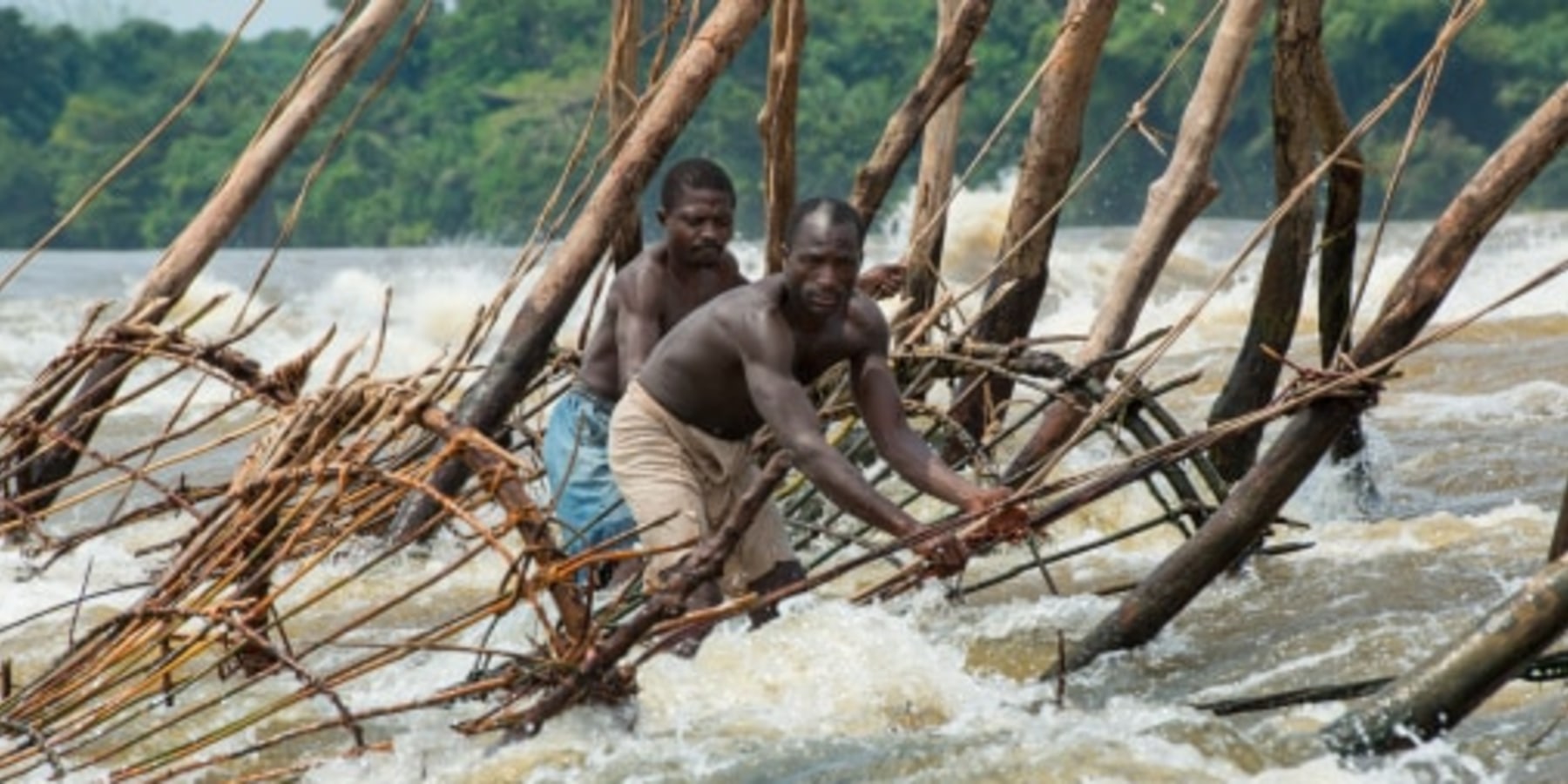
Day 26 – KisanganiHenry Morton Stanley, writer and intrepid adventurer, founded Kisangani in 1877 as Stanleyville. More than 2,000 kilometers upstream from the Atlantic coast, it is the furthest navigable point on the Congo River. Over the past fifty years, the city has experienced many upheavals, from its conquest by Simba rebels during the Congo Crisis of the 1960s to the horrors of the conflict in the DRC in the 1990s. The situation for Kisangani's half a million inhabitants is slowly but surely improving today. A journey through this city