


How Difficult Is the Everest Base Camp Trek?
The trek does not require technical climbing skills, but it is physically demanding.
Most trekking days involve around 5 to 7 hours of walking on mountain trails with regular uphill and downhill sections. The main challenge is altitude rather than distance.
Everest Base Camp is located at approximately 5,364 metres, while Kala Patthar reaches around 5,545 metres.
Walking slowly and allowing enough time for acclimatization is very important.
How Many Days Are Needed?
A standard Everest Base Camp itinerary normally takes around 12 to 14 days, depending on the route and starting point.
A well-planned itinerary should include acclimatization days, particularly around Namche Bazaar and the higher sections of the trek.
Trying to complete the trek too quickly can increase the risk of altitude problems.
Best Time to Trek
The most popular seasons are:
March to May – Warmer weather, rhododendron flowers, and good mountain views.
September to November – Generally stable weather, clear skies, and excellent Himalayan visibility.
Winter trekking is also possible, but temperatures become much colder at higher elevations.
What Accommodation Is Available?
Most trekkers stay in local mountain lodges, commonly called teahouses.
Rooms are generally simple but comfortable enough for trekking. Meals are available at the lodges, including Nepali dishes such as dal bhat as well as noodles, soups, rice, potatoes, pasta, and other common trekking meals.
Facilities become more basic as you travel higher into the mountains.
Highlights Along the Trail
Everest Base Camp is only one part of the journey.
Trekkers also experience places such as Namche Bazaar, Tengboche Monastery, Dingboche, Lobuche, Gorak Shep, and Kala Patthar.
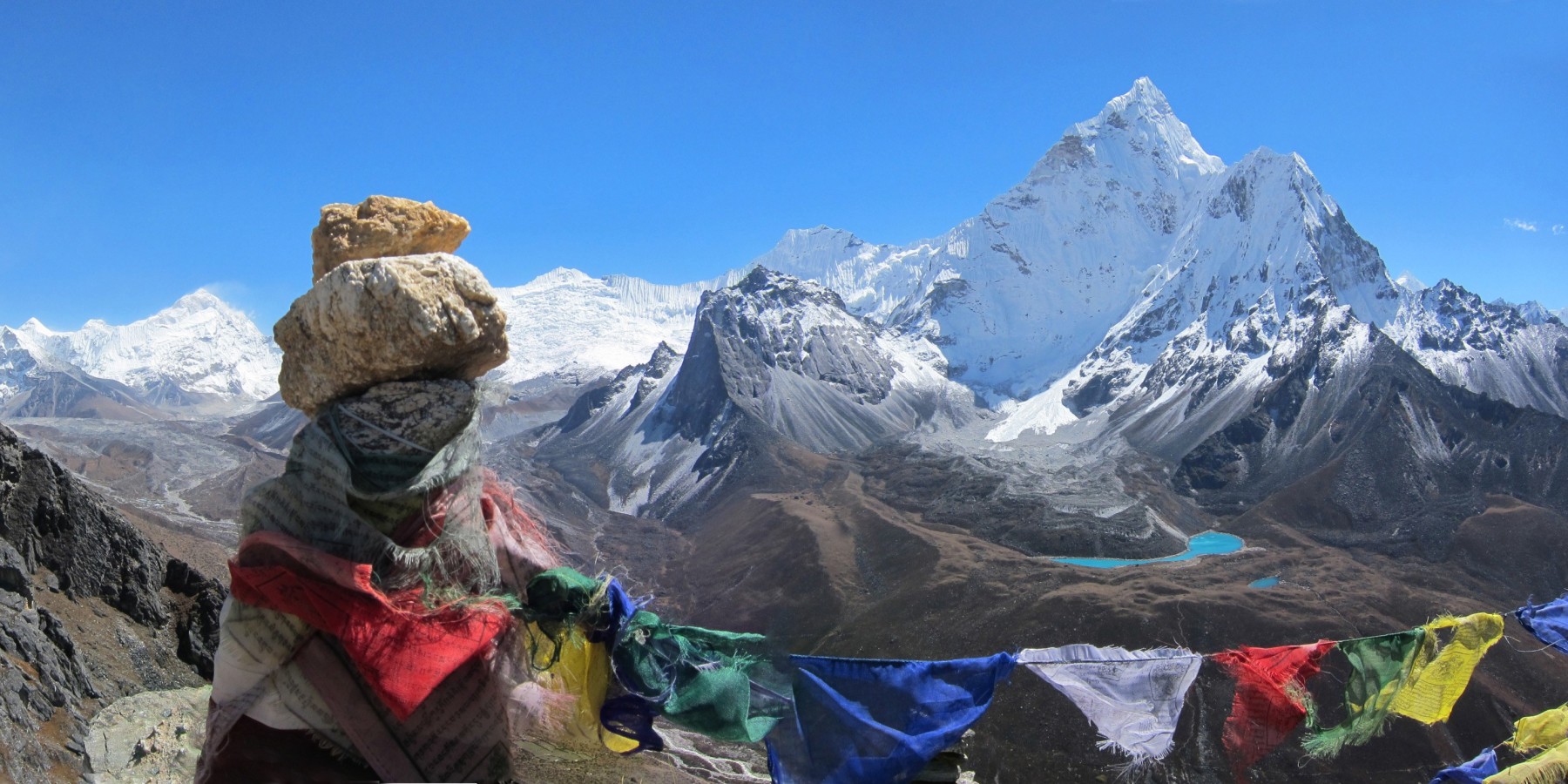
Along the way, there are views of famous Himalayan peaks including Everest, Lhotse, Nuptse, Ama Dablam, and Thamserku.
The villages, monasteries, suspension bridges, prayer flags, mani walls, and everyday Sherpa life make the journey equally memorable.
Do You Need to Be Very Fit?
You do not need to be a professional athlete, but reasonable fitness is important.
Regular walking, hiking, cycling, running, or stair training before travelling to Nepal can help prepare your legs and improve endurance.
Mental preparation is also important. Weather, altitude, cold temperatures, and long walking days are all part of Himalayan trekking.
Final Advice
The Everest Base Camp Trek should not be treated as a race.
Walk slowly, listen to your body, stay hydrated, follow a properly planned itinerary, and take time to enjoy the villages and mountain scenery.
Reaching Everest Base Camp is a wonderful achievement, but for many travelers, the most memorable part is the entire journey through the heart of the Khumbu Himalayas.